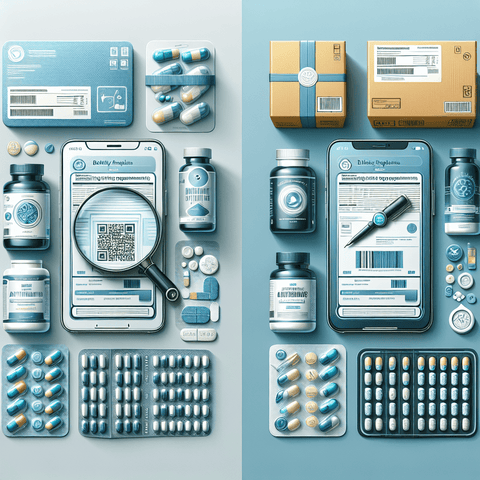
Online supplement safety refers to the knowledge and habits needed to evaluate vitamins, minerals, and other nutritional products purchased through websites and online stores. Because online shopping removes the ability to inspect packaging, verify storage conditions, or ask a pharmacist directly, buyers must rely on labels, certifications, and seller transparency. This article explains the main risks of buying supplements online, how to read product labels, which red flags to watch for, and how to decide whether a supplement is worth buying—so you can shop with confidence and protect your health before checkout.
What Is Online Supplement Safety and Why It Matters Before You Buy
Online supplement safety is the practice of verifying that a nutritional product is genuine, correctly labeled, properly manufactured, and appropriate for your personal needs before purchasing it via the internet. It combines product evaluation (ingredients, dosage, certifications) with seller evaluation (reputation, sourcing, storage practices).
How buying supplements online differs from buying in-store
When you buy in a pharmacy or health store, you can physically inspect packaging, check expiry dates, and ask staff questions. Online, you depend entirely on product listings, photographs, and descriptions. You also cannot confirm how the product was stored before shipping, and the item may pass through multiple hands before reaching you. On the positive side, online stores often provide more detailed label information, batch details, and access to a wider range of independently tested brands than a typical physical shelf.
The main risks of shopping for supplements online
The most significant risks include counterfeit products, products stored or shipped improperly (especially heat- and moisture-sensitive items like probiotics and fish oil), mislabeled ingredients, and undisclosed substances. Marketplaces with many third-party sellers add another layer of risk, because the same product page may list inventory from several unverified resellers. Finally, online marketing can exaggerate benefits in ways that a regulated physical label would not allow.
What the research says about mislabeled and adulterated supplements
Independent laboratory analyses have repeatedly found discrepancies between supplement labels and actual contents—sometimes missing active ingredients, sometimes containing far more or less than stated. Regulators have also identified products, particularly those marketed for weight loss, energy, or sexual performance, that were adulterated with undeclared pharmaceutical ingredients. This does not mean all supplements are unsafe; reputable manufacturers with third-party testing consistently show accurate labeling. It does mean verification matters, especially online.
Why Supplement Safety Matters for Your Health and Wellbeing
How poor-quality supplements can affect your health
A low-quality supplement may fail to deliver the nutrient it claims, meaning a genuine dietary gap remains unaddressed. At the other extreme, it may contain excessive doses or contaminants such as heavy metals, which can accumulate in the body over time. Undisclosed ingredients can trigger allergic reactions or interact with medications. In short, the harm from a bad product ranges from wasted money to genuine health risk.
Nutritional support versus medical treatment: understanding the difference
Supplements are intended to support nutritional status—they are not medicines and cannot diagnose, treat, cure, or prevent disease. If you have symptoms or a diagnosed condition, supplementation is not a substitute for medical care. A safe approach uses supplements to help fill identified dietary gaps, alongside a balanced diet and appropriate healthcare.
Everyday situations where online supplement safety becomes important
Safety awareness matters most when supplementing children or older adults, during pregnancy or breastfeeding, when taking prescription medications, when managing a chronic condition, or when buying high-dose products. It also matters when purchasing from unfamiliar websites, unusually cheap listings, or international sellers whose products may not meet your region's regulatory standards.
Common Signs a Supplement Sold Online May Not Be Safe
Red flags in product claims and marketing language
Be cautious of language promising a "cure," "detox," "rapid weight loss," or results that sound too dramatic. Legally regulated supplements use qualified claims such as "contributes to normal immune function." Terms like "miracle," "breakthrough," "guaranteed results," or claims of working "as well as prescription medicine" are strong warning signs, as are before-and-after testimonials presented as scientific proof.
Warning signs on product listings and websites
Watch for missing Supplement Facts panels, no manufacturer contact details, no batch or lot numbers, anonymous sellers, and sites with no returns policy or verifiable company information. Listings with stock photos instead of actual label images, overwhelmingly positive five-star reviews posted in a short period, and websites that sell only one "exclusive" product also deserve skepticism.
Price signals: when a deal may be too good to be true
Quality manufacturing, testing, and proper ingredients cost money. A price dramatically below the standard retail range—especially for a premium brand—often indicates counterfeit stock, expired products repackaged for sale, or diluted formulations. Genuine discounts do exist (clearance lines, expiry-dated stock), but legitimate sellers disclose why the price is reduced. Transparent discount offers, such as clearly labeled expiry deals, are different from suspiciously branded products sold at a fraction of their usual price.
Common Causes of Unsafe or Low-Quality Online Supplements
Weak manufacturing standards and unverified facilities
Supplement quality starts at the manufacturing facility. Reputable producers follow Good Manufacturing Practices (GMP) and conduct identity, potency, and contaminant testing on raw materials and finished products. Brands that do not disclose manufacturing standards, or that cannot answer basic questions about sourcing and testing, may produce inconsistent or contaminated products.
Counterfeit products and unauthorized resellers
Popular brands are frequently counterfeited. Buying from the brand's official store or an authorized retailer greatly reduces this risk. On open marketplaces, check the seller's history, reviews, and whether they are listed as an authorized distributor. Counterfeits may closely mimic packaging while containing little or none of the active ingredient—or unknown substances.
Storage, shipping, and handling issues when buying online
Probiotics, certain omega-3 oils, enzymes, and some herbal extracts are sensitive to heat, light, and humidity. Long transit times, unairconditioned warehouses, or mailboxes left in the sun can degrade these products. Look for retailers that use temperature-conscious packaging, short shipping distances, and clear storage instructions on arrival.
Ingredient substitution and undisclosed fillers
Some low-quality products substitute cheaper ingredients—using a less bioavailable form of a mineral while claiming the premium form, or adding fillers, flow agents, or even undeclared allergens without listing them. A complete ingredient list, including excipients and capsule composition, is a baseline expectation for any trustworthy product.
Why Safety Needs Differ From Person to Person
How age, health status, and medications change your risk profile
Children and adolescents have lower tolerable upper intake levels for many nutrients, so adult-dose products are rarely appropriate. Older adults may have altered absorption and are more likely to take medications that interact with supplements. People with kidney or liver conditions need particular caution with certain minerals and herbal products because these organs handle excretion and metabolism.
Why the same product may not suit everyone in your household
A multivitamin formulated for adults may contain iron levels unsuitable for men or children; a high-dose vitamin D product appropriate for someone with low sun exposure may be excessive for someone else. Sharing supplements casually, without checking labels against individual needs, is a common and avoidable safety mistake.
Allergies, dietary preferences, and ingredient sensitivities
Capsules may contain gelatin; tablets may include gluten-derived binders or soy lecithin; gummies often contain sugars and gelatin. If you have allergies or follow a vegan diet, read the full ingredient list—not just the actives. Reliable brands clearly flag common allergens and dietary suitability.
Diet and Lifestyle First: Getting Nutrients From Food Before Supplements
Food-first nutrition: why it still comes first
Whole foods deliver nutrients in forms and combinations the body is well adapted to use, alongside fiber, phytochemicals, and other compounds that supplements cannot replicate. Oily fish provides omega-3s, leafy greens provide folate and vitamin K, nuts and seeds provide magnesium and vitamin E, dairy and fortified foods provide calcium and vitamin D. For most nutrients, a varied diet meets or approaches requirements.
When dietary gaps make nutritional support worth considering
Gaps do occur. Strict vegan diets may fall short on vitamin B12; limited sun exposure affects vitamin D status; restrictive diets, pregnancy, heavy menstruation, or certain medical conditions can increase needs. In these situations, supplementation may be a reasonable way to support adequate intake—ideally after reviewing diet and, where relevant, confirming status with a blood test. If you want to understand how individual nutrients work before deciding, resources on topics like vitamin D sources and safety can help you compare dietary and supplemental options.
Where Supplements Fit: Understanding Their Role and Limits
Situations where supplementation may be relevant
Supplementation may be relevant when dietary intake is genuinely insufficient, when physiological needs are elevated (pregnancy, growth, older age), when absorption is impaired (certain gastrointestinal conditions, some medications), or when a blood test indicates low status. Even then, the goal is usually to support adequate intake—not to consume far beyond normal requirements.
Why blood testing and professional assessment matter before supplementing
Fatigue, low mood, brittle nails, and similar symptoms have many possible causes and cannot confirm a nutrient deficiency on their own. For nutrients such as vitamin D, B12, folate, and iron, validated blood tests exist and provide far better information than symptom-guessing. Testing helps avoid both unnecessary supplementation and missed deficiencies that need medical attention.
General nutritional support versus treating a diagnosed deficiency
A diagnosed deficiency is a medical finding that warrants a professional-directed treatment plan, often with specific doses and follow-up testing. General nutritional support—such as a moderate multivitamin for someone with an inconsistent diet—is a different, lower-dose purpose. Confusing the two can lead to under-treatment or unnecessarily high intake.
How to Choose Safe Supplements When Shopping Online
Ingredient form, bioavailability, and dosage: what to compare
The same nutrient can appear in different chemical forms. Magnesium, for example, comes as oxide, citrate, glycinate, and others, which differ in absorption and digestive tolerability; vitamin D is usually D3 (cholecalciferol). Compare the elemental amount of a mineral—not just the total compound weight—and the dose per serving relative to recommended intakes. Higher dose is not automatically better; check that the amount fits your needs and stays well within established upper limits.
Third-party testing, certifications, and quality seals explained
Third-party testing means an independent laboratory verified the product's identity, potency, and purity—look for seals from recognized programs or published certificates of analysis. GMP certification indicates the facility follows quality manufacturing standards. No seal replaces reading the label, but products without any verifiable quality assurance deserve extra caution when shopping online.
Single-ingredient products versus combination formulas
Single-ingredient products make it easy to control dose, avoid redundant nutrients, and identify causes of side effects. Combination formulas can be convenient but may contain doses too low to be meaningful or overlapping nutrients from multiple products you take together. If you take several supplements, check total intake across all of them—this is a common route to accidentally exceeding safe levels of vitamin A, zinc, or iron.
Added ingredients, allergens, and dietary-friendly options
Scan for colors, sweeteners, titanium dioxide, hydrogenated oils, and common allergens. If you avoid animal products, confirm the capsule material and the source of nutrients such as vitamin D3 (lanolin-derived versus lichen-derived) and omega-3 (fish versus algae).
Capsules, tablets, powders, and liquids: does form matter for safety?
Form affects practicality more than safety when quality is equal. Capsules and softgels protect sensitive ingredients and are easy to swallow; tablets are stable and inexpensive but may contain more binders; powders allow flexible dosing but require accurate measuring and proper storage; liquids suit those who cannot swallow capsules but may have shorter shelf life once opened. Choose the form you will take consistently at the correct dose—accuracy matters more than format.
How to Read a Supplement Label Before You Buy Online
What the Supplement Facts panel tells you
The Supplement Facts panel lists serving size, each active ingredient, the amount per serving, and the percentage of a standard daily reference value where established. It also includes other ingredients—fillers, capsule materials, and allergens. This panel is your primary verification tool when you cannot inspect the physical product.
Serving sizes, active ingredients, and amounts you can verify
Always check the serving size—some products list two or more capsules as a "serving," which changes the actual dose you take. Compare amounts against recommended daily intakes and tolerable upper limits, especially for fat-soluble vitamins and minerals. A responsible brand keeps doses within sensible ranges or clearly explains the rationale for higher doses.
What missing information on a label should signal to you
Absent supplement facts panels, missing "other ingredients" lists, no batch number, no expiry date, and no manufacturer address are all reasons to walk away. Proprietary blends that hide individual ingredient amounts also make it impossible to verify dosing, which is a meaningful transparency failure.
Who May Benefit Most From Carefully Chosen Supplementation
Life stages and situations where needs may increase
Pregnant and breastfeeding women have elevated needs for folate, iodine, and other nutrients; infants and older adults may need vitamin D; vegans need reliable B12; people with malabsorption conditions, athletes with high sweat losses, and those with restricted diets may all have increased requirements. For children and pregnant women in particular, product quality and professional guidance matter most.
When to involve a doctor or dietitian in your decision
Involve a professional when you take prescription medications, have a chronic condition, are pregnant or trying to conceive, are considering high doses, or have persistent symptoms you suspect relate to nutrition. A doctor or registered dietitian can assess diet, order tests where useful, and recommend appropriate doses—something no product page can do. General information from resources such as a multivitamin ingredients and usage guide can help you prepare informed questions for that conversation.
Safety, Interactions, and When to Seek Professional Advice
Upper intake limits: when more is not better
Every nutrient has a tolerable upper intake level—the maximum daily amount unlikely to cause harm over time. Exceeding it, especially over long periods, can be harmful: excessive vitamin A is linked to liver and bone concerns, too much iron can damage organs in susceptible people, and high-dose zinc over months can cause copper deficiency. More is not better; adequacy is the goal.
Common supplement–medication interactions to be aware of
Well-known examples include vitamin K and warfarin, St. John's wort and many medications (including antidepressants and contraceptives), and high-dose omega-3s with blood-thinning medication. Minerals can reduce absorption of certain antibiotics and thyroid medication if taken together. If you take any regular medication, check with a pharmacist or doctor before adding a supplement.
Pregnancy, chronic conditions, and other times to consult first
Pregnancy, breastfeeding, kidney or liver disease, upcoming surgery, cancer treatment, and childhood are all situations where professional input should come before supplementation. Some nutrients and herbal products that are harmless for healthy adults are inappropriate in these circumstances.
Recognizing possible side effects and when to stop a supplement
Digestive upset, headaches, skin reactions, or unusual symptoms appearing after starting a new product can indicate intolerance, an allergen, or an excessive dose. Stop the product if symptoms are bothersome or worsening, and seek medical advice if reactions are severe. Keep a note of what you took and when—this helps professionals identify the cause.
Should You Buy This Supplement Online? A Practical Decision Checklist
When diet alone may be enough
If your diet is varied, includes fruits, vegetables, whole grains, quality protein sources, and—if applicable—oily fish or fortified foods, and you have no confirmed gaps, additional supplementation may add little. Improving food choices first is almost always the more effective, safer step.
Questions to ask before adding any supplement to your cart
- Do I have a specific reason? A dietary gap, life stage, test result, or professional recommendation—rather than general worry.
- What exactly is in it? Ingredient form, dose per serving, and whether it meets my actual need.
- Is the dose sensible? Within recommended intake ranges and below tolerable upper limits.
- Could it interact? With my medications, other supplements, or health conditions.
- Can I verify quality? Third-party testing, GMP manufacturing, complete label, batch number.
Verifying the seller, the brand, and the batch before checkout
Buy from the brand's official site or an authorized retailer with transparent contact details, clear return policies, and proper storage practices. Confirm the expiry date and batch number, and be alert to signs the product is authentic. Retailers that explain sourcing, testing, and storage—such as those offering clearly labeled discounted near-expiry supplements with full disclosure—make verification easier than anonymous marketplace listings.
Final Thoughts: Buying Supplements Online Safely and Confidently
Online supplement safety is not about fear—it is about verification. Most supplements bought online from reputable, transparent retailers are legitimate and, when used sensibly, well tolerated. The risks concentrate where claims are exaggerated, labels are incomplete, sellers are anonymous, and doses are extreme. Start with food and lifestyle, involve testing and professional advice when your situation warrants it, and treat supplementation as a targeted tool rather than a default. Needs differ from person to person, so the safest purchase is always the one matched to your verified needs—not to a marketing promise.
Key Takeaways
- Online supplement safety means verifying both the product (label, dose, testing) and the seller before you buy.
- Independent analyses have found mislabeled and adulterated supplements, making third-party testing and complete labels important quality signals.
- Claims of cures, rapid results, or prescription-like effects are reliable red flags.
- Prices far below normal retail often indicate counterfeit, expired, or diluted products—unless the discount is transparently explained.
- Food first: a varied diet meets most nutrient needs, and supplements work best for specific, identified gaps.
- Symptoms alone cannot confirm a deficiency; blood tests and professional assessment are more reliable for nutrients like vitamin D, B12, and iron.
- Check total intake across all supplements to avoid exceeding upper limits for vitamin A, iron, zinc, and other nutrients.
- Supplements can interact with medications—consult a doctor or pharmacist if you take prescription drugs.
- Buy from authorized sellers with clear contact details, return policies, batch numbers, and appropriate shipping practices.
- Nutritional needs vary by age, diet, life stage, and health status; what suits one household member may not suit another.
Frequently Asked Questions
Is it safe to buy supplements online?
Yes, provided you buy from reputable, authorized retailers and verify the label, manufacturer, and certifications before purchasing. The main risks—counterfeits, improper storage, and mislabeling—are largely avoidable by choosing transparent sellers rather than anonymous marketplace listings.
What are the red flags of an unsafe supplement website?
Missing Supplement Facts panels, no company contact details, no returns policy, unverifiable health claims, anonymous sellers, and prices dramatically below market value. Also be cautious if the site sells a single "exclusive" product and pressures you with countdown timers.
How can I tell if a supplement is counterfeit?
Signs include mismatched or poor-quality packaging, missing batch numbers, unusual tablet appearance or smell, and sellers not listed as authorized distributors. Buying directly from the brand or an authorized retailer is the most reliable protection.
What does third-party testing actually verify?
An independent laboratory checks that the product contains the listed ingredients at the stated amounts and is free from significant contaminants such as heavy metals or undeclared substances. Look for recognized certification seals or a published certificate of analysis.
Can you take too much of a vitamin?
Yes. Every nutrient has a tolerable upper intake level, and long-term intake above it can cause harm—for example, excess vitamin A may affect the liver and bones, and too much iron is dangerous for some people. More is not better; adequacy is the goal.
Do supplements interact with medications?
Some do. Examples include vitamin K with warfarin, St. John's wort with many common medications, and minerals reducing absorption of certain antibiotics or thyroid medication. Always check with a doctor or pharmacist if you take prescription drugs.
Are expensive supplements always safer or better?
No. Price reflects branding, formulation, and ingredients, but a higher price alone does not guarantee quality. A moderately priced product with third-party testing and a complete label is safer than an expensive product with unverifiable claims.
Are probiotics damaged by shipping?
They can be. Probiotic viability declines with heat and humidity, so quality products are shipped with protective packaging and often require refrigeration after opening. Check storage instructions on arrival and buy from retailers with fast, appropriate shipping.
How do I check the right dose before buying?
Compare the amount per serving on the Supplement Facts panel with established recommended daily intakes and upper limits, and check whether the serving is one or multiple capsules. For personalized dosing, consult a healthcare professional.
Should I get a blood test before taking supplements?
For nutrients where validated tests exist—such as vitamin D, B12, folate, and iron—testing is generally more reliable than guessing from symptoms. It prevents both unnecessary supplementation and missed deficiencies that may need medical treatment.
What should I do if I feel unwell after starting a supplement?
Stop the product and note the ingredients and timing. Mild digestive upset sometimes resolves with food or dose adjustment, but persistent or severe reactions warrant medical advice, particularly if you take medications or have a health condition.
Are "natural" or herbal supplements automatically safe?
No. Herbal products are biologically active and can interact with medications or be adulterated. Quality sourcing and testing matter just as much as for vitamins and minerals—see guidance on herbal supplement safety and sourcing for more detail.
Related Keywords
- online supplement safety
- how to buy supplements online safely
- supplement red flags
- counterfeit supplements
- third-party tested supplements
- how to read a supplement label
- supplement–medication interactions
- mislabeled supplements
- vitamin upper intake limits
- supplement quality certifications
- bioavailability of supplement forms
- supplement dosage safety
- food-first nutrition
- choosing a safe multivitamin