
Unlock optimal absorption begins with understanding what the term really means in a physiological context. Optimal absorption refers to how efficiently an input is taken up and made available for downstream processes. In science, this involves concepts like bioavailability and the kinetics of uptake, which describe how quickly and how completely the body can move something from an entry point into an usable state. By focusing on the mechanisms that govern this process, you can approach daily decisions with a mindset geared toward maximizing the efficiency of uptake over time. The science behind optimal absorption looks at multiple stages: crossing barriers, moving through tissues, and the subsequent processing that determines final availability. Individual differences—genetic variation, baseline physiology, and environmental context—create a spectrum of uptake efficiency across people and situations. This means that strategies aimed at improving optimal absorption are most effective when they are adaptable, evidence-informed, and tuned to how uptake pathways operate rather than relying on one-size-fits-all solutions. Practical steps aligned with the science of optimal absorption can be approached without referencing specific inputs. First, establish a stable daily pattern to maintain a consistent internal context that supports uptake processes. Second, consider sequencing and timing to reduce potential competition for uptake pathways. Third, monitor responses over time to identify personal patterns that correlate with changes in optimal absorption, recognizing that small, repeatable adjustments can compound to meaningful improvements. Framing these actions around mechanism rather than prescriptions helps you apply them in a broad, adaptable way. As you explore these ideas, you’ll see how the concept of optimal absorption fits into a careful, evidence-informed approach to everyday routines. This page highlights seven science-backed tips designed to be practical and accessible, so you can apply them today with confidence. By keeping the focus on the underlying mechanisms, variability, and measurement, you can adopt a thoughtful, science-based approach that supports ongoing improvements in optimal absorption.
Unlock Optimal Absorption: 7 Science-Backed Ways to Maximize Nutrient Uptake Today

Vitamin complex timing can improve nutrient absorption, tolerance, and supplement adherence when aligned with meals and individual routines. The best time for vitamins depends on nutrient type: fat-soluble vitamins A, D, E, and K absorb better with dietary fat, while water-soluble B vitamins and vitamin C are often convenient earlier in the day. This guide explains morning vs evening vitamins, nutrient absorption timing, iron timing, mineral interactions, and medication spacing. A consistent daily supplement schedule, split dosing, and personalized nutrition plan can support optimal absorption, but symptoms alone cannot confirm deficiencies. Professional guidance and targeted testing help create a safe, evidence-based vitamin complex timing strategy.

Why Timing Matters for Vitamin CVitamin C is a water-soluble nutrient that supports immune health, collagen synthesis, iron absorption, and antioxidant defense. Unlike fat-soluble vitamins, your body does not store large amounts of vitamin C, so consistent daily intake is important. Timing your supplement can influence absorption efficiency, potential digestive side effects, and how well it fits with your lifestyle. While there is no universal rule for the best time, understanding your health goals and habits helps you choose a schedule that works for you.Morning vs. Night: What the Science SaysResearch shows that vitamin C absorption is most efficient when taken in doses up to 200 mg, and taking it on an empty stomach can improve uptake, though it may cause stomach upset in sensitive individuals. Taking vitamin C with meals can reduce this risk and also enhances iron absorption from plant-based foods. Some experts suggest that morning intake may align with the body's higher metabolic activity and oxidative stress, while nighttime intake could support repair processes during sleep. Ultimately, consistency matters more than a specific time of day.Practical Tips for Your RoutineTo maximize benefits, consider splitting your daily dose into two or three smaller amounts spread throughout the day. Take vitamin C with meals to minimize digestive discomfort, and combine it with iron-rich foods if you need extra iron. If you take other medications or have medical conditions, consult your healthcare provider to avoid interactions. Choosing a high-quality supplement from a trusted source, such as Topvitamine's vitamin C collection, ensures reliable support for your wellness routine.
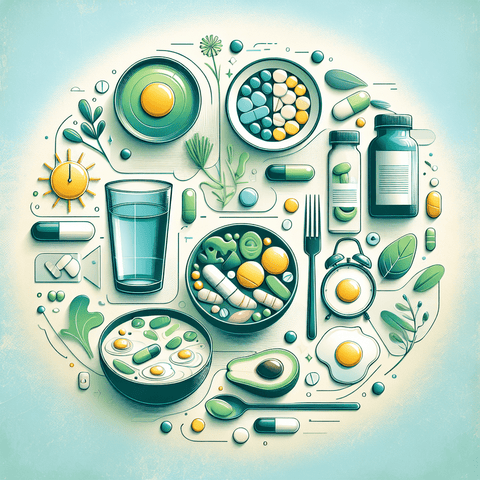
Discover the best intake time for multivitamins and learn how multivitamin timing affects optimal absorption, nutrient synergy, and daily energy. Taking a multivitamin with a balanced meal, especially one containing healthy fats, can improve absorption of vitamins A, D, E, and K while reducing stomach discomfort. Morning or lunchtime dosing often supports energy, particularly when formulas contain B vitamins, vitamin C, or iron, while magnesium supplements may be better suited to evening use. This guide explains how to create a consistent daily supplement schedule, avoid interactions between calcium, iron, caffeine, and medications, and tailor timing for digestion, lifestyle, and energy goals.