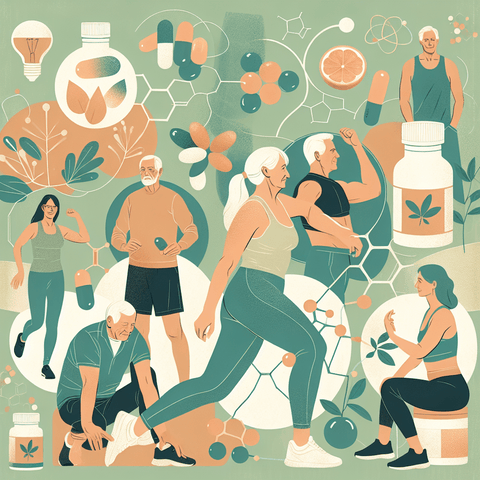
As we age, achieving optimal wellness after 50 becomes increasingly essential for enhancing vitality, maintaining energy levels, and preserving independence. This guide provides a practical framework to help you navigate this exciting stage of life. You'll learn how to assess your current health, identify potential nutrient gaps, and adopt a holistic strategy that covers nutrition, exercise, mental well-being, and preventive care. We'll also explore how nutritional supplements can play a valuable, supportive role in your wellness journey.
What Does Optimal Wellness After 50 Mean?
Optimal wellness after 50 is a holistic approach to health that prioritizes physical, cognitive, and emotional well-being. It's about more than just the absence of disease; it's about proactively maintaining vitality, independence, and a high quality of life. This concept encompasses several interconnected domains: physical health, cognitive function, sleep quality, energy levels, mood, mobility, immune resilience, and social well-being. By focusing on all these areas, you can make informed decisions about your lifestyle, nutritional intake, and any necessary supplementation.
Core Domains of Wellness in Midlife and Beyond
As we age, our priorities naturally shift due to changes in metabolism, muscle mass, bone density, and nutrient needs. A holistic view recognizes that lifestyle factors like nutrition, exercise, sleep, and stress management don't operate in isolation—they interact synergistically to shape your overall vitality. For example, regular physical activity helps maintain muscle and bone health, which in turn supports mobility and reduces fall risk. Similarly, quality sleep is crucial for cognitive function, mood regulation, and immune health.
By addressing these areas together, you can create a strong foundation for lifelong wellness. This approach includes specific focus areas such as:
- Nutrition and hydration
- Physical activity and mobility
- Cognitive health and mental sharpness
- Sleep quality and recovery
- Stress management and emotional balance
- Preventive care and health screenings
Why Aging Gracefully Matters
Aging gracefully isn't just a goal; it's a necessity for maintaining a high quality of life. Fostering physical health, mental sharpness, emotional well-being, and social engagement empowers you to remain active and independent. This proactive approach not only enhances your own life but also contributes positively to your community. The habits you build now have a compounding effect, significantly impacting your long-term health outcomes.
Recognizing Nutrient Gaps and Common Symptoms
Many individuals over 50 experience symptoms like fatigue, joint stiffness, sleep disturbances, or brain fog. These signals can sometimes indicate potential nutrient gaps. For example, low energy might be linked to inadequate vitamin B12 or iron, while mood fluctuations could suggest a need for more omega-3 fatty acids or vitamin D. Recognizing these common symptoms as important signals is a vital first step in making necessary adjustments to your diet and lifestyle.
Understanding the Signs of Nutrient Deficiencies
Specific signs of nutrient deficiencies may include persistent tiredness, muscle weakness, or brittle nails. More serious implications of unaddressed gaps include an increased risk of sarcopenia (muscle loss), osteoporosis (bone fragility), and accelerated cognitive decline. It's important to remember that these symptoms are often non-specific and can overlap with various age-related changes or chronic conditions. This is why a broader assessment, including clinical tests and a dietary analysis, is so valuable.
Why Symptoms Alone Don't Reveal the Root Cause
Because symptoms can be vague, it's essential to look at the interconnected nature of your body systems. Gut health, inflammation, and nutritional status can all influence multiple symptoms at once. Instead of relying on symptoms alone, consider a comprehensive assessment that includes clinical tests and functional health measures monitored over time. This provides a clearer picture of your underlying health and guides you toward more effective decisions.
The Role of Nutrition and Supplements After 50
Nutrition plays a pivotal role, as the body's requirements shift with age. Essential vitamins and minerals, such as vitamin D and B12, are vital to supporting energy levels, bone health, and cognitive function. Nutritional supplements can support specific nutrient gaps and complement a healthy diet, but they are not a replacement for a nutritious lifestyle or medical treatment. They serve as an adjunctive tool in your overall health strategy.
Common Supplementation Targets for 50+
Common supplementation targets for those over 50 include vitamin D, calcium, omega-3 fatty acids, vitamin B12, magnesium, and probiotics. These nutrients support bone health, cognitive function, and overall energy levels. You can explore a range of options in our omega-3 supplement collection or see our multivitamin guide to better understand your options.
How Supplements Can Support Your Wellness Journey
Supplements can work synergistically with a balanced diet, regular exercise, quality sleep, and stress management to bolster health outcomes. Here are some specific use-case scenarios where supplements may be particularly helpful:
- Bone and joint health:Calcium + vitamin D, omega-3s, and magnesium
- Cognitive and brain health:DHA/EPA, B vitamins, and antioxidants
- Energy and metabolism:Iron (if deficient), vitamin B12, and magnesium
- Gut health and immune support:Probiotics, prebiotics, and vitamin D
For more detailed information on supplements that support bone and muscle health, you can visit our magnesium collection.
Practical Lifestyle Strategies for Healthy Aging
Beyond nutrition, several lifestyle habits play a crucial role in supporting wellness after 50. Building healthy routines around movement, sleep, and stress management can have a profound impact on how you feel and function day to day.
Movement and Exercise
Regular physical activity helps maintain muscle mass, bone density, and mobility. A balanced routine may include strength training, flexibility work, and aerobic activities. The goal is to stay active in ways that are sustainable and enjoyable, supporting independence and reducing the risk of falls.
Sleep and Recovery
Quality sleep is essential for cognitive function, mood regulation, and immune health. Establishing a consistent sleep schedule and creating a restful environment can help improve sleep quality. Prioritizing recovery is just as important as the activities themselves.
Stress Management and Social Connection
Chronic stress can negatively impact overall health. Techniques such as mindfulness, meditation, and deep breathing can help manage stress levels. Staying socially connected with friends, family, and community groups also contributes to emotional well-being and a sense of purpose.
A Practical Decision-Making Framework for Supplements
Before starting any supplement, it’s important to consider a few key criteria. Check for dietary gaps and nutritional risks in your current eating patterns. Consult with a healthcare provider for suspected or confirmed nutrient deficiencies via testing. Take into account any chronic conditions or medications that might affect your nutrient needs or absorption, and be mindful of age-related risk factors like bone health or cognitive aging.
Step-by-Step Decision Process
- Assess your baseline diet and lifestyle to identify potential gaps.
- Get targeted labs or clinician guidance if indicated.
- Choose evidence-based, high-quality products.
- Start with the lowest effective dose and monitor changes.
- Reassess regularly and adjust as needed with professional guidance.
When to Seek Professional Guidance
Always consult your healthcare provider to discuss your individual health and supplement needs. They can help you navigate potential underlying health issues and provide tailored recommendations. Remember, supplements are adjuncts—not substitutes—for medical care and a health-focused lifestyle. Any concerning symptoms should always prompt a conversation with a medical professional.
Practical Tips for Buying Supplements on Topvitamine.com
Topvitamine prioritizes customer health through rigorous product quality assurance, third-party testing, and transparent labeling, ensuring you can make informed decisions. To shop effectively, use category and nutrient filters to narrow down your search. Check serving sizes, daily value percentages, and ingredient lists carefully. Prioritize products with third-party certifications and clear safety disclosures.
Consider your labs, dietary patterns, and medication list when verifying if a product is right for you. Starting with one targeted supplement is often a good approach if a deficiency risk or dietary gap exists. Track your symptoms, energy levels, sleep, and mood over 4–8 weeks to monitor the effects.
Frequently Asked Questions about Wellness After 50
What is optimal wellness after 50?
Optimal wellness after 50 is a comprehensive approach to health that focuses on physical, cognitive, and emotional well-being. It emphasizes maintaining vitality, independence, and a high quality of life through lifestyle choices, proper nutrition, and preventive care.
Why is nutrition important after 50?
Nutrition is crucial after 50 because the body's nutrient requirements change. Adequate intake of vitamins and minerals supports metabolic processes, immune health, and overall wellness, reducing the risk of age-related conditions.
What are common nutrient deficiencies in people over 50?
Common nutrient deficiencies in individuals over 50 include vitamin D, vitamin B12, calcium, magnesium, and omega-3 fatty acids. These nutrients are vital for maintaining bone health, cognitive function, and overall energy.
How can I evaluate my dietary needs?
To evaluate your dietary needs, assess your dietary patterns, consult with healthcare professionals for targeted nutrient testing, and consider your overall health status, activity level, and lifestyle factors.
What should I look for in a quality supplement?
When selecting supplements, look for transparency in labeling, third-party certifications, clear dosage instructions, and credible sourcing. Quality assurance measures are essential for safety and efficacy.
Are there risks with taking supplements?
Yes, there can be risks with taking supplements, including potential interactions with medications and the dangers of excessive intake. It's essential to consult healthcare providers to determine appropriate supplementation strategies.
What are the best habits for healthy aging?
The best habits for healthy aging include maintaining a balanced diet, staying physically active, getting quality sleep, managing stress, staying socially connected, and attending regular health screenings. Consistency in these habits supports long-term vitality and independence.
How can I stay active and mobile after 50?
Staying active after 50 involves incorporating a mix of strength training, flexibility exercises, and aerobic activities into your routine. Starting gradually and choosing activities you enjoy can help maintain muscle mass, bone density, and mobility.
Final Takeaways for a Vibrant Life After 50
Embracing optimal wellness after 50 involves understanding the key health domains—nutrition, exercise, sleep, stress management, and preventive care—and recognizing the importance of addressing symptoms in context. Thoughtfully integrating supplements to complement a healthy lifestyle can help you address nutrient gaps. Start by evaluating your diet, consider lab tests if indicated, explore evidence-based supplements, and browse Topvitamine.com for high-quality options with transparent labeling.
- Optimal wellness after 50 is holistic.
- Prioritize nutrition and lifestyle choices.
- Individual variability is critical for assessing health needs.
- Symptoms may not always reveal core health issues.
- Supplements can address nutrient gaps but should not replace a healthy lifestyle.
- Trust reputable sources like Topvitamine for quality products.
- Consult health professionals for personalized guidance.
- Empower yourself with knowledge and informed choices.