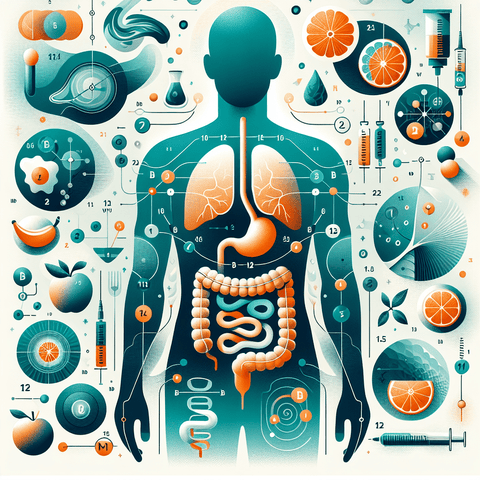
Why Orange Juice B12 Boost Is Gaining Attention
Fortified orange juice with B12 represents a practical convergence of convenience and nutritional science. For many people, orange juice is already a breakfast staple, and adding vitamin B12 to it addresses a widespread nutrient gap without requiring a significant change in daily habits. This combination is gaining attention not as a novelty, but as a meaningful strategy for supporting daily energy metabolism, cognitive function, and overall wellbeing. Understanding what this fortified beverage actually offers—and what it does not—requires a closer look at the nutrient itself, the fortification process, and how your body uses vitamin B12.
What Does "Orange Juice B12 Boost" Actually Mean?
An orange juice B12 boost refers to commercially produced orange juice that has been enriched with vitamin B12 during processing. Unlike the naturally occurring vitamins found in freshly squeezed oranges—most notably vitamin C—B12 is not present in meaningful amounts in raw fruit. Fortification adds this essential nutrient to the juice, creating a product that delivers both the natural benefits of orange juice and an additional dose of a vitamin that many people struggle to obtain in sufficient quantities. This is a deliberate nutritional intervention, not a claim that oranges themselves contain B12.
Why Vitamin B12 Is Essential for Daily Energy and Focus
Vitamin B12, also known as cobalamin, is a water-soluble vitamin that plays several critical roles in the body. It is required for normal red blood cell formation, DNA synthesis, and—perhaps most importantly for daily function—the maintenance of the nervous system. B12 contributes to normal energy-yielding metabolism, which means it helps your body convert food into usable energy. It also supports normal psychological function and cognitive performance. When B12 levels are inadequate, individuals may experience fatigue, weakness, and difficulties with concentration or memory. This explains why a morning beverage fortified with B12 has appeal beyond simple nutrition.
The Convenience Factor: Combining Breakfast Staples in One Glass
One of the most compelling arguments for fortified orange juice is simplicity. You already pour a glass of juice; choosing a fortified version adds a nutrient without adding another pill, powder, or mealtime step. For people with busy mornings, busy families, or simply a preference for fewer supplements, this one-step approach can help bridge a nutritional gap. It aligns with the broader concept of food first—using everyday foods as vehicles for improved nutrient intake, particularly for vitamins that are otherwise concentrated in animal products.
The Nutritional Profile of Fortified Orange Juice
Fortified orange juice is not a single, uniform product. Depending on the brand and region, the added nutrients can vary. However, the goal is generally consistent: to enhance the juice's nutritional value without compromising its taste or natural vitamin C content.
What Vitamins and Minerals Are Typically Added to Fortified OJ?
Beyond vitamin B12, fortified orange juice often includes other nutrients that support bone health and immune function. Common additions include calcium, which is frequently added to mimic the bone-supporting profile of dairy milk, and vitamin D, which works synergistically with calcium. Some products also add vitamin B6, which, like B12, contributes to normal energy metabolism and immune function.
How Much Vitamin B12 Is in a Standard Serving of Fortified Orange Juice?
The amount of B12 in fortified orange juice varies by brand, but a typical serving (usually 240 ml or one cup) provides approximately 1 to 2.5 micrograms of vitamin B12. This represents a meaningful portion of the daily recommended intake, which for most adults is 2.4 micrograms per day. It is important to check the product label, as concentrations can differ significantly between manufacturers. The goal of fortification is to contribute to—not fully replace—your daily B12 needs.
Natural Vitamin C in Orange Juice: Does It Affect B12 Absorption?
There is ongoing scientific interest in how vitamin C interacts with B12 absorption. Some research has suggested that very high doses of vitamin C may oxidize or degrade B12 in the digestive tract, potentially reducing its availability. However, the amount of vitamin C naturally present in a glass of orange juice (roughly 60 to 90 mg) is moderate and is not considered sufficient to meaningfully impair B12 absorption. In practice, the B12 added to fortified juice is present in a stable form, and the combination of these nutrients in a single beverage is not a cause for concern for most healthy individuals.
Health Benefits of a Morning B12 Boost
Starting your day with fortified orange juice may offer several health benefits, but it is essential to frame these in realistic terms. The benefits of B12 are conditional on your body actually needing more of it and on your ability to absorb it.
Supporting Red Blood Cell Formation and Oxygen Transport
Vitamin B12 is essential for the production of healthy red blood cells. These cells transport oxygen throughout the body, and without adequate B12, red blood cell production can become impaired, leading to a form of anemia. When red blood cells are functioning optimally, your tissues receive the oxygen they need for energy production and overall vitality. A morning B12 boost supports this fundamental physiological process.
The Role of B12 in Neurological Function and Mental Clarity
B12 contributes to the maintenance of the myelin sheath, a protective layer that surrounds nerve fibers and speeds up signal transmission. This makes B12 crucial for neurological health. Adequate levels have been associated with better memory, clearer thinking, and improved mood. While B12 is not a stimulant, it supports the metabolic pathways that allow your brain to function at its best. For individuals with low B12 status, correcting the deficiency can lead to noticeable improvements in mental clarity.
How a B12 Boost May Help Combat Morning Fatigue
Fatigue is one of the most common symptoms of low B12 levels. If your body is not producing enough red blood cells or if your nervous system is not functioning optimally, you may feel tired even after a full night of sleep. A morning glass of fortified orange juice provides B12 early in the day, supporting the energy metabolism processes that help you feel alert and ready. It is important to note that B12 is not a quick source of energy like caffeine; rather, it supports the underlying biochemistry that makes sustainable energy possible.
Recognizing the Signs of Low Vitamin B12 Levels
Vitamin B12 deficiency can manifest in a wide range of symptoms, some of which are subtle and easily attributed to other causes. Recognizing these signs is important, but so is understanding their limitations. Symptoms alone cannot confirm a deficiency; they simply indicate that it may be worth investigating.
Common Physical Symptoms Associated with B12 Insufficiency
Physical symptoms can include persistent fatigue, weakness, pale or jaundiced skin, heart palpitations, shortness of breath, and a smooth or tender tongue. Some individuals also experience neurological symptoms such as numbness or tingling in the hands and feet, difficulty walking, or balance problems. These symptoms develop gradually and can be mistaken for stress, aging, or other medical conditions.
Cognitive and Mood-Related Signs to Watch For
B12 deficiency can also affect the mind. Symptoms may include memory difficulties, trouble concentrating, brain fog, irritability, and mood changes such as depression or anxiety. In severe or prolonged cases, cognitive decline can occur. Because these symptoms overlap with many other mental health and neurological conditions, they should never be used for self-diagnosis. Seek professional evaluation if you are experiencing persistent cognitive or mood issues.
Why Symptoms Alone Should Not Be Used for Self-Diagnosis
Relying on symptoms to self-diagnose a B12 deficiency is unreliable for several reasons. First, the symptoms are highly non-specific and can be caused by numerous other health issues, including thyroid disorders, iron deficiency, depression, or chronic fatigue syndrome. Second, some individuals with low B12 levels experience no symptoms at all, particularly in the early stages. Blood tests measure actual B12 status and are the only reliable way to determine whether a deficiency exists.
Who Is Most at Risk for Inadequate B12 Intake?
Inadequate B12 intake is not evenly distributed across the population. Several groups are at significantly higher risk and may benefit most from fortified foods or supplements.
Age-Related Absorption Challenges in Older Adults
As people age, the stomach produces less hydrochloric acid. This acid is necessary for separating B12 from the protein in food so it can be absorbed. Up to 30% of older adults may have atrophic gastritis, a condition that reduces acid production and leads to decreased absorption of food-bound B12. However, the B12 in fortified foods and supplements is typically in a free, crystalline form that does not require stomach acid for absorption. This is why fortified foods are particularly valuable for adults over 50.
Dietary Patterns: Vegan and Vegetarian Considerations
Vitamin B12 is naturally found almost exclusively in animal products, including meat, fish, poultry, eggs, and dairy. Strict vegans and, to a lesser extent, vegetarians are at high risk of inadequate B12 intake because their diets exclude or limit these foods. For this group, fortified foods like orange juice with B12, fortified plant milks, nutritional yeast, and supplements are essential to maintain adequate levels.
Digestive Conditions and Medications That Affect B12 Absorption
A range of gastrointestinal conditions can interfere with B12 absorption. Conditions affecting the stomach or ileum (the end of the small intestine where B12 is absorbed) include Crohn's disease, celiac disease, and atrophic gastritis. Additionally, long-term use of certain medications—particularly proton pump inhibitors (PPIs) for acid reflux and metformin for type 2 diabetes—can reduce B12 absorption. Individuals taking these medications may require higher intakes through diet or supplementation.
Individual Variability: Why One-Size-Fits-All B12 Advice Fails
Nutritional science increasingly recognizes that individuals respond differently to the same nutrient intake. B12 is no exception. Genetic, gut-related, and physiological factors all play a role in determining how much B12 you need and how well your body uses it.
Genetic Differences in B12 Metabolism (MTHFR and Related Pathways)
Certain genetic variations can affect how your body activates and uses B12. For example, variations in the MTHFR gene can impact the conversion of folate and B12 into their active forms, which are necessary for homocysteine regulation and DNA synthesis. While genetic testing can identify these variants, it is not routinely recommended for everyone. If you have a family history of B12-related issues or unexplained elevated homocysteine, discussing genetic testing with a healthcare provider may be useful.
How Your Gut Health Influences B12 Bioavailability
The absorption of B12 is a complex process that depends on a healthy digestive tract. Intrinsic factor, a protein produced in the stomach, binds to B12 and allows it to be absorbed in the ileum. Any condition that affects the stomach or ileum—including inflammation, autoimmune disease, or surgery—can impair this process. Additionally, small intestinal bacterial overgrowth (SIBO) may compete with your body for the B12 you consume, further reducing availability.
The Difference Between Daily Requirements and Optimal Levels
The recommended dietary allowance (RDA) for B12 is set to prevent deficiency in 97-98% of healthy people. However, some researchers and clinicians argue that higher levels may be optimal for cognitive and cardiovascular health. Serum B12 levels in the range of 400-700 pg/mL are often considered optimal, while levels below 200 pg/mL are clearly deficient. There is debate about what constitutes "suboptimal" B12 status, and this is where individual factors become particularly relevant.
Diet and Lifestyle First: Natural Sources of Vitamin B12
Before considering fortified foods or supplements, it is worth reviewing your dietary intake. For many people, food alone is sufficient to meet B12 needs, provided their diet includes animal products.
Top Animal-Based Foods Rich in Vitamin B12
The richest natural sources of B12 are organ meats, particularly liver and kidney from beef or lamb. Clams, mussels, and sardines are also excellent sources. More commonly consumed foods include beef, salmon, tuna, trout, eggs, and dairy products like milk, yogurt, and cheese. For most omnivores, including a few servings of these foods per week is sufficient to maintain adequate B12 status.
Are Plant-Based B12 Sources Reliable? (Mushrooms, Seaweed, and Fortified Foods)
Some plant-based foods, such as shiitake mushrooms, nori seaweed, spirulina, and fermented foods, have been touted as B12 sources. However, the evidence is mixed. These foods often contain analogues of B12 (compounds structurally similar to B12) that are not biologically active in humans and may even block the absorption of true B12. Therefore, plant-based sources are not considered reliable. Fortified foods—including orange juice, plant milks, and breakfast cereals—are the only dependable non-animal options.
Lifestyle Habits That Support Healthy B12 Levels
While diet is the primary determinant of B12 intake, certain lifestyle habits can help maintain healthy levels. Managing stress through regular exercise and adequate sleep supports overall gastrointestinal health, which is essential for nutrient absorption. Avoiding excessive alcohol consumption is also important, as heavy alcohol use can impair B12 absorption and liver storage. Maintaining a healthy gut microbiome through a fiber-rich diet may indirectly support nutrient metabolism.
The Role of Fortified Foods and Supplements in Meeting B12 Needs
Fortified foods exist for a reason: dietary surveys consistently show that a significant portion of the population fails to meet B12 recommendations. Fortification is a public health strategy designed to address these widespread gaps.
Why Fortification Exists: Addressing Widespread Dietary Gaps
Fortification of commonly consumed foods has been used successfully for decades—for example, the addition of iodine to salt and vitamin D to milk. B12 fortification addresses a growing problem driven by aging populations, increased use of medications that affect absorption, and the rising adoption of plant-based diets. Fortified orange juice is one of several vehicles used to make B12 more accessible to the general public.
Fortified Orange Juice vs. Traditional Breakfast Meats and Eggs
For those who enjoy eggs or breakfast meats, these foods provide natural B12. A large egg contains about 0.6 micrograms of B12, while a serving of beef breakfast steak can provide over 2 micrograms. Fortified orange juice offers a comparable amount to eggs, making it a valuable alternative for those who prefer a lighter breakfast or do not consume animal products. The juice also offers the advantage of being low in saturated fat and cholesterol, which may be relevant for cardiovascular health.
How Fortified Foods Fit Into a Broader Nutritional Strategy
Fortified foods are not a replacement for a healthy diet; they are a safety net. They are most useful when targeted to specific nutritional gaps. If you regularly consume fortified orange juice, you may still benefit from other fortified foods or a supplement, depending on your overall dietary pattern and risk factors. The key is to view fortification as one tool among many for achieving optimal nutrition, not as a sole solution.
When Supplementation May Be Worth Considering
Even with fortified foods, some individuals will not achieve adequate B12 levels. Supplementation becomes relevant when dietary intake is consistently insufficient or when absorption is impaired.
Situations Where Diet Alone May Not Be Sufficient
Strict vegans, older adults with reduced stomach acid, and individuals with malabsorptive conditions are the most obvious groups for whom diet alone is unlikely to suffice. Additionally, people taking metformin or PPIs long-term, those who have undergone bariatric surgery, and individuals with pernicious anemia (an autoimmune condition affecting intrinsic factor production) may all require supplementation. In these cases, a supplement is not a convenience; it is a necessity for maintaining health.
General Nutritional Support vs. Addressing a Diagnosed Deficiency
There is an important distinction between using a supplement as general nutritional support and using it to treat a diagnosed deficiency. General support involves taking a modest dose to prevent deficiency, which is reasonable for at-risk groups. Treating a deficiency requires a proper diagnosis, usually through blood tests, and may involve higher doses or medical supervision. Self-treating suspected deficiency without testing can mask underlying causes and delay appropriate care.
What Blood Tests Can Tell You About Your B12 Status
If you are concerned about your B12 levels, a blood test is the most reliable way to assess your status. The most common test measures serum B12, but this can be misleading in certain situations. More comprehensive assessments include measuring methylmalonic acid (MMA) and homocysteine levels, which are functional markers of B12 activity and are elevated when B12 is insufficient. Your healthcare provider can interpret these results in the context of your symptoms and risk factors.
How to Choose the Right B12 Supplement if You Need One
If you have decided that supplementation is appropriate, understanding the differences between products can help you make an informed choice. Not all B12 supplements are identical in form, absorption, or quality.
Cyanocobalamin vs. Methylcobalamin: Which Form Is Better?
The most common forms of B12 in supplements are cyanocobalamin and methylcobalamin. Cyanocobalamin is a synthetic form that is stable and inexpensive. Your body must convert it into active forms, which it does efficiently for most people. Methylcobalamin is already in an active form and may be preferable for individuals with certain genetic variations that impair conversion. However, the evidence does not clearly show that one form is universally superior. Both are effective for maintaining adequate B12 status; the choice often comes down to individual preference and cost.
Comparing Sublingual Tablets, Capsules, and Liquid Drops
B12 is available in several formats. Sublingual tablets dissolve under the tongue, which allows some absorption directly into the bloodstream and may benefit individuals with digestive issues. Capsules and tablets are swallowed and absorbed through the gastrointestinal tract. Liquid drops offer flexibility in dosing. For most people, any format works well. The differences in absorption between these formats are not substantial for healthy individuals, so choosing a format you will use consistently is more important than chasing marginal bioavailability differences.
Benefits of a B-Complex Combination vs. Standalone B12
B vitamins work together in numerous metabolic pathways. A B-complex supplement provides B12 along with thiamine (B1), riboflavin (B2), niacin (B3), B6, folate (B9), and others. This approach can be efficient, as deficiencies often involve multiple B vitamins. However, if you only need B12 or are already getting sufficient amounts of the other B vitamins from your diet, a standalone B12 supplement may be more appropriate. Your specific needs should guide this decision.
Key Quality Markers: Third-Party Testing and Purity Standards
The supplement industry is not uniformly regulated, and product quality can vary. Look for supplements that have been independently tested by third-party organizations such as USP, NSF, or ConsumerLab. These certifications indicate that the product contains what it claims and is free from harmful contaminants. Checking for clear labeling of the B12 form and dosage, as well as the absence of unnecessary fillers and artificial additives, is also prudent. Reputable brands should be transparent about their sourcing and manufacturing practices.
What to Look for on a Supplement Label
Understanding the information on a supplement label is essential for making an informed choice. The label provides key details about dosage, ingredients, and product quality.
Understanding Micrograms (mcg) and % Daily Value
Vitamin B12 is measured in micrograms (mcg), which is one-millionth of a gram. The % Daily Value (%DV) on the label is based on the recommended dietary allowance of 2.4 mcg per day for adults. A supplement providing 100% DV would contain 2.4 micrograms of B12. Many supplements contain much higher doses—often 500 to 1000 mcg or more—because absorption at higher doses is reduced. This is safe but not necessarily more effective for most people.
Identifying Bioavailable Forms in the Ingredient List
When reviewing the ingredient list, look for specific forms of B12. Methylcobalamin, adenosylcobalamin, or hydroxocobalamin are naturally occurring forms. Cyanocobalamin is a synthetic form but is well-absorbed. The label should specify which form is included. If the ingredient list simply says "vitamin B12" without specifying, it is likely cyanocobalamin, which is fine for most people but worth knowing.
Red Flags: Artificial Additives and Unnecessary Fillers
A clean label is a good sign. Be wary of supplements containing artificial colors, flavors, sweeteners, hydrogenated oils, or fillers like magnesium stearate in excessive amounts. These additives are not necessary for the supplement's function and may be problematic for individuals with sensitivities. For those with dietary restrictions, look for labels indicating vegan, vegetarian, or allergen-free status as appropriate.
Who Might Benefit Most from a B12 Supplement?
While not everyone needs a B12 supplement, certain groups are much more likely to benefit. Understanding whether you fall into these categories can help you decide if supplementation is appropriate.
Vegans and Vegetarians Seeking Consistent Intake
Because natural B12 is found almost exclusively in animal products, it is very difficult for vegans and vegetarians to meet their needs through diet alone. Even with fortified foods, multiple daily servings may be required to reach the RDA. A supplement provides a reliable, consistent way to ensure adequate intake. For this group, supplementation is not just helpful; it is generally recommended.
Adults Over 50 with Reduced Stomach Acid Production
As discussed earlier, age-related declines in stomach acid production impair the absorption of food-bound B12. While the free B12 in fortified foods is more easily absorbed, some older adults may still struggle to meet their needs. A daily supplement in the range of 25 to 100 micrograms is often recommended for this age group. It is cheaper and more reliable than relying solely on fortified foods.
Individuals with Malabsorption Syndromes or Post-Bariatric Surgery Patients
Conditions like inflammatory bowel disease, celiac disease, and atrophic gastritis can interfere with B12 absorption. Individuals who have had weight-loss surgery, particularly gastric bypass, are at very high risk because the surgery alters the digestive tract's ability to process B12. These individuals typically require high-dose oral supplements or periodic B12 injections under medical supervision, as their needs cannot be met through diet alone.
Safety, Side Effects, and Professional Guidance
Vitamin B12 is generally considered highly safe, even at high doses. However, it is important to understand the potential risks and interactions, and to know when to consult a healthcare professional.
The Upper Intake Level for Vitamin B12: Is There a Risk?
Unlike some other vitamins, B12 has no established Upper Intake Level (UL). This is because the body has a limited capacity to absorb and store B12, and any excess is excreted in urine. Clinical trials have used doses of up to 2000 mcg per day without evidence of adverse effects. However, this does not mean that megadoses are beneficial. High doses are not harmful, but they are rarely necessary for general health maintenance.
Potential Interactions with Medications (e.g., Metformin, Proton Pump Inhibitors)
Certain medications can lower B12 levels over time, creating a need for higher intake. Metformin, a common diabetes medication, is associated with reduced B12 absorption, especially at high doses or with long-term use. Proton pump inhibitors (PPIs) and H2 receptor antagonists, used for acid reflux, also reduce B12 absorption by decreasing stomach acid. If you take these medications, periodic B12 monitoring and supplementation may be appropriate. Always discuss this with your healthcare provider rather than self-prescribing.
When to Discuss B12 Supplementation with Your Healthcare Provider
You should discuss B12 supplementation with your healthcare provider if you have a chronic digestive condition, are taking metformin or acid-reducing medications, are over the age of 50 with limited animal product intake, or are experiencing unexplained symptoms that could be related to B12 deficiency. A provider can order appropriate tests, determine the correct dose, and rule out other underlying causes for your symptoms.
Making an Informed Choice: Diet, Fortified Foods, or Supplements?
Deciding how to meet your B12 needs involves evaluating your individual circumstances. There is no universal right answer, but there is a logical framework that can guide your decision.
A Practical Framework for Evaluating Your Own B12 Needs
Start by examining your diet. Do you regularly eat animal products like meat, fish, eggs, or dairy? If yes, you may already be meeting your B12 needs. If you are vegan or vegetarian, you will need to rely on fortified foods, supplements, or both. Next, consider your age and whether you have any conditions or take any medications that affect absorption. Finally, consider your symptoms. If you are experiencing fatigue, cognitive issues, or neurological symptoms, do not guess—get tested.
Combining Fortified Orange Juice with Strategic Supplementation
For many people, a combination strategy works best. A glass of fortified orange juice in the morning contributes useful B12, along with vitamin C and other nutrients. If your needs are higher—due to a restrictive diet, absorption issues, or age—you may add a daily B12 supplement to ensure that your total intake reaches the required level. This approach allows you to benefit from food-based nutrients while filling remaining gaps with a targeted supplement.
The Bottom Line on Using Orange Juice B12 Boost for Your Morning Routine
Incorporating fortified orange juice with B12 into your morning routine is a simple, practical way to support your nutritional needs. It provides a meaningful amount of B12, contributes to your daily vitamin C intake, and requires no extra time or effort. For individuals at risk of B12 deficiency, it can be a valuable part of an overall strategy that also includes dietary improvements and, where necessary, supplementation. It is not a magic cure for fatigue or a replacement for medical care, but it is a sensible choice for those looking to optimize their morning nutrition.
Ultimately, the best approach to B12—as with any nutrient—is informed by your diet, your health status, and your individual risk factors. By understanding your needs and the available options, you can make a choice that supports your wellbeing without unnecessary guesswork.
Key Takeaways
- Fortified orange juice with B12 provides a convenient way to increase vitamin B12 intake, especially for those who do not consume animal products or have absorption challenges.
- Vitamin B12 is essential for red blood cell formation, neurological function, and normal energy metabolism; deficiency can contribute to fatigue and cognitive difficulties.
- One serving of fortified orange juice typically provides 1 to 2.5 micrograms of B12, contributing significantly to the adult RDA of 2.4 micrograms per day.
- Certain populations—including vegans, older adults, and those taking acid-reducing medications or metformin—are at higher risk of B12 insufficiency.
- Reliable natural sources of B12 are almost exclusively animal-based; plant-based sources like seaweed and mushrooms do not provide dependable amounts of active B12.
- Supplementation is worth considering when dietary intake and fortified foods are insufficient, but a blood test is the most reliable way to confirm a deficiency.
- Both cyanocobalamin and methylcobalamin are effective B12 supplement forms; the choice between them is largely a matter of preference and individual metabolism.
- Vitamin B12 has no established upper intake level and is considered safe even at high doses, though megadoses are rarely necessary for general health.
- Fortified foods should serve as a nutritional safety net, not a replacement for a balanced diet or a medical treatment plan.
- If you have symptoms suggesting B12 deficiency, consult a healthcare provider for testing rather than attempting self-diagnosis or self-treatment.
Frequently Asked Questions
What is an orange juice B12 boost?
An orange juice B12 boost is commercially produced orange juice that has been fortified with added vitamin B12. This means the juice provides its natural nutrients, such as vitamin C, along with an added dose of B12 that is not naturally found in oranges.
How much vitamin B12 is typically in fortified orange juice?
A standard serving of fortified orange juice (240 ml) generally contains between 1 and 2.5 micrograms of vitamin B12. This is a significant portion of the recommended daily intake of 2.4 micrograms for adults, but the exact amount varies by brand, so it's important to check the label.
Can orange juice provide vitamin B12 naturally?
No, oranges and freshly squeezed orange juice do not naturally contain vitamin B12. Vitamin B12 is naturally found in animal products like meat, fish, dairy, and eggs. The B12 in fortified orange juice is added during the manufacturing process.
Is the vitamin C in orange juice harmful to B12 absorption?
Research on high-dose vitamin C interfering with B12 absorption has not shown this to be a clinically relevant concern at the levels found in a standard glass of orange juice. The amount of vitamin C in juice is moderate and is generally not considered to negatively impact B12 availability.
What are the first signs of low vitamin B12?
Early signs of low vitamin B12 often include fatigue, weakness, lethargy, and pale skin. Some people also notice a sore tongue, shortness of breath, or mild neurological symptoms like numbness or tingling. These symptoms are non-specific and should be confirmed with a blood test.
Who should consider drinking fortified orange juice for B12?
People following vegan or vegetarian diets, older adults with reduced stomach acid, and individuals who have difficulty absorbing B12 from food due to digestive conditions may benefit. It is also a convenient choice for anyone looking to improve their overall nutrient intake.
Can you take too much vitamin B12 from fortified foods and supplements?
Excess vitamin B12 is not stored in large amounts and is typically excreted in urine. No upper intake level has been established because toxicity is very low. However, high doses are rarely necessary, and it's wise to avoid excessive intake without a reason or professional guidance.
Is methylcobalamin better than cyanocobalamin for a B12 supplement?
Both forms are effective. Methylcobalamin is an active form your body can use directly, while cyanocobalamin is a stable synthetic form that your body converts to active forms. For most people, cyanocobalamin works well and is more affordable. Methylcobalamin may be preferred by some, especially those with genetic variations affecting conversion.
Does drinking fortified orange juice count toward my daily B12 requirement?
Yes, fortified orange juice contributes to your daily B12 intake. Be sure to factor in all sources—food, fortified beverages, and supplements—to understand your total intake. The label on the juice carton indicates the B12 content per serving.
How long does it take for vitamin B12 levels to improve with intake?
If you are deficient and begin taking B12 supplements or consuming adequate amounts from fortified foods, improvements in symptoms like fatigue may begin within a few weeks, though full improvement can take several months. Blood levels of B12 may normalize more quickly, but correcting a deficiency takes time.
Does drinking orange juice fortified with B12 in the morning affect energy levels?
Vitamin B12 contributes to normal energy-yielding metabolism, so ensuring adequate intake can support your body's natural energy production. It is not a stimulant like caffeine; rather, it supports the biochemical processes that prevent fatigue when levels are sufficient. Its effect on energy is most noticeable if you were previously deficient.
Are there any risks associated with combining B12 fortified juice with other supplements?
Vitamin B12 is generally safe to combine with most vitamins and minerals. However, if you are taking multiple B-complex supplements or a multivitamin that contains B12, check the total dose to avoid unnecessarily high intake. No major adverse interactions are known, but discuss all supplements with your healthcare provider.
Related Keywords
- orange juice b12 boost
- vitamin B12 fortified juice
- B12 orange juice benefits
- B12 for energy and focus
- B12 deficiency signs
- natural sources of vitamin B12
- who needs B12 supplements
- cyanocobalamin vs methylcobalamin
- B12 absorption and gut health
- B12 for vegans and vegetarians
- safety of vitamin B12 high dose
- fortified foods for B12 intake
- B12 blood test and status