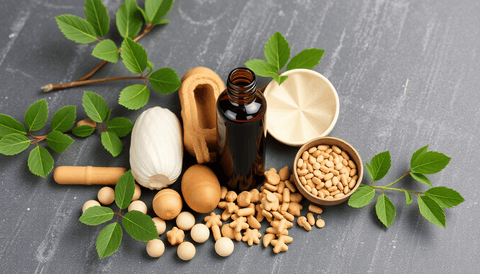
Many adults experience fatigue, mood changes, or disrupted sleep and wonder whether their hormones are to blame. This growing interest has fueled demand for organic hormone supplements—plant-based and nutrient-focused products marketed to support hormonal balance naturally. In this guide, you will learn what these supplements actually are, how they may interact with the endocrine system, which lifestyle factors influence hormone health, and how to evaluate quality and safety. You will also find clear guidance on when diet changes may be enough, when supplementation could be worth considering, and when professional testing or medical advice is the more appropriate first step.
What Are Organic Hormone Supplements and How Do They Work?
Defining “Organic” in the Context of Hormone Supplements
“Organic” on a supplement label refers to how ingredients were grown and processed—without synthetic pesticides, herbicides, or fertilizers—typically verified by a recognized organic certification. It does not mean the product contains hormones, nor does it guarantee effectiveness. In the context of hormone support, organic supplements usually consist of certified-organic herbs, plant extracts, vitamins, and minerals intended to support the body's own hormonal processes rather than alter them directly.
The Difference Between Organic, Natural, and Synthetic Hormone Products
These terms are often confused. “Organic” is a regulated farming and production standard. “Natural” is a loosely used marketing term with little regulatory meaning—it can describe almost anything derived from a natural source. “Synthetic” describes compounds produced in a laboratory, which may be chemically identical to natural versions. Importantly, some products marketed for hormone health may contain biologically active hormone-like compounds; these differ significantly from nutritional supplements and should only ever be used under medical supervision.
How Plant-Based Supplements Interact With the Endocrine System
The endocrine system is a network of glands—such as the thyroid, adrenals, and ovaries or testes—that release hormones regulating metabolism, mood, sleep, reproduction, and stress responses. Plant compounds can influence this system in several ways. Adaptogenic herbs like ashwagandha have been studied for their potential effects on cortisol, the body's primary stress hormone. Phytoestrogens found in plants can weakly bind estrogen receptors. Certain minerals, such as zinc and selenium, are involved in normal hormone synthesis and thyroid function. These interactions are generally subtle, and research evidence varies considerably from one ingredient to another.
Understanding Hormonal Balance and Its Role in Daily Health
Key Hormones Impacted by Diet, Stress, and Lifestyle
Several hormones respond noticeably to daily habits. Cortisol follows a daily rhythm and rises with chronic stress. Insulin responds to food intake and blood sugar patterns. Thyroid hormones depend on nutrients such as iodine, selenium, and zinc. Sex hormones like estrogen, progesterone, and testosterone are influenced by body weight, sleep quality, alcohol intake, and physical activity. Melatonin, which governs sleep timing, is highly sensitive to light exposure and evening routines.
The Science of Endocrine Disruption and Environmental Exposure
Some environmental chemicals—certain plastics additives, pesticides, and industrial compounds—have been identified as potential endocrine disruptors, meaning they may interfere with hormone signaling. Research in this area is evolving, and the real-world impact of typical exposure levels remains an active field of study. Practical steps such as reducing plastic food contact, choosing fresh whole foods, and limiting exposure where reasonable may be sensible, though the evidence base for specific interventions is still developing.
Why Diet and Lifestyle Come First When Supporting Hormone Health
Hormones are built from nutrients, regulated by sleep and stress, and influenced by energy balance. No supplement can compensate for chronic sleep deprivation, a highly processed diet, or unmanaged stress. Establishing consistent sleep, balanced meals, regular movement, and stress management creates the foundation upon which any supplement would need to work—and for many people, these changes alone meaningfully improve how they feel.
Common Signs Your Hormones May Be Out of Balance
Low Energy, Fatigue, and Sleep Disturbances
Persistent tiredness, difficulty falling or staying asleep, and waking unrefreshed are among the most commonly reported complaints associated with hormonal changes. These can relate to cortisol rhythm disruption, thyroid function, or shifts in progesterone and testosterone. However, they are also classic symptoms of poor sleep habits, iron deficiency, depression, and many other conditions.
Mood Swings, Brain Fog, and Libido Changes
Fluctuations in mood, difficulty concentrating, and reduced libido are frequently reported during perimenopause, postpartum, and periods of high stress. Estrogen and testosterone both influence brain function and sexual health, so age- and life-stage-related shifts can be noticeable.
Weight Fluctuations and Digestive Issues
Unexplained weight gain or loss, bloating, and changes in digestion can sometimes accompany hormonal shifts, since hormones influence metabolism, fluid balance, and gut motility. Insulin resistance and thyroid changes are common contributing factors.
Why These Symptoms Alone Do Not Confirm a Hormone Imbalance
Every symptom above is non-specific—dozens of conditions, and many ordinary lifestyle factors, can produce the same experiences. Assuming a hormonal cause without testing can lead to unnecessary supplementation while the actual issue, such as a thyroid disorder, anemia, or sleep apnea, goes unaddressed. Blood tests and clinical evaluation remain the only reliable way to establish hormonal status.
What Causes Hormonal Imbalances?
Chronic Stress and Elevated Cortisol Levels
The stress response is designed for short bursts. When stress becomes chronic, sustained cortisol elevation can disrupt sleep, appetite regulation, and the production of sex hormones, since the body prioritizes stress adaptation over reproductive function. This is one of the most well-established lifestyle-hormone connections.
The Impact of Processed Diets and Nutrient Gaps
Hormone synthesis requires adequate protein, healthy fats, and micronutrients. Diets high in ultra-processed foods and low in whole foods can fall short in minerals such as zinc, magnesium, selenium, and iodine—all involved in normal endocrine function. Chronic under-eating or very low-fat dieting can also affect sex hormone production.
Age-Related Hormonal Shifts in Men and Women
Women experience perimenopause and menopause, marked by declining estrogen and progesterone. Men experience a more gradual decline in testosterone, sometimes called andropause, typically from around age 40 onward. These shifts are normal physiology, not diseases, though their symptoms can be disruptive.
The Role of Gut Health and the Microbiome
The gut microbiome influences hormone metabolism, including the recycling and excretion of estrogens—a connection sometimes called the estrobolome. Gut dysbiosis, constipation, or inflammatory gut conditions may affect how hormones are processed. Research here is promising but still emerging.
How Certain Medications and Health Conditions Influence Hormone Levels
Corticosteroids, hormonal contraceptives, thyroid medications, opioid pain relievers, and some antidepressants can influence hormone levels or their regulation. Conditions including polycystic ovary syndrome (PCOS), diabetes, thyroid disease, and pituitary disorders directly affect endocrine function. Anyone taking regular medication or managing a chronic condition should discuss supplements with a healthcare provider first.
Why Hormone Needs Vary From Person to Person
Age, Sex, and Life Stage Considerations
Nutritional needs relevant to hormone health shift across life. Iron needs are higher in menstruating women; iodine requirements increase during pregnancy; magnesium needs may rise with age. Life stage, not just age, determines what is most relevant.
The Influence of Genetics and Individual Absorption
Genetic variation affects how individuals metabolize hormones, process phytoestrogens, and absorb nutrients. Gastrointestinal conditions such as celiac disease or low stomach acid can reduce absorption of key minerals. This is one reason a supplement that works well for one person may do little for another.
Lifestyle, Physical Activity, and Environmental Factors
Intense exercise, night-shift work, alcohol consumption, smoking, and sunlight exposure all influence hormonal rhythms. Athletes may face energy availability issues that suppress sex hormones; shift workers often have disrupted cortisol and melatonin cycles.
Natural Ways to Support Hormone Balance Through Food and Habits
Key Nutrients for Hormone Production and Regulation
Several nutrients play documented roles in normal endocrine function: iodine for thyroid hormone synthesis, selenium for thyroid hormone conversion, zinc for testosterone and insulin function, magnesium for stress response and sleep, and vitamin D, which functions partly like a hormone itself. Adequate protein and healthy fats are also essential building blocks.
Foods That Support Liver Detoxification and Hormone Clearance
The liver metabolizes and clears used hormones. Cruciferous vegetables (broccoli, cauliflower, kale), leafy greens, adequate protein, and sufficient fiber all support these natural processes. Rather than “detox” products, simply eating enough fiber and whole foods supports hormone clearance effectively.
Phytoestrogens in Diet: Friend or Foe?
Phytoestrogens—found in soy, flaxseed, and legumes—weakly interact with estrogen receptors. Research generally suggests moderate dietary intake is safe and may be associated with benefits such as reduced menopausal hot flushes in some studies, despite early concerns. People with hormone-sensitive medical conditions should consult their doctor about individual considerations.
The Role of Consistent Sleep, Exercise, and Stress Management
Sleep is when much hormonal regulation occurs; even one week of restricted sleep measurably affects insulin sensitivity and cortisol. Resistance and moderate aerobic exercise support insulin sensitivity and healthy testosterone levels. Practices like meditation, breathing exercises, and time outdoors help regulate the stress response. For more on managing stress nutritionally, some readers explore ashwagandha supplements, one of the more studied adaptogens.
Do You Need Supplements for Hormonal Support?
When Dietary Intake May Not Be Enough
Supplementation becomes relevant when dietary intake is genuinely inadequate—such as limited sun exposure for vitamin D, vegetarian or vegan diets lacking iodine or zinc, or restricted calories. It may also be relevant when requirements increase due to stress, pregnancy, or age-related changes.
Nutrients Commonly Associated With Hormone Function
The most evidence-supported nutrients for hormone-related nutritional support include vitamin D, magnesium, zinc, selenium, iodine, and B vitamins. A quality multivitamin and mineral guide can help you compare options when a broad nutritional gap exists. These support normal physiological function; they do not alter hormone levels beyond restoring adequate status.
Herbal Extracts and Plant Compounds Used in Hormone Support
Commonly used botanicals include ashwagandha (studied for cortisol and stress-related effects), black cohosh and red clover (studied in menopausal symptom research), maca, and chaste tree (vitex). Evidence strength varies: ashwagandha has moderate supporting research for stress markers, while evidence for others is more limited or mixed. Explore the broader category of herbal supplements, traditional use, and safety to understand sourcing and safety considerations before choosing botanicals.
The Difference Between Nutritional Support and Treating a Medical Condition
Supplements can fill nutritional gaps and support normal physiological function. They cannot diagnose, treat, or cure endocrine disorders such as hypothyroidism, PCOS, or clinically low testosterone, which require medical management. Confusing these categories delays proper care—a key distinction in responsible supplement use.
Situations Where Supplementation May Be Worth Considering
Busy Lifestyles, Restricted Diets, and Poor Nutrient Intake
Skipped meals, frequent convenience foods, elimination diets, or chronic dieting can create genuine nutrient gaps relevant to endocrine function. In these situations, targeted supplementation is a reasonable bridge—not a permanent substitute for dietary improvement.
Increased Nutritional Demands During Stressful Periods
Prolonged stress increases turnover of magnesium and B vitamins, and disrupted sleep raises oxidative demands. Some research suggests stress periods may be associated with greater nutrient needs, though individual responses vary. Supporting the stress response nutritionally, alongside lifestyle measures, is where adaptogens and minerals are most often considered.
Age-Related Decline in Hormone Production
While declining hormone production with age is normal, nutritional status still matters for how well the endocrine system functions. Older adults also absorb some nutrients less efficiently, making adequate vitamin D, B12, and magnesium intake more important.
When Laboratory Testing or Professional Assessment Is Recommended
If symptoms are persistent or significantly affect daily life, testing is preferable to guessing. Thyroid panels, iron studies, vitamin D status, and hormone tests ordered by a physician provide objective data. Self-diagnosing from symptoms and selecting high-dose supplements independently can be ineffective at best and harmful at worst.
How to Choose a High-Quality Organic Hormone Supplement
What to Look for in a Supplement Label
A quality label states the exact active ingredient, its amount per serving, the plant part and extract ratio for botanicals (e.g., 10:1 extract), and full allergen information. Vague “proprietary blends” that hide individual doses are a significant drawback.
Whole-Food Extracts vs. Isolated Nutrients and Bioavailability
Whole-food-based products contain nutrients within a food matrix, which some people prefer and may find gentler on digestion. Isolated nutrients allow precise dosing and are often better studied. Evidence on whether whole-food forms are consistently better absorbed is limited; both can be legitimate depending on the nutrient and individual tolerance.
Single-Ingredient Formulas vs. Blended Hormone Complexes
Single-ingredient products make it easy to adjust dose, identify what works, and avoid unnecessary ingredients. Blended complexes offer convenience but make it harder to determine which component matters and increase the chance of exceeding safe intakes of any single nutrient. Beginners often benefit from starting simpler.
Capsules, Tinctures, and Powders: Which Delivery Form Suits You?
Capsules offer convenience and precise dosing; tinctures allow flexible dosing and faster absorption but may contain alcohol; powders suit larger doses but require measuring and consistent use. Choose based on your routine—the best form is the one you will take consistently.
Third-Party Testing, Certifications, and Purity Standards
Because supplement regulation is limited, independent verification matters. Look for third-party testing seals, GMP (Good Manufacturing Practice) certification, and recognized organic certification logos. These indicate the product contains what it claims without problematic contaminant levels.
Avoiding Hidden Fillers, Additives, and Allergens
Check for unnecessary fillers, artificial colors, titanium dioxide, and common allergens such as gluten, soy, or dairy if you have sensitivities. Certified organic products still vary in purity, so reading the full ingredient list remains essential.
How to Read and Interpret Organic Supplement Labels
Understanding Ingredient Names and Concentrations
Botanical labels may list both the plant name and a standardized extract with a specified concentration of an active compound. Understanding this distinction helps you compare products that appear similar but differ in strength.
Serving Size vs. Active Amount Per Serving
A label may advertise 500 mg of an ingredient, but if the serving size is two capsules, each capsule contains 250 mg. Always check the stated serving size before comparing doses between products.
What “Organic” on the Label Really Guarantees
An organic seal guarantees farming and processing standards—not potency, purity from heavy metals, or clinical effectiveness. Organic certification is one quality marker among several, not a complete quality assessment on its own.
Red Flags to Look Out For in Hormone Supplement Products
Be cautious with products claiming to “balance hormones” for everyone, promising rapid results, containing proprietary blends without doses, using hormone-related disease claims, or lacking manufacturer contact details. Products marketed as containing actual hormones sold over the counter warrant particular caution and should be avoided without medical guidance.
Who May Benefit From Organic Hormone Supplements?
Adults With Documented or Suspected Nutrient Gaps
People with confirmed low vitamin D, magnesium, zinc, or iodine intake may benefit from targeted nutritional support as part of an overall strategy, ideally guided by test results.
Individuals Experiencing High Chronic Stress
Those under sustained stress who also report poor sleep and fatigue may reasonably consider nutrients and adaptogens alongside—never instead of—lifestyle interventions. Ashwagandha and magnesium are among the most commonly studied options in this context.
People Going Through Age-Related Hormonal Changes
Adults in perimenopause, menopause, or middle age experiencing bothersome changes may find nutritional support useful as a complement, while recognizing that significant symptoms warrant medical evaluation, including a discussion of hormone therapy options with a physician.
When Supplements Are Not the Right First Step
Supplements are not the right starting point when symptoms are severe, sudden, or worsening; when pregnancy or breastfeeding is involved; when taking interacting medications; or when a proper diagnosis has never been established. In these cases, professional assessment comes first.
Safety, Side Effects, and Interactions of Hormone Supplements
Upper Limits and Risks of Over-Supplementation
More is not better. Excess selenium can cause toxicity; too much iodine can impair thyroid function; high-dose zinc over time can cause copper deficiency. Respect established upper intake levels and avoid stacking multiple products containing the same nutrients.
Possible Interactions With Medications and Other Conditions
Herbal hormone-support products can interact with medications: ashwagandha may affect thyroid medication and sedatives; black cohosh has been linked in rare reports to liver concerns; phytoestrogens may be relevant for people on hormone-sensitive cancer treatments. Always disclose supplements to your doctor and pharmacist.
Precautions for Pregnancy, Breastfeeding, and Chronic Illness
Most herbal hormone-support supplements are not established as safe during pregnancy or breastfeeding and should be avoided unless a healthcare provider approves them. People with thyroid disease, hormone-sensitive conditions, kidney or liver disease, or autoimmune disorders should seek medical guidance before use.
How to Decide if an Organic Hormone Supplement Is Right for You
Questions to Ask Before Buying a Supplement
- Have I identified a specific nutrient gap or a specific reason for this product?
- Is my diet, sleep, and stress management already reasonably optimized?
- Do I know the exact dose and form of each active ingredient?
- Am I taking any medications or managing any conditions that could interact?
- Is the product third-party tested and clearly labeled?
When to Prioritize Food and Lifestyle Changes First
If your sleep is irregular, meals are inconsistent, or movement is minimal, addressing these basics first is more effective and less costly. Many people find that improving these foundations for 6–8 weeks changes how they feel substantially—before any supplement is needed.
Signs You Should Speak With a Doctor or Hormone Specialist
Seek medical evaluation for unexplained rapid weight change, extreme fatigue, significant menstrual changes, fertility concerns, hair loss, persistent low mood, or any symptom that is severe or progressive. An endocrinologist or primary care physician can order appropriate testing and rule out conditions requiring treatment.
Final Takeaway: Supporting Hormone Health Naturally
Hormonal health rests on everyday foundations: nutrient-dense food, consistent sleep, regular movement, and stress management. Organic hormone supplements can play a supporting role when genuine nutrient gaps or life-stage demands exist, but they are not a shortcut past lifestyle basics and never a substitute for diagnosing or treating endocrine conditions. Individual needs vary widely by age, sex, diet, and health status, so thoughtful self-assessment—ideally informed by testing where symptoms persist—beats guesswork. If you do choose to supplement, prioritize transparent labeling, third-party testing, and appropriate doses, and loop in a healthcare professional whenever medications, chronic conditions, pregnancy, or persistent symptoms are involved.
Key Takeaways
- “Organic” on a supplement label refers to how ingredients were grown and certified, not to guaranteed effectiveness or hormone content.
- Plant-based supplements may modestly influence endocrine function, but evidence varies considerably between ingredients.
- Common symptoms like fatigue, mood changes, and sleep issues are non-specific and do not confirm a hormone imbalance without testing.
- Chronic stress, processed diets, age-related shifts, gut health, and certain medications all influence hormonal balance.
- Well-studied nutrients for hormone-related support include vitamin D, magnesium, zinc, selenium, iodine, and B vitamins.
- Adaptogens such as ashwagandha have moderate research support for stress-related effects; evidence for many other botanicals is more limited.
- Diet, sleep, exercise, and stress management should come first; supplements fill gaps rather than replace foundations.
- Quality supplements show exact doses per serving, avoid proprietary blends, and carry third-party testing and recognized certifications.
- Over-supplementation carries real risks—selenium, iodine, and zinc can cause harm at excessive intakes.
- Professional testing and medical advice are the right first step for persistent, severe, or worsening symptoms, and during pregnancy or medication use.
Frequently Asked Questions
What are organic hormone supplements?
They are certified-organic supplements—typically herbs, vitamins, and minerals—marketed to support the body's natural hormonal processes. They do not contain actual hormones and are intended as nutritional or botanical support rather than hormone therapy.
Do hormone supplements actually contain hormones?
Legitimate supplements sold as nutritional products should not contain biologically active hormones; that would classify them differently and often illegally. Products claiming to contain real hormones sold over the counter should be avoided without medical supervision.
Can supplements fix a hormonal imbalance?
Supplements can help correct nutrient deficiencies that affect endocrine function, but they cannot treat medical hormone disorders such as hypothyroidism or PCOS. Those conditions require diagnosis and management by a healthcare provider.
Which nutrients are most important for hormone health?
Vitamin D, magnesium, zinc, selenium, iodine, and B vitamins all play documented roles in normal endocrine function. Adequate protein and healthy fats are equally essential as hormonal building blocks.
What foods support hormone balance?
Whole foods including cruciferous vegetables, leafy greens, fatty fish, eggs, legumes, nuts, seeds, and adequate fiber support hormone production and clearance. A varied whole-food diet generally covers more than any supplement.
How long do hormone supplements take to work?
Correcting a nutrient deficiency may take weeks to a few months, depending on the nutrient and starting status. Herbal supplements studied for stress effects typically show results over several weeks in research settings—but if nothing changes within two to three months, reassess with professional input.
Are phytoestrogens safe?
Research generally supports moderate dietary intake of phytoestrogens from soy, flaxseed, and legumes as safe for most people, and some studies associate them with modest menopausal symptom relief. People with hormone-sensitive conditions should discuss intake with their doctor.
Can I take hormone supplements while on birth control?
Nutritional supplements generally do not interfere with hormonal contraceptives, but some herbs may interact with medications or affect thyroid function. Check with a pharmacist or doctor before combining any herbal product with prescription medication.
What is the difference between ashwagandha and other hormone herbs?
Ashwagandha is classified as an adaptogen and has been studied mainly for cortisol and stress-related effects, with moderate supporting research. Herbs like black cohosh and chaste tree have been studied for menopausal and menstrual symptoms respectively, but with more mixed or limited evidence.
Can you take too much of a hormone-support supplement?
Yes. Excess selenium, iodine, or zinc can cause toxicity or disrupt thyroid and other functions, and stacking multiple products increases this risk. Follow label doses and avoid combining products with overlapping nutrients.
Should I get tested before taking hormone supplements?
If you have persistent symptoms, testing is more informative than guessing—thyroid panels, vitamin D, iron, and hormone tests can reveal what actually needs attention. Testing is particularly important before high-dose supplementation of iodine or selenium.
Are organic supplements safer than non-organic ones?
Organic certification addresses farming and processing standards, reducing synthetic pesticide residues, but it does not guarantee purity, potency, or safety overall. A non-organic product with third-party testing may be higher quality than an uncertified organic one.
Related Keywords
- organic hormone supplements
- natural hormone balance supplements
- adaptogenic herbs for cortisol
- ashwagandha for stress and hormones
- vitamins for hormonal balance
- plant-based endocrine support
- phytoestrogens and menopause
- magnesium for sleep and stress
- zinc and thyroid function
- organic herbal supplements for women
- hormone support through diet
- signs of hormonal imbalance
- best organic adaptogen supplements
- liver detox and hormone clearance