Organic Vitamin D Supplements: Plant-Based D3 Guide


Understanding Organic Vitamin D Supplements

Organic vitamin D supplements are products formulated with vitamin D3 that is derived from plant-based sources, most commonly lichen, and produced according to organic-certified standards. They are typically designed for people following vegan, vegetarian or clean-label lifestyles who prefer a supplement that avoids animal-derived ingredients such as lanolin, which is commonly used in conventional vitamin D3. The term "organic" in this context usually refers to the certification of the ingredient sourcing and manufacturing process, rather than to vitamin D being an organic compound in the chemical sense. These supplements may appeal to readers who are comparing options and want to understand what distinguishes plant-based D3 from other forms.

Key Features of Organic Vitamin D Supplements

Organic vitamin D supplements often emphasize specific quality and formulation characteristics. These may include vegan certification, non-GMO status, organic certification, the absence of artificial fillers or additives, and manufacturing in facilities that follow good manufacturing practice (GMP) guidelines. Many brands also highlight third-party testing for purity and potency. The vitamin D3 itself is frequently sourced from lichen, a plant-like organism that produces vitamin D when exposed to ultraviolet light. Because vitamin D3 is traditionally derived from animal sources, lichen-based D3 is a notable alternative for those seeking plant-based options. Capsule formats are common, though drops, sprays and softgels may also be available. Packaging may use recyclable or sustainable materials, reflecting a broader clean-label and environmental approach.

Choosing an Organic Vitamin D Supplement

When comparing organic vitamin D supplements, readers may wish to consider several broad factors. These include the vitamin D form (D3 versus D2), the source of the D3, the presence of organic and vegan certifications, the ingredient list, and whether the product has been third-party tested. It is also important to check the label for the amount of vitamin D per serving and to follow the recommended usage instructions provided by the manufacturer. As with any supplement, individual needs can vary, and factors such as diet, lifestyle, sun exposure and health status may influence vitamin D requirements. For personalized guidance, consulting a qualified healthcare professional is advisable. This tag page provides a starting point for exploring the topic, while more specific questions about dosage, interactions or particular health conditions are better addressed in dedicated articles or with a healthcare provider.

What is the best natural vitamin D? - Topvitamine
Oct 29, 2025
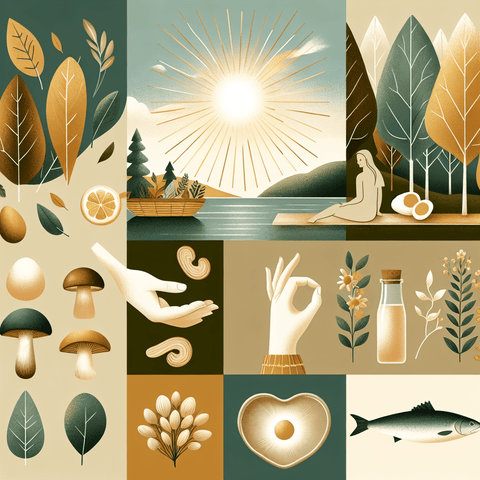
Understanding Natural Vitamin D: From Sunlight to SupplementsVitamin D, often called the “sunshine vitamin,” is a fat-soluble nutrient that the body produces when skin is exposed to ultraviolet B (UVB) rays. It is also found in certain foods and supplements. Natural vitamin D comes in two main forms: vitamin D3 (cholecalciferol), which is produced in the skin and found in animal-based foods as well as lichen, and vitamin D2 (ergocalciferol), which is often sourced from mushrooms. The most natural form of vitamin D is that which the body synthesizes from sun exposure, but for many people, supplements can be a practical way to maintain healthy levels. When choosing a supplement, look for vitamin D3, which is up to three times more effective at raising and maintaining vitamin D levels compared to D2, and check for sourcing that aligns with your preferences, such as lanolin (from sheep’s wool) or vegan lichen.Natural Sources of Vitamin D: Food, Sunlight, and Holistic HabitsA holistic approach to vitamin D includes regular, moderate sun exposure, consuming vitamin D-rich foods, and maintaining habits that support overall health. Sun exposure of about 10 to 30 minutes of midday sun several times a week can help many people produce sufficient vitamin D, though factors like skin tone, latitude, season, and sunscreen use affect this. Among foods, fatty fish such as salmon, mackerel, and sardines provide some of the highest amounts of naturally occurring vitamin D, along with egg yolks and cod liver oil. Since vitamin D is fat-soluble, eating these foods with healthy fats like olive oil or avocado can improve absorption. Lifestyle choices such as regular outdoor activity can also support natural vitamin D synthesis, while excessive indoor living and high-SPF sunscreen use can reduce UVB exposure.How to Choose the Best Natural Vitamin D Supplement for YouWhen selecting a natural vitamin D supplement, consider form, sourcing, and purity. Vitamin D3 (cholecalciferol) is the preferred form because it is more bioavailable and longer-lasting than vitamin D2. Natural D3 can be derived from lanolin or, for vegan options, from lichen. Non-synthetic supplements avoid artificial additives and often feature clean labels with organic carrier oils and third-party testing. Look for certifications such as USDA Organic or Certified Vegan, and consider supplements that pair vitamin D with cofactors like vitamin K2 or magnesium for more complete support. For those on plant-based diets, lichen-derived D3 offers a vegan-friendly alternative that is comparable in efficacy. Always check labels for sourcing transparency and purity standards, and consult a healthcare professional if you have health conditions or are taking medications that could interact with vitamin D supplementation.

Organic vitamin D supplements are a category of vitamin D products that emphasize plant-based sourcing, organic certification and clean-label manufacturing. They are often chosen by people following vegan or vegetarian diets, or by those who prefer to avoid conventional animal-derived ingredients such as lanolin. This page provides a broad overview of what organic vitamin D supplements are, how they differ from other vitamin D products, and what to consider when comparing options.

What Are Organic Vitamin D Supplements?

"Organic vitamin D supplements" generally refers to vitamin D products that are made with organically certified ingredients and may also carry vegan and non-GMO certifications. The term "organic" in this context typically describes the agricultural and manufacturing standards used for the ingredients, rather than the chemical nature of vitamin D itself. Vitamin D is a fat-soluble vitamin that exists in several forms, with D2 (ergocalciferol) and D3 (cholecalciferol) being the most common in supplements.

Most conventional vitamin D3 supplements are derived from lanolin, a substance obtained from sheep's wool. Organic vitamin D supplements that are also vegan typically use vitamin D3 sourced from lichen, a plant-like organism that produces vitamin D when exposed to ultraviolet light. This makes lichen-based D3 a plant-based alternative for those seeking a vegan-friendly option.

Why People Choose Organic Vitamin D Supplements

There are several reasons why someone might look for organic vitamin D supplements:

  • Vegan and vegetarian lifestyles: Avoiding animal-derived ingredients is a primary motivation for choosing lichen-based D3.
  • Clean-label preferences: Some consumers prefer products with simple ingredient lists, no artificial fillers or additives, and transparent sourcing information.
  • Organic certification: Products that carry organic certification may appeal to those who value organic standards in their supplements.
  • Environmental considerations: Some brands emphasize sustainable sourcing and recyclable packaging, which may align with broader sustainability values.

Common Forms and Features

Organic vitamin D supplements are available in several formats. Capsules are common, but drops, sprays and softgels may also be found. The vitamin D3 content is typically derived from lichen for vegan products. Many brands highlight the following features:

  • Vegan certification: Indicates no animal-derived ingredients.
  • Non-GMO: Made without genetically modified organisms.
  • Organic certification: Ingredient sourcing and processing meet organic standards.
  • GMP-certified manufacturing: Produced in facilities following good manufacturing practices.
  • Third-party testing: Some brands test for purity and potency.
  • No artificial fillers or additives: Simple, transparent ingredient lists.

How to Compare Organic Vitamin D Supplements

When comparing organic vitamin D supplements, consider the following factors:

  • Vitamin D form: D3 (cholecalciferol) is the form most commonly used in supplements; D2 (ergocalciferol) is another option. Lichen-based D3 is plant-derived.
  • Source of D3: For vegan products, confirm that the D3 is lichen-derived.
  • Certifications: Look for organic, vegan and non-GMO certifications if these matter to you.
  • Ingredient list: Check for unnecessary fillers, artificial colors or preservatives.
  • Third-party testing: Some brands provide certificates of analysis or state that products are third-party tested.
  • Dosage and serving size: Follow the label instructions. Individual needs may vary.

Practical Considerations

Vitamin D is a fat-soluble vitamin, so it is often recommended to take supplements with a meal containing some fat to aid absorption. However, individual instructions may vary, so always refer to the product label. If you are taking medication or have a health condition, consult a healthcare professional before starting any new supplement. Vitamin D requirements can depend on factors such as age, sun exposure, skin tone, diet and overall health status.

For broader context on vitamin D, including its roles in the body and dietary sources, you can explore our vitamin D benefits, sources and safety collection. If you are interested in other plant-based supplement options, our natural supplements category may be helpful. For those building a comprehensive routine, our multivitamins guide provides an overview of combined formulations.

Exploring Further

This tag page is intended as a starting point for understanding organic vitamin D supplements. More specific topics—such as choosing between vitamin D2 and D3, understanding dosage, potential interactions with medications, or vitamin D's role in particular health conditions—are better addressed in dedicated articles. You can browse the articles tagged below for deeper dives into these and related subjects.