Organic vitamins are dietary supplements made from ingredients grown and processed without synthetic pesticides, fertilizers, or genetic modification, and interest in them has grown as more people seek cleaner, more recognizable ingredient lists. This guide explains what organic vitamins actually are, how they differ from synthetic options, and why vitamins matter for energy, immunity, and everyday health. You will also learn which foods supply key nutrients, which signs may suggest low intake, when supplementation may be worth considering, how to evaluate product quality, and what safety considerations to keep in mind — so you can make an informed choice based on your own diet, lifestyle, and individual needs.
Introduction: Why Organic Vitamins Deserve a Closer Look
More consumers are reading labels, questioning additives, and looking for supplements that align with how they eat. Organic vitamins sit at the intersection of that trend and a genuine nutritional question: does the source of a nutrient matter, and when do vitamins matter at all? The honest answer is nuanced. Organic certification describes how ingredients were farmed and processed — it does not automatically make a product more nutritious or more effective. What it can offer is transparency, tighter ingredient standards, and products that fit plant-based or whole-food-oriented lifestyles. Understanding the terminology, the science, and your own nutritional gaps is more valuable than any label claim, and this article walks through each step of that evaluation.
What Are Organic Vitamins? A Clear Definition
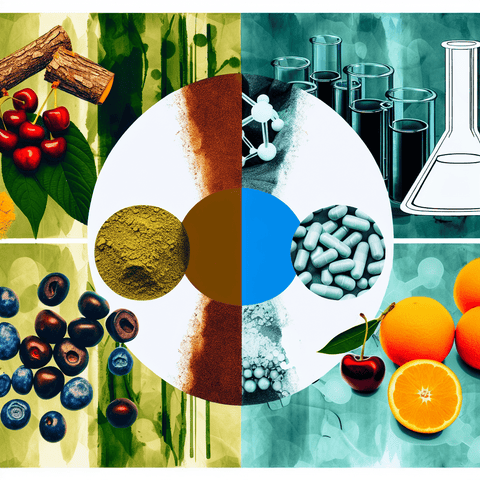
Organic vitamins are vitamins derived from, or formulated with, ingredients that carry organic certification. In practice, this means the source plants were grown without synthetic pesticides or fertilizers, without genetic modification, and processed according to recognized standards such as USDA Organic in the United States or the EU organic logo in Europe. It is worth being precise about what this does and does not mean. Chemically, a vitamin is defined by its molecular structure — vitamin C is vitamin C whether it was isolated from acerola cherries or produced by fermentation. Organic certification speaks to the farming and manufacturing standards behind the ingredient, not to a different nutrient molecule.
Organic Vitamins vs. Synthetic Vitamins: What's the Difference?
Synthetic vitamins are produced in laboratories, typically through chemical synthesis or microbial fermentation. Many are molecularly identical to their food-derived counterparts — synthetic ascorbic acid, for example, is chemically the same as naturally sourced vitamin C. Other nutrient forms do differ in meaningful ways. Natural vitamin E (d-alpha-tocopherol) is retained by the body more efficiently than the synthetic dl-alpha form, and some B-vitamin forms, such as methylcobalamin versus cyanocobalamin, have different absorption and metabolic characteristics.
Whole-food and organic formulas often pair nutrients with food concentrates, which may include naturally occurring co-factors such as bioflavonoids or other plant compounds. Whether this translates into consistently better absorption is not firmly established; the evidence is limited and mixed, and it varies by nutrient. The most defensible position is that the specific nutrient form matters more than the organic versus synthetic label alone.
Whole-Food, Plant-Based, and Natural: Sorting Out the Terminology
These terms are often used interchangeably but mean different things:
- Organic refers to a legally defined certification covering farming and processing standards.
- Whole-food describes nutrients derived from concentrated foods rather than isolated synthetic sources, sometimes with accompanying food co-factors.
- Plant-based indicates the nutrient source is botanical, which matters for vegans and vegetarians.
- Natural is largely an unregulated marketing term and, on its own, tells you very little about quality.
Checking which of these claims a product actually makes — and whether certification logos back them up — is a far more reliable guide than the word "natural" on the front of a bottle.
Why Vitamins Matter for Energy, Immunity, and Everyday Health
The Essential Roles Vitamins Play in the Body
Vitamins are essential micronutrients: the body cannot produce most of them in sufficient amounts, so they must come from food or, where needed, supplements. Each has distinct roles. B vitamins support energy metabolism and nervous system function. Vitamin C contributes to immune cell function and collagen formation, while vitamin D is involved in immune regulation, muscle function, and bone health. Vitamins C and E act as antioxidants, helping protect cells from oxidative stress. Vitamin K supports normal blood clotting and bone metabolism, vitamin A contributes to vision and cell growth, and folate is essential for cell division — a reason it is emphasized during pregnancy.
When intake is chronically low, these systems can be affected over time. That is why adequate vitamin intake is a foundation of everyday health rather than an optimization strategy layered on top of an already-poor diet.
Signs You May Not Be Getting Enough Vitamins
Everyday Signs Often Associated With Low Vitamin Intake
Low intake of certain vitamins has been associated with general, everyday complaints such as persistent tiredness, catching infections frequently, slow wound healing, dry or dull skin, brittle hair and nails, muscle cramps, easy bruising, or reduced night vision. These signs are worth noting, particularly if several appear together or persist for weeks.
Why Symptoms Alone Can't Confirm a Deficiency (and When Blood Testing Helps)
The difficulty is that none of these signs is specific. Fatigue can stem from sleep, stress, thyroid issues, or simply a demanding schedule; brittle nails can have non-nutritional causes. Symptoms alone therefore cannot confirm a deficiency, and they certainly cannot tell you which nutrient — or what dose — you need. For several nutrients, validated blood tests exist: vitamin D status, vitamin B12, folate, and iron markers can all be measured clinically. If you suspect a deficiency, testing and professional assessment provide far more reliable information than guessing, and they protect you from unnecessarily high doses.
What Causes Low Vitamin Levels? Diet, Lifestyle, and Other Risk Factors
Dietary Patterns That Often Fall Short of Nutrient Needs
The most common cause of low vitamin intake is straightforward: diets low in vegetables, fruit, legumes, and whole foods tend to fall short across multiple nutrients. Highly restrictive eating patterns can have the same effect when they are not carefully planned. Vegan and vegetarian diets deserve special mention for vitamin B12, which is found almost exclusively in animal-derived foods. Regular alcohol consumption can also interfere with the absorption and metabolism of several B vitamins.
Age, Medications, and Lifestyle Habits That Affect Absorption and Levels
Even a reasonable diet may not be enough when absorption or requirements change. Adults over 50 often absorb vitamin B12 less efficiently, and the skin produces less vitamin D with age. Common medications matter too: long-term metformin and acid-reducing drugs (proton pump inhibitors) are associated with lower B12 levels, and some diuretics affect mineral balance. Limited sun exposure lowers vitamin D status, smoking increases the body's need for vitamin C, and gastrointestinal conditions such as celiac disease or inflammatory bowel disease — as well as bariatric surgery — can substantially reduce nutrient absorption.
Why Vitamin Needs Differ From Person to Person
How Diet, Age, Genetics, and Lifestyle Shape Your Nutrient Requirements
Reference intakes, such as recommended daily amounts, are population-level averages designed to meet the needs of most healthy people. They are not personalized prescriptions. Individual requirements shift with age, sex, body size, pregnancy and breastfeeding, activity levels, sun exposure, alcohol intake, and gastrointestinal health. Genetics can play a role as well — variation in folate metabolism, for example, is an active area of research, though its practical implications for supplementation are still being clarified. Two people eating identical diets can have different nutrient statuses. This is why copying someone else's supplement routine is rarely the best approach, and why testing and professional guidance carry more weight than generic advice.
Food First: The Best Whole-Food Sources of Essential Vitamins
Top Whole-Food and Plant-Based Sources of Key Vitamins
For most people, a varied diet remains the most reliable way to meet vitamin needs:
- Vitamin A (as beta-carotene): carrots, sweet potatoes, kale, and other orange and dark-green vegetables
- Vitamin C: citrus fruits, bell peppers, strawberries, kiwi, and broccoli
- Vitamin D: fatty fish, egg yolks, and fortified foods — though food alone is often insufficient, which is why sunlight and, in some cases, supplementation matter
- Vitamin E: almonds, sunflower seeds, and olive oil
- Vitamin K: leafy greens such as kale, spinach, and broccoli
- B vitamins: whole grains, legumes, eggs, and dairy; vitamin B12 specifically comes from animal foods or fortified products
- Folate: leafy greens, lentils, and chickpeas
If you want to dig deeper into any single nutrient, our guide to vitamin D benefits, sources, and safety is a good example of how one vitamin's food, sun, and supplement picture fits together.
Simple Habits That Help Your Body Absorb More From Food
Absorption is where many diets quietly lose nutrients. Fat-soluble vitamins (A, D, E, and K) are absorbed better when eaten alongside some fat — dressing a salad with olive oil genuinely helps. Vitamin C enhances the absorption of the non-heme iron found in plant foods, which is why combining peppers or citrus with lentils or spinach works well nutritionally. Gentle cooking methods preserve more water-soluble vitamins than prolonged boiling, and simply eating a colorful, varied diet over the week tends to correct many gaps without any calculation at all.
Where Organic Vitamins Fit in a Balanced Wellness Routine
Common Types of Organic Vitamin Products: Multivitamins, Single Nutrients, and Food-Based Blends
Organic vitamin products generally fall into three categories. Multivitamins provide a broad spectrum of nutrients at moderate doses and suit people who want general coverage. Single-nutrient products, such as vitamin D or B12 on its own, allow targeted support when a specific gap has been identified. Food-based blends combine vitamins with concentrated fruit, vegetable, or plant powders to mimic a whole-food profile. If you are weighing the first option, our multivitamins guide covering ingredients, usage, and safety explains how to compare formulations without getting lost in marketing.
Support, Not Substitutes: What Supplements Can and Can't Do
Supplements are designed to fill gaps in an otherwise reasonable diet — not to compensate for it. No capsule offsets a consistently low intake of vegetables, fiber, and protein, and no supplement replaces medical care. Research consistently suggests that nutrients obtained through foods are associated with better health outcomes than isolated high-dose supplements, likely because foods deliver nutrients in balanced combinations alongside fiber and other compounds. A realistic role for organic vitamins is nutritional support on top of a solid dietary foundation.
When Supplementation May Be Worth Considering
Situations Where Diet Alone May Not Fully Meet Your Needs
Certain situations make supplementation genuinely relevant rather than optional. Pregnancy increases the need for folate and several other nutrients. A vegan or vegetarian diet typically requires attention to vitamin B12 and sometimes vitamin D, iron, zinc, and iodine. People with limited sun exposure, older adults, and those with malabsorption conditions or certain medication regimens may also fall short despite eating well.
General Nutritional Support vs. Addressing a Diagnosed Deficiency
These are two different purposes, and they call for different products. General nutritional support usually means moderate doses that approximate reference intakes — enough to complement the diet without overshooting. A diagnosed deficiency is a different matter entirely: a healthcare professional determines which nutrient is low, at what dose, for how long, and with what follow-up testing. Self-treating a suspected deficiency with high doses delays proper diagnosis and carries real risks, particularly with fat-soluble vitamins.
How to Choose a High-Quality Organic Vitamin Supplement
Nutrient Forms, Bioavailability, and Dosage: What to Compare
The nutrient form on the label tells you more about quality than the front-of-pack design. Vitamin D3 is generally preferred over D2 for raising blood levels; methylcobalamin and adenosylcobalamin are active forms of B12; natural-source vitamin E is better retained than the synthetic form. Bioavailability also depends on context — fat-soluble vitamins should be taken with a meal containing fat. For dosage, general support products should sit near established reference values; doses far above them are not automatically more effective and may approach upper safety limits.
Single Vitamins, Multivitamins, or Combination Formulas?
Match the format to your goal. A single vitamin suits a confirmed or well-supported specific need, such as B12 for vegans. A multivitamin suits broad, low-dose coverage. Combination formulas make sense where nutrients work together — vitamin D and K for bone support, or vitamin C alongside plant-based iron. Taking several overlapping products simultaneously is a common way people unintentionally exceed safe intakes, so total intake across all products should be checked.
Purity, Certifications, and Third-Party Testing
Look for evidence that goes beyond the label's promises. Legitimate organic certification (USDA Organic or the EU organic leaf) is verifiable. Third-party testing seals such as USP or NSF indicate that an independent laboratory has verified the contents. Manufacturing under good practices (GMP) adds another layer of assurance. Brands that publish test results and name their nutrient forms openly make your evaluation much easier.
Added Ingredients, Allergens, and Dietary Preferences
Scan the "other ingredients" list, not just the actives. Fillers, sweeteners, colors, and allergens such as gluten, soy, or dairy matter depending on your needs. Check that capsules are suitable for your diet — gelatin-based capsules are not vegetarian — and that any flavoring or sweetening in gummies fits your preferences and daily sugar budget.
Capsules, Tablets, Gummies, Powders, or Liquids: Choosing the Right Format
Format affects convenience more than efficacy in most cases. Capsules and tablets are stable and precise; powders mix flexibly but require accurate scooping; liquids suit people who struggle to swallow pills; gummies are palatable but typically contain lower nutrient doses and added sugars. The best format is ultimately the one you will take consistently at the right dose — an imperfect product you actually take beats a perfect one you skip.
How to Read an Organic Vitamin Label
Decoding Organic Claims: 100% Organic vs. Organic vs. Made With Organic Ingredients
Under USDA rules, "100% Organic" means every ingredient is certified organic. "Organic" requires at least 95% organic ingredients. "Made With Organic Ingredients" requires at least 70%, with the organic ingredients specifically identified. Products below 70% may only mention organic items in the ingredient list. In Europe, the EU organic logo carries comparable requirements. Learning these thresholds prevents a common mistake: assuming any product with the word "organic" on the label is fully organic.
The Supplement Facts Panel: Serving Sizes, Nutrient Forms, and % Daily Values
The panel tells you what you are actually getting. Check the serving size first — some products require two or three capsules per serving, which changes the real cost and the real dose. Look at how each nutrient is listed: the chemical form (for example, "cholecalciferol" for D3) and the percentage of the Daily Value. Compare those percentages against any other supplements you take, because %DV numbers are additive across products and upper limits apply to your total intake.
Marketing Buzzwords vs. Quality Indicators That Actually Matter
Terms like "natural," "pure," "premium," "clean," and "science-backed" are largely unregulated and say little about what is in the bottle. The indicators that carry real weight are certification logos you can verify, third-party testing seals, named nutrient forms, transparent dosing, and a manufacturer you can contact. If a label leans heavily on emotional language but offers no verifiable specifics, that itself is useful information.
Who May Benefit Most From Considering Organic Vitamins
People With Restricted Diets: Vegans, Vegetarians, and Food Allergies
Vegans and vegetarians eliminate or restrict the richest sources of several nutrients. Vitamin B12 is the clearest case — reliable intake requires fortified foods or supplements. Vitamin D, iron, zinc, iodine, and omega-3 fats also warrant attention on plant-based diets. Food allergies and intolerances can have a similar effect by excluding whole food groups; our vitamin B guide covering benefits, sources, and safety is a useful starting point for anyone whose diet limits B-vitamin intake.
Life Stages With Higher Needs: Pregnancy, Breastfeeding, and Adults Over 50
Pregnancy and breastfeeding raise requirements for folate, vitamin D, iodine, and other nutrients, and adequate folate before and during early pregnancy is well established for fetal development — which is why prenatal supplementation is standard medical advice rather than an optional extra. Adults over 50 often absorb B12 less efficiently and synthesize less vitamin D in the skin. In all of these life stages, dosing decisions are best made with a healthcare professional, because needs — and safe upper limits — differ from the general adult population.
Safety Considerations: Side Effects, Interactions, and Upper Limits
Can You Take Too Many Vitamins? Upper Limits and Possible Side Effects
Yes. Water-soluble vitamins are generally excreted when taken in excess, though very high doses of vitamin C can cause digestive upset and long-term high-dose vitamin B6 has been linked to nerve problems. Fat-soluble vitamins A, D, E, and K accumulate in the body, so sustained high doses are riskier: excessive vitamin A is toxic to the liver and is known to harm fetal development in pregnancy, and very high vitamin D intake over time can raise calcium levels dangerously. More is not better — exceeding recommended doses does not improve results and can cause harm.
Medication Interactions and When to Talk to a Healthcare Professional
Vitamins can interact with medications. Vitamin K directly affects warfarin dosing, vitamin E in higher doses can increase bleeding risk alongside blood thinners, and high-dose vitamin B6 has interacted with certain Parkinson's medications. Anyone who is pregnant or breastfeeding, has kidney or liver conditions, is preparing for surgery, or takes regular medication should discuss supplements with a doctor or pharmacist first — and mention every supplement they take, since interactions often come from the combined total rather than any single product.
Diet Changes or Supplements? How to Decide What's Right for You
When Improving Your Diet Alone May Be Enough
If your diet already includes a varied mix of vegetables, fruit, whole grains, legumes, and — unless you are plant-based — some animal or fortified foods, and you get reasonable sun exposure, additional supplementation may add little. In that case, tightening dietary habits, improving meal timing and fat pairing, and reassessing after a couple of months is a sensible first move. Supplementation works best as a targeted tool, not a default habit.
A Step-by-Step Approach to Deciding Whether — and What — to Supplement
- Review your diet honestly over a typical week, not an ideal one, and note which food groups are consistently missing.
- Close gaps through food first where it is practical — this is usually cheaper and comes with additional nutritional benefits.
- Identify your risk factors: restricted diet, age over 50, pregnancy or breastfeeding, limited sun exposure, regular medication use, or digestive conditions.
- Consider testing for nutrients with validated tests, such as vitamin D or B12, rather than guessing from symptoms.
- Discuss findings with a healthcare professional, especially before taking high doses or combining products.
- If you supplement, start with one targeted product at a moderate dose, choose a quality-certified option, and review whether it is still needed after a few months.
Frequently Asked Questions About Organic Vitamins
Are Organic Vitamins Worth the Higher Price?
It depends on what you value. Organic certification does not make a nutrient molecule more effective, but it does guarantee stricter farming and processing standards and often cleaner ingredient lists. If those factors matter to you, the premium may be justified. If your priority is purely nutritional value, compare nutrient forms, doses, and third-party testing instead — those factors influence quality more directly than the organic label.
What's the Best Time of Day to Take Vitamins?
Fat-soluble vitamins (A, D, E, and K) are best taken with a meal containing fat, which for most people means breakfast or lunch. B vitamins are often recommended earlier in the day because they support energy metabolism and may feel stimulating for some people. Consistency matters more than the exact hour — choose a time you can maintain daily.
Do Organic Vitamins Expire or Lose Potency?
Yes. Vitamins degrade over time, particularly when exposed to heat, light, and moisture, and every supplement carries an expiration date. Potency can decline gradually even before that date, so store products in a cool, dry place, keep containers sealed, and discard anything past its expiration rather than extending its use.
Are Organic Vitamins Better Absorbed Than Synthetic Vitamins?
Not necessarily. Some synthetic forms are molecularly identical to natural ones and are absorbed equally well, while a few nutrients — notably vitamin E — show better utilization from natural-source forms. Overall, the specific nutrient form listed on the label is a better predictor of bioavailability than whether the product is marketed as organic.
Which Vitamins Should Vegans Pay Special Attention To?
Vitamin B12 is the most critical, since it is found almost exclusively in animal foods. Vitamin D, iodine, iron, zinc, and the omega-3 fatty acids EPA and DHA also commonly need attention on fully plant-based diets. Fortified foods can cover some of these, and a healthcare professional can help prioritize based on your actual diet and, where relevant, test results.
Can You Take Too Many Vitamins at Once?
You can. Taking multiple supplements with overlapping nutrients can push total intake above safe upper limits, particularly for vitamin A, vitamin D, and vitamin B6. Check the %DV across every product you take daily, and avoid combining several high-dose supplements without professional guidance.
What's the Difference Between Organic and Natural Vitamins?
"Organic" is a legally defined, certifiable standard covering how ingredients were grown and processed. "Natural" is largely an unregulated marketing term with no consistent meaning on supplement labels. In practice, a certified organic product has verifiable standards behind it, while "natural" alone guarantees very little about quality or purity.
Which Vitamins Should Be Taken With Food?
Fat-soluble vitamins — A, D, E, and K — should be taken with a meal containing dietary fat to support absorption. Water-soluble vitamins like vitamin C and the B vitamins are more flexible but may cause mild stomach upset on an empty stomach in some people, so taking them with food is a reasonable default.
Can I Get All My Vitamins From Food Alone?
Many people can, particularly with a varied, colorful diet. However, vitamin D is difficult to obtain in sufficient amounts from food alone for much of the year in temperate climates, and vitamin B12 requires animal foods or reliable fortification. Whether food is enough depends on your diet, location, lifestyle, and individual absorption — which is why risk factors matter more than general rules.
How Long Does It Take to Correct a Low Vitamin Level?
It varies by nutrient and by how low the level is. Water-soluble vitamins can respond within weeks, while restoring vitamin D or B12 stores may take several weeks to a few months depending on the dose and the cause. Correcting a diagnosed deficiency should always be done under professional guidance, with follow-up testing to confirm progress rather than relying on how you feel.
Do Organic Multivitamins Work Differently From Regular Multivitamins?
The core nutrients work the same way once absorbed. The differences lie in the source and processing standards of the ingredients, the additional food concentrates or botanicals included, and typically the avoidance of certain synthetic additives. Whether those differences matter to you depends on your priorities — nutritionally, the nutrient forms and doses matter most.
Should I Take a Multivitamin Every Day?
Daily use is only clearly useful if your diet has recurring gaps or you belong to a group with higher needs. If your diet is already balanced, a daily multivitamin may add little. It is also worth reviewing periodically whether you still need it, since diets and life circumstances change over time.
Key Takeaways
- Organic vitamins come from certified organic ingredients — the certification covers farming and processing standards, not a chemically different nutrient.
- For most nutrients, the specific chemical form (such as D3 versus D2) influences absorption more than the organic versus synthetic distinction.
- Vitamins support energy metabolism, immune function, antioxidant protection, bone health, and cell division; chronically low intake affects these systems over time.
- Common signs of low intake — fatigue, frequent infections, brittle hair and nails — are non-specific and cannot confirm a deficiency on their own.
- Low vitamin levels often trace back to restricted diets, limited sun exposure, age, medications, smoking, alcohol, or digestive conditions.
- A varied, colorful diet remains the best first strategy; pairing fat-soluble vitamins with fat and vitamin C with plant iron improves absorption from food.
- Supplementation becomes genuinely relevant for vegans (B12), during pregnancy (folate), in older adults, with limited sun exposure, and with diagnosed deficiencies.
- Quality indicators that matter include organic certification, third-party testing, named nutrient forms, transparent dosing, and allergen information.
- Fat-soluble vitamins accumulate, so high doses are not safer or more effective — upper limits apply to your total intake across all products.
- Testing and professional advice beat symptom-based guessing whenever a deficiency is suspected or higher-dose supplementation is considered.
The Bottom Line: Making an Informed Choice About Organic Vitamins
Organic vitamins can be a sensible choice for people who value certified sourcing, cleaner ingredient lists, and plant-based formulations — but they are a refinement, not a shortcut. The foundation remains the same for everyone: a varied diet rich in vegetables, fruit, legumes, and whole foods, adjusted for your own life stage and lifestyle. Supplementation earns its place when diet alone cannot realistically close a gap — whether because of a restricted diet, a life stage with higher needs, reduced absorption, or a confirmed low level — and when the product is chosen for verified quality rather than label language. Because nutritional needs differ from person to person, the most reliable path is to review your diet first, consider testing where it is available, involve a healthcare professional where uncertainty exists, and let that understanding — not marketing — determine whether, and what, you choose to supplement.
Related Keywords
- Organic vitamins
- Whole-food vitamins
- Plant-based supplements
- Natural vitamin supplements
- Organic multivitamins
- Organic vs synthetic vitamins
- Vitamin absorption and bioavailability
- Vitamin deficiency signs
- Certified organic supplements
- Vitamin B12 for vegans
- Food-based nutrients
- Best organic vitamin supplements
- Clean label supplements
- Vitamin supplement safety