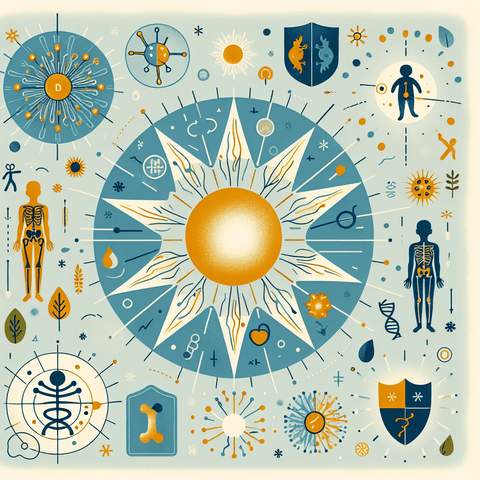
Osteomalacia is a condition that causes the body's bones to become soft and weak due to a problem with their mineralization process. This comprehensive guide serves as a starting point for understanding osteomalacia, covering its causes, symptoms, and the practical steps adults can consider to support their bone health. Here, you'll find an overview of the condition, its relationship with key nutrients like vitamin D and calcium, and general guidance on management strategies, setting the stage for more detailed information found elsewhere.
What Is Osteomalacia?
Osteomalacia is a skeletal disorder characterized by the softening of bones. This occurs when the bone matrix does not mineralize properly, typically because of a deficiency in vitamin D, calcium, or phosphate. These nutrients are essential for creating the hard, crystalline structure that gives bones their strength. When mineralization is impaired, bones become flexible and weaker, making them more susceptible to fractures and deformities.
Understanding the difference between osteomalacia and related conditions is a key part of grasping the topic. While osteomalacia involves a defect in the bone-building process (soft bones), osteoporosis involves a loss of bone density (porous, brittle bones). In children, a similar deficiency in vitamin D causes rickets, which affects bone growth plates. While distinct, all these conditions highlight the critical importance of bone health maintenance.
Why Osteomalacia Matters: Symptoms and Risk Factors
Osteomalacia can significantly affect an individual's health and quality of life. The most common signs include a dull, aching pain in the bones—often in the hips, lower back, and legs—and muscle weakness, which can make climbing stairs or getting up from a chair difficult. These symptoms can lead to an unsteady gait and an increased risk of falls and fractures.
Who Might Be at Risk?
Certain factors can increase an individual's likelihood of developing osteomalacia. These include:
- Aging, as the skin's ability to synthesize vitamin D declines.
- Conditions that cause malabsorption, such as celiac disease, Crohn's disease, or after certain types of weight-loss surgery.
- Limited exposure to sunlight, which is essential for vitamin D production.
- Following a diet that is consistently low in vitamin D, calcium, or phosphorus.
- Having certain medical conditions or taking medications that affect vitamin D or phosphate metabolism.
It's important to remember that while these are common risk factors, osteomalacia can sometimes occur even in the absence of obvious risk factors. This variability underscores the importance of a proper medical evaluation if you are experiencing symptoms.
The Role of Nutrition and Supplements in Bone Health
Nutrition is the cornerstone of bone health. A balanced diet ensures your body has the raw materials it needs to build and maintain strong bones. When diet alone isn't enough to correct a deficiency, nutritional supplements are often a key part of the solution. This is the central theme connecting nutrition to osteomalacia management.
Key Nutrients for Bone Strength
Several nutrients are particularly important for preventing and managing osteomalacia:
- Vitamin D: Essential for the absorption of calcium from the gut. Without adequate vitamin D, the body cannot effectively use the calcium you consume, regardless of how much you take in. This is why vitamin D deficiency is a primary cause of osteomalacia.
- Calcium: The primary structural mineral in bones. A chronic lack of calcium can directly contribute to the poor mineralization seen in osteomalacia.
- Phosphate: Another key mineral that combines with calcium to form the hard crystals that give bone its strength.
- Supporting Nutrients: Other nutrients, such as magnesium and vitamin K2, play supporting roles in bone metabolism and calcium regulation, contributing to overall bone health.
For many, addressing a deficiency requires more than just focusing on one nutrient. A holistic approach that includes a diet rich in bone-supporting foods and, when appropriate, high-quality supplements is often the most effective strategy.
From Diagnosis to Practical Management
Diagnosing osteomalacia is a medical process that involves a combination of clinical evaluation and testing. If you suspect you may have a deficiency, it is important to consult with a healthcare provider. The diagnosis typically involves a detailed medical history, a physical exam, and laboratory tests.
Understanding the Diagnostic Process
In a clinical setting, the following tools help establish a diagnosis:
- Blood Tests: These measure the levels of vitamin D, calcium, and phosphate in the blood. They also often check for alkaline phosphatase (ALP) and parathyroid hormone (PTH), which are markers of bone turnover and calcium regulation.
- Imaging Studies: X-rays or other imaging can reveal characteristic changes in bone structure, such as thinning or the presence of pseudofractures, which are common in osteomalacia.
Lifestyle Strategies to Support Bone Health
Treatment for osteomalacia is focused on correcting the underlying nutritional or medical issue. This often goes beyond just taking a supplement and involves a holistic approach:
Dietary Adjustments: Prioritizing foods rich in calcium, vitamin D, and phosphorus can help build a solid nutritional base. Good sources include dairy products, fatty fish, leafy green vegetables, and fortified foods.
Safe Sun Exposure: Spending short periods in the sun can help your skin synthesize vitamin D. The amount of time needed can vary greatly based on skin type, location, and time of year, and it's important to balance sun exposure with skin cancer risk.
Targeted Supplementation: When dietary changes and sun exposure aren't enough, supplements are often necessary. The choice of supplement—such as the form of vitamin D or calcium—is a decision best made with a healthcare provider. For guidance on supplement quality, exploring a category like our vitamin D collection can be a helpful starting point.
Regular physical activity, particularly weight-bearing exercises like walking or strength training, is also important. These activities help stimulate bone formation and improve strength and balance, reducing the risk of falls.
Important Considerations for Supplementation
Supplements can be a powerful tool for addressing deficiencies, but they must be used with care and knowledge. They are not a substitute for a healthy diet or medical care, and more is not always better. A responsible, informed approach is crucial for safety and effectiveness.
Guidelines for Using Supplements Wisely
Before starting any new supplement, consider the following points:
- Consult a Professional: Always discuss supplements with a healthcare provider to determine if they are necessary, what the correct dose is, and how they might interact with your current medications or health conditions.
- Be Aware of the Risks: Oversupplementation can be harmful. For example, too much calcium can lead to hypercalcemia, which can cause nausea, fatigue, and other health problems. This is why professional guidance is so important.
- Choose Quality Products: Selecting high-quality supplements from reputable brands that use third-party testing is essential to ensure you are getting what the label says. Browsing carefully curated selections, like those from calcium supplement collections, can help you make an informed choice.
By integrating professional advice, a balanced diet, healthy lifestyle habits, and responsible supplementation, you can proactively support your bone health and reduce the risks associated with conditions like osteomalacia.
Frequently Asked Questions
Here we address some common questions about osteomalacia to reinforce your understanding of the condition.
What is the difference between osteomalacia and osteoporosis?
Osteomalacia is characterized by the softening of bones due to a mineralization defect. Osteoporosis is characterized by a loss of bone density and structural deterioration, making bones brittle and more prone to fracture from minor stress.
What does osteomalacia pain feel like?
The pain from osteomalacia is often described as a dull, aching sensation that is diffuse and not localized, commonly felt in the lower back, hips, and thighs. It can be persistent and is often exacerbated by activity or pressure on the bones.
How is osteomalacia treated?
Treatment focuses on correcting the underlying deficiency. This typically involves oral vitamin D and calcium supplements. If a malabsorption issue is present, higher doses or different formulations of supplements may be necessary, and the underlying condition itself must be addressed. All treatment should be undertaken with medical supervision.
Exploring Your Journey to Better Bone Health
Managing a condition like osteomalacia involves more than just taking a supplement; it's about a holistic approach to your well-being. A healthy diet, time in the sun, and a consistent exercise routine all play a role in maintaining strong bones throughout life.
When you and your healthcare provider decide that supplements are the right path, finding a trustworthy source becomes important. Many people find value in exploring well-organized collections of multivitamin guides or specific nutrient pages to educate themselves on product choices.
How to Navigate This Topic Further
This guide provides a broad overview of osteomalacia. To delve deeper into specific aspects, such as the differences between vitamin D2 and D3, the role of genetics, or detailed meal planning, we encourage you to explore the specific articles linked on this page. Each one dives deeper into a unique element of bone health, providing the detailed knowledge you need for informed decisions.
Key Takeaways
- Osteomalacia is a bone-softening condition primarily caused by vitamin D, calcium, or phosphate deficiency.
- Common symptoms include bone pain and muscle weakness, which can increase the risk of falls and fractures.
- Diagnosis requires medical testing to accurately determine nutrient levels and rule out other conditions like osteoporosis.
- Management typically combines dietary changes, safe sun exposure, targeted supplementation, and weight-bearing exercise.
- Supplements should always be used under the guidance of a healthcare professional to ensure safety and efficacy.
Always consult with a qualified healthcare provider for personalized medical advice and before making any significant changes to your diet or supplement routine.