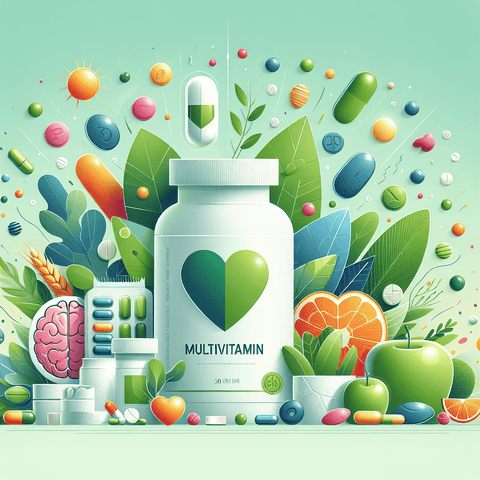
The concept of overall wellness benefits encompasses the multifaceted improvements in physical, mental, and emotional health achieved through consistent, positive lifestyle habits. It's not about a single quick fix but rather a holistic approach that includes balanced nutrition, regular movement, restorative sleep, and effective stress management. This guide explores the key pillars of wellness, the role of essential nutrients, and how you can build a personalized strategy to support your long-term vitality.
What Does "Overall Wellness Benefits" Actually Mean?
Overall wellness benefits refer to the positive physical, mental, and emotional changes that result from a balanced lifestyle. When your body receives the right nutrients and care, it operates more efficiently, which can lead to increased energy, better focus, improved mood, and a stronger immune system. This is a proactive approach to health, focusing on building a foundation that helps you feel your best rather than simply reacting to illness.
Beyond Physical Health: A Holistic View
True wellness is more than just the absence of disease. It reflects how well your body, mind, and daily routines work together. This includes mental clarity, emotional resilience, and the quality of your sleep. Wellness benefits, therefore, are the measurable and felt improvements in these areas when your body has the support it needs to function at its best.
The Connection Between Nutrition and Vitality
At the core of wellness lies nutrition. Your body depends on macronutrients for energy and micronutrients for regulating countless biochemical processes. When your diet lacks key nutrients, you may experience subtle signs of reduced function, such as fatigue, poor concentration, or low mood. This is why a nutrient-dense diet is the cornerstone of building and maintaining energy and vitality.
The 7 Pillars of Wellness: A Framework for Health
To understand the full scope of overall wellness benefits, it's helpful to consider the major dimensions that contribute to a healthy life. While there are different models, a commonly recognized framework includes these interconnected pillars:
- Physical Wellness: Involves regular exercise, a balanced diet, adequate sleep, and managing your physical health.
- Emotional Wellness: The ability to understand and manage your feelings, cope with stress, and maintain a positive outlook.
- Intellectual Wellness: Engaging in creative and mentally stimulating activities that expand knowledge and skills.
- Social Wellness: Building and maintaining healthy, supportive relationships and contributing to your community.
- Environmental Wellness: Living in a space that supports your well-being and feeling connected to nature.
- Occupational Wellness: Finding personal satisfaction and enrichment in your work or daily activities.
- Spiritual Wellness: Having a sense of purpose, values, and meaning in life, which can be independent of religion.
By addressing each of these areas, you can create a balanced foundation for health, preventing the feeling of being overwhelmed by any single aspect of your life.
Common Causes Behind Suboptimal Wellness
Many people experience dips in energy, mood, or immunity without a clear diagnosis. Often, these are linked to modifiable lifestyle factors that create nutritional or physiological imbalances.
Ultra-Processed Diets and Nutrient Dilution
A diet high in ultra-processed foods provides calories but relatively few essential vitamins, minerals, and phytonutrients. Over time, this pattern can lead to lower intakes of critical nutrients like magnesium, zinc, vitamin D, and B-vitamins, all of which are important for energy metabolism and immune function.
Sedentary Habits and Stress
Low physical activity and excessive sitting can reduce metabolic flexibility and muscle mass. Additionally, chronic stress is a common contributor to poor wellness. Persistently elevated cortisol can disrupt sleep, digestion, and immune function, and it increases the body's demand for nutrients like magnesium and B-complex vitamins.
Changes in Nutrient Absorption With Age
As we get older, our bodies may become less efficient at absorbing certain nutrients. Reduced stomach acid production can affect vitamin B12 absorption, and the skin's ability to synthesize vitamin D from sunlight can also decline. This makes attention to nutrient intake increasingly important with age.
Oxidative Stress and Environmental Exposures
Your body's cells are constantly exposed to oxidative stress from pollution, UV radiation, and normal metabolism. If your intake of antioxidants like vitamins C and E, selenium, and zinc is insufficient, this natural wear-and-tear can accumulate, potentially impacting long-term health.
Why Wellness Needs Are Deeply Individual
There is no single formula for perfect health. Your nutritional requirements are influenced by a variety of factors, making a personalized approach essential.
- Age and Life Stage: Older adults often need more vitamin D and B12, while pregnancy, lactation, or intense athletic training increases specific nutrient needs.
- Gut Health: Conditions like inflammatory bowel disease or low stomach acid can impair the body's ability to absorb nutrients from food.
- Genetics: Certain genetic variations can influence how your body processes specific vitamins, like folate and vitamin D.
- Dietary Patterns: People following restrictive diets, like vegan or vegetarian, may have a higher risk of gaps in iron, zinc, and B12.
This variability is why a supplement that helps one person may be unnecessary for another, and highlights the need to assess your own habits and needs.
Key Nutrients Commonly Associated with Overall Wellness
While a balanced diet is the foundation, certain nutrients are particularly important for supporting overall wellness benefits and are common focus areas for supplementation.
Vitamins and Minerals for Daily Functioning
- Vitamin D: Supports immune function, bone health, and mood regulation. Deficiency is common, especially in areas with limited sun exposure. You can read more about vitamin D benefits, sources, and safety.
- Magnesium: Involved in over 300 enzymatic reactions, including energy production, muscle relaxation, and nerve function. A magnesium supplement may be considered if dietary intake is low.
- B-Complex Vitamins: Essential for energy metabolism, red blood cell production, and brain function. Vegetarians and older adults may benefit from targeted support.
- Zinc: Crucial for immune function, wound healing, and skin integrity.
Omega-3 Fatty Acids and Probiotics
Omega-3 fatty acids, specifically EPA and DHA, are structural components of cell membranes and are particularly important for heart and brain health. For those who eat little fish, a high-quality fish oil or algae-based supplement can be an option. Explore DHA and EPA omega-3 supplements for more information.
A healthy gut microbiome is also a key part of overall wellness, influencing digestion, immunity, and even mood. Fermented foods and adequate fiber intake support beneficial bacteria. In specific cases, well-researched probiotics and prebiotics supplements may provide added support.
Supplements: A Supporting Role, Not a Shortcut
It's important to clarify that supplements are not replacements for a healthy diet. They are intended to fill specific nutritional gaps, not to compensate for a poor lifestyle. They work best when used as a targeted support strategy alongside a foundation of balanced nutrition, regular movement, adequate sleep, and stress management.
When Diet Alone Might Not Be Enough
Even with a good diet, certain life stages or circumstances can increase your nutritional needs beyond what food can realistically provide. This includes periods of high stress, intense athletic training, pregnancy, or recovering from an illness. In these situations, supplements can help bridge the gap between your dietary intake and your body's higher demands.
Choosing a High-Quality Supplement
The supplement market is vast, and quality varies significantly. When choosing a product, consider these factors:
- Form and Bioavailability: Some forms of nutrients are better absorbed than others. For example, magnesium citrate or glycinate is generally better absorbed than magnesium oxide.
- Third-Party Testing: Look for products that have been independently tested for purity and potency by organizations like NSF or USP.
- Transparent Labeling: Reliable brands clearly list all active ingredients and dosages and avoid unnecessary fillers or artificial additives.
Potential Risks, Interactions, and Safety Considerations
While supplements can be beneficial, it's critical to remember that "more is not always better." Fat-soluble vitamins (A, D, E, K) can accumulate in the body, and high doses of certain minerals can interfere with the absorption of others. Some supplements can also interact with prescription medications.
It's essential to talk to your healthcare provider before starting any new supplement, especially if you are pregnant, nursing, take medication, or have a pre-existing health condition. They can help you determine what you actually need and ensure the products you choose are safe for you.
Final Thoughts on Unlocking Your Overall Wellness Benefits
Achieving overall wellness benefits is a journey, not a destination. It is built through the accumulation of small, consistent, and informed daily choices. Focus on creating a strong foundation with a nutrient-dense diet, regular physical activity, quality sleep, and effective stress management. Use supplements wisely to fill specific gaps and support your unique needs, but always remember they are a complement to—not a substitute for—a healthy lifestyle. For more guidance, you can browse our educational supplement collections to help you make more informed decisions on your path to better health.