Personalized Nutrition Programs: Your Complete Guide


Understanding Personalized Nutrition Programs

Personalized nutrition represents a shift away from generic dietary advice toward a more tailored approach that considers individual characteristics, lifestyle, and health goals. Rather than applying broad population-based guidelines to everyone, these programs aim to provide recommendations that fit a person's unique circumstances. This can include factors such as age, activity level, dietary preferences, and even genetic or microbiome data. The central idea is that a plan which works well for one individual may not be equally effective for another, and personalized nutrition seeks to address this variability. It's not about a single perfect diet, but rather about building a sustainable and practical framework for eating that aligns with personal needs.

Exploring Types and Approaches

There are several common types of personalized nutrition programs, each using different foundational data. Some programs are based on a comprehensive analysis of an individual's current diet and health metrics, providing a customized meal plan and lifestyle recommendations. Others may integrate advanced biological data, such as genetic testing or gut microbiome analysis, to offer more granular insights into how the body may respond to different foods. Many programs also employ a continuous, iterative approach, where regular feedback and check-ins allow the plan to be adjusted over time. This responsive model helps ensure the program remains relevant and effective as circumstances, preferences, or goals evolve, emphasizing a collaborative and flexible relationship between the individual and the program.

Practical Considerations and How to Choose

Choosing a personalized nutrition program involves evaluating several practical factors to ensure it's a good fit. It is important to consider what information the program uses to build its recommendations and how that process works. Transparency about the methodology and the credentials of those providing guidance is also a key factor. Cost, required time commitment, and the level of support offered are other significant practical considerations. Ultimately, a successful program should feel manageable within your routine, respect your budget, and provide clear, actionable guidance. It should focus on creating lasting, positive habits rather than offering a temporary or overly restrictive fix. The goal is to find an approach that supports your health journey in a realistic and sustainable way.


Discover the Surprising Benefits of Personalized Supplement Regimens - Topvitamine
Sep 03, 2025
What Are Personalized Supplement Regimens?Personalized supplement regimens, also known as bespoke or custom supplement plans, are designed around your individual health profile, lifestyle, and goals. Instead of a one-size-fits-all multivitamin, these regimens use information from health assessments, questionnaires, or tests to create a tailored mix of vitamins, minerals, and other nutrients. The aim is to address your specific nutritional gaps and support your overall wellness in a way that fits your daily routine.How to Start a Personalized Supplement PlanStarting a personalized supplement plan usually begins with a detailed intake process. You might complete an online questionnaire, have a consultation with a healthcare professional, or undergo testing that looks at markers like nutrient levels or genetic variations. The results are then used to select specific nutrients and dosages for your needs. After your plan is created, it can be adjusted over time based on follow-ups or changes in your health, so your regimen stays relevant.Choosing a Personalized Supplement ServiceIf you are considering a personalized supplement subscription, it helps to compare different providers. Look for services that involve qualified professionals, use evidence-based assessments, and offer clear labeling of ingredients and amounts. Some popular options include Thorne, B'spoke, and other reputable brands that focus on individualized nutrition. Reading customer reviews and checking whether the service offers ongoing support can also help you make an informed choice. Remember to talk to your doctor before starting any new supplement, especially if you are pregnant, nursing, or taking medication.

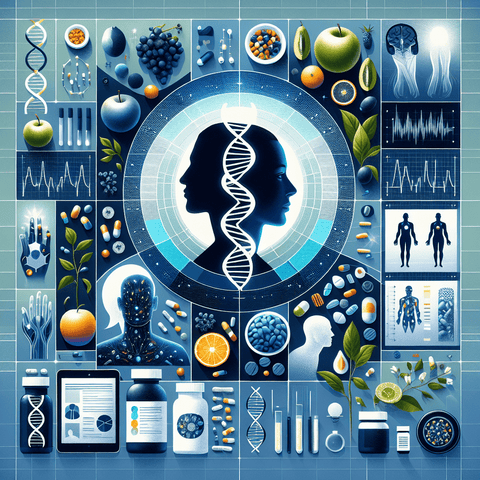
Personalized nutrition is replacing the idea that one-size-fits-all dietary advice works for everyone. Instead of relying on generic guidelines, personalized nutrition programs are designed to adapt to your specific biology, lifestyle, preferences, and health goals. These programs use a data-driven approach to build a custom framework for eating, which often results in a practical meal plan tailored to you. The focus is on creating a sustainable, repeatable process that respects your schedule, budget, and dietary needs. This guide provides a broad overview of personalized nutrition, exploring its core principles, common types of programs, and important factors to consider when exploring this approach.

What Is Personalized Nutrition?

At its core, personalized nutrition is about moving away from a blanket approach. It starts with a thorough intake that captures your goals, daily routine, cooking access, budget, and any dietary restrictions. This information forms the foundation of the program and how the eventual meal plan is organized. The objective is to translate your unique inputs into a coherent, easy-to-use plan that fits into real-life moments and choices. This process is inherently collaborative. Programs are designed to be iterative and responsive, with regular check-ins and feedback helping to refine the plan over time, keeping it aligned with your evolving goals and circumstances.

The difference from conventional advice lies in the level of adaptation. A personalized program considers how your body might uniquely respond to different foods and adjusts recommendations accordingly. This is not about providing a quick fix but about establishing a practical, repeatable process for long-term wellness. It emphasizes a collaborative rather than prescriptive guidance, ensuring you understand the 'why' behind the recommendations and can engage with the program confidently. Privacy, integrity, and professional collaboration are central to this experience, helping you feel supported throughout your journey.

Why Personalization Matters for Your Health

The interest in personalized nutrition is driven by the understanding that people respond differently to the same foods. Generic dietary guidelines are useful for populations, but they may not always align with an individual’s reality. Personalization aims to bridge that gap. By focusing on your specific needs, these programs can help make dietary changes feel more relevant and achievable. They can also help you identify which aspects of your diet may require the most attention, moving beyond a simple checklist of nutrients. This approach can be particularly helpful for navigating complex dietary requirements or when you have specific health and performance objectives.

Ultimately, the goal is to foster a healthier relationship with food. Instead of following a rigid plan, you learn how to make informed choices that work for your body and life. This might involve understanding the role of key nutrients, which you can also explore through guides on specific multivitamins or broad categories of mineral supplements. However, a personalized program typically considers your whole diet first, using supplements only to address identified gaps, if needed.

Main Types of Personalized Nutrition Programs

The field of personalized nutrition is diverse, with programs differing mainly in the type of data they use to craft recommendations. Understanding these categories can help you choose an approach that aligns with your needs and curiosity.

Lifestyle and Preference-Based Programs

This is the most common and accessible form of personalization. These programs rely on a detailed assessment of your current eating habits, daily schedule, food preferences, and health goals. A nutrition professional, guided by your input, builds a practical meal plan and offers coaching and support. The emphasis is on fitting the plan into your life, making it a highly sustainable and practical choice for many people.

Data-Driven and Biometric Programs

These programs use quantitative data to add a layer of biological insight to the process. Common features include at-home test kits and wearable devices. Examples include:

  • DNA-Based Programs: These analyze specific genes to provide insights into how you might process certain nutrients, your food sensitivities, or your metabolic tendencies.
  • Microbiome-Based Programs: These analyze the bacteria in your gut to offer recommendations on foods that may promote a healthy digestive environment for your specific microbial profile.
  • Blood Marker Tracking Programs: These use regular testing of markers like blood sugar or cholesterol to create a feedback loop, allowing for continuous and measurable adjustments to the diet.

How to Choose the Right Program

With the growing number of options, deciding where to start can feel overwhelming. The key is to evaluate programs based on your personal objectives and circumstances. Begin by asking what you hope to achieve. Are you looking for general guidance on improving your diet, or do you have a specific health marker you want to address? Your answer will help determine the level of sophistication you need. A lifestyle-based program might be perfect for general wellness, while a data-driven program could offer additional insights if you're looking for a more biologically focused approach.

Transparency is also crucial. Look for programs that clearly explain their methodology and the science behind their methods. Consider the credentials of the team providing the guidance—are they registered dietitians or qualified nutrition professionals? Also, evaluate the practical aspects: the cost, the time commitment required, and the level of ongoing support. A successful program will feel like a partnership, providing not just a plan but also the resources and support to help you implement it effectively. As you make changes, it's beneficial to understand more about fundamental nutrients, such as the importance of Vitamin D for overall health, but a good program will help you integrate this type of information into a holistic plan.

Key Considerations and Getting Started

While personalized nutrition offers a promising path toward better health, it's important to approach it with a clear perspective. It's not a magic bullet for medical issues, but a tool for building better daily habits. No program can replace the advice of a medical doctor for diagnosing or treating a health condition. The best results come from actively participating in the process, being honest about your habits, and being patient as you and the program work together to find what works best for you.

Starting a personalized nutrition program is a proactive step. The process generally involves initial data collection, a detailed review of your information, the creation of a tailored plan, and regular follow-ups. This structure is designed to keep you on track and make adjustments as you progress. By focusing on your unique needs, personalized nutrition encourages a more mindful and informed relationship with food, helping you make choices that genuinely support your wellness goals. It's a journey of discovery, learning how to nourish your body in a way that works for you.

Frequently Asked Questions About Personalized Nutrition

Here are answers to some common questions people have when starting their search for personalized nutrition information.

Where can I get a free personalized diet plan?

Many credible sources offer a starting point. Government health websites often provide tools to calculate your daily needs based on age, sex, and activity level. Some universities or public health organizations release free, evidence-based meal planning templates. While not as comprehensive as a paid program, these resources can provide a useful baseline for a 'personalized' plan that accounts for your basic metrics. It is important to ensure any tool you use comes from a reputable public health or academic source.

What should I look for in a nutrition certification?

If you are looking for professional guidance, the most recognized certifications are often from accredited universities. Many dietitians hold a Master's degree and have completed a rigorous internship. Other well-regarded certifications exist, but it's wise to ensure they are from accredited institutions and involve substantial coursework in the sciences. A provider with a recognized credential offers greater assurance that their guidance is grounded in established nutritional science.