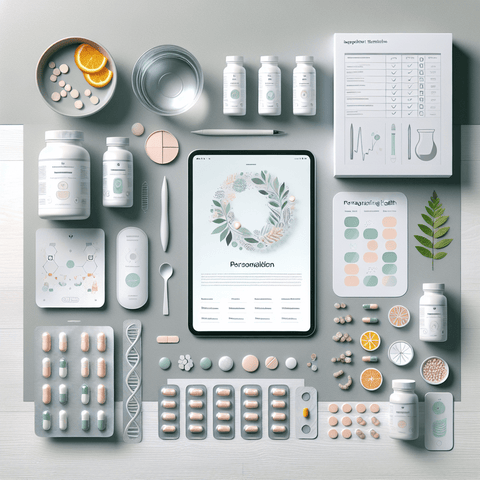
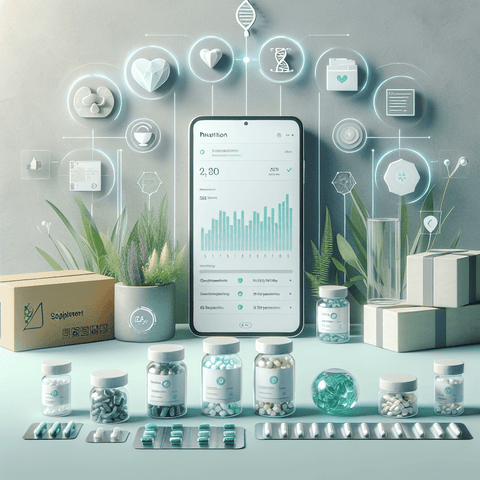
Personalized supplement plans have emerged as a crucial aspect of modern health care, focusing on tailoring nutritional supplements to meet individual goals, biology, and lifestyle. This article will guide you through the essentials of creating your own custom health stack, emphasizing the importance of personal differences in determining what works best for you. By exploring how these unique variables shape the necessity and efficacy of supplements, we hope to provide a thoughtful, evidence-based approach to enhancing your wellness journey.
Core explanation of the topic
What personalized supplement plans are
Personalized supplement plans are tailored strategies designed to meet an individual's specific health goals and needs. Unlike generic, one-size-fits-all advice or random tips, these plans take into account various factors such as your personal health status, dietary preferences, lifestyle choices, and any existing conditions. The objective is to create a health stack that optimally supports your well-being based on your unique circumstances.
How a personalized plan is built
Developing a personalized supplement plan involves several key components:
- Goals: Determine what you want to achieve, whether it's improved energy, better sleep, or enhanced immune function.
- Current health status: Review any pre-existing conditions or medical history.
- Diet and lifestyle: Assess your eating habits and daily routines.
- Allergies/medications: Consider any adverse reactions to supplements or interactions with medications.
- Lab data: If available, lab results can provide insights into your nutrient levels and deficiencies.
- Safety and dose considerations: Ensure that the chosen supplements are safe and appropriately dosed for your needs.
- Decision framework: Establish a process for evaluating and adjusting your supplement choices.
Professional guidance combined with evidence from reputable sources can help inform this process.
The role of a “bioindividual” approach
Variability among individuals plays a significant role in how nutrients are absorbed, metabolized, and utilized. Genetic differences, gut microbiome composition, and overall health can all influence nutrient needs. As such, two people with similar symptoms may require different supplements to achieve optimal results, underscoring the importance of a personalized approach.
Why this topic matters
Public interest in safe, effective supplementation
With increasing awareness of health and wellness, many consumers seek targeted, science-backed recommendations. A personalized approach to supplementation resonates with this desire for individualized care, moving beyond generic tips to science-informed choices.
The gap between symptom relief and root-cause treatment
Many people turn to supplements for quick symptom relief but may not consider underlying health drivers. Just addressing symptoms does not equate to resolving root health issues, which often require in-depth insights into personal health.
The cost and risk angle
Investing in supplements that aren't well-suited to your needs can lead to wasted money and, in some cases, adverse health effects. A well-researched personalized supplement plan can minimize these risks by focusing on suitable, safe options.
Related symptoms, signals, or health implications
Common symptom domains that prompt consideration of supplements
Many individuals explore supplement options due to symptoms across various domains:
- Energy and fatigue: Low energy levels can prompt the exploration of supplements like B vitamins or iron.
- Sleep quality: Issues with sleep may lead you to consider magnesium or melatonin.
- Digestive health: Experiencing digestive discomfort might indicate the need for probiotics or digestive enzymes.
- Immunity: Seasonal illnesses often prompt individuals to consider vitamin C or D supplements.
- Mood and cognitive support: Mood fluctuations or cognitive challenges could point toward omega-3 fatty acids or B vitamins.
- Skin, hair, and nail health: Changes in skin or hair health may prompt investigation into collagen, biotin, or essential fatty acids.
Symptoms that may hint at nutrient gaps or needs
Specific symptoms can suggest nutrient gaps. For instance, fatigue may indicate insufficient iron levels, while digestive issues might suggest bile or gut-related needs. Identifying these signs can help shape a personalized supplement strategy.
The role of objective signals (labs and history) alongside symptoms
Symptoms can guide your exploration, but backing them up with lab data or medical history enhances precision. This data allows for a more informed decision-making process regarding supplements.
Individual variability and uncertainty
Factors driving variability
Several factors contribute to how individuals respond to supplements:
- Genetic factors: Genetic predispositions influence absorption rates and efficacy.
- Microbiome composition: Variable gut microbiomes affect nutrient metabolism.
- Diet and lifestyle: Your overall diet quality, sleep patterns, and lifestyle choices play critical roles in nutrient needs.
- Chronic conditions: Pre-existing health conditions can affect how well your body utilizes nutrients.
The limits of certainty in supplementation
While there is evidence supporting the benefits of certain supplements, their effects can be context-dependent. This variability underscores the need for caution and flexibility in implementing a personalized plan.
How variability affects decision-making
A flexible approach is essential; as personal responses to supplements vary, the plan must be regularly assessed and adjusted to ensure optimal outcomes.
Why symptoms alone do not reveal root cause
The problem with symptom-based guessing
Relying solely on symptoms for supplementation can be misleading, as many nutrients or lifestyle factors may elicit similar signals. This “guessing game” can lead to ineffective or inappropriate choices.
The risk of misattributing causes
Self-diagnosing based on symptoms may overlook critical root causes. For example, a sleep disorder might be misinterpreted as a need for iron supplementation, obscuring essential treatment paths.
The value of a broader assessment
Conducting a thorough evaluation that includes personal history, context, and, when possible, objective markers can help target the most effective supplements for an individual.
The role of nutritional supplements in this topic
Supplements as part of a holistic plan, not a replacement
It’s crucial to view supplements as a component of a well-rounded wellness strategy, which should also include a nutritious diet, quality sleep, regular physical activity, stress management, and medical advice.
Evidence-based versus hype
Distinguishing between scientifically supported nutrients and marketing hype is essential. For instance, vitamin D is widely validated in deficiency contexts, whereas other claims may lack robust evidence to support usage.
Safety, quality, and responsible use
Addressing potential risks, such as contamination or inappropriate dosages, requires sourcing supplements from reputable suppliers and understanding labeling and third-party testing standards.
When to prioritize food-first strategies
While supplements can enhance nutrition, establishing a solid dietary foundation should be the priority. Whole foods often provide a more comprehensive array of nutrients compared to supplements.
How nutritional supplements could support
By health domain or goal
Supplements can offer targeted support based on specific health domains:
- Energy and metabolic support: Options such as B vitamins or magnesium can improve energy levels.
- Cognitive and mood support: Omega-3s, certain B vitamins, and magnesium may enhance mood and mental clarity.
- Digestive health: Probiotics and digestive enzymes can promote gut health.
- Immune resilience: Vitamin C, vitamin D, and zinc play crucial roles in maintaining immune function.
- Joint and tissue support: Collagen or certain antioxidants may be beneficial for joint health.
Practical starter points for consideration
When starting your supplement plan, consider widely applicable, low-risk options. Choices should be personalized based on individual health status and preferences, with an emphasis on consistent monitoring.
How to interpret signs of response (or non-response)
Monitoring symptoms, energy levels, sleep quality, and digestion is essential to gauge the effectiveness of your supplement regimen. Adjustments may be needed based on these observations.
Decision-support section (when nutritional supplements make sense)
A step-by-step decision framework
Creating a personalized supplement plan involves several steps:
- Clarify goals: Identify what you want to achieve with supplementation.
- Review dietary and lifestyle factors: Consider current eating habits, medications, and known deficiencies.
- Evaluate evidence: Look into the safety and efficacy of candidate nutrients.
- Start with low-risk nutrients: Opt for essential nutrients with established safety profiles.
- Monitor response: Observe changes over a defined period.
- Reassess your plan: Decide whether to continue, adjust, or discontinue supplements.
Red flags and safety signals
Be mindful of potential interactions with medications, pre-existing conditions, and any signs of over-supplementation. If you experience unusual side effects, consult a healthcare professional.
When to seek professional input or testing
If you're experiencing persistent symptoms or require guidance in selecting the right supplements, consulting a healthcare provider can help clarify underlying issues or include relevant lab assessments.
Simple decision-tree example
Utilizing a mental decision tree can be practical. Start with your main health goals, identify relevant symptoms, evaluate your diet and lifestyle compatibility, and then explore suitable nutritional options.
Practical tools for building your plan
Symptom-to-nutrient mapping tips
Connecting specific symptoms to potential nutrient deficiencies can simplify decision-making. For example, fatigue may indicate a need for iron or vitamin B12, while digestive issues may suggest probiotics.
A starter checklist for personalization
When considering a personalized supplement plan, evaluate:
- Diet quality and balance
- Sun exposure (for vitamin D synthesis)
- Sleep habits and stress management
- Current medications and known deficiencies
Baseline supplement considerations and cautions
Low-risk, generally beneficial supplements include a multivitamin, omega-3 fatty acids, or vitamin D (when factors such as limited sun exposure are present). Always prioritize quality in sourcing and dosing.
Example product-selection criteria
When selecting supplements, consider purity, reputable sourcing practices, transparency in labeling, absence of unnecessary fillers, and clear dosage information.
Situations where nutritional supplements become relevant
Clear scenarios for consideration
Considering supplements may be beneficial in specific situations, including:
- Documented dietary gaps (e.g., lack of fruits and vegetables)
- Suspected nutrient deficiencies (e.g., low energy, bad skin)
- Life stages requiring additional support (e.g., pregnancy, aging)
Situations that require caution
Utilize caution when considering supplements in the presence of underlying health conditions, pregnancy, or medications that may interact negatively with certain nutrients.
How to pace supplementation safely
Start with lower doses and adjust slowly. Monitoring responses and staggered intake of multiple nutrients can help clarify their individual effects.
Common myths and limitations to avoid
Myth: More is always better
Over-supplementation can lead to toxic effects rather than benefits. It's vital to prioritize correcting deficiencies rather than aggressively dosing.
Myth: Supplements can cure chronic conditions
While supplements can support health, they should not replace comprehensive approaches that involve professional evaluations and treatments for chronic health issues.
Myth: One-size-fits-all recommendations work for everyone
As discussed throughout this article, individual variability necessitates personalized planning rather than reliance on generic guidelines.
Conclusion — connecting the topic to buying nutritional supplements on Topvitamine.com
Translating a personalized plan into purchases
Once you have identified your individualized supplement plan, the next step is selecting suitable products that align with your health goals and safety considerations.
Why shop on Topvitamine.com
Topvitamine.com features curated selections and transparency in product quality. Our platform offers tools to support safe and informed decisions about personalized supplementation.
Next steps and resources
We encourage you to utilize a decision framework to guide your personalized supplement journey, consult professionals when appropriate, and explore the resources available at Topvitamine.com to support your health goals.
Key Takeaways
- Personalized supplement plans cater to individual health needs and goals.
- Variability among individuals underscores the importance of a tailored approach.
- Supplementation should complement a holistic wellness strategy, not replace it.
- Regular monitoring is essential for assessing the effectiveness of supplements.
- Caution is necessary to avoid potential risks and misattributions of symptoms.
- Working with professionals can help clarify nutrient needs and safety.
Q&A Section
1. What is a personalized supplement plan?
A personalized supplement plan is a tailored approach that aligns nutritional supplements with your specific health goals, needs, and lifestyle factors to optimize overall well-being.
2. Why should I choose a personalized approach over generic supplement advice?
Personalized approaches consider individual variations in absorption and metabolism, leading to more effective outcomes compared to one-size-fits-all recommendations.
3. Which factors should I consider when creating my supplement plan?
Key considerations include your health goals, dietary habits, existing health conditions, allergies, medications, and any lab data you may have.
4. How can I know if I need supplements?
Evaluating your symptoms, dietary intake, and, if possible, lab results can help determine if you have nutrient gaps needing supplementation.
5. How often should I reassess my supplement plan?
Regularly assess your plan every few months or when significant health changes occur, and adjust based on your monitoring of symptoms and responses.
6. Are there risks associated with taking supplements?
Yes, risks can include interactions with medications, potential over-supplementation, or adverse effects. Consulting with a healthcare professional can help navigate these risks.
7. What role do lifestyle factors play in supplementation?
Lifestyle factors such as diet quality, stress levels, and sleep patterns significantly impact nutrient needs and overall health, informing your supplement choices.
8. Can I rely solely on supplements for my health?
No, supplements should complement a balanced diet and holistic health practices, not replace them. A food-first approach is often best.
9. How do I choose reputable supplement products?
Look for products that provide transparency about their sourcing, quality testing, and clear dosing information while avoiding unnecessary fillers.
10. What are some common mistakes to avoid when choosing supplements?
Common mistakes include self-diagnosing, ignoring potential interactions with medications, and prioritizing quantity over quality in supplement choices.
11. What symptoms most commonly indicate the need for supplements?
Symptoms like fatigue, sleep disturbances, digestive issues, and mood fluctuations may indicate potential nutrient gaps or the need for support.
12. Where can I find more information on personalized supplement plans?
Various resources, including healthcare providers and reputable supplement websites like Topvitamine.com, can offer valuable insights and guidance on personalized supplementation.
Keywords
personalized supplement plans, nutritional supplements, health stack, individual variability, nutrient needs, supplementation strategies, wellness journey, bioindividuality, dietary gaps, health goals