
Discover the landscape of plant-based magnesium sources, a spectrum that spans leafy greens, seeds, nuts, legumes, and whole grains. Plant-based magnesium sources show up in everyday staples like spinach, kale, pumpkin seeds, almonds, lentils, black beans, quinoa, and oats. By focusing on these plant-based magnesium sources, you can identify a wide range of ingredients to feature in meals and snacks, from simple side dishes to more involved recipes. This page highlights categories and examples to help you recognize plant-based magnesium sources in your pantry. Quick tips for incorporating plant-based magnesium sources into your routine: add a handful of seeds to salads or yogurt, blend greens into smoothies, swap refined grains for quinoa or oats, and snack on nuts or nut butter with fruit or whole-grain crackers. Keep a mix of seeds, nuts, and legumes on hand for easy additions to bowls, soups, and wraps. The focus is on practical ways to use plant-based magnesium sources in everyday cooking. Nutrient-packed picks and tasty ideas feature a variety of plant-based magnesium sources: leafy greens like spinach and kale; seeds such as pumpkin, chia, and sesame; nuts including almonds and cashews; legumes like lentils, chickpeas, and black beans; and whole grains such as quinoa and oats. Tasty ideas include a spinach and pumpkin seed salad, a chickpea-quinoa bowl, almond butter on whole-grain toast, lentil soup with kale, and a chia seed pudding. These ideas showcase plant-based magnesium sources in approachable, flavorful meals.
Plant-Based Magnesium Sources: Discover the Top Foods to Boost Magnesium Naturally
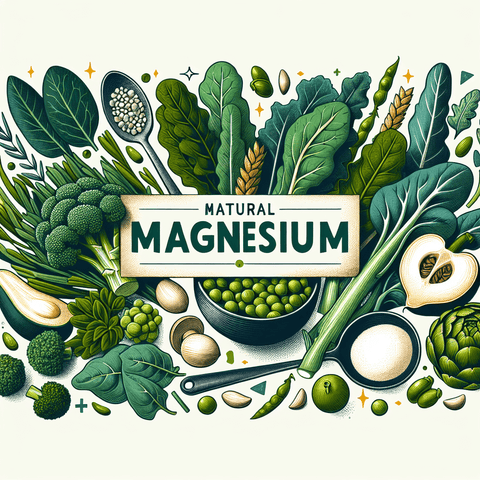
Which Vegetables Are Highest in Magnesium?When it comes to dietary magnesium vegetables, leafy greens lead the way. Spinach provides about 157 mg of magnesium per cooked cup, while Swiss chard offers around 150 mg. Other vegetables like artichokes (77 mg per medium artichoke), green peas (62 mg per cup), okra (57 mg per cup), and broccoli (33 mg per cup) also contribute meaningful amounts. These vegetables are not only rich in magnesium but also provide fiber, vitamins, and antioxidants that support overall health.How to Boost Magnesium Absorption from VegetablesTo maximize the magnesium you get from vegetables, pay attention to preparation. Steaming leafy greens like spinach and Swiss chard can help reduce oxalates that may interfere with magnesium absorption. Avoid long boiling, which can leach minerals into the cooking water. Pairing magnesium-rich vegetables with other nutrient-dense foods, such as legumes or seeds, can further enhance your intake and support a balanced diet.Practical Tips for Adding More Magnesium-Rich VegetablesMeeting your daily magnesium needs through vegetables is achievable with simple meal planning. Aim for a variety of magnesium-packed vegetables each day. For example, a smoothie with spinach at breakfast, a quinoa salad with kale at lunch, and a stir-fry with broccoli and Swiss chard at dinner can easily contribute over 400 mg of magnesium. For individuals with higher needs or dietary restrictions, consulting a healthcare professional about supplements may be beneficial.