
Plant-based omega-3 fatty acids refer to fats derived from plant and algal sources. The landscape includes ALA, a type commonly found in seeds and nuts, and DHA/EPA forms that come from algae. This page focuses on the idea of plant-based omega-3 fatty acids, highlighting a few veggie sources and practical ways to incorporate them into everyday meals. Top veggie sources include flax seeds, chia seeds, walnuts, and algae-derived DHA. Flax and chia are known for their ALA content, while walnuts also contribute ALA to the mix. Algae-based DHA (and sometimes EPA) provides a different form of omega-3 fatty acids and is available as oil or supplement products. These sources fit into a variety of dietary patterns and can be used in multiple culinary applications. Practical tips to add flax, chia, walnuts, or algae DHA to your routine include grinding flax seeds to improve texture and absorption, adding ground or whole flax to cereals, yogurt, or baked goods, and mixing chia into puddings, smoothies, or oatmeal. Walnuts can be sprinkled on salads, soups, or roasted vegetables, or used as a crunchy topping in bowls. Algae DHA can be incorporated through oil used in dressings and sauces or via capsules, depending on personal preference and culinary style. Keeping these ingredients ready and accessible helps make their inclusion easier. This overview centers on the concept of plant-based omega-3 fatty acids and how to recognize common veggie sources as well as practical ways to integrate them into meals. If you’re seeking personalized guidance or have specific dietary considerations, consider consulting a qualified professional. When using algae-based products or supplements, check labeling for DHA/EPA content and store products in appropriate conditions to maintain quality.
Plant-Based Omega-3 Fatty Acids: Top Veggie Sources and Health Benefits
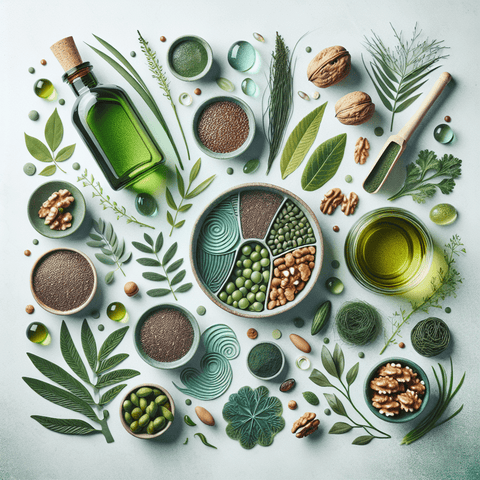
Plant-Based Omega-3: What You Need to KnowOmega-3 fatty acids are essential fats that support heart, brain, and joint health. While fish and seafood are well-known sources, plant-based eaters can get omega-3s from alpha-linolenic acid (ALA) found in certain seeds, nuts, and algae. This article focuses on the plant-based foods highest in ALA, the type of omega-3 predominant in plants, and how to optimize your intake for overall wellness.Top Plant Sources of ALA Omega-3The richest plant-based sources of ALA include flaxseeds, chia seeds, walnuts, and hemp seeds. Just one tablespoon of ground flaxseed provides about 1.6 grams of ALA, while chia seeds offer around 2.5 grams per tablespoon. Walnuts contain approximately 2.5 grams per 28-gram handful, and hemp seeds deliver about 1 gram per tablespoon. These foods are versatile and can be easily added to smoothies, salads, oatmeal, and baked goods to boost your daily omega-3 intake.Boosting EPA and DHA on a Plant-Based DietWhile ALA is beneficial, the body converts it to EPA and DHA only inefficiently—typically 5-15%. For more direct support, consider algae-based supplements, which provide EPA and DHA without fish. Combining ALA-rich foods with high-quality algae oil can help bridge the gap and ensure you meet your omega-3 needs. Always choose reputable products and consult a healthcare professional if you have specific health concerns.