Plant-Based Omega-3: Sources & Benefits


What Is Plant-Based Omega-3?

Plant-based omega-3 refers to omega-3 fatty acids sourced from plants rather than fish or other marine animals. The main plant-based form is ALA, found in seeds like flax and chia, while algae offer a direct plant-based source of DHA and EPA. This guide serves as a broad introduction to the topic, outlining the key sources, their characteristics, and how they can be part of a varied diet.

Why Are Plant-Based Omega-3s of Interest?

People choose plant-based omega-3s for a range of reasons, including dietary preferences, sustainability concerns, and a desire to diversify their nutrient intake. Omega-3s are a type of polyunsaturated fat that is a normal part of human nutrition. For those following vegetarian, vegan, or flexitarian eating patterns, plant-based sources provide a way to include these fatty acids in the diet without relying on fish-derived ingredients.

How to Incorporate Them into Your Routine

There are many simple ways to add plant-based omega-3 sources to everyday meals. Flax and chia seeds are versatile pantry staples that can be ground, soaked, or sprinkled into a variety of dishes, from smoothies to baked goods. For DHA and EPA, which differ from the ALA found in seeds, algae-based oils and supplements are available. The best approach is often to combine different sources to benefit from their unique nutritional profiles and culinary uses.


Which oil is the healthiest omega-3? - Topvitamine
Jan 07, 2026
Omega-3 Oil Basics: EPA, DHA, and ALA ExplainedOmega-3 fatty acids are essential nutrients that support heart, brain, and joint health. The three main types are EPA, DHA, and ALA. EPA and DHA are found in marine sources like fish and algae, and are directly used by the body. ALA, from plants, must be converted to EPA and DHA with limited efficiency. Understanding these differences helps you choose the best omega-3 oil for your goals.Comparing the Healthiest Omega-3 Oils: Fish, Algal, Krill, and FlaxseedFish oil is a classic source of EPA and DHA, ideal for heart health. Algal oil offers a vegan, sustainable DHA option. Krill oil provides superior absorption with astaxanthin, while flaxseed oil supplies ALA for plant-based diets. Each oil has unique benefits, and the healthiest choice depends on your dietary preferences, health priorities, and sustainability concerns.How to Choose the Best Omega-3 Supplement for YouWhen selecting an omega-3 supplement, consider the form (triglyceride vs. ethyl ester) for maximum absorption, look for third-party testing to ensure purity, and choose sustainable sources with certifications. For heart health, EPA-rich fish oil is effective; for brain health, DHA-rich algal or krill oil is best. Vegans can opt for algal oil to get preformed DHA. Always consult a healthcare professional for personalized advice.
Where is a lot of omega 3 found? - Topvitamine
Dec 02, 2025
Omega-3 Foods and Essential Fatty Acids: A Quick GuideOmega-3 fatty acids are essential fats that your body cannot produce on its own, so you must get them from food or supplements. The three main types include ALA (from plants), EPA, and DHA (mostly from marine sources). Fatty fish like salmon, mackerel, and sardines are among the richest natural sources of EPA and DHA. For plant-based options, look to flaxseeds, chia seeds, walnuts, and algae oil, which provide ALA or direct DHA/EPA. Many people also choose high-quality omega-3 supplements for a reliable daily intake.Foods Rich in Omega-3 and Omega-6: Balancing Your IntakeWhile omega-3s get much attention, omega-6 fatty acids are also essential. However, modern diets often contain far more omega-6 than omega-3, which can promote inflammation when imbalanced. Foods like refined vegetable oils and processed snacks contribute heavily to omega-6 intake, while fish, nuts, and seeds are better sources of omega-3. It is important to balance omega-6 and omega-3 for overall health, ideally keeping the ratio low (around 4:1 or lower). Including fatty fish in your meals several times a week helps shift the balance.Health Benefits and Daily Omega-3 NeedsEssential fatty acids—both omega-3 and omega-6—support heart, brain, and immune function, and help regulate inflammation. A deficiency may lead to dry skin, poor memory, or mood changes, but such signs are not specific. Health experts generally recommend a daily combined intake of 250–1000 mg of EPA and DHA for adults, though individual needs vary. Always consult a healthcare provider for personalized advice, especially if you have health conditions or take medication.
Which omega 3 is the best? - Topvitamine
Nov 03, 2025
Best Plant-Based Omega-3 Supplements 2025 2026Omega-3 fatty acids are essential for heart, brain, and joint health, but the body cannot produce them in sufficient amounts. While fish oil is the most common source, plant-based options are gaining popularity among vegans, vegetarians, and those concerned about marine contaminants. The best plant-based omega-3 supplements in 2025 and 2026 use algal oil, which provides preformed DHA and EPA—the same bioactive forms found in fish oil—without relying on fish. This guide evaluates the top plant-based omega-3 products based on purity, potency, sustainability, and value, helping you choose the most effective option for your health needs.Best Picks for Vegan DHA & EPABased on our analysis of current market offerings, the best plant-based omega-3 supplements prioritize transparency, third-party testing, and high concentrations of EPA and DHA. Leading products include algal oil capsules from reputable brands that publish independent test results for heavy metals and oxidation. When comparing options, look for a total omega-3 content of at least 250 mg of combined EPA and DHA per serving, with DHA dominating because it is critical for brain and eye health. Top-rated picks often feature enteric coatings or phospholipid delivery to enhance absorption and reduce any fishy aftertaste. Always choose supplements that are certified vegan, non-GMO, and free from artificial additives.Market Trends & How to ChooseThe vegan omega-3 supplement market is expanding rapidly, driven by increasing consumer awareness of sustainability and ethical sourcing. In 2025 and 2026, expect more brands to adopt algae cultivation in controlled environments, ensuring clean, contaminant-free products. When selecting a plant-based omega-3, verify the label for EPA and DHA amounts, not just total omega-3. The dosage depends on your health goals—general wellness typically requires 250–500 mg of combined EPA and DHA daily, while higher doses may be used for specific conditions under professional guidance. Compare price per serving, but prioritize quality and third-party verification. This guide helps you navigate these choices to find the best sustainable oil that supports your wellness.
Is avocado rich in omega 3? - Topvitamine
Oct 31, 2025
How Much Omega-3 Is in Avocado?Avocados contain alpha-linolenic acid (ALA), a plant-based omega-3, but the amount is modest. Per 100 grams (about half a medium avocado), avocados provide roughly 110–160 mg of ALA. This is far lower than other plant sources like chia seeds (about 5 grams per ounce) or walnuts (about 2.5 grams per ounce). While avocados are not a rich omega-3 source, they do contribute a small amount, which can support your daily intake when combined with other foods.Why Avocado’s Healthy Fats MatterAlthough avocados are low in omega-3, their fat profile is still beneficial. They are primarily rich in monounsaturated fats, particularly oleic acid, which supports heart health. A 100-gram serving provides around 15 grams of total fat, with about 10 grams being monounsaturated. These healthy fats can help maintain healthy cholesterol levels and provide a matrix for absorbing fat-soluble vitamins like A, D, E, and K. Avocados also deliver fiber, potassium, and several essential vitamins, making them a nutrient-dense food.How to Meet Your Omega-3 Needs with Plant FoodsTo meet the general adult recommendation for ALA (1.1–1.6 grams per day), avocados alone would not be practical—you would need to eat more than 600 grams (about four avocados). Instead, combine avocados with higher-ALA foods like flaxseeds, chia seeds, and walnuts. Pairing avocado with these foods in smoothies, salads, or toast can help you reach your daily omega-3 goals. For those following a plant-based diet, considering a vegan DHA/EPA supplement can also be a useful addition.
Which plant-based foods are highest in omega-3? - Topvitamine
Oct 29, 2025
Plant-Based Omega-3: What You Need to KnowOmega-3 fatty acids are essential fats that support heart, brain, and joint health. While fish and seafood are well-known sources, plant-based eaters can get omega-3s from alpha-linolenic acid (ALA) found in certain seeds, nuts, and algae. This article focuses on the plant-based foods highest in ALA, the type of omega-3 predominant in plants, and how to optimize your intake for overall wellness.Top Plant Sources of ALA Omega-3The richest plant-based sources of ALA include flaxseeds, chia seeds, walnuts, and hemp seeds. Just one tablespoon of ground flaxseed provides about 1.6 grams of ALA, while chia seeds offer around 2.5 grams per tablespoon. Walnuts contain approximately 2.5 grams per 28-gram handful, and hemp seeds deliver about 1 gram per tablespoon. These foods are versatile and can be easily added to smoothies, salads, oatmeal, and baked goods to boost your daily omega-3 intake.Boosting EPA and DHA on a Plant-Based DietWhile ALA is beneficial, the body converts it to EPA and DHA only inefficiently—typically 5-15%. For more direct support, consider algae-based supplements, which provide EPA and DHA without fish. Combining ALA-rich foods with high-quality algae oil can help bridge the gap and ensure you meet your omega-3 needs. Always choose reputable products and consult a healthcare professional if you have specific health concerns.
What is the best omega-3 on the market? - Topvitamine
Oct 21, 2025
Omega-3 fatty acids are essential nutrients that support heart, brain, eye, immune, and joint health, with EPA and DHA providing the most direct physiological benefits. Key EPA DHA sources include oily fish such as salmon, sardines, and mackerel, as well as microalgae used in plant-based omega-3 supplements. Fish oil benefits include supporting normal triglyceride levels, cardiovascular function, brain health, vision, and inflammation balance. This guide explains marine omega-3 advantages, supplement forms such as triglyceride, ethyl ester, and phospholipid, and offers an omega-3 supplement comparison focused on purity, freshness, concentration, bioavailability, sustainability, and third-party testing.

Plant-based omega-3 is a topic that covers more than just a single food or supplement. It includes a family of fatty acids, several different plant sources, and a range of ways to include them in a modern diet. This guide provides a high-level overview of the subject, helping you understand the main concepts, sources, and practical considerations.

Understanding Plant-Based Omega-3

Omega-3 fatty acids are a family of polyunsaturated fats that are part of the normal human diet. The three main types are ALA, DHA, and EPA. The crucial difference from a dietary perspective is the source. While DHA and EPA are commonly associated with marine sources like fish, they originate from algae. ALA is predominantly found in plant seeds and oils.

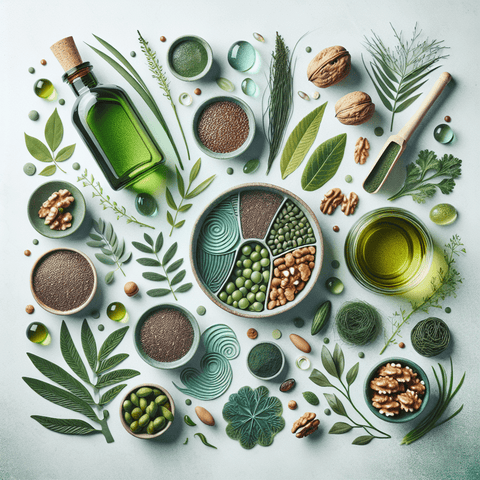
Plant-based omega-3s are therefore those derived from botanical sources. This includes seeds like flax, chia, and hemp, as well as oils from these seeds. A significant development is the availability of algae-based oils, which can provide a direct source of DHA and EPA without marine ingredients, fitting comfortably within a plant-based lifestyle.

Understanding these basic distinctions is the first step in navigating the many options available and choosing the approach that best fits your dietary needs and preferences.

Key Plant-Based Sources of Omega-3

There are several primary plant sources for omega-3, each with its own nutritional profile and culinary characteristics.

The most common sources are seeds, which are known for their ALA content:

  • Flaxseeds and flaxseed oil: These are one of the richest plant sources of ALA. Flaxseeds can be ground for better nutrient absorption and used in baking or smoothies.
  • Chia seeds: Also a great source of ALA, chia seeds have the unique ability to form a gel when soaked, making them useful for puddings and as a textural addition to various recipes.
  • Hemp seeds: These provide a smaller amount of ALA but also contain other beneficial nutrients, making them a simple add-in for salads or oatmeal.

Beyond seeds, the most direct plant-based source of DHA and EPA is microalgae. Algae oil supplements and culinary oils are increasingly common, offering a way to get these specific forms without fish or krill.

If you are considering a supplement, exploring a dedicated selection of DHA and EPA supplements can help you understand the options available, including those derived from algae.

How to Add Plant-Based Omega-3 to Your Diet

Incorporating these sources is generally straightforward, as they are versatile ingredients. Here are some practical tips for everyday use.

Simple Ways to Use Seeds

Seeds are the most accessible starting point. To get the most from flaxseeds, grinding them just before use is often recommended, as this makes the nutrients more accessible. You can add ground flax to smoothies, oatmeal, or use it as an egg substitute in baking.

Chia seeds, when soaked in liquid, create a gel-like texture. This property is perfect for making puddings or for adding thickness and body to sauces and jams. Sprinkling chia or hemp seeds over yogurt, cereal, or salads is another effortless way to boost your intake.

Cooking with Oils

Flaxseed and algae oils are options to consider when thinking about adding plant-based omega-3 through cooking. A quick algae-oil vinaigrette for salads is a simple example. Over time, you can start with small quantities to find what works best for your taste and texture preferences.

Storing these oils correctly is important. Keeping them in a cool, dark place helps preserve their quality over time, much like other delicate oils.

Recipe Ideas to Get Started

Starting with simple recipes can help you get comfortable with these ingredients. Some easy ideas include a chia pudding made with plant-based milk, a batch of flaxseed crackers baked with herbs, or a smoothie that combines spinach, banana, and a teaspoon of ground flax. These ideas demonstrate the flexibility of plant-based omega-3 sources without requiring specialized equipment or hard-to-find items.

General Considerations for Supplements

For some, getting omega-3 from food alone might be challenging, as ALA conversion to DHA and EPA in the body is not always efficient. This is why algae-based supplements are popular; they provide pre-formed DHA and EPA.

As with any supplement, it is important to approach them as a complement to a balanced diet, not a replacement for it. There is no one-size-fits-all approach, and individual needs can vary. If you are considering a supplement, it is a good practice to review the product information carefully and consider seeking guidance from a qualified healthcare professional.

For a broader look at nutritional supplements, you can explore the Topvitamine natural supplements collection

Exploring the Topic Further

This guide covers the foundational information about plant-based omega-3. There are many more specific aspects to explore, from the differences between ALA, DHA, and EPA, to the best ways to pair these foods with other nutrients.

Deep dives into specific questions, such as the taste profile of algae oil, comparison between different seed types, or advanced culinary techniques, are best addressed in dedicated resources that can provide the necessary focused attention. In the meantime, the key takeaway is that plant-based omega-3s are a diverse and accessible topic, and starting with the basics is the best way to move forward.