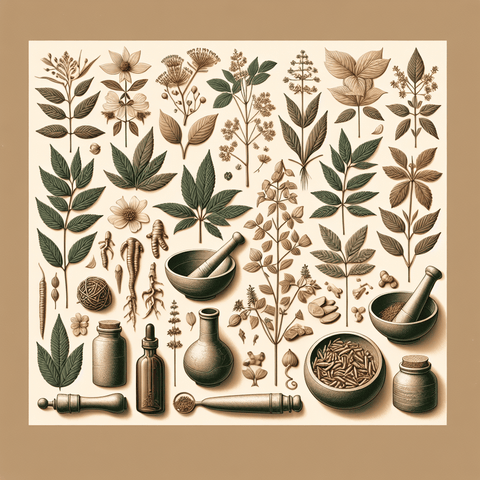
Plant-based resilience is a topic that centers on how a diet rich in plant foods can help the body maintain energy, adapt to stress, and support overall health. It moves beyond the simple idea of eating vegetables and instead looks at the broader picture of nutritional adequacy, botanical support, and lifestyle habits. For anyone interested in a plant-forward lifestyle, understanding the key nutrients and how they work together is the first step toward building a foundation for long-term well-being.
What Is Plant-Based Resilience?
At its core, plant-based resilience is about the body's capacity to function optimally when fueled primarily by plant-derived foods. This includes maintaining steady energy levels throughout the day, supporting a healthy immune system, and protecting cells from the effects of daily oxidative stress. It is a holistic concept that acknowledges the synergistic relationship between various nutrients, phytochemicals, and the body's own adaptive systems.
A resilient body can handle life's ups and downs—whether that means managing physical activity, coping with mental stress, or navigating seasonal challenges. While no single food or supplement can guarantee resilience, a consistent pattern of adequate nutrition creates the conditions for the body to thrive. This is why the concept is so central to discussions about plant-based diets and long-term health.
Key Nutrients for Plant-Based Vitality
A plant-based diet can provide a wealth of nutrients, but certain vitamins and minerals deserve special attention due to their roles in energy production, immune defense, and structural health. The following are some of the most important nutrients to consider when building a resilient plant-based eating pattern.
B Vitamins and Energy Metabolism
B vitamins, including B12, B6, and folate, are essential for converting food into usable energy. They support the nervous system and are involved in the production of red blood cells. For those on a plant-based diet, vitamin B12 requires particular attention, as it is primarily found in animal products. Fortified foods and supplements can help ensure adequate intake. To learn more, explore our vitamin B collection.
Antioxidant Vitamins: C and E
Vitamin C and vitamin E are powerful antioxidants that help protect cells from oxidative damage caused by free radicals. Vitamin C also supports immune function and collagen production, while vitamin E helps maintain cell membrane integrity. Citrus fruits, berries, nuts, and seeds are excellent plant sources of these vitamins. For convenient support, you can explore the vitamin C collection or the vitamin E supplements.
Key Minerals: Magnesium and Calcium
Magnesium is involved in hundreds of biochemical reactions, including muscle and nerve function, protein synthesis, and blood sugar regulation. Calcium is critical for bone health and muscle function. While dairy is a common source, plant-based options like leafy greens, legumes, and fortified plant milks can provide these minerals. Supplementation with magnesium supplements can be a practical way to support daily needs.
Botanicals and Adaptogens in a Resilient Diet
Beyond vitamins and minerals, certain botanical ingredients have been used for centuries to support the body's stress response and overall vitality. These herbs, often referred to as adaptogens, are thought to help the body maintain balance during periods of physical or mental strain.
Turmeric and its active compound curcumin are well-known for their antioxidant properties, while ashwagandha is traditionally used to support stress management and energy levels. These botanicals can be incorporated into the diet through cooking or taken as supplements. For those interested, ashwagandha supplements provide a convenient option for daily support.
Sources of Plant-Based Nutrients
A diverse diet is the best way to obtain a wide range of plant-based nutrients. The following food groups are particularly valuable for supporting resilience:
- Leafy greens: spinach, kale, and Swiss chard for magnesium, calcium, and vitamin K.
- Berries and citrus fruits: rich in vitamin C and various antioxidants.
- Nuts and seeds: almonds, walnuts, chia seeds, and flaxseeds for vitamin E, magnesium, and healthy fats.
- Legumes: beans, lentils, and chickpeas for protein, iron, and B vitamins (except B12).
- Whole grains: quinoa, oats, and brown rice for B vitamins and sustained energy.
Supplementation: Filling the Gaps
Even with a well-planned diet, certain nutrients can be challenging to obtain in adequate amounts from plant sources alone. This is where supplementation can play a useful role. Vitamin B12, vitamin D, iron, and omega-3 fatty acids are among the nutrients that may require special attention.
When choosing supplements, quality and bioavailability matter. Look for products from reputable brands that provide clear labeling and, where possible, third-party testing. It's also important to remember that supplements are meant to complement, not replace, a healthy diet. For more guidance, you might explore our range of natural supplements.
Practical Considerations for a Plant-Based Lifestyle
Adopting a plant-based approach is a personal journey that requires some planning, especially when it comes to ensuring nutrient adequacy. Consider the following factors to support your resilience:
- Variety: Eat a wide range of colorful fruits and vegetables to maximize nutrient diversity.
- Fortified foods: Include fortified plant milks, breakfast cereals, and nutritional yeast to help meet B12 and vitamin D needs.
- Pairing: Combine iron-rich plant foods with vitamin C sources to enhance absorption.
- Regular check-ups: Periodic blood tests can help identify any nutrient deficiencies early.
Exploring Plant-Based Resilience Further
Plant-based resilience is a broad and evolving topic. It encompasses not just the nutrients themselves, but also how they interact with the body's systems and how lifestyle choices like sleep, exercise, and stress management contribute to overall vitality. By understanding the fundamentals, you can make informed choices that support your health goals.
The articles linked on this page provide more detailed information on specific nutrients, botanicals, and strategies for building a resilient plant-based lifestyle. Whether you're just starting out or looking to refine your approach, exploring these resources can help you build a solid foundation for daily vitality and long-term well-being.