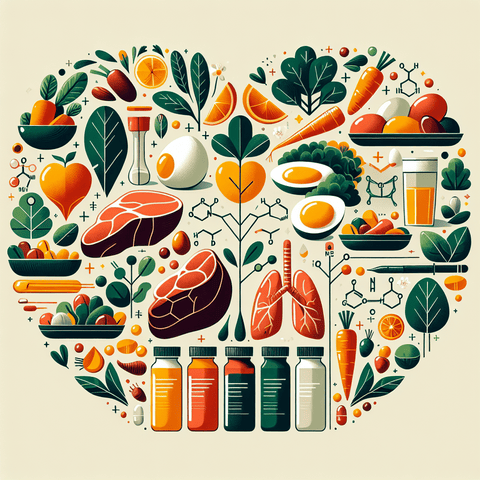
Plant-based vitamin A is a broad topic that centres on provitamin A carotenoids — plant compounds that the body can convert into active vitamin A. This tag page brings together the key concepts, from the main types of carotenoids and their food sources to practical considerations around absorption and dietary diversity. Whether you follow a vegan diet, are curious about carotenoid-rich foods, or simply want to understand how plant-based vitamin A fits into the wider vitamin A picture, this overview provides a useful starting point.
Understanding Plant-Based Vitamin A
Vitamin A is a group of related compounds that play a role in several normal physiological functions, including vision, immune function, and skin health. In the diet, vitamin A appears in two main forms: preformed vitamin A (retinol and related compounds) found in animal-derived foods, and provitamin A carotenoids found in plants. Plant-based vitamin A therefore describes the provitamin A carotenoids that can be converted into active vitamin A within the body. The most well-known provitamin A carotenoid is beta-carotene, but alpha-carotene and beta-cryptoxanthin also contribute to vitamin A activity.
The conversion of provitamin A carotenoids to active vitamin A is not a one-to-one process. The body regulates this conversion, and efficiency can vary based on the carotenoid, the food source, and individual factors. This means that plant-based vitamin A is better understood as a contribution to overall vitamin A intake rather than a direct equivalent to preformed retinol.
Major Provitamin A Carotenoids
Several carotenoids have provitamin A activity, meaning they can be converted into retinol. The main ones include:
- Beta-carotene — the most studied provitamin A carotenoid, found in many orange, yellow, and green plant foods.
- Alpha-carotene — another carotenoid with provitamin A activity, present in similar foods.
- Beta-cryptoxanthin — a carotenoid found in certain fruits and vegetables that also contributes to vitamin A activity.
Other carotenoids, such as lycopene and lutein, are not converted to vitamin A but have other roles in the body. This distinction is important when interpreting food sources and supplement labels.
Vegan Sources of Plant-Based Vitamin A
Provitamin A carotenoids are widely distributed in the plant kingdom. Foods rich in these compounds often have deep orange, red, or green colours, although colour alone is not a perfect indicator. Common vegan sources include:
- Carrots
- Sweet potatoes
- Spinach and kale
- Butternut squash and pumpkin
- Red bell peppers
- Mango, apricots, and cantaloupe
The amount and type of carotenoids vary from food to food. For those looking to explore related supplement options, our vitamin A benefits, sources and safety collection provides a broader overview of vitamin A in its different forms.
How Absorption and Conversion Work
Carotenoids are fat-soluble, meaning they are better absorbed when consumed with some dietary fat. The food matrix — whether the carotenoids are inside plant cells or released through cooking or processing — also influences how much becomes available for absorption. For example, lightly cooking or puréeing carotenoid-rich vegetables can help release these compounds from the plant cell walls.
Conversion efficiency of provitamin A carotenoids to retinol varies. It depends on the specific carotenoid, the amount consumed, and individual nutritional status. As a result, plant-based vitamin A should be viewed as one part of a varied diet rather than a direct substitute for preformed vitamin A on a milligram-for-milligram basis. This nuance is important for anyone relying primarily on plant foods for their vitamin A intake.
Practical Considerations for a Plant-Based Diet
For those following a vegan or predominantly plant-based diet, a few general considerations can help support vitamin A intake from plant sources:
- Eat a variety of colourful plant foods to obtain a mix of carotenoids.
- Include some dietary fat with meals containing carotenoid-rich foods to support absorption.
- Consider cooking methods that gently break down plant cell walls, such as steaming or roasting.
- Understand that individual conversion efficiency can differ, so there is no universal rule for how much plant-based vitamin A a person will obtain from a given food.
These are general points and not personalised medical or dietary advice. Anyone with specific health concerns or dietary requirements should consult a qualified healthcare professional.
How Plant-Based Vitamin A Relates to Supplements
Some vitamin A supplements provide preformed vitamin A (such as retinyl palmitate or retinyl acetate), while others provide beta-carotene or mixed carotenoids. Plant-based vitamin A in supplement form typically refers to beta-carotene or other provitamin A carotenoids. These are not identical to preformed vitamin A and may be chosen by those seeking a plant-derived source. For a wider look at supplement options, the natural supplements range includes products that may be relevant.
Frequently Asked Questions About Plant-Based Vitamin A
What is the best natural vitamin A?
"Natural vitamin A" can refer to either preformed vitamin A from animal foods or provitamin A carotenoids from plants. Both contribute to vitamin A intake, but they are not interchangeable. A varied diet that includes a range of vitamin A sources is generally recommended.
How do I get 100% vitamin A?
Meeting vitamin A needs depends on individual factors and total diet. For plant-based sources, consuming a variety of carotenoid-rich foods alongside some dietary fat can help support intake. However, because conversion varies, it is difficult to state a single food or amount that guarantees 100% of the daily requirement for everyone.
What is the best form of vitamin A for eyes?
Vitamin A is important for normal vision, but no single form is universally "best" for eye health. Preformed vitamin A and provitamin A carotenoids both contribute to vitamin A status. A balanced diet that includes a range of nutrients is generally more important than focusing on one form. For specific eye concerns, consult an eye care professional.
What foods are extremely high in vitamin A?
Foods extremely high in preformed vitamin A include liver and other organ meats, as well as some fish and dairy products. For plant-based vitamin A, foods rich in provitamin A carotenoids include sweet potatoes, carrots, spinach, kale, butternut squash, and pumpkin. The amount absorbed and converted can vary.
Exploring Further
This tag page provides a broad overview of plant-based vitamin A. For more detailed explorations of specific questions — such as comparisons of plant and animal sources, in-depth absorption mechanisms, or individual food tables — you can browse the individual articles associated with this tag. To discover supplements that may complement a plant-based approach, you can also explore our superfoods guide for related nutrient-dense options.