What Is Plant-Based Vitamin C?
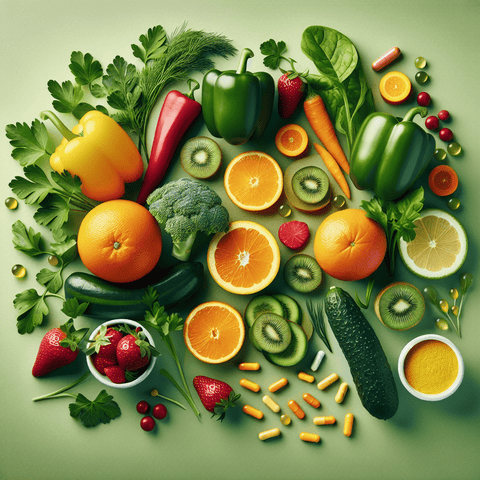
Plant-based vitamin C refers to vitamin C that comes from plant sources rather than from fortified foods or synthetic production. Vitamin C, also known as ascorbic acid, is a water-soluble vitamin that contributes to the normal function of the immune system and helps protect cells from oxidative stress, based on authorised nutrient-function wording. For many people, the appeal of plant-based vitamin C lies in the idea of obtaining this nutrient through whole foods, fruits, vegetables, and plant-derived ingredients rather than relying solely on fortified products. Because plants vary widely in their vitamin C content, understanding the general landscape of plant sources is a helpful starting point. Some plants are notably concentrated in this nutrient, while others contain smaller amounts that still contribute to overall intake when eaten regularly as part of a varied diet. This page offers a broad overview of the topic, while the individual articles associated with this tag explore specific questions in more depth.
Which Plants Are High in Vitamin C?
A common question is which plants are actually high in vitamin C. In general, vitamin C is found in a wide range of fruits and vegetables, and colour and freshness are often practical clues: many brightly coloured fruits and certain green vegetables are among the commonly referenced sources. Citrus fruits are well known, but they are not the only option; various berries, tropical fruits, and several vegetables also appear frequently in discussions of vitamin C-rich plant foods. Preparation matters as well, since vitamin C is sensitive to heat and prolonged storage, which is why raw, lightly cooked, or freshly prepared plant foods are often mentioned in practical guidance. Rather than focusing on a single ingredient, it can be more useful to think in categories, colours, and preparation styles, then adapt these ideas to your own pantry and preferences. The articles collected under this tag look at individual plant sources and comparisons in greater detail.
Adding Plant-Based Vitamin C to Your Routine
Beyond identifying sources, many readers are interested in practical ways to weave plant-based vitamin C into daily meals, snacks, and beverages. Broad approaches include building a simple weekly outline, keeping quick-add options available, and planning servings that can be built upon throughout the day, for example by including a bright, plant-derived component at breakfast, blending it into a drink, or finishing a meal with a fresh note. Alongside whole foods, some people also consider supplements; if you are curious about that route, you can browse our vitamin C supplements collection for an overview of what is available. As with any dietary change, individual needs vary, and anyone with specific health questions or medical considerations should consult a qualified professional. This page serves as a topical hub: use it to understand the overall landscape, then explore the specific articles below for deeper dives into individual questions.