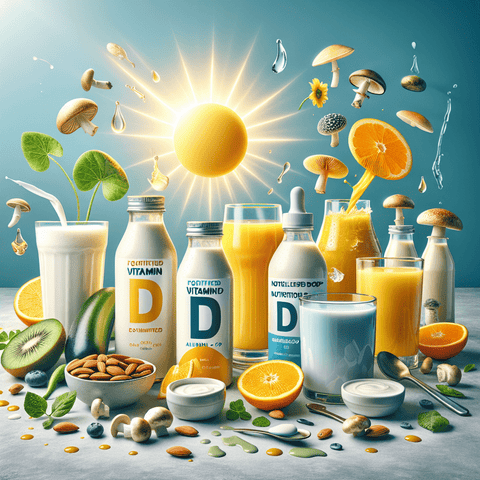
Plant-based vitamin D drinks are beverages that provide vitamin D without animal-derived ingredients, either through fortification or through plant-based forms of the nutrient used in liquid supplements. They are a popular topic among vegans, vegetarians and anyone who wants options beyond sunlight and conventional dietary sources. This page offers a broad overview of the topic: what these drinks are, the main types available, how vitamin D2 and vegan D3 differ, and what to consider when choosing between them.
Vitamin D is naturally present in only a small number of foods, and the richest sources—such as oily fish and egg yolks—are animal-derived. That is why fortified drinks and vegan-friendly supplements are so often discussed together. Below you will find the key information at a glance, with pointers to more detailed articles on specific questions.
What Are Plant-Based Vitamin D Drinks?
The term covers two related product types. The first is fortified beverages: plant milks, juices and other drinks that have vitamin D added during production. The second is liquid vitamin D supplements, such as drops, formulated with vegan-friendly vitamin D that can be taken on its own or added to smoothies, oats and other foods. Both approaches appeal to people who avoid animal products or simply prefer dairy-free options.
Context helps here. Vitamin D is a fat-soluble nutrient that the body can also produce when skin is exposed to sunlight. Because dietary sources are limited and the best-known ones are animal-based, fortified plant drinks and vegan supplements fill a genuine gap for anyone reducing or avoiding animal products.
Main Types of Plant-Based Vitamin D Drinks
Several drink categories are commonly associated with plant-based vitamin D. Fortification levels differ between brands and countries, so the figures below are typical examples rather than guarantees—always check the product label.
- Fortified plant milks — soy, oat, almond and other plant milks are frequently fortified with vitamin D; in many countries a 250 ml glass provides roughly 100 IU (2.5 µg).
- Fortified orange juice — selected brands add vitamin D, often at a level similar to fortified plant milks per serving.
- Mushroom-based drinks — beverages made with UV-exposed mushrooms naturally contain vitamin D2.
- Vitamin D shots — small ready-to-drink formats delivering a defined amount of vitamin D per bottle.
- Liquid vitamin D drops — concentrated vegan D3 or D2 drops taken directly or stirred into food and drinks.
Fortified plant milks and juices are the most established everyday options, while drops and shots sit closer to the supplement end of the category.
Plant-Based Vitamin D: D2 and Vegan D3 Explained
Two forms of vitamin D matter for plant-based diets. Vitamin D2 (ergocalciferol) is typically produced from UV-exposed yeast or mushrooms and is inherently vegan. Vitamin D3 (cholecalciferol) has traditionally been sourced from lanolin, a wool-derived substance, but vegan D3 made from lichen is now widely available in drops and other supplement formats.
A frequent question is which plant-based form is best. Some research suggests that vitamin D3 may be somewhat more effective at raising and maintaining blood vitamin D levels than D2, although both forms can contribute to daily intake. Needs vary from person to person, so comparing labels—and seeking advice where useful—is a sensible approach.
Choosing a Plant-Based Vitamin D Drink
There is no single best drink for supporting vitamin D intake; the right choice depends on diet, lifestyle and preference. Fortified plant milks are versatile because they double as everyday staples for coffee, cereal and cooking. Fortified juices are convenient but can contain natural sugars. Mushroom-based drinks suit those who prefer food-first options, while vegan D3 drops provide a precise, label-controlled amount.
If you suspect your vitamin D levels are low, the most reliable step is a blood test arranged through a healthcare professional. Signs of low vitamin D can be subtle and overlap with other issues, so self-diagnosis is not recommended.
Absorption and Practical Tips
Vitamin D is fat-soluble, so the body absorbs it alongside dietary fat. Consuming vitamin D from a fortified drink or supplement together with a meal that contains some fat may support absorption. Consistency also tends to matter more than timing: taking your chosen format regularly is generally more meaningful than taking it at a specific hour.
Vitamin D status can be influenced over time by limited sun exposure, covering skin outdoors, spending most of the day indoors, low dietary intake, and certain health conditions or medications that affect how the nutrient is absorbed. Individually these factors are rarely a concern, but together they explain why intake is worth paying attention to—especially during winter months or for people with limited sun exposure.
A few quick points worth keeping in mind:
- Check how much vitamin D each serving provides and in which form (D2 or vegan D3).
- Pair vitamin D with a meal that contains some fat.
- Stick to the serving size stated on any supplement label.
- Compare brands, since fortification levels vary between products and countries.
Supplements and Plant-Based Vitamin D
Fortified drinks can contribute to daily vitamin D intake, but on their own they may not suit everyone, particularly where fortification levels are modest or labels are unclear. Liquid supplements such as vegan vitamin D3 drops allow a defined amount per serving and combine easily with food and drinks. Strengths vary widely between products, so comparing labels and following the manufacturer's directions is important.
For a broader view of this nutrient, including its sources, functions and safety considerations, browse our vitamin D supplements collection.
Safety and General Considerations
Vitamin D supplements and fortified drinks are generally well tolerated when used as directed. Avoid exceeding the recommended intake on the label, and keep in mind that vitamin D can interact with certain medications. If you take prescription medicines regularly, are pregnant or breastfeeding, have a kidney condition or another medical diagnosis, or are considering supplements for a child, speak with a doctor or pharmacist first.
Vitamin D is also often discussed alongside calcium, since both nutrients are associated with normal bone function. If you are comparing nutrients as part of a plant-based diet, our calcium supplements collection offers a useful starting point.
Exploring Plant-Based Vitamin D Further
The articles gathered under this tag look at individual questions in more depth, from comparing specific fortified drinks to explaining how vegan D3 drops are used in practice. Use the overview above to get your bearings, then continue with the articles below for detail on the topics that matter most to you.