Plant-Based Vitamin D3: What Is It and Why Does It Matter?
Vitamin D is essential for countless bodily functions, from maintaining strong bones to supporting a resilient immune system. However, for those following a vegan or vegetarian lifestyle, finding an effective supplement that aligns with their dietary choices can be challenging. This article explores plant-based vitamin D3, a vegan-friendly alternative to the more common animal-derived forms. You will learn what it is, why it's crucial for your health, how it compares to other types, and how to determine if it might be the right choice for your nutritional needs.
Defining Plant-Based Vitamin D3 (Vegan D3)
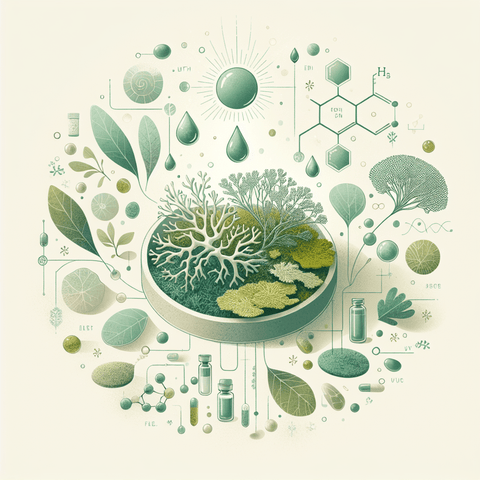
Vitamin D3, also known as cholecalciferol, is one of the two main forms of vitamin D. The body produces it naturally when the skin is exposed to sunlight, and it is also found in certain foods. Most commercial D3 supplements are derived from lanolin, a waxy substance secreted by sheep's skin glands. In contrast, plant-based vitamin D3 is sourced from lichen, a unique organism composed of a fungus and an algae living in a symbiotic relationship. This type of D3 is structurally identical to the D3 found in animal sources and sunlight, making it an excellent and chemically equivalent option for vegans.
How Plant-Based D3 Compares to Animal-Derived D3 (Lanolin)
Chemically, plant-based and lanolin-derived vitamin D3 are the same molecule. The primary difference lies in their origin. Lanolin-based D3 is not suitable for vegans and may be a concern for vegetarians or those with specific ethical or religious considerations. Plant-based D3, extracted from lichen, offers a way to supplement with the more effective form of vitamin D without compromising plant-based principles. This makes it a preferable choice for individuals who want to align their supplement intake with their dietary values.
Why Vitamin D3 Matters for Strong Bones and Immune Health
Vitamin D is often called the "sunshine vitamin" because of its synthesis pathway, but its role in the body is far more complex and critical than this nickname suggests. It functions more like a hormone, influencing the expression of over 200 genes and playing a vital role in numerous physiological processes, particularly in bone and immune health.
The Role of Vitamin D3 in Calcium Absorption and Bone Density
One of the most well-established roles of vitamin D3 is its regulation of calcium and phosphate metabolism, which is fundamental for maintaining healthy bones. Vitamin D3 promotes the efficient absorption of calcium from the intestines into the bloodstream. Without sufficient vitamin D, the body cannot absorb adequate calcium, regardless of how much is consumed in the diet. When calcium intake is insufficient, the body will begin to leach calcium from the bones, leading to decreased bone density and an increased risk of fractures and conditions like osteoporosis.
The Role of Vitamin D3 in Supporting Healthy Immune Function
Beyond bone health, vitamin D3 is a key modulator of the immune system. Research indicates that it helps regulate the function of immune cells, including T-cells and macrophages, which are the body's first line of defense against pathogens. An adequate level of vitamin D is associated with a lowered risk of respiratory tract infections and may help modulate the immune response, supporting a healthy and balanced defense against illness. While it is not a cure or a shield against all infections, it is considered an essential nutrient for a well-functioning immune system.
Common Signs of Low Vitamin D and Related Health Implications
Vitamin D deficiency is surprisingly common, and its symptoms can be subtle, often overlapping with other health issues. It is important to recognize that these signs are not definitive proof of a deficiency, but they may be indicators that warrant further investigation.
Recognizing Potential Signs Associated with Vitamin D Insufficiency
Individuals with low vitamin D may experience a range of non-specific symptoms. These can include:
- Persistent fatigue or tiredness
- Bone pain or achiness, particularly in the lower back
- Muscle weakness or a feeling of heaviness
- Low mood or feelings of depression
- Frequent illness or slow recovery from infections
- Hair loss
Long-Term Health Implications Associated with Low Vitamin D
Chronic, long-term deficiency is associated with more serious health consequences. The most direct impact is on skeletal health, leading to reduced bone mineral density, osteomalacia (softening of bones) in adults, and rickets in children. Emerging research also suggests a potential link between long-term low vitamin D and an increased risk of cardiovascular disease, certain cancers, and autoimmune conditions, although these associations require more research to establish causality.
Why Symptoms Alone Don't Confirm a Deficiency
It is crucial to understand that these symptoms are not exclusive to vitamin D deficiency. They can be caused by a myriad of other factors, including poor sleep, stress, other nutritional gaps, or underlying medical conditions. Relying on symptoms alone to self-diagnose can be misleading. A simple blood test measuring 25-hydroxyvitamin D levels is the only reliable way to confirm a deficiency and determine your specific status.
Common Causes and Risk Factors for Vitamin D Deficiency
Several factors can contribute to low vitamin D levels. Understanding these can help you identify if you may be at risk.
Dietary Causes: Why Vegans and Vegetarians Are at Higher Risk
Natural dietary sources of vitamin D3 are almost exclusively animal-based, including fatty fish like salmon and mackerel, egg yolks, and liver. Plant-based foods naturally contain very little vitamin D, with the exception of certain mushrooms that provide vitamin D2. Consequently, vegans and vegetarians have a particularly high risk of deficiency, as their diets are inherently low in this nutrient. They must rely heavily on fortified foods or supplements to meet their needs.
Lifestyle and Environmental Factors: Sun Exposure and Indoor Living
Our primary source of vitamin D is sunlight. The body synthesizes vitamin D3 when UVB rays hit the skin. However, modern lifestyles often limit sun exposure. Many people work indoors for long hours, live in higher latitudes with less intense sunlight, or use sunscreen consistently, which, while important for skin cancer prevention, also blocks vitamin D synthesis.
Age, Skin Tone, and Absorption-Related Risk Factors
Age plays a significant role; as we age, our skin's ability to synthesize vitamin D decreases, and our kidneys become less efficient at converting it to its active form. Individuals with darker skin have higher levels of melanin, which reduces the skin's ability to produce vitamin D from sunlight. Additionally, certain gastrointestinal conditions that affect nutrient absorption, such as Crohn's disease or celiac disease, can impair the uptake of vitamin D from the diet.
Individual Variability: How Your Vitamin D Needs Differ
There is no "one-size-fits-all" recommendation for vitamin D intake. Your individual requirements are influenced by a complex interplay of genetic, environmental, and physiological factors.
Factors Influencing Your Personal Vitamin D Requirements
Your unique needs are shaped by where you live, your skin tone, your age, your body weight, and your overall health. For instance, individuals with a higher body mass index (BMI) may require more vitamin D to achieve optimal blood levels, as it can be sequestered in fat tissue. Likewise, your genetic makeup can influence how your body metabolizes and utilizes vitamin D.
The Importance of Blood Testing for Determining Your Levels
Given this variability, it is impossible to guess your optimal intake based on symptoms or general guidelines alone. A blood test, specifically measuring your serum 25-hydroxyvitamin D level, provides a clear and accurate picture of your current status. This allows you and your healthcare provider to determine if you are deficient, insufficient, or optimal, and to tailor appropriate dietary and supplemental strategies to meet your specific needs.
Diet and Lifestyle Approaches to Boost Vitamin D Naturally
Before reaching for a supplement, it's worth evaluating and optimizing your dietary and lifestyle habits. This approach aligns with a nutrition-first philosophy and can be foundational to maintaining healthy levels.
Food Sources of Vitamin D2 and D3 (Fortified Foods and Mushrooms)
While natural food sources are limited, you can increase your dietary intake through a few avenues. Some mushrooms, particularly those exposed to UV light, contain vitamin D2. Many commercial products, including plant-based milks, orange juice, and some cereals, are fortified with vitamin D2 or occasionally D3. Always check labels to see if the fortification is suitable for your vegan lifestyle. However, relying on fortified foods alone often provides a low and inconsistent dose of vitamin D.
Safe Sun Exposure: How to Optimize Vitamin D Synthesis
A brief period of sun exposure on a large area of skin, typically 10-30 minutes a day, several times a week, can be an effective way to boost vitamin D production. The exact time needed depends on your location, skin type, and time of day. It's important to avoid prolonged exposure that leads to burning, and to continue using sun protection for any extended time outdoors. This method is not always reliable or practical, especially in winter months.
Lifestyle Factors that Support Healthy Vitamin D Levels
Maintaining a healthy weight, ensuring adequate intake of synergistic nutrients like magnesium and vitamin K, and regular physical activity can all support your body's ability to maintain a healthy vitamin D status. These lifestyle factors create a supportive environment for the vitamin D you do get from all sources to be utilized effectively.
The Role of Supplementation in Meeting Vitamin D Needs
For many, particularly vegans and those in northern climates, diet and sun exposure alone are insufficient to achieve optimal vitamin D levels. In such cases, a supplement becomes a practical and effective tool to bridge the gap.
Vegan D3 vs. D2: Which Supplement Form is More Effective?
Supplemental vitamin D comes in two main forms: D2 (ergocalciferol, typically from plants) and D3 (cholecalciferol). Historically, vegans were limited to D2, as D3 was animal-derived. However, the development of plant-based vitamin D3 has changed this landscape. Research suggests that vitamin D3 is more effective than D2 at raising and maintaining overall blood levels of vitamin D over time, making it the preferable form for most people.
Why Plant-Based D3 is Often Preferable for Vegans and Vegetarians
Plant-based D3 offers the best of both worlds: the efficacy of D3 with the ethical and dietary purity that vegans and vegetarians seek. Choosing a lichen-derived D3 means you can benefit from a supplement form that is structurally identical to the D3 produced in your body from sun exposure, without the need to compromise your values.
When Should You Consider a Plant-Based Vitamin D3 Supplement?
Supplementation is not necessary for everyone, but it is a crucial strategy for many. Consider whether you fall into situations where dietary intake may be insufficient.
Situations Where Dietary Intake May Be Insufficient
Vegans and vegetarians, individuals with limited sun exposure, those with darker skin tones, and older adults are all prime candidates for supplementation. Additionally, if you are pregnant or breastfeeding, your needs are increased, and a supplement is often recommended. If you have a condition that affects fat absorption, your ability to absorb vitamin D from dietary sources is compromised, making a supplement even more important.
Supplementation for General Nutritional Support vs. Treating a Diagnosed Deficiency
Supplements can be used in two main ways. First, for general nutritional support to prevent deficiency when diet and lifestyle are likely insufficient, a moderate daily dose is often appropriate. Second, to treat a diagnosed deficiency, your healthcare provider may prescribe a high-dose therapeutic regimen for a set period to rapidly correct your levels, followed by a maintenance dose. It is crucial to distinguish between these two scenarios.
How to Choose the Right Plant-Based Vitamin D3 Supplement
If you and your healthcare provider decide that a supplement is right for you, not all products are created equal. Here are key factors to consider to ensure you select a high-quality, effective product.
Understanding Dosage and Concentration (IU per Serving)
Vitamin D dosages are measured in International Units (IU). General maintenance doses often range from 400 to 2000 IU per day. However, your specific dose should be based on your individual needs, preferably determined by a blood test. Products are available in various concentrations, so check the "Supplement Facts" panel to see the IU per serving (e.g., per drop or capsule) to ensure it meets your required amount.
The Importance of Bioavailability and Delivery Form (Drops vs. Capsules vs. Sprays)
Vitamin D is a fat-soluble vitamin, meaning it is best absorbed when consumed with a meal containing fat. Liquid drops and sprays have become popular because they are easy to dose and can be easily mixed into food or used directly. Capsules and softgels are also common and effective. The best form for you depends on your personal preference, ease of use, and any issues you might have swallowing pills. All these forms are viable; the key is to use it consistently.
Combination Products: Look for Vitamin K2 and Magnesium
Many high-quality vitamin D3 supplements are now formulated with co-factors like vitamin K2 and magnesium. Vitamin K2 helps direct calcium into the bones and teeth, where it's needed, rather than allowing it to deposit in soft tissues like arteries. Magnesium is a mineral required to activate vitamin D in the body. Supplements that combine these synergistic nutrients, like those found in a magnesium and vitamin D formulation, may offer enhanced benefits for bone and cardiovascular health.
Evaluating Purity, Quality, and Added Ingredients
Look for supplements that are free from unnecessary additives, fillers, artificial colors, and common allergens like gluten, soy, and nuts. Opt for brands that prioritize purity and transparency. Third-party testing, such as USP or NSF certification, can provide an extra layer of assurance that the product contains exactly what is stated on the label and is free from contaminants.
What to Look for on a Supplement Label
Knowing how to read a supplement label is essential for making an informed choice, especially when seeking a specific type like vegan D3.
Key Ingredients to Look For: Lichen Extract and Carrier Oils
To ensure you are getting authentic plant-based D3, look for "Lichen Extract" or "Vegan D3" on the ingredient list. The "Other Ingredients" section is equally important. Because vitamin D3 is fat-soluble, it is usually suspended in a carrier oil. Look for high-quality carrier oils like olive oil, MCT oil, or sunflower oil. Avoid products with "", which often act as unnecessary fillers.
Certifications, Testing, and Vegan Verification
Look for certifications that confirm the product's claims. A "Certified Vegan" logo from organizations like Vegan Action or The Vegan Society ensures that no animal products or by-products were used. Likewise, third-party testing seals, such as "Non-GMO Verified", can provide confidence in the product's purity and source. These certifications add a layer of trust and accountability.
Avoiding Unnecessary Additives and Allergens
Always review the ingredient list for common allergens like soy, dairy, gluten, and nuts, even in liquid drops. Avoid products with artificial sweeteners, flavors, or colors. A high-quality supplement should have a short, recognizable list of ingredients. The focus should be on the active ingredient and a beneficial carrier oil, not a long list of synthetic chemicals.
Who Might Benefit Most from Plant-Based Vitamin D3?
While anyone with low levels can benefit, certain groups are more likely to see a significant advantage from using a plant-based D3 supplement.
Specific Groups Who May Require Higher D3 Intake
The most obvious group is vegans and vegetarians, who lack the primary dietary sources. Beyond that, people who live far from the equator, individuals who work night shifts, those who are homebound or cover most of their skin for cultural or religious reasons, and older adults in assisted living facilities are at high risk. Additionally, athletes and those with high physical activity levels may have increased requirements for recovery and muscle function.
When to Consult a Healthcare Professional for Guidance
It is always wise to consult a healthcare professional before starting any new supplement regimen, especially if you have pre-existing health conditions or take medication. This is particularly important for vitamin D because it is fat-soluble, and your practitioner can help you determine the correct dose to avoid complications. For those looking for a foundational supplement, a general multivitamin that includes vitamin D can be a good starting point, but a dedicated vitamin D supplement is often necessary to correct a specific deficiency.
Safety, Potential Interactions, and Professional Advice
Vitamin D is generally safe, but like all nutrients, it is possible to have too much. Being aware of safety guidelines is essential for responsible supplementation.
Understanding Upper Intake Limits and Vitamin D Toxicity
Vitamin D toxicity is rare but can occur from taking excessively high doses for a prolonged period. The National Academies of Sciences, Engineering, and Medicine has set an Upper Intake Level (UL) at 4,000 IU per day for adults. This is the maximum daily intake unlikely to pose a risk of adverse health effects. Consuming above this level can lead to hypercalcemia, a condition where too much calcium builds up in the blood, causing nausea, weakness, and kidney problems. Megadosing should only be done under strict medical supervision.
Possible Drug Interactions and Considerations for Specific Medical Conditions
Vitamin D can interact with certain medications. These include corticosteroids, weight-loss drugs like orlistat, and some cholesterol-lowering medications, which can reduce vitamin D absorption. It can also interact with certain heart medications, like digoxin, by increasing blood calcium levels. Always inform your healthcare provider about all the supplements and medications you are taking to avoid potential adverse interactions.
Making an Informed Choice: Diet Alone or Supplementation?
Deciding whether to rely on diet and lifestyle alone is a personal decision that should be based on your specific circumstances and, ideally, a blood test.
Evaluating Your Personal Need for a Supplement
Start by honestly evaluating your diet. Do you regularly consume fortified foods or UV-exposed mushrooms? How much time do you realistically spend in the sun without sunscreen? If your answer is "very little" and your diet is plant-based, then a supplement is almost certainly necessary. If you live in a sunny climate, spend time outdoors, and regularly consume fortified foods, you may be able to meet your needs without supplementation, but a blood test would be needed to confirm this.
Factors to Consider When Deciding Between Food and Supplements
Consider the practicality, consistency, and efficacy of each approach. Getting vitamin D from the sun is natural but variable and carries skin cancer risk if not managed carefully. Getting it from food is challenging for vegans due to the lack of natural sources. Supplementation is the most reliable and consistent way to achieve a target level, especially when optimized with a delivery form that suits your lifestyle, such as a simple daily drop.
Final Thoughts on Plant-Based Vitamin D3
Navigating the world of vitamins can be complex, but understanding the fundamental role of vitamin D and the options available empowers you to make better health decisions.
The Key Takeaway for Supporting Bones and Immunity
Vitamin D3, particularly in its plant-based form, is a powerhouse nutrient for your health. Its critical roles in calcium and phosphorus absorption for bone integrity and in immune regulation are well-documented and indisputable. For vegans and vegetarians, plant-based D3 offers a pathway to achieve these benefits without compromising their ethical dietary choices, aligning supplementation with their overall lifestyle.
Taking the Next Step Towards an Informed Nutritional Decision
Remember, there is no one-size-fits-all approach. Your nutritional needs are unique. The most responsible path is to first understand the importance of vitamin D, assess your dietary and lifestyle habits, and then, if possible, get your levels tested. This information will guide you to make an informed choice about whether to incorporate a high-quality, plant-based vitamin D3 supplement into your routine to support a lifetime of strong bones and robust immunity.
Key Takeaways
- Plant-based vitamin D3, sourced from lichen, provides a vegan-friendly alternative to lanolin-based D3 and is chemically identical, offering the same health benefits.
- Vitamin D3 is essential for calcium absorption, directly supporting bone density and reducing the risk of fractures and osteoporosis.
- A well-functioning immune system depends on adequate vitamin D, which helps regulate the activity of immune cells.
- Vegans, vegetarians, and individuals with limited sun exposure are among those at the greatest risk of vitamin D deficiency.
- Common signs of deficiency, like fatigue and bone pain, are non-specific, making a blood test the only reliable way to confirm your status.
- Dietary sources of vitamin D for vegans are limited to fortified foods and UV-treated mushrooms, which are often insufficient to meet requirements.
- Vitamin D3 is generally considered more effective than D2 in raising and maintaining blood levels of the vitamin.
- Supplementation becomes a practical necessity when diet and lifestyle cannot reliably provide sufficient vitamin D.
- Choosing a supplement with vitamin K2 and calcium can support optimal bone health, and magnesium is important for activating vitamin D.
- Avoid exceeding the Upper Intake Level of 4,000 IU daily for vitamin D from supplements unless directed by a healthcare professional.
Frequently Asked Questions
What is plant-based vitamin D3?
Plant-based vitamin D3, also known as vegan D3, is a form of vitamin D3 (cholecalciferol) that is derived from lichen rather than animal sources like lanolin. It is chemically identical to animal-derived D3, making it a suitable and effective option for those following a plant-based lifestyle.
How does plant-based vitamin D3 differ from vitamin D2?
Vitamin D3 (from lichen) and vitamin D2 (from mushrooms or yeast) are two different chemical forms of vitamin D. Research suggests that vitamin D3 is more effective at raising and maintaining blood levels of 25-hydroxyvitamin D over the long term than D2.
What are the primary benefits of plant-based vitamin D3?
Its primary benefits include promoting calcium absorption for strong bones and teeth, supporting a healthy immune system, and contributing to normal muscle function. It offers these crucial benefits in a form consistent with a vegan diet.
Why are vegans at a higher risk for vitamin D deficiency?
This is because the most natural, abundant dietary sources of vitamin D3 are animal-based, such as oily fish, egg yolks, and liver. Plant-based foods generally do not contain vitamin D, leaving vegans reliant on fortified foods or supplements to meet their needs.
What are the common signs of low vitamin D?
Common signs can include persistent fatigue, bone and back pain, muscle weakness, low mood, and a higher susceptibility to infections. However, these symptoms are not solely indicative of a deficiency and can be linked to many other health conditions.
Can I get enough vitamin D from the sun alone?
While sun exposure helps your body produce vitamin D, it is often unreliable due to factors like latitude, season, skin pigmentation, sunscreen use, and lifestyle habits. For many people, especially those who work indoors, sun exposure alone may not be sufficient.
How much vitamin D should I take daily?
The recommended daily intake varies by age and individual circumstances, but general guidelines suggest 600-800 IU for most adults. Your individual need, especially if you're deficient, may be higher and should be guided by a healthcare professional's advice.
Is plant-based vitamin D3 absorbed as well as regular D3?
Yes. Because plant-based D3 from lichen is structurally identical to the D3 derived from lanolin, it is absorbed and utilized in the body in the same way. The source does not affect its bioavailability.
Can you take too much vitamin D?
Yes, it is possible to take too much vitamin D, leading to a rare but serious condition called hypercalcemia. The upper intake limit is generally considered to be 4,000 IU per day for adults, and prolonged high-dose supplementation should only be done under medical supervision.
Is it better to take vitamin D with vitamin K2?
Many experts suggest taking vitamin D with vitamin K2. Vitamin D helps absorb calcium, and vitamin K2 helps direct that calcium into your bones. This synergy may be more beneficial for cardiovascular and bone health than taking vitamin D alone.
What is the best time of day to take vitamin D3?
The time of day is generally not critical, but consistency is key. Since it is a fat-soluble vitamin, the most important factor is to take it with a meal that contains fat to ensure optimal absorption, whether that's breakfast, lunch, or dinner.
What is the ideal dosage range for vitamin D3 supplements?
For general maintenance of healthy levels without deficiency, dosages typically range from 800 to 2000 IU daily. For individuals with a diagnosed deficiency, healthcare providers often prescribe higher doses of 3,000 to 5,000 IU daily until levels are restored, then reduce to a maintenance dose.
Related Keywords
- plant-based vitamin d3
- vegan vitamin d3
- lichen vitamin d3
- vitamin d3 for vegans
- vitamin d for bone health
- vitamin d for immune system
- vegan d3 supplement
- vitamin d3 vs d2
- symptoms of low vitamin d
- calcium absorption vitamin d
- natural vitamin d sources for vegans
- vitamin d3 supplement with k2
- high potency vegan vitamin d