
Explore plant-based omega-3s: your definitive guide to vegan ALA, DHA & EPA sources, top foods to boost intake, and tips to maximize absorption. This page centers on plant-derived omega-3 rich foods and how they fit into a vegan approach to omega-3s, with a practical look at where ALA, DHA, and EPA come from. You’ll find a straightforward map of source categories, plus ideas for incorporating them into everyday meals. The focus remains on identification, variety, and practical usage. For ALA, plant-derived omega-3 rich foods include flaxseeds, chia seeds, hemp seeds, walnuts, and certain cold-pressed oils. These items appear in a range of culinary contexts, from smoothies and dressings to baked goods and snack ideas. The emphasis is on recognizable, everyday foods and simple ways to use them, keeping the discussion descriptive and serviceable rather than prescriptive. When it comes to DHA and EPA, plant-derived omega-3 rich sources are commonly linked to algae-based options. Algae-derived oils and fortified products offer plant-focused pathways to these fatty acids, with examples that may appear in specialty groceries or labeled food items. The content here highlights the kinds of products available and how they are categorized, without making health claims. Tips to maximize absorption of plant-derived omega-3 rich foods include practical steps such as grinding seeds to enhance texture and consistency, storing seeds in cool, dark places, and pairing omega-3 sources with other foods that contain fats. The guidance also suggests varying sources and incorporating them across meals to support a balanced intake. This section stays focused on usage, presentation, and meal planning rather than health outcomes.
Plant-Based Omega-3 Rich Foods: Your Guide to Vegan ALA, DHA & EPA Sources
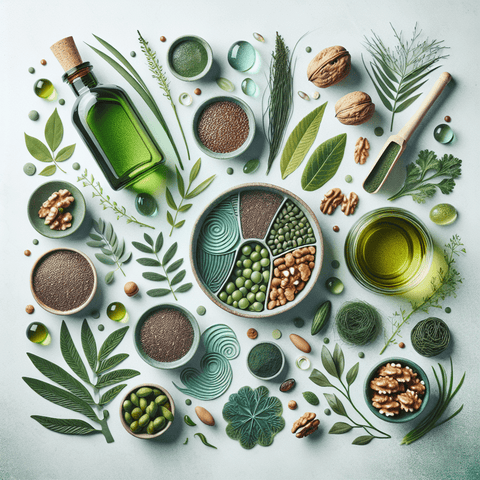
Plant-Based Omega-3: What You Need to KnowOmega-3 fatty acids are essential fats that support heart, brain, and joint health. While fish and seafood are well-known sources, plant-based eaters can get omega-3s from alpha-linolenic acid (ALA) found in certain seeds, nuts, and algae. This article focuses on the plant-based foods highest in ALA, the type of omega-3 predominant in plants, and how to optimize your intake for overall wellness.Top Plant Sources of ALA Omega-3The richest plant-based sources of ALA include flaxseeds, chia seeds, walnuts, and hemp seeds. Just one tablespoon of ground flaxseed provides about 1.6 grams of ALA, while chia seeds offer around 2.5 grams per tablespoon. Walnuts contain approximately 2.5 grams per 28-gram handful, and hemp seeds deliver about 1 gram per tablespoon. These foods are versatile and can be easily added to smoothies, salads, oatmeal, and baked goods to boost your daily omega-3 intake.Boosting EPA and DHA on a Plant-Based DietWhile ALA is beneficial, the body converts it to EPA and DHA only inefficiently—typically 5-15%. For more direct support, consider algae-based supplements, which provide EPA and DHA without fish. Combining ALA-rich foods with high-quality algae oil can help bridge the gap and ensure you meet your omega-3 needs. Always choose reputable products and consult a healthcare professional if you have specific health concerns.