Why Plant Origin Vitamin D3 Is Gaining Attention
Vitamin D is essential for health, yet a significant portion of the global population has insufficient levels. Traditionally, the most effective supplement form, Vitamin D3, has been derived from animal sources like lanolin (sheep's wool) or fish oil. This creates a dilemma for those following vegan or plant-based lifestyles. However, a sustainable and entirely plant-based source of Vitamin D3 has emerged, offering a solution that aligns with both health goals and ethical values.
The Difference Between Vitamin D2 and Vitamin D3
Vitamin D exists in two primary forms. Vitamin D2 (ergocalciferol) is derived from yeast and mushrooms, making it a common choice for vegan supplements. Vitamin D3 (cholecalciferol) is the form naturally produced in human skin when exposed to sunlight and is also found in animal foods. Research suggests that Vitamin D3 is more effective at raising and maintaining overall blood levels of Vitamin D compared to D2, making it the preferred form for many.
What Does “Plant Origin” Mean for Vitamin D3?
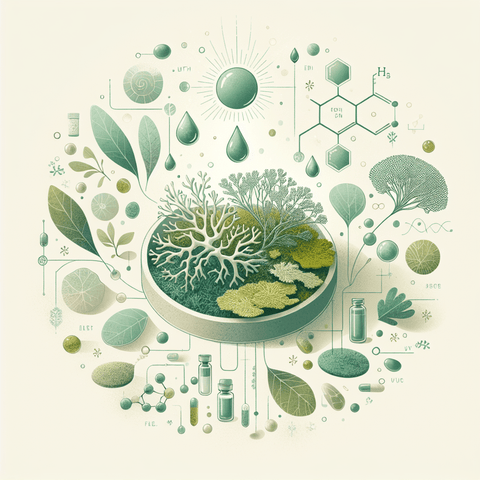
Plant origin Vitamin D3 refers to cholecalciferol that is not sourced from animals. Instead, it is extracted from lichen—a unique, symbiotic organism composed of fungi and algae. Lichen naturally produces Vitamin D3 when exposed to UV light. This process results in a vegan, non-animal form of D3 that offers the same biological benefits as its animal-derived counterparts, without compromising plant-based principles.
How Plant-Based Diets Often Fall Short of Optimal Vitamin D Levels
Individuals following vegan or vegetarian diets face a higher risk of low Vitamin D status. This is primarily because the richest natural dietary sources—such as oily fish, egg yolks, and liver—are animal products. Without these, plant-based eaters must rely on fortified foods, sun exposure, or supplements to meet their needs, and often, these sources are insufficient to maintain optimal levels, especially during winter months or for those with indoor lifestyles.
What Is Vitamin D3 and How Does It Function in the Body?
Vitamin D3 is a fat-soluble secosteroid that functions more like a hormone than a traditional vitamin. It acts on nearly every cell in the body, influencing a vast array of physiological processes. Its role extends far beyond the well-known benefits for bones, impacting systems throughout the body.
The Biological Role of Vitamin D3 in Calcium Absorption and Bone Health
The most established function of Vitamin D3 is its role in regulating calcium and phosphorus absorption from the digestive tract. Without sufficient Vitamin D, the body can only absorb a fraction of dietary calcium needed to build and maintain strong bones. This can lead to soft, brittle bones, increasing the risk of conditions like osteoporosis and fractures, particularly in older adults.
Beyond Bones: Immune Support, Muscle Function, and Cell Regulation
Vitamin D receptors are present in a wide range of cells, including those of the immune system, muscles, and brain. In the immune system, it helps activate the body's first line of defense against pathogens. In muscles, adequate Vitamin D is crucial for strength and coordination, reducing the risk of falls in the elderly. Furthermore, it plays a role in regulating cell growth and differentiation, contributing to overall cellular health.
Understanding Vitamin D Metabolism: From Skin Synthesis to Dietary Intake
Vitamin D metabolism is a complex process. When UVB rays from sunlight hit the skin, a cholesterol derivative is converted into Vitamin D3. This form then travels to the liver, where it becomes calcidiol (25-hydroxyvitamin D)—the compound measured in blood tests. Finally, in the kidneys, it converts into calcitriol (1,25-dihydroxyvitamin D), the active hormonal form. Both dietary intake and sun exposure contribute to this process.
Why Vitamin D3 Matters for Overall Health and Wellbeing
Maintaining adequate levels of Vitamin D is not just about preventing rickets. Emerging research continues to highlight its importance in preserving general health, mental wellbeing, and a robust immune system.
The Connection Between Vitamin D Status and Mood or Seasonal Wellbeing
Several studies have found a link between low Vitamin D levels and mood disturbances, including symptoms of Seasonal Affective Disorder (SAD). While causality is still under investigation, Vitamin D is believed to influence the production of serotonin, a neurotransmitter that regulates mood. Ensuring adequate levels may support a more stable emotional state, particularly during low-sunlight months.
Vitamin D3’s Role in Maintaining Healthy Immune Defenses
Vitamin D is a critical modulator of both the innate and adaptive immune systems. Deficiencies have been linked to a higher susceptibility to common infections, particularly respiratory tract infections. By supporting the function of immune cells, adequate Vitamin D status helps the body effectively respond to threats while also helping to regulate inflammatory responses.
Long-Term Health Associations Linked to Adequate Vitamin D Levels
Observational studies have consistently associated healthy Vitamin D status with a lower risk of developing chronic conditions. These include cardiovascular disease, type 2 diabetes, and certain autoimmune disorders. While more interventional research is needed to prove causation, the existing body of evidence strongly supports the importance of maintaining sufficient Vitamin D levels throughout life for long-term health.
Recognizing When Your Vitamin D Levels Might Be Low
Many people walk around with insufficient Vitamin D without realizing it, as the symptoms can be subtle and non-specific.
Common Signs Often Associated with Insufficient Vitamin D
Individuals with low levels may experience:
- Persistent fatigue and tiredness that isn't relieved by rest.
- Bone and back pain due to reduced bone density.
- Muscle weakness or muscle aches without a clear cause.
- Frequent illnesses or infections, particularly colds and flu, due to weakened immunity.
- Low mood or feelings of depression.
Why Symptoms Alone Aren’t a Reliable Indicator of Deficiency
These symptoms are highly common and can be caused by numerous other health conditions, from stress to anemia or thyroid dysfunction. Relying solely on how you feel is often inaccurate and can lead to either unnecessary worry or overlooking a real deficiency. It is impossible to guess your Vitamin D status simply by checking for symptoms.
The Importance of Blood Testing for Accurate Vitamin D Assessment
The only reliable way to know if your Vitamin D levels are insufficient is through a blood test that measures serum 25-hydroxyvitamin D. This test provides a precise reading of your current status and is an essential tool for determining whether lifestyle changes or supplementation are necessary, and in what amounts.
Key Factors That Contribute to Low Vitamin D3 Levels
Several common factors can disrupt the body's ability to produce or absorb Vitamin D, contributing to global prevalence of deficiency.
Limited Sun Exposure: Indoor Lifestyles, Latitude, and Seasonal Changes
Our primary source of Vitamin D is sunlight. However, working indoors, living in high-latitude regions with limited winter sunlight, and regularly using high-SPF sunscreen can all drastically reduce the skin's capacity to synthesize Vitamin D. During winter in many climates, the sun's rays are simply too weak to trigger adequate vitamin D production.
The Impact of Age on Skin Synthesis and Kidney Conversion
As we age, our skin becomes less efficient at producing Vitamin D from sunlight. Additionally, kidney function can decline with age, reducing the conversion of Vitamin D into its active form. This combined effect makes older adults particularly vulnerable to deficiency, even with adequate sun exposure.
How Digestive Health and Absorption Influence Vitamin D Status
Since Vitamin D is fat-soluble, its absorption in the gut depends on dietary fat and healthy digestive function. Conditions like Crohn's disease, celiac disease, or cystic fibrosis that cause fat malabsorption can significantly reduce the body's ability to absorb Vitamin D from both food and supplements, leading to low levels despite adequate intake.
Medication Interactions and Their Effect on Vitamin D Metabolism
Certain medications can interfere with Vitamin D metabolism. These include some anti-seizure drugs, glucocorticoids (steroids), certain weight-loss drugs like orlistat, and some cholesterol-lowering medications. These drugs can either increase the breakdown of Vitamin D or reduce its absorption, increasing the risk of deficiency over time.
Why Individual Vitamin D Needs Vary from Person to Person
There is no one-size-fits-all recommendation for Vitamin D intake. Individual requirements are influenced by a complex mix of genetic, physiological, and lifestyle factors.
Genetic Variations Affecting Vitamin D Binding and Utilization
Genetic differences, or single nucleotide polymorphisms (SNPs), can affect proteins like the Vitamin D receptor (VDR) and Vitamin D-binding protein. These variations can influence how effectively Vitamin D is transported in the blood, taken up by cells, and utilized. This means some individuals may require higher intake levels to achieve the same blood concentration as others.
Body Weight and Fat Distribution: The Storage Factor
Vitamin D is a fat-soluble vitamin, meaning it can be stored in adipose (fat) tissue. Individuals with a higher body mass index (BMI) often have lower circulating levels of Vitamin D because it is sequestered and held in body fat. They may need larger doses of supplementation to increase their blood levels compared to individuals with lower body fat.
Dietary Patterns and Existing Nutrient Intake That Influence Requirements
The effectiveness of Vitamin D is dependent on other nutrients, particularly Magnesium and Vitamin K2. Magnesium is required to activate Vitamin D in the body. Without sufficient magnesium, supplemental Vitamin D cannot be properly used. Similarly, a lack of Vitamin K2 can lead to calcium being deposited in soft tissues rather than bones. A balanced diet rich in essential micronutrients supports better Vitamin D function.
Food and Lifestyle Strategies to Support Healthy Vitamin D Levels
Before considering supplements, it’s recommended to optimize what you can through diet and lifestyle. This provides a foundation for overall health and may be sufficient for some, particularly in summer months.
Natural Food Sources of Vitamin D: What’s Realistic on a Plant-Based Diet
For vegans and vegetarians, natural dietary sources are extremely limited. The only significant plant-based source is certain types of wild mushrooms exposed to UV light. For this reason, relying on food alone to meet Vitamin D targets on a plant-based diet is generally unrealistic, which is why fortified foods play a crucial role.
Safe and Practical Sun Exposure Guidelines for Vitamin D Synthesis
A practical approach to sunlight involves short, regular exposures of the arms and legs, without sunscreen, for approximately 10-30 minutes, depending on skin type, time of day, and geographical location. Aim for this exposure during midday when UVB rays are most potent. Subjective sunburn should be avoided at all times. After this period, sunscreen should be applied if you remain outdoors.
The Combined Role of Calcium, Magnesium, and Vitamin K2 in Vitamin D Function
Supporting your Vitamin D status involves more than just the vitamin itself. Calcium is the primary target of Vitamin D's activity in bones. Magnesium is a critical cofactor for enzymes that activate Vitamin D. Meanwhile, Vitamin K2 directs calcium into the bones and teeth where it belongs, preventing arterial calcification. A deficiency in any of these can impair the benefits of Vitamin D.
Evaluating Plant Origin Vitamin D3 Supplements
For many, including vegans, those in northern climates, and older adults, a plant-origin D3 supplement is a practical strategy to ensure adequate levels. However, all supplements are not created equal.
How Plant-Based Vitamin D3 Is Derived: Lichen as a Primary Source
Vegan Vitamin D3 supplements are primarily sourced from lichen. These are harvested from sustainable environments and exposed to UV light to stimulate Vitamin D production, which is then extracted to create a potent cholecalciferol. This form is chemically identical to animal-derived and sunlight-produced Vitamin D3, ensuring it functions the same way in the body.
Comparing Supplement Forms: Capsules, Tablets, and Liquid Drops
Vitamin D3 supplements come in various forms. Capsules can be either softgels (filled with oil) or hard-shell capsules (containing powder). Softgels often enhance absorption since Vitamin D is fat-soluble. Gummies are popular but often contain added sugars and are less precise in dosing. Liquid drops offer flexible dosing and are easy to swallow, making them a popular choice for those who dislike pills.
Bioavailability and Absorption: What the Evidence Says About Vitamin D3 Delivery
In general, the body absorbs Vitamin D3 well in any form, especially when taken with a meal containing fat. The entire formulation—whether it's a softgel filled with a carrier oil or a dry powder in a tablet—affects how quickly it disintegrates and is absorbed. Plant-based Vitamin D3 from lichen has been shown to have comparable bioavailability to lanolin-derived D3.
Varying Potencies and Recommended Dosages in Supplement Form
Supplements are typically available in strengths ranging from 400 IU to 5,000 IU or more. The appropriate dosage depends entirely on individual needs, including baseline blood levels, sun exposure, and genetics. Standard prevention guidelines often suggest 800-2000 IU daily, while correcting a deficiency may require higher doses under medical supervision.
What to Look for When Choosing a Plant Origin Vitamin D3 Product
Choosing a high-quality supplement requires careful label reading and an understanding of manufacturing practices.
Reading Labels for Ingredient Quality and Purity
Look for supplements that clearly state "Vegan" and "From Lichen." Check the inactive ingredients for unnecessary additives, preservatives, or artificial colors. High-quality products often use a base of organic olive oil or other beneficial carrier oils in softgels and are free from common allergens like gluten, soy, and dairy.
Identifying Third-Party Testing and Certification Marks
To ensure purity and accurate dosage, look for products that have been independently tested by third-party organizations. Certifications like NSF International, USP (United States Pharmacopeia), or the Informed Choice program add an extra layer of trust, confirming the product contains what the label claims and is free from harmful contaminants.
Understanding Excipients, Allergens, and Added Ingredients
Excipients are inactive substances used in manufacturing. Be aware of potential allergens like titanium dioxide, which is sometimes used as a coating. Choose a product that aligns with your dietary restrictions, checking for common allergens. For plant-based eaters, this includes ensuring no magnesium stearate or other capsules derived from animal gelatin are used.
Matching Supplement Form and Dosage to Your Personal Preferences
The best supplement is one you will remember to take consistently. If you dislike swallowing pills, opt for liquid drops. If you prefer capsules, choose a softgel to support absorption. Select a dosage that matches your needs—perhaps a lower dose for daily maintenance and a higher dose if you have a confirmed deficiency and are being guided by a professional.
Who Might Benefit Most from a Plant Origin Vitamin D3 Supplement
While not a universal need, certain groups are far more likely to benefit from a targeted and safe source of Vitamin D3.
Vegans and Vegetarians with Limited Fortified Food Intake
This is the most obvious group. For vegans and vegetarians who do not consistently consume fortified plant milks, orange juice, or cereals, or do not get regular, sensible sun exposure, a plant-origin D3 supplement bridges the nutritional gap between why D3 is preferable and the ethical need for plant-based sourcing.
Individuals with Restricted Sun Exposure or Living in Northern Climates
People who work night shifts, are housebound, or live in areas above the 37th parallel often cannot synthesize enough Vitamin D from sunlight, especially between October and April. For them, a supplement is a reliable, year-round way to maintain healthy levels.
Older Adults Seeking to Maintain Bone Strength and Mobility
Because skin synthesis and kidney conversion are less efficient with age, older adults have higher requirements for Vitamin D. Supplementation with calcium and Vitamin D is a cornerstone of bone health strategies to maintain strength and independent mobility, preventing falls and fractures.
When Professional Guidance and Testing Are Recommended
If you have a medical condition that affects fat absorption, take medications that interfere with Vitamin D metabolism, or have symptoms that concern you, seeking professional guidance is important. A healthcare provider can test your blood levels and prescribe an appropriate, individualized dose that is safer than self-supplementing with high doses.
Safety, Side Effects, and Interactions of Vitamin D3 Supplements
While Vitamin D is exceptionally safe when taken at recommended doses, excessive intake can be harmful. Understanding the boundaries of safe supplementation is key.
Understanding the Upper Intake Level and the Risk of Toxicity
Vitamin D toxicity is rare but serious, resulting from extremely high doses (typically over 10,000 IU daily for extended periods). It leads to hypercalcemia, or too much calcium in the blood, which can cause kidney stones, nausea, and weakness. The upper safe limit is generally considered to be 4,000 IU per day for adults, though higher doses under strict medical supervision may be necessary to correct a deficiency.
Potential Interactions with Common Medications and Health Conditions
Vitamin D can interact with certain drugs. For example, Orlistat (weight loss) and cholestyramine (cholesterol) reduce fat-soluble vitamin absorption. Thiazide diuretics can increase the risk of hypercalcemia when combined with high Vitamin D doses. Corticosteroids can impair Vitamin D metabolism. If you take regular medication, always seek medical advice before starting a high-dose supplement.
Important Considerations for Pregnancy, Breastfeeding, and Children
Vitamin D is crucial for fetus development and infant bone health. Pregnant and breastfeeding women often have higher needs. While supplementation is common and safe at recommended doses (400-800 IU), it's essential to take a dosage specifically approved by an OB/GYN. For children, always use a supplement dosed specifically for their age group to avoid any risk of overdose.
Making an Informed Decision About Your Vitamin D3 Intake
Deciding whether and how to supplement is a personal choice that rests on evaluating your unique circumstances.
Assessing Your Diet, Lifestyle, and Potential Risk Factors
Start by honestly evaluating your diet. Do you eat fortified foods daily? How much time do you spend outdoors, and at what latitude do you live? Are you over 65? Do you have any health conditions affecting absorption? Answering these questions helps determine your baseline risk for deficiency.
When Food Sources and Sunlight May Be Sufficient vs. When Supplementation Makes Sense
For a healthy individual who spends significant time outdoors in a sunny climate and eats a balanced diet, lifestyle alone may suffice. However, for the vast majority of modern people—especially those on plant-based diets or in urban, northern environments—reliance on lifestyle alone is unreliable, making a low-dose daily supplement a sensible insurance policy for optimal health.
How to Approach Product Selection Based on Your Specific Needs and Budget
Once a decision is made to supplement, focus on value, not just cheapness. A high-quality, third-party tested product from a trusted source offers certainty of dosage and purity with minimal risk. Budget-conscious consumers can look for liquid drops, which are often more cost-effective over the long term than premium gummies or capsules.
The Value of Repeat Testing and Adjusting Your Strategy Over Time
Supplementation is not a "set and forget" strategy. Re-testing your blood levels after 3-6 months of consistent supplementation allows you to see if your current strategy is working or if the dose needs adjustment. This evidence-based approach ensures you are achieving and maintaining the optimal target range without overdoing it.
Final Thoughts on Plant Origin Vitamin D3
Plant origin Vitamin D3 represents a significant advancement, allowing millions of vegans and plant-based eaters to achieve their nutritional needs in an ethical and sustainable way without sacrificing efficacy.
The Bottom Line for Vegans and Plant-Based Eaters
Prioritizing Vitamin D is non-negotiable for those on a plant-based diet. Given the limited natural food sources, a plant-origin D3 supplement is not only appropriate but often essential for maintaining strong bones, a healthy immune system, and positive mood, especially outside of summer months. It removes the ethical compromise from health supplementation.
Taking a Balanced, Evidence-Based Approach to Your Health
Your journey should be guided by evidence—personal and scientific. Start with lifestyle optimization, know your numbers through testing, and then choose a supplement that fits your values and health needs. This balanced approach ensures that you are making informed, effective choices for your long-term wellbeing.
A Practical Summary of Actionable Steps for Maintaining Healthy Levels
Here is a practical approach to ensure optimal Vitamin D status:
- Get tested: Know your baseline 25-hydroxyvitamin D level.
- Optimize sunlight: Get regular, short periods of midday sun on bare skin.
- Eat smart: Include UV-exposed mushrooms and fortified plant milks in your diet.
- Supplement wisely: If needed, choose a plant-origin D3 softgel or liquid drop, taken with a meal containing fat.
- Retest: Check your levels again after 6 months to ensure you are hitting your target.
By staying informed and proactive, you can ensure your body has the "daily sunshine" it needs, regardless of where you live or what diet you follow.
Key Takeaways
- Vegan Availability: Plant origin Vitamin D3 is derived from lichen, making it a 100% vegan alternative to traditional animal-based D3.
- Superior Form: Vitamin D3 is generally more effective at raising blood levels of the vitamin than D2, which is not as effectively utilized by the body.
- Sub-Clinical Symptoms: Symptoms of Vitamin D deficiency like fatigue and muscle aches are subtle and can easily be attributed to other causes.
- Testing is Key: A blood test measuring 25-hydroxyvitamin D is the only reliable way to confirm your status and guide supplementation.
- Intake Influenced by Many Factors: Your individual need depends on sun exposure, age, genetics, body weight, and digestive health, not just dietary intake alone.
- Efficacy is Real: Plant-origin D3 is chemically identical to that produced by the skin and is just as biologically active and bioavailable.
- Holistic Nutrients Matter: Supporting nutrients like Magnesium, Vitamin K2, and Calcium are essential for Vitamin D to function correctly.
- Toxicity is Rare: While high-dose toxicity is a real risk, staying below the established upper intake limit (4,000 IU for adults) ensures safe use.
Frequently Asked Questions
What is plant origin vitamin d3?
Plant origin vitamin D3 is a type of cholecalciferol (Vitamin D3) that is sourced exclusively from lichen, a symbiotic organism of algae and fungi. It is processed to extract a form of Vitamin D3 that is chemically identical to that from animal sources, providing a vegan-friendly option.
Why is plant origin vitamin d3 better than Vitamin D2?
Research suggests that Vitamin D3 is more effective at raising and maintaining overall Vitamin D status in the blood compared to D2. It has a higher binding affinity to vitamin D-binding proteins and stays in circulation longer, making it a more efficient option for correcting insufficiency.
How does Vitamin D3 affect mood and depression?
Vitamin D has been linked to mood regulation via its influence on serotonin production in the brain. Studies have found an association between low Vitamin D levels and an increased risk of depression and Seasonal Affective Disorder (SAD), although it is not a standalone treatment and doesn't work for everyone. Maintaining a healthy level is a sensible strategy for promoting mental wellbeing.
What causes vitamin d3 levels to be low?
Low levels are predominantly caused by a lack of adequate sun exposure. However, other factors include insufficient dietary intake, impaired absorption due to digestive diseases, aging skin, obesity (where fat sequesters the vitamin), and certain medications that accelerate its breakdown.
What are the common signs of vitamin d3 deficiency?
Common, albeit non-specific signs include persistent fatigue, general bone pain, and muscle weakness. Some people also report more frequent illnesses, hair loss, or a feeling of low mood. Because these symptoms overlap with many other conditions, they cannot confirm a deficiency by themselves.
What foods contain plant-based Vitamin D?
Naturally occurring plant-based sources are rare. Wild mushrooms exposed to UV light are the best whole-food source. Other options include fortified foods such as plant-based milk (soy, oat), orange juice, and certain breakfast cereals that have Vitamin D2 or plant-based D3 added to them.
Can you get enough Vitamin D from sunlight alone?
Yes, for many people, needs can be met by sunlight alone for parts of the year. However, this depends heavily on latitude, skin tone, time of day, and the amount of skin exposed. During winter, or for those who live in northern regions, sun exposure is often insufficient to meet targets, making dietary or supplemental sources necessary.
What is the recommended daily dosage for Vitamin D3 supplements?
The Recommended Dietary Allowance (RDA) is 600 IU daily for adults under 70 and 800 IU for those over 70. However, many experts recommend higher doses (1000–2000 IU daily) to maintain optimal blood levels, particularly for those with limited sun exposure. Dosages up to 4,000 IU are considered safe. Your specific dose should be confirmed with a blood test.
How long does it take to correct a Vitamin D deficiency?
With consistent supplementation, it can take approximately 2 to 3 months to significantly raise blood levels from a deficiency to a sufficient range. This timeline can vary based on the starting level, the dosage taken, and individual absorption rates. Re-testing after this period is recommended to gauge progress.
Are there any side effects of taking too much Vitamin D3?
Yes, taking excessive doses (usually exceeding 10,000 IU for prolonged periods) can cause Vitamin D toxicity. This leads to a buildup of calcium in the blood (hypercalcemia), which can cause symptoms like nausea, vomiting, weakness, and frequent urination, and can eventually lead to kidney stones and kidney damage.
Can plant origin Vitamin D3 interact with other medications?
Yes, Vitamin D can interact with various medications. Weight-loss drugs like Orlistat and cholesterol-binding resins can reduce its absorption. Corticosteroids and certain anti-seizure medications increase its breakdown. If you are taking prescription medication, you should consult your pharmacist or doctor before starting high-dose Vitamin D.
Is plant origin Vitamin D3 suitable for children and pregnant women?
Yes, it is generally safe and suitable. Vitamin D is crucial for fetal development and bone growth in children. However, the dosage should be carefully managed—pediatric doses are much lower than those for adults. Pregnant and breastfeeding women should always consult their healthcare provider for a suitable, safe dose.
Related Keywords
- plant origin vitamin d3
- vegan vitamin d3 supplement
- lichen vitamin d3 benefits
- vitamin d3 for plant based diet
- symptoms of vitamin d deficiency
- natural vitamin d sources for vegans
- vitamin d3 vs vitamin d2
- vitamin d metabolism and absorption
- safe vitamin d3 dosage
- how to increase vitamin d levels naturally
- vitamin d immune support
- vitamin d and mood connection