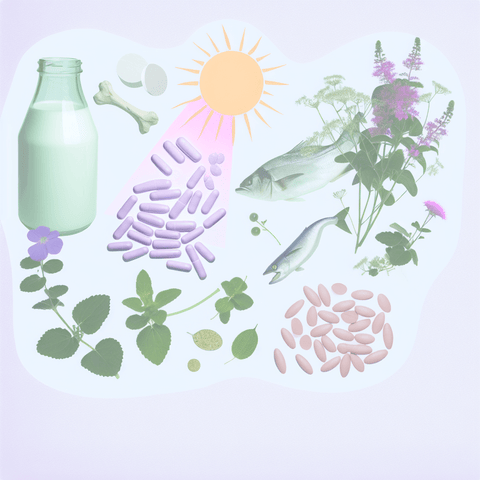
Menstruation can bring a host of challenges for many individuals, particularly in the form of premenstrual syndrome (PMS). While some may only experience mild discomfort, others find their daily lives significantly impacted by symptoms such as cramps, bloating, and mood swings. In this article, we will explore the best PMS supplements available to alleviate these symptoms and improve overall well-being. You will learn about the nature of PMS, the differences between PMS and related conditions, and how various supplements can support relief. By the end, you'll be equipped with knowledge to make informed decisions on supplements that may help ease your monthly challenges.
Introduction — PMS Supplements: Guiding Informed Relief for Cramps, Bloat & Mood
What You’ll Gain from This Article
This article aims to offer insights into PMS and its common symptoms, equipping you with reliable information about supplements that might help. You'll learn how to identify when to consider supplements, how to monitor their effectiveness, and the importance of individual variability in response to treatment.
The Practical Path: From Understanding Symptoms to Choosing Evidence-Based PMS Supplements on Topvitamine
Understanding the intricacies of PMS can guide you in selecting the right supplements for relief. We will discuss symptom identification, highlight evidence-backed options, and navigate the best practices for integrating these supplements into your wellness routine.
Core Explanation of the Topic
What is PMS and How It Presents
PMS is a complex condition characterized by a range of emotional and physical symptoms that occur in the luteal phase of the menstrual cycle. Common symptoms include:
- Cramps and pelvic pain
- Bloating and fluid retention
- Mood swings and irritability
- Fatigue and sleep disturbances
- Breast tenderness
How PMS Differs from Related Conditions (PMDD, Endometriosis, Thyroid Issues)
PMS is distinct from other related conditions. For example, Premenstrual Dysphoric Disorder (PMDD) includes more severe mood disturbances and is classified as a mental health disorder. Endometriosis is a chronic condition that involves painful tissue growth outside the uterus, while thyroid issues can lead to a range of systemic symptoms. Recognizing these differences is critical to effective management.
Common Symptom Clusters You Might Notice
Alongside the aforementioned symptoms, individuals may experience:
- Cramps and pain in the lower abdomen
- Water retention and bloating
- Digestive changes, such as constipation or diarrhea
- Disrupted sleep patterns
Why This Topic Matters
Daily Impact: Work, Sleep, Relationships, and Quality of Life
PMS symptoms can hinder daily activities, affecting work performance, personal relationships, and overall quality of life. Understanding potential relief options may empower individuals to approach their wellness proactively.
Public-Health and Personal Budgeting Angles: Why People Search for Relief Options
The search for PMS relief is not just a personal concern; it reflects wider public health interests. Many seek effective solutions that can minimize healthcare costs and maximize quality of life during challenging times.
The Safety-Forward Perspective: Why a Considered Approach to Supplements Matters
While supplements may offer benefits, a thoughtful approach is crucial. Understanding appropriate usage, potential interactions, and dosing can enhance safety and efficacy.
Related Symptoms, Signals, or Health Implications
Additional Signals to Monitor Alongside Cramps, Bloat, and Mood
In addition to common PMS symptoms, individuals may experience:
- Headaches or migraines
- Fatigue and lack of energy
- Changes in appetite, including cravings
Potential Health Implications Behind the Symptoms
While PMS can explain many symptoms, certain signs may necessitate medical evaluation. Severe symptoms, irregular cycles, or changes in menstrual patterns should prompt consultations with a healthcare provider.
Individual Variability and Uncertainty
How Response to PMS Varies Across Individuals and Cycles
PMS affects individuals differently due to factors like genetics, hormonal levels, lifestyle, and dietary habits. What works for one person may not work for another, underscoring the complexity of PMS management.
Uncertainty in Supplement Efficacy
The efficacy of supplements can vary greatly among individuals, influenced by specific hormonal profiles and lifestyle choices. It's essential to approach these options with realistic expectations and an understanding of variability.
The Role of Placebo and Study Limitations
Some individuals may experience improvements due to placebo effects. It's important to critically evaluate research and maintain a cautious perspective on outcomes, especially considering variability in response.
Why Symptoms Alone Do Not Reveal the Root Cause
Symptom Overlap with Other Conditions
While PMS symptoms may seem distinctive, they can overlap with other health conditions such as PMDD, thyroid disorders, and ovarian issues. Understanding these overlaps is crucial for effective management.
The Importance of Cycle Tracking and Context
Tracking menstrual cycles can provide valuable insights into symptoms' frequency, timing, and severity, aiding in recognizing potential underlying issues.
When to Pursue Medical Evaluation in Parallel with Self-Care
Consulting a healthcare provider is advisable in cases of severe, new, or rapidly changing symptoms, or when experiencing atypical cycle patterns. Identifying red flags is key to proactive care.
The Role of Nutritional Supplements in This Topic
What the Evidence Says (and What It Doesn’t)
Research has identified specific nutrients that may alleviate symptoms of PMS, though evidence varies in strength. It's essential to discern where studies show support and where gaps exist.
Key Ingredients Commonly Discussed for PMS Relief
Several key nutrients are frequently discussed for symptom relief:
- Calcium and Magnesium: May aid cramps and reduce bloating.
- Vitamin B6: Important for mood regulation.
- Vitex (Chasteberry): A herb thought to support hormonal balance.
- Omega-3 Fatty Acids: Known for their anti-inflammatory properties and potential mood support.
How Supplements Fit with Lifestyle and Dietary Factors
Adequate nutrition, exercise, sleep, and stress management contribute to PMS management. Supplements should complement, not replace, these foundational practices.
Safety and Interaction Considerations
Awareness of possible interactions with medications and individual intolerances is crucial. Consulting a healthcare professional before initiating any supplement regimen is recommended. Proper dosing and product quality are also significant.
How Nutritional Supplements Could Support
Targeted Relief Pathways by Symptom
Supplements can target specific PMS symptoms, such as:
- Cramps: Magnesium and calcium provide relief.
- Bloating: Electrolyte balance may be addressed with certain supplements.
- Mood: Omega-3s, B vitamins, and Vitex may help support mood regulation.
Reasonable Expectations and Timelines
Improvements with supplements may take weeks to manifest. It's vital to set a trial period of 6–8 weeks to properly assess responses and adjust as necessary.
When Supplements May Be Less Appropriate
For some, lifestyle changes or medical evaluation may take precedence over supplements. Addressing diet, stress levels, and health factors before supplementing is wise.
Decision-Support Section — When Nutritional Supplements Make Sense
A Practical Decision Framework
- 1) Assess symptom severity and its impact on daily life.
- 2) Review prior strategies (lifestyle, diet) and their results.
- 3) Consider a short, monitored trial of evidence-based supplements.
- 4) Plan tracking of symptoms, cycle timing, and any side effects.
Red Flags and When to Seek Professional Input
Monitoring for severe or unusual symptoms is crucial. Rapid changes or atypical patterns warrant consultations with a healthcare provider.
How to Trial Supplements Responsibly
When exploring supplements, start with well-supported ingredients, adhere to label directions, and reassess after several weeks for effectiveness and any side effects.
Practical Guide: Choosing PMS Supplements on Topvitamine
What to Look for on Product Pages
Prioritize clear ingredient lists, dosages based on evidence, third-party testing for quality assurance, and Good Manufacturing Practices (GMP) certification.
How to Compare Products (Value, Quality, and Evidence)
Evaluate cost-per-dose, ingredient quality, brand reputation, and transparent sourcing to ensure you're making a sound investment in your health.
Suggested Product Categories to Explore on Topvitamine
Consider browsing these categories for PMS-relief:
- Calcium-based formulations for cramps and bloating
- Magnesium-based products for cramp relief
- Vitamin B6-containing blends for mood support
- Vitex-based PMS support formulas
- Omega-3 fish oil or algae-based EPA/DHA blends for inflammatory mood support
How to Navigate Internal Topvitamine Links
Explore specific product categories relevant to your needs, including magnesium, vitamin D, and vitamin C.
Concluding Section — Connecting to Buying Nutritional Supplements on Topvitamine.com
Recap of Key Takeaways
Understanding your symptoms is crucial in guiding the decision to use supplements. While they can support some, they are not a universal solution, and monitoring your response is essential.
How Topvitamine Supports Informed Purchasing
At Topvitamine, you can find transparent product details, curated quality options, and reliable sourcing to assist you in making informed decisions about PMS supplements.
Call to Action
We encourage you to browse our PMS-relief supplement categories on Topvitamine. Consider a well-informed and evidence-based trial of supplements to find the best support for your monthly challenges.
Key Insights
- PMS affects individuals uniquely, with symptoms varying in severity.
- Tracking cycles and symptoms aids in understanding personal patterns.
- Combining lifestyle changes with supplements may enhance relief.
- Consult professionals for severe symptoms or irregular cycles.
- Proper product research ensures quality and safety in supplementation.
- Commonly recommended nutrients for PMS include calcium, magnesium, and omega-3s.
- Understanding effective dosages and interactions is key.
- Expect improvements from supplements after a consistent trial period.
- Monitor responses to supplements and adapt as necessary.
- Explore evidence-backed products to ensure informed choices.
Q&A Section
1. What is PMS?
PMS, or premenstrual syndrome, is a combination of physical and emotional symptoms that occur one to two weeks before menstruation. Symptoms can include cramps, bloating, mood swings, and other discomforts.
2. How do I know if I have PMS?
Individuals typically recognize PMS through symptom patterns that correlate with their menstrual cycle. Keeping a symptom diary can help clarify whether you are experiencing PMS or another condition.
3. Are PMS supplements effective?
Some people find relief through dietary supplements, particularly those containing calcium, magnesium, vitamin B6, and omega-3 fatty acids. However, effectiveness can vary, and scientific evidence is mixed.
4. Can lifestyle changes help with PMS?
Yes, lifestyle changes such as regular exercise, balanced nutrition, and stress management techniques can significantly alleviate PMS symptoms. Supplements may complement these efforts.
5. What are common nutrients in PMS supplements?
Common ingredients include calcium, magnesium, vitamin B6, Vitex (chasteberry), and omega-3 fatty acids, each targeted at relieving specific PMS symptoms.
6. When should I see a doctor about PMS?
Consult a healthcare provider if you experience severe or disabling symptoms, experience rapid changes in your menstrual cycle, or if your symptoms interfere significantly with daily activities.
7. How long will it take for PMS supplements to work?
Most supplements require a trial period of 6–8 weeks to measure their effectiveness, as relief may not be immediate. Consistency is crucial for evaluating their impact.
8. Are there any side effects associated with PMS supplements?
While many individuals tolerate supplements well, some may experience digestive upset or other side effects. Always consult with a provider before starting any new supplement regimen.
9. Can I take PMS supplements with other medications?
Some supplements may interact with medications, so it's vital to discuss any new supplements with a healthcare professional to ensure safe use.
10. What is the best way to choose a PMS supplement?
Look for supplements with clear ingredient lists, scientific backing, appropriate dosages, and certifications from reputable organizations. Comparing products for value and quality can also help in your decision.
11. How does tracking my cycle help with PMS?
Cycle tracking enables you to identify symptom patterns and potential triggers, helping you distinguish PMS from other conditions and facilitating proactive management strategies.
12. Can men experience PMS symptoms?
While PMS itself is linked to hormonal fluctuations in those with a menstrual cycle, individuals who experience similar emotional and physical symptoms due to hormonal changes may refer to it as premenstrual syndrome in their context. The experience differs, as the condition is fundamentally tied to the menstrual cycle.
Keywords
- PMS supplements
- PMS cramps relief
- PMS mood support supplements
- PMS bloating relief
- Calcium for PMS
- Magnesium for cramps
- Vitex for PMS
- Omega-3 for PMS
- PMDD awareness