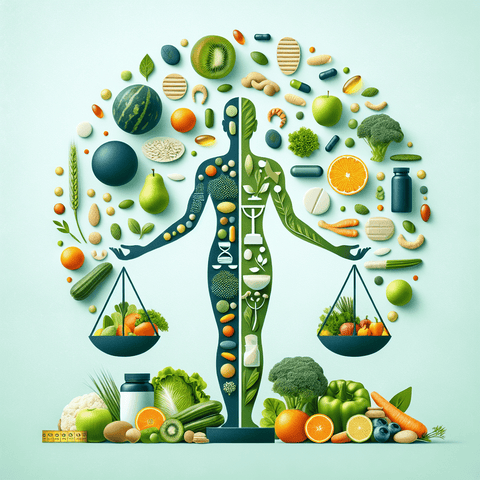
Poor nutrition is far more common than many people realize, and its effects extend well beyond the scale or the occasional craving. It is not simply about eating "badly" on occasion; rather, it describes a consistent pattern of dietary intake that fails to provide the body with the essential vitamins, minerals, and macronutrients it needs to function optimally. This article explores the broad topic of poor nutrition, from understanding what it is and recognizing the warning signs to exploring the root causes and outlining practical, evidence-informed steps you can take to restore balance.
What Is Poor Nutrition? A Complete Overview
At its core, poor nutrition refers to a long-term imbalance between the nutrients your body requires and what your diet actually provides. This can mean consuming too many calories from ultra-processed foods, but it also includes eating enough food yet still missing critical micronutrients like magnesium, vitamin D, or iron. It is a state of nutritional insufficiency that can exist even in the absence of hunger, placing stress on every system in the body—from cellular energy production to immune defense—and creating a foundation for chronic health issues.
Physical Signs Your Diet Is Missing Key Nutrients
Your body often sends signals when it is not receiving adequate fuel. While these signs can have multiple causes, they are worth paying attention to, especially if they persist despite a seemingly "normal" lifestyle.
The Mental and Emotional Impact of Nutrient Deficiencies
The impact of a poor diet extends far beyond the physical. The connection between what you eat and how you feel mentally is profound, driven by complex biological pathways. The gut and brain are in constant communication via the vagus nerve and chemical messengers. A diet low in fiber and high in processed foods can disrupt the gut microbiome, reducing the production of mood-regulating neurotransmitters like serotonin. This helps explain why poor nutrition is often associated with higher rates of anxiety and low mood. When your blood sugar crashes after a high-sugar meal, your body releases stress hormones like cortisol and adrenaline to bring it back up, causing energy crashes, irritability, and a cycle of cravings for more quick-energy foods.
Common Causes and Risk Factors Behind Unhealthy Eating Habits
Understanding why poor nutrition happens is key to fixing it. It is rarely a simple matter of choice; many factors converge to make healthy eating challenging.
- The rise of ultra-processed and nutrient-poor convenience foods that are engineered to be hyper-palatable but stripped of natural fiber, vitamins, and minerals.
- Socioeconomic and environmental barriers, including "food deserts" where affordable groceries are scarce and the higher cost of fresh produce compared to processed alternatives.
- Time constraints, stress, and "convenience reliance" that push people toward quick, easy meals that are frequently the least nutritious.
- Digestive and absorption issues, such as celiac disease, Crohn's disease, or chronic gut dysbiosis, which can impair the body's ability to utilize nutrients.
- Medication use that depletes key nutrients over time, including proton pump inhibitors, metformin, and diuretics, which can affect magnesium, B12, and potassium levels.
- Aging, which makes the body less efficient at absorbing nutrients while caloric needs often decrease, requiring more intentional nutrient-dense eating.
The Body on Empty: Nutrients Most Commonly Missing
While poor nutrition can lack many things, certain micronutrients are particularly vulnerable to being missed, especially in a modern eating pattern. It is entirely possible to consume too many calories while still being deficient in essential vitamins and minerals, because ultra-processed foods are energy-dense but nutrient-poor. Several nutrients stand out as being most commonly under-consumed in standard Western diets.
- Magnesium and B-vitamins, which are essential for energy production, muscle function, and neurological health. Research consistently shows that many people do not meet the recommended intake for these nutrients. You can learn more about magnesium's role in energy and muscle support.
- Vitamin D and omega-3 fatty acids, which are crucial for immune function, bone health, brain and heart health but are found in very few foods naturally. For more details, see the benefits and sources of vitamin D.
- Iron and zinc, which are essential for carrying oxygen in the blood, immune function, and wound healing, and are often lacking in diets low in red meat, shellfish, and legumes.
- Fiber, which feeds beneficial gut bacteria, regulates blood sugar, and promotes satiety. Most people consume far less than the recommended 25–38 grams per day.
Why a Deficient Diet Drives Weight and Metabolic Health
Poor nutrition is a primary driver of weight gain and metabolic dysfunction, often in ways that are not immediately obvious. Empty calories refer to foods that provide energy but little else. A nutrient-gapped diet, however, can still be high in calories but is missing the vitamins and minerals needed to process those calories efficiently. This can lead to a situation where the body is starved of essential nutrients, triggering hunger signals even when caloric intake is high. When your body lacks specific nutrients, it may drive cravings for more food in a misguided attempt to obtain them, which often leads to overeating calorie-dense, nutrient-poor foods, perpetuating the deficiency and creating a vicious cycle.
Why One-Size-Fits-All Nutrition Advice Falls Short
Nutritional needs are not universal. A diet that works for one person may be inadequate for another due to a range of individual factors. Genetic variations can affect how efficiently your body converts certain nutrients into their active forms. An athlete or a person with a physically demanding job will have higher requirements for certain nutrients than a sedentary person. Similarly, chronic stress depletes nutrients like magnesium and vitamin C at a faster rate, increasing daily needs. As mentioned, gut health and age significantly impact nutrient absorption.
Correcting Nutrient Gaps Through Food First Approaches
Before considering supplements, the first step is always to optimize your diet. Food provides a complex matrix of nutrients, fiber, and phytochemicals that work synergistically in ways that isolated supplements cannot replicate. To address common gaps, focus on incorporating these foods into your routine:
- Magnesium: Pumpkin seeds, almonds, spinach, black beans, and dark chocolate.
- B-Vitamins: Leafy greens, legumes, eggs, poultry, and nutritional yeast.
- Vitamin D: Fatty fish (salmon, mackerel), egg yolks, and fortified foods.
- Omega-3s: Salmon, sardines, walnuts, chia seeds, and flaxseeds.
- Iron: Red meat, lentils, spinach, and fortified cereals (pair with vitamin C for better absorption).
- Zinc: Oysters, beef, pumpkin seeds, and cashews.
- Fiber: Whole grains, oats, berries, apples, and all types of vegetables.
Protein is not just for muscle building; it is essential for satiety, blood sugar regulation, and immune function. Many nutrition experts recommend prioritizing high-quality protein at every meal to help stabilize energy and reduce cravings for processed snacks. You do not need to overhaul your entire diet overnight. Small, consistent changes can have a significant impact—start by adding a serving of vegetables to two meals a day, swapping a sugary drink for water, or choosing whole-grain bread over white. These modest corrections are sustainable and build momentum.
When Diet Alone Isn't Enough: The Role of Supplements
There are situations where diet alone is insufficient to correct a nutrient gap, and supplementation becomes a valuable tool. This is not a failure of willpower but a recognition of biological reality. If you have a diagnosed deficiency, a highly restrictive diet, or a condition that impairs absorption, food alone may not be enough to restore optimal levels. Individuals under chronic stress, intense physical training, or those with demanding cognitive workloads may also have higher nutrient needs that are difficult to meet through food alone. For conditions like iron-deficiency anemia or a confirmed vitamin B12 deficiency, supplementation is often medically necessary.
It is critical to view supplements as a safety net, not a license to eat poorly. They are designed to fill specific gaps, not to compensate for a consistently unhealthy diet. The foundation of good health is always a nutrient-dense diet, with supplements playing a supporting role where needed.
What to Look For in a High-Quality Supplement
If you decide that a supplement is necessary, the market can be overwhelming. Understanding a few key principles can help you choose a product that is safe and effective. The form of a nutrient matters—for example, vitamin B12 is better absorbed as methylcobalamin than cyanocobalamin for some people, and magnesium glycinate is often better absorbed and gentler on the stomach than magnesium oxide. Bioavailability refers to how well your body can absorb and use a nutrient, influenced by the chemical form, the presence of other nutrients, and the delivery system.
A single-ingredient supplement allows for precise dosing of a specific nutrient, which is useful for correcting a known deficiency. A high-quality multivitamin provides a broad base of nutrients and can be a convenient way to cover multiple potential gaps. The choice depends on your individual needs. For a deeper dive, explore our guide to multivitamins.
How to Read Supplement Labels Like an Expert
Learning to read a supplement label is an essential skill for making informed choices. Always check the serving size and the amount of active ingredient per serving—a product may look like a good value, but if the active dose is far below the clinically effective amount, it will not be useful. Look for products that have been independently tested by third-party organizations like USP, NSF International, or ConsumerLab. Certifications like Good Manufacturing Practices (GMP) ensure that the product is produced in a facility that follows quality control standards.
Check the label for common allergens like gluten, soy, dairy, and shellfish, especially if you have sensitivities. Also, be aware of hidden excipients like magnesium stearate or titanium dioxide, which are often used as flow agents or colorants but offer no nutritional benefit. Look for products that contain minimal, recognizable ingredients and are wary of unnecessary fillers, artificial colors, and preservatives.
Making Smart Decisions About Your Nutrition
Making the decision to supplement should be based on logic, not fear. Use this framework to guide your thinking:
- Assess your diet: Are you consistently eating a variety of whole foods? If yes, you may not need a supplement.
- Identify specific gaps: Do you avoid entire food groups (e.g., no fish, no dairy)? If so, you may be missing specific nutrients.
- Consider your lifestyle: Are you under high stress, training intensely, or over 50? These factors increase nutrient needs.
- Get tested: If you suspect a deficiency, ask your doctor for a blood test. This is the most reliable way to know.
- Start with food: Always try to correct gaps through diet first. Use supplements to fill the remaining void, not to replace healthy eating.
Safety First: Understanding Risks and Interactions
Supplements are not harmless just because they are natural. They can have side effects and interact with medications. Be aware of the Tolerable Upper Intake Level (UL) for vitamins and minerals—this is the maximum daily intake that is unlikely to cause adverse health effects. Taking megadoses of fat-soluble vitamins like A, D, E, and K can be toxic. More is not better.
Many supplements can interact with prescription medications. For example, vitamin K can interfere with blood thinners like warfarin, and St. John's Wort can reduce the effectiveness of many drugs. Always disclose all supplements you take to your doctor and pharmacist. If you are pregnant, nursing, have a chronic health condition, or are scheduled for surgery, it is mandatory to consult your healthcare provider before starting any new supplement.
Final Thoughts: Building a Better Relationship with Food
Transforming your health is not about perfection; it is about progress. It is about building a sustainable, positive relationship with food that nourishes your body and mind. You have learned that poor nutrition is a complex issue with far-reaching consequences, from fatigue and brain fog to mood disorders and metabolic disease. You have also learned that it is often driven by factors beyond your control, like food environments and stress.
The path forward is clear: prioritize whole, nutrient-dense foods, listen to your body's signals, and address specific gaps with targeted, high-quality supplements when necessary. By taking an informed, evidence-based approach, you can move from a state of deficiency to one of vitality. This is not about a quick fix, but about building a foundation for long-term health and well-being.
Key Takeaways
- Poor nutrition is a state of nutrient imbalance, not just a matter of eating "badly," and can exist even with sufficient calorie intake.
- Persistent fatigue, frequent illness, poor skin health, and brain fog are common warning signs that your diet may be lacking essential nutrients.
- The gut-brain axis means that poor nutrition can significantly impact mood, anxiety, and stress resilience.
- Ultra-processed foods, socioeconomic barriers, stress, and medication use are major contributors to poor nutritional status.
- Magnesium, B-vitamins, vitamin D, omega-3s, iron, zinc, and fiber are among the most commonly missing nutrients in a modern diet.
- Nutrient gaps can drive cravings and overeating, creating a cycle that leads to weight gain and metabolic issues.
- Individual factors like genetics, age, and lifestyle mean that nutritional needs are highly personal; one-size-fits-all advice is often inadequate.
- Correcting nutrient gaps should always start with a food-first approach, emphasizing whole, unprocessed foods.
- Supplements are a safety net for specific gaps, not a substitute for a healthy diet, and should be chosen based on quality, form, and bioavailability.
- Always consider safety, potential drug interactions, and consult a healthcare professional before starting new supplements, especially at high doses.
Frequently Asked Questions
Is One Multivitamin a Day Sufficient to Cover Poor Nutrition?
A multivitamin can help cover broad micronutrient gaps, but it is not a substitute for a healthy diet. It will not provide fiber or the complex array of phytochemicals found in whole foods. Think of it as a basic safety net, not a comprehensive solution. For a more targeted approach, you may need individual supplements based on your specific deficiencies.
Does Supplements Fight Against—or Mask—Poor Eating?
Supplements can mask the symptoms of poor eating by providing missing nutrients, but they do not address the root cause, which is a poor dietary pattern. Relying on supplements while continuing to eat ultra-processed foods means you are still missing out on the synergistic benefits of whole foods. It is a temporary fix, not a long-term solution.
How Long Does It Take to Feel a Difference After Improving Nutrition?
The timeline varies greatly depending on the nutrient, the severity of the deficiency, and the individual. Some people notice improvements in energy and mental clarity within a few days to a week, especially for B-vitamins or magnesium. For other nutrients like vitamin D or iron, it may take several weeks or even months of consistent intake to restore optimal levels and feel a significant difference.
Can I Take a Deficiency Test Instead of Self-Diagnosing a Diet Problem?
Yes, a blood test is the most reliable way to determine if you have a nutrient deficiency. Self-diagnosing based on symptoms alone can be inaccurate, as many symptoms overlap with other conditions. A healthcare professional can order the appropriate tests and interpret the results in the context of your overall health.
What Are the First Signs of Poor Nutrition to Look For?
Early signs often include low energy, difficulty concentrating, mood swings, and changes in skin or hair quality. You might also notice increased cravings for sugar or salty foods. These are subtle signals that your body is not getting the balanced fuel it needs to function optimally.
Can Poor Nutrition Cause Anxiety or Depression?
Yes, there is a strong link between diet and mental health. The gut-brain axis means that a diet lacking in nutrients like B-vitamins, magnesium, and omega-3s can negatively affect neurotransmitter production and contribute to symptoms of anxiety and depression. However, nutrition is just one factor, and mental health conditions are complex.
What Is the Single Most Important Dietary Change to Improve Nutrition?
There is no single "magic" change, but increasing your intake of fiber-rich vegetables and whole fruits is a powerful start. This automatically displaces less nutritious processed foods and provides a wide range of vitamins, minerals, and antioxidants. It is a foundational step that supports nearly every aspect of health.
Are Organic Foods Necessary to Avoid Poor Nutrition?
Organic foods can reduce exposure to pesticides, but they are not strictly necessary for good nutrition. The most important factor is eating a variety of whole, unprocessed foods, whether they are organic or conventional. The health benefits of eating more fruits and vegetables far outweigh the potential risks from pesticide residues.
How Does Stress Contribute to Poor Nutrition?
Stress affects nutrition in two main ways. First, it can lead to poor food choices, as people often reach for high-calorie, comforting foods. Second, chronic stress depletes the body of key nutrients like magnesium and B-vitamins, increasing your daily requirements and making you more susceptible to deficiencies.
Can I Get Enough Vitamin D from Food Alone?
It is very difficult to get enough vitamin D from food alone, as it is naturally present in very few foods. Fatty fish and fortified dairy products are the best sources, but you would need to consume them in large quantities daily. Sun exposure is the primary natural source, and supplementation is often necessary, especially in winter months or for people with limited sun exposure.
What Is the Difference Between Water-Soluble and Fat-Soluble Vitamins?
Water-soluble vitamins (like B-vitamins and vitamin C) dissolve in water and are not stored in the body, so they need to be consumed regularly. Fat-soluble vitamins (A, D, E, K) are stored in fat tissue and the liver, so they do not need to be consumed as frequently. However, this also means they can accumulate to toxic levels if taken in excess.
Is It Safe to Take High Doses of Individual Nutrients?
Not always. High doses of certain nutrients, especially fat-soluble vitamins and minerals like iron and selenium, can be toxic and cause serious health problems. It is important to stay within the Tolerable Upper Intake Level (UL) and to consult a healthcare professional before taking high-dose supplements. More is not better.
Related Keywords
- poor nutrition
- nutrient deficiency
- unhealthy eating habits
- micronutrient gaps
- signs of poor diet
- effects of processed food
- vitamin and mineral deficiency
- diet and mental health
- food first nutrition
- supplement safety
- nutrient absorption
- healthy eating patterns
- dietary supplements quality