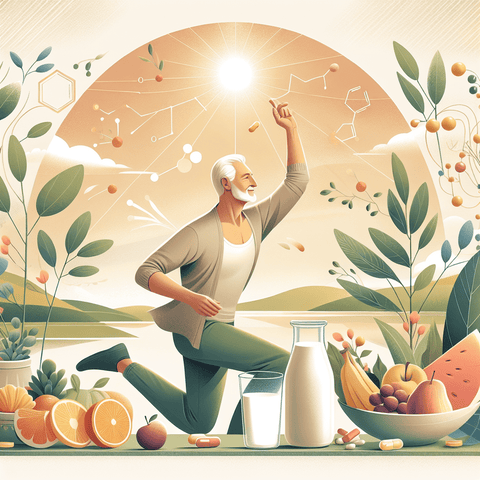
As we move through our 50s and beyond, maintaining health becomes a more conscious effort. One area that deserves attention is antioxidant support. Antioxidants are compounds that help neutralize free radicals—unstable molecules that can contribute to oxidative stress, a process linked to cellular aging and various age-related changes. This guide explores the role of antioxidant vitamins after 50, why your needs may increase, and how to incorporate them effectively into your daily routine.
Why Antioxidant Needs Change After 50
Our bodies are constantly generating free radicals as byproducts of normal metabolism, and external factors like pollution and UV radiation add to the load. Internally, we produce our own antioxidants to keep this balance in check. However, with age, the efficiency of these internal systems can decline. Additionally, the digestive system may absorb certain nutrients less effectively, making it harder to get everything we need from diet alone.
This doesn’t mean you need to panic. It simply means being more intentional about your antioxidant intake—both through food and, when necessary, supplements—to support your body’s natural defense mechanisms.
Key Antioxidant Nutrients for Adults Over 50
Several vitamins and minerals are particularly important for maintaining cellular health as you age. Each plays a unique role in the body's antioxidant network.
Vitamin C: The Water-Soluble Shield
Vitamin C is one of the most well-known antioxidants. It is water-soluble, meaning it works inside the watery parts of cells and in the blood. It also plays a vital role in collagen synthesis, which is important for skin, tendons, and blood vessels. Since the body doesn’t store vitamin C, regular intake is necessary. Good food sources include citrus fruits, strawberries, bell peppers, and broccoli. For more information on this nutrient, see the Vitamin C collection.
Vitamin E: Protecting Cell Membranes
Vitamin E is a fat-soluble antioxidant, meaning it protects fats in cell membranes from oxidative damage. This is especially important in tissues like the brain, eyes, and heart, which are rich in lipids. Almonds, sunflower seeds, spinach, and avocados are excellent dietary sources. To learn more, explore the Vitamin E collection.
Vitamin A and Beta-Carotene: For Vision and Immunity
Vitamin A is crucial for maintaining healthy vision, immune function, and skin integrity. Beta-carotene, found in plant foods, is a precursor that your body converts into vitamin A as needed. Sweet potatoes, carrots, and dark leafy greens are rich in beta-carotene. For further reading, see the Vitamin A collection.
Selenium and Zinc: The Mineral Helpers
Selenium is a trace mineral that is a vital component of antioxidant enzymes, such as glutathione peroxidase. Zinc supports immune cell function and acts as a cofactor for numerous enzymes. Both are often included in multivitamins designed for older adults. Learn more about these essential minerals in the mineral supplements guide
Coenzyme Q10 and Alpha-Lipoic Acid: Beyond Vitamins
While not vitamins, coenzyme Q10 (CoQ10) and alpha-lipoic acid (ALA) are important antioxidant compounds. CoQ10 is essential for mitochondrial energy production and naturally declines with age. ALA is both water- and fat-soluble, allowing it to function in various cellular environments. Both are often taken as supplements to support energy and antioxidant defense.
Antioxidant-Rich Foods and Lifestyle Habits
The most effective way to boost your antioxidant intake is through a varied diet. Aim for a “rainbow” of colorful fruits and vegetables, as different colors represent different antioxidant classes.
- Red foods (tomatoes, watermelon) provide lycopene.
- Orange/yellow foods (carrots, sweet potatoes) contain beta-carotene.
- Green foods (spinach, kale) offer lutein and zeaxanthin.
- Blue/purple foods (blueberries, grapes) are rich in anthocyanins.
In addition to diet, regular moderate exercise and adequate sleep support your body's own antioxidant systems, such as glutathione and superoxide dismutase. These lifestyle habits are powerful allies in maintaining cellular health.
Supplements: Bridging the Nutritional Gap
While food is the best source, there are times when supplements are beneficial. Reduced appetite, busy schedules, or digestive issues can create gaps in your diet. In such cases, a well-chosen supplement can act as an “insurance policy” to help cover your nutritional bases.
When selecting a supplement, consider these factors:
- Bioavailability: Choose absorbable forms, such as natural-source vitamin E (d-alpha-tocopherol) or chelated minerals like zinc picolinate.
- Combination vs. Single: A multivitamin formulated for those over 50 can be convenient, while single supplements allow for targeted support.
- Label Transparency: Understand the units (IU, mg, mcg) and check the Supplement Facts panel.
- Third-Party Testing: Look for seals from organizations like USP or NSF International to ensure quality.
For a comprehensive approach, reviewing a multivitamin guide can help you make informed choices. You can also explore a broader selection of antioxidant supplements to find what fits your needs.
Safety and Considerations for Supplement Use
While antioxidants are beneficial, it’s important to be cautious with high doses, especially of fat-soluble vitamins (A, E, D, K), which can accumulate in the body. High doses of vitamin E can interfere with blood clotting, and excessive vitamin A can be toxic. Additionally, some supplements may interact with medications—for example, vitamin E can enhance the effect of blood thinners.
Always discuss supplements with your healthcare provider, particularly if you have chronic conditions or take prescription medications. They can help you determine what’s safe and appropriate for your individual health profile.
Frequently Asked Questions
What supplements should you take after 50?
There’s no universal answer, but common recommendations include a multivitamin, vitamin D, vitamin B12, calcium, and magnesium, depending on your diet and health status. Antioxidant nutrients like vitamin C, vitamin E, and selenium are often emphasized for cellular support.
What is the most powerful antioxidant vitamin?
No single antioxidant is “most powerful.” Vitamin C is key in water-soluble environments, while vitamin E protects fats. Other compounds like CoQ10 and ALA are also crucial, especially for energy production. Each works differently, and they function best as a team.
What supplements should not be taken after 50?
Rather than avoiding specific supplements entirely, be cautious with high doses of fat-soluble vitamins and be aware of potential interactions with medications. Always consult a healthcare provider to ensure safety.
What vitamins should over 50 females take during menopause?
During menopause, focus on calcium and vitamin D for bone health, and B vitamins for energy. Antioxidants like vitamins C and E, selenium, and zinc can support skin health and immune function during this transition.
Key Takeaways
- Antioxidant needs increase after 50 due to natural declines in production and absorption.
- Key nutrients include vitamins C, E, A, selenium, zinc, and coenzyme Q10.
- A diet rich in colorful fruits and vegetables is the best antioxidant source.
- Supplements can bridge gaps when diet is insufficient, but choose high-quality products and avoid excessive doses.
- Always consult a healthcare provider before starting new supplements, especially if you take medications.