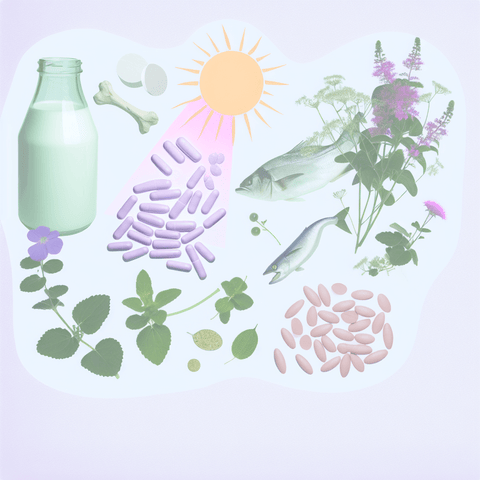
Feeling overwhelmed by the symptoms of premenstrual syndrome (PMS)? You're not alone. Many individuals experience cramps, mood swings, and fatigue during this phase of their cycle. In this comprehensive guide, we'll explore natural remedies for PMS, focusing on lifestyle adjustments, dietary changes, and nutritional supplements. You’ll learn about the biological factors behind PMS, practical techniques to alleviate symptoms, and professional guidance on when to consider supplements like magnesium and vitamin D. Understanding how to address these symptoms effectively can enhance your quality of life, making this topic essential for many.
Core explanation of the topic
What is premenstrual syndrome (PMS)?
PMS refers to a range of physical and emotional symptoms that occur in the luteal phase of the menstrual cycle, typically starting one to two weeks before menstruation. It differs from premenstrual dysphoric disorder (PMDD), which involves more severe emotional symptoms. The symptoms are often linked to fluctuations in hormones, neurotransmitters, and inflammatory markers, which can affect mood and physical comfort.
What counts as a “remedy” for PMS?
Effective premensrual syndrome remedies encompass a variety of approaches, including lifestyle changes (like improving sleep and managing stress), dietary patterns (such as increasing magnesium or omega-3 intake), and evidence-based nutritional supplements. Personalization is key, as the effectiveness of these remedies can vary significantly between individuals.
Why this topic matters
Impact on daily life
The symptoms of PMS can greatly disrupt daily activities, affecting work performance, personal relationships, and overall well-being. Many individuals report absenteeism from work or difficulty concentrating when experiencing these symptoms, underscoring the importance of effective management strategies.
Variability in experience
PMS symptoms can vary widely among individuals and even fluctuate from cycle to cycle within the same person. This variability makes it crucial for individuals to find approaches that work best for them.
Public health and personal well-being
Managing PMS effectively can have far-reaching benefits for mood stability, productivity, and quality of life. With the right strategies, individuals can reclaim their time and feel more in control of their physical and emotional health.
Related symptoms, signals, or health implications
Common PMS symptom clusters
- Cramps
- Breast tenderness
- Bloating
- Headaches
- Irritability
- Fatigue
- Sleep disturbances
- Mood swings
Signals that require careful evaluation
If symptoms are unusually severe, persist over multiple cycles, or are accompanied by alarming signs such as heavy bleeding or significant depression, it may be time to consult a healthcare professional for further evaluation.
Implications for broader health
Your nutrition, gut health, sleep patterns, and stress response can all influence PMS symptoms. A holistic approach to wellness can be beneficial in managing these symptoms effectively.
Individual variability and uncertainty
Hormonal and lifestyle factors that shape experience
Factors such as age, perimenopausal status, body mass index (BMI), physical activity levels, sleep quality, stress, nutrition, and baseline micronutrient status can all influence how individuals experience PMS.
Uncertainty about remedies’ effects
While many remedies exist, responses to them are not uniform. What works for one person may not work for another, and it is essential to approach remedies with an open mind and a willingness to experiment cautiously.
The role of personal experimentation
Tracking symptoms and making gradual changes can lead to the best outcomes. Selective interventions, based on individual symptoms and responses, can prove more effective than sweeping lifestyle changes without data to inform your decisions.
Why symptoms alone do not reveal root cause
The difference between symptoms and drivers
While cramps, mood swings, and bloating are prominent outputs of PMS, they often signal underlying issues such as hormonal irregularities, inflammation, or imbalances in gut health.
Potential root causes to consider
- Hormonal fluctuations
- Micronutrient deficiencies
- Chronic inflammation
- Imbalances in the gut microbiome
- Stress response
- Sleep disruption
The risk of misattribution
Focusing solely on symptoms can lead to ineffective remedies. Understanding root causes can guide more efficient and beneficial treatment strategies.
The role of nutritional supplements in this topic
What supplements can do—and what they cannot
Nutritional supplements can help support micronutrient status and may reduce certain symptoms; however, they should not be seen as a panacea for PMS. Consider consulting a healthcare professional before starting any new supplement regimen.
Evidence snapshot for common PMS-related ingredients
- Magnesium: May help alleviate muscle cramps.
- Calcium: Can aid in mood regulation.
- Vitamin B6: Supports neurotransmitter balance and can reduce irritability.
- Vitamin D: Important for mood health.
- Omega-3 fatty acids: Offers anti-inflammatory benefits.
- Chasteberry (Vitex): May assist with hormonal balance.
- Evening primrose oil: Often discussed for its potential benefits.
Safety, interactions, and quality considerations
Always consider dosing guidelines and possible interactions with medications. Opting for high-quality products from reputable sources is vital to your safety and health.
How nutritional supplements could support
Mechanisms of action for key ingredients
Understanding how different nutrients work can inform their use:
- Magnesium: Aids in muscle relaxation and mood stabilization.
- Calcium and Vitamin D: Support bone health and may positively influence mood.
- Vitamin B6: Assists in neurotransmitter regulation, potentially affecting mood and irritability.
- Omega-3s: Known for anti-inflammatory properties; may benefit mood.
- Chasteberry (Vitex): Can help balance hormones, reducing some symptoms.
Timing and cycle-focused use
Some supplements may be more effective when taken during the luteal phase of the menstrual cycle. Recognizing the timing can enhance their effectiveness.
Integrating supplements with lifestyle changes
Supplements work best when combined with healthy lifestyle practices, including good sleep hygiene, regular exercise, effective stress management, and a balanced diet.
Uncertainty, limitations, and evidence gaps
Honoring uncertainty
Understanding that not everyone responds to supplements is essential. Individual responses vary, and it's important to have realistic expectations.
Limitations of guessing
Relying solely on guesswork to diagnose and treat PMS can lead to ineffective choices. A data-informed approach is preferable.
Situations where supplements are more likely to help
Consider supplements if PMS symptoms persist across cycles, suggest dietary gaps, or are not manageable through lifestyle adjustments alone.
Decision-support section: when nutritional supplements make sense
Indications to consider supplements
If you experience recurrent PMS symptoms affecting daily functioning, supplements may offer a beneficial adjunct to your management strategy.
How to choose high-quality products
Look for supplements that have undergone third-party testing, contain transparent ingredient lists, and have appropriate dosages.
How to structure a safe trial
Start with one evidence-supported ingredient, maintain it for 6-8 weeks, and monitor any changes. Consulting healthcare professionals when necessary adds an extra layer of safety.
Situations where nutritional supplements become relevant
Specific symptom patterns that align with certain nutrients
Identifying symptom clusters can guide supplement choices: magnesium for cramping, omega-3s for mood issues, and B6 for irritability.
Dietary limitations or life stages
Individuals following restricted diets or going through life stages such as perimenopause may particularly benefit from magnesium and vitamin D supplementation.
When to escalate or seek medical guidance
Consult a healthcare provider if symptoms become severe, change rapidly, or are accompanied by warning signs.
Practical trial plan and monitoring
A structured 6–8 week trial framework
Begin with a baseline tracking phase. Choose 1-2 key supplements, adhere to dosing guidelines, and conduct safety checks throughout.
Symptom tracking and data capture
Utilize a simple journal or app to record cramp intensity, mood fluctuations, energy levels, sleep quality, and any adverse effects experienced.
Decision points during the trial
Determine whether to continue, adjust or discontinue based on symptom trajectory and tolerability.
Integrating into daily routine: practical tips
Scheduling and routines
Incorporate supplements into your daily schedule, perhaps pairing them with meals or bedtime for consistency.
Dietary harmony
Adhering to a PMS-friendly diet rich in balanced macro- and micronutrients, maintaining hydration, and exercising caution with caffeine and alcohol can enhance supplement effectiveness.
Safety reminders
In situations like pregnancy, drug interactions, or existing medical conditions, be cautious and consult a healthcare professional prior to starting new supplements.
Topvitamine-specific buying guide: choosing PMS-relevant supplements
Why buy supplements on Topvitamine
Topvitamine offers a wide range of high-quality products with an emphasis on selection, integrated quality controls, and trusted sourcing.
How Topvitamine ensures quality
Each product undergoes rigorous quality controls, third-party testing, and maintains transparent labeling to support informed buying decisions.
Suggested product categories for PMS
- Magnesium and calcium combinations for cramps and mood support.
- Vitamin D and omega-3 formulations for mood and inflammation balance.
- B-complex formulations aimed at neurotransmitter support.
- Chasteberry (Vitex) and other cycle-support blends.
- Evening primrose oil and other commonly discussed supplements.
How to evaluate a product listing on Topvitamine
Assess serving sizes, ingredient amounts, certifications, and user reviews to ensure the product meets your expectations.
Clear concluding section: connecting the topic to buying nutritional supplements on Topvitamine.com
Key takeaways recap
- PMS is a common issue but can vary widely in its presentation.
- Understanding the difference between symptoms and root causes is crucial.
- Nutritional supplements can be a helpful part of PMS management.
- Individual responses to supplements can differ; tracking is essential.
- Choosing high-quality, evidence-supported products is vital for safety and effectiveness.
- Integrating lifestyle changes alongside supplements yields the best results.
Next steps for readers
Start exploring Topvitamine’s selection of PMS-relevant products by searching terms like “PMS supplements,” “magnesium PMS,” and “calcium PMS.” A cautious, evidence-informed approach will be your best strategy moving forward.
Responsible usage reminders
When in doubt, consult with a healthcare professional, especially when symptoms are severe. Rely on evidence-based strategies rather than quick fixes.
Q&A Section
1. What are the most common symptoms of PMS?
The most common symptoms of PMS include cramps, mood swings, breast tenderness, bloating, headaches, fatigue, and sleep disturbances.
2. How can lifestyle changes help PMS?
Implementing lifestyle changes such as regular exercise, stress management, and improved sleep hygiene can significantly reduce PMS symptoms for many individuals.
3. What role do vitamins play in managing PMS?
Certain vitamins, like B6 and D, can help regulate hormonal fluctuations and improve mood, potentially alleviating some PMS symptoms.
4. Can dietary changes affect PMS symptoms?
Yes, dietary changes that focus on balanced nutrition, including increased magnesium and omega-3 fatty acids, can support overall menstrual health and potentially mitigate PMS symptoms.
5. Are there any risks associated with taking PMS supplements?
All supplements carry some risk of side effects and may interact with medications. It is advisable to consult a healthcare professional before starting any new supplement regimen.
6. How long should I try a supplement before seeing benefits?
It typically takes 6 to 8 weeks to see potential benefits from supplements, but individual responses can vary. Tracking changes during this period is crucial.
7. What should I do if my PMS symptoms are severe?
If you experience severe PMS symptoms, especially those that interrupt your daily life, it is important to consult a healthcare professional for personalized advice and potential treatments.
8. What is the best time in the cycle to take PMS supplements?
Taking PMS supplements during the luteal phase of the menstrual cycle, which begins after ovulation until menstruation begins, may maximize their effectiveness.
9. How does stress impact PMS symptoms?
Stress can exacerbate PMS symptoms by influencing hormonal balance and neurotransmitter activity. Effective stress management strategies can therefore reduce symptom severity.
10. Are there any particular nutrients that are most beneficial?
Nutrients like magnesium, calcium, vitamin B6, and omega-3 fatty acids have demonstrated supportive roles in managing PMS symptoms, according to various studies.
11. Can I combine different supplements for PMS management?
Yes, combining supplements like magnesium and vitamin B6 may have a synergistic effect. However, it’s best to consult with a healthcare professional before doing so to ensure safety and efficacy.
12. How can I tell if a supplement is right for me?
Assessing your unique symptoms, tracking dietary intake, and understanding potential nutrient deficiencies can guide you toward the most appropriate supplements for your needs.
Keywords
premenstrual syndrome remedies, PMS symptoms, magnesium PMS, vitamin D, nutritional supplements, lifestyle changes, hormone balance, omega-3 fatty acids, vitamin B6, chasteberry, dietary modifications, menstrual health.