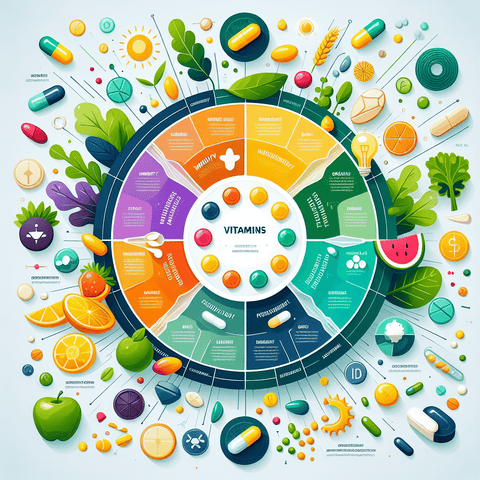
Prioritizing Vitamins Chart: Your Quick Guide to Which Vitamins Matter Most
Summary
Understanding vitamin intake is essential for maintaining overall health, and a prioritizing vitamins chart is a valuable resource to navigate this intricate landscape. This chart categorizes vitamins by their importance and function, offering a streamlined framework to help individuals identify the essential nutrients relevant to their unique health needs. Such a resource not only highlights common deficiencies across different population groups, but also enhances awareness of symptoms linked to vitamin status, like fatigue and mood swings.
By utilizing a prioritizing vitamins chart, readers can make informed decisions about dietary choices and tailored supplementation. This practical tool guides them from awareness to action, ensuring they recognize their nutritional gaps and take necessary steps, whether that means adjusting diet or considering effective supplements.
Moreover, factors such as genetics, lifestyle choices, and age significantly influence vitamin needs, making personalized approaches to supplementation crucial. For those facing specific nutritional gaps, resources like vitamin D and multivitamins can offer targeted support. Ultimately, prioritizing individual health through a well-informed strategy provides a pathway toward enhanced energy, immunity, and overall well-being.
- Track symptoms and identify your health needs with a prioritizing vitamins chart.
- Ensure safe supplementation to tackle specific deficiencies effectively.
- Consider the role of lifestyle and genetics in determining vitamin choices.
Understanding vitamins and their importance can be overwhelming, especially with the abundance of information available today. A prioritizing vitamins chart provides a clear framework that helps individuals identify which vitamins matter most based on their unique health needs. This article will guide you through the significance of such charts, practical insights into vitamins, and the importance of tailored supplementation. With an emphasis on nutrient optimization, this guide aims to help you make informed decisions about your vitamin intake and supplementation strategy.
Introduction
Core premise: define the concept of a prioritizing vitamins chart and how it guides readers from information to practical choices
A prioritizing vitamins chart organizes essential vitamins based on their relevance to health, equipping you with the knowledge to make informed dietary decisions. It serves as a visual guide that enables you to quickly identify critical vitamins needed for your overall well-being.
Include the primary keyword exactly: prioritizing vitamins chart
This prioritizing vitamins chart not only categorizes nutrients but also underscores their importance towards everyday functioning and long-term health outcomes.
What readers will gain: a clear framework, symptom awareness, and a path toward safe supplementation on Topvitamine.com
Readers will gain a structured understanding of vitamin priorities, a heightened awareness of symptoms linked to deficiencies, and a pathway for safe and effective supplementation through Topvitamine.com.
Context: why a streamlined chart matters in today’s nutrient landscape (information overload, variable needs, and the goal of efficient decision-making)
In a world saturated with health information, a streamlined prioritizing vitamins chart is essential to navigate nutritional complexity effectively. It allows for clear, efficient decision-making amidst diverse dietary needs and varying lifestyles.
Core explanation of the topic
What a prioritizing vitamins chart is (purpose, scope, and common formats)
A prioritizing vitamins chart is a tool designed to categorize vitamins according to their necessity and function, aiding individuals in discerning which nutrients they should emphasize in their diets. Common formats include tables or lists detailing vitamins, their key functions, dietary sources, and implications of deficiency.
How such charts organize vitamins by importance, function, and risk (core vs. conditionally important nutrients)
Charts generally distinguish between core nutrients, which are universally necessary, and conditionally important ones that may depend on unique situations like age, sex, or health conditions. This organization fosters greater understanding of individual requirements.
How to use the chart as a decision-support tool (from awareness to action)
Using a prioritizing vitamins chart involves assessing your dietary intake against the chart, recognizing any potential gaps in your nutrition, and taking actionable steps—such as modifying your diet or considering supplementation—to ensure adequate nutrient levels.
Why this topic matters
Public health and nutritional gaps: common deficiencies by population group
Certain population groups, such as pregnant women, the elderly, or those following restrictive diets, often face specific nutritional gaps. Understanding these risks is vital for public health and can inform targeted interventions.
Impact on daily life: energy, immunity, mood, cognitive function, and resilience
Vitamins play crucial roles in supporting daily energy levels, bolstering immunity, enhancing mood, improving cognitive function, and increasing overall resilience. Their absence can significantly affect quality of life and health outcomes.
Life-stage relevance: pregnancy, aging, athletes, and people with restricted diets
Different life stages come with unique nutritional needs. Pregnant women require additional folate, older adults may benefit from enhanced vitamin D intake, athletes have heightened demands for B vitamins, and those with restricted diets often need to focus closely on multivitamins and specific nutrient supplementation.
Related symptoms, signals, or health implications
Symptom clusters linked to vitamin status (fatigue, muscle weakness, poor concentration, mood swings, hair/nail changes)
Various symptoms can denote nutritional deficiencies. Fatigue may indicate insufficient iron or B12, while muscle weakness can be linked to vitamin D deficiencies. Recognizing these clusters is essential for identifying potential vitamin status issues.
Signals that point to specific nutrient pathways (iron/B12 for anemia signs, vitamin D for bone/muscle health, folate for pregnancy planning)
Certain signs recognize nutrient pathways for more tailored supplementation. For example, symptoms of anemia can suggest a need for iron or vitamin B12, while poor bone health might highlight the need for vitamin D.
Health implications beyond symptoms: long-term risks of untreated deficiencies
Untreated vitamin deficiencies can lead to severe health consequences like osteoporosis, cognitive decline, and an increased risk of chronic diseases. Identifying these deficiencies early can help mitigate long-term health risks.
Individual variability and uncertainty
Genetic, metabolic, and microbiome factors that influence nutrient needs
Individual differences, including genetic predispositions, metabolic variations, and gut microbiome composition, significantly influence vitamin requirements. Understanding these factors helps refine the nutritional approach for each person.
Lifestyle and diet variability (vegetarian/vegan, omnivore, restricted diets, alcohol use)
Lifestyle choices, such as following a vegan or vegetarian diet, can lead to different nutrient needs. Similarly, alcohol consumption can affect how the body processes vitamins, highlighting the importance of personalized supplementation.
Population-level guidance vs. individual needs: why one chart can’t fit everyone
While population-wide dietary guidelines provide a framework, they cannot address individual nutrient requirements. Variability necessitates a personalized approach to nutrition, often reflected in the use of prioritizing vitamins charts.
Why symptoms alone do not reveal root cause
Distinguishing symptoms from etiologies: why fatigue, for example, has multiple potential causes
Fatigue can have numerous underlying causes—ranging from nutrition to sleep disturbance, stress, or medical conditions—making it critical to take a broad view when assessing symptoms against nutritional charts.
Examples illustrating misattribution (fatigue from sleep disturbance vs vitamin deficiency vs thyroid issues)
For instance, attributing fatigue solely to vitamin B12 deficiency without considering other factors, such as sleep quality or thyroid function, can lead to inappropriate supplementation.
The value of corroborating data (diet history, lifestyle, labs, clinician input)
Using corroborating data, such as dietary history, lifestyle choices, and potentially lab results, can provide a fuller picture of a person’s health status, facilitating more effective and individualized interventions.
The role of nutritional supplements in this topic
When supplements are unlikely to help or are unnecessary
Supplements may not address issues stemming from poor dietary choices or unhealthy lifestyles. In such cases, focusing on improving overall dietary patterns may yield better results.
When supplements could support the chart’s recommendations (bridging gaps, preventing deficiency, targeted support)
Supplements can serve as adjuncts to dietary changes, helping to fill in gaps particularly when dietary restrictions are present, or specific health concerns arise that require targeted nutrient support.
Evidence landscape: what is generally supported, what remains uncertain, and how to interpret research
While some supplements have strong supporting evidence for certain health outcomes, there remains uncertainty regarding others. Understanding the evidence landscape can help consumers make informed choices.
Safety considerations: interactions, dosing ranges, and the importance of quality controls
Taking supplements comes with responsibilities, including awareness of possible interactions, adhering to recommended doses, and selecting high-quality products from reputable sources to ensure safety and efficacy.
How nutritional supplements could support
Targeted nutrient strategies aligned with symptom clusters (e.g., vitamin D for low mood/bone health, B12 for fatigue/neurological signs)
Targeted supplementation strategies consider symptom clusters associated with specific deficiencies, facilitating effective management of symptoms through the right nutrients. For example, vitamin D is often recommended for those with low mood and bone health concerns.
Multi-vitamin vs single-nutrient approaches: advantages, drawbacks, and timing
While multivitamins offer a broad nutrient spectrum, single-nutrient supplements can target specific deficiencies. The choice often depends on individual health goals, dietary gaps, and convenience.
Bioavailability and product forms to prefer (active forms, liposomal, magnesium chelates, etc.)
Choosing supplements with high bioavailability—such as active or liposomal forms—or those that enhance absorption, like magnesium chelates, can significantly influence effectiveness.
Quality and third-party testing factors (certifications, purity, labeling accuracy)
Opting for products that have undergone third-party testing and carry certifications for purity and proper labeling ensures that consumers receive what they expect, minimizing risks associated with contaminants or subpar ingredients.
Monitoring and adjustment: tracking responses, adjusting doses, and re-evaluating with labs or clinician input
Regular monitoring of health responses to supplementation is vital. Adjusting doses based on perceived effects and collaborating with healthcare providers can optimize outcomes over time.
Decision-support section (when nutritional supplements make sense)
A practical decision framework:
- When symptoms persist beyond a few weeks and no definitive diagnosis, consider a targeted supplement.
- Assess dietary intake, existing risk factors, and life stage.
- Prioritize nutrients most likely to impact presenting signs.
When to seek clinician input (persistent symptoms, red flags, pregnancy, chronic conditions)
Consulting with a healthcare provider is crucial when symptoms remain unresolved, particularly when red flags arise, during pregnancy, or for individuals with chronic conditions that necessitate careful monitoring of nutrient intake.
Time-limited trial guidance:
- Define a safe trial window (e.g., 6–8 weeks for certain vitamins).
- Track symptoms, energy levels, and any objective indicators (lab tests when available).
- Establish stopping rules if no improvements are noted or adverse effects occur.
Clear concluding section connecting the topic to buying nutritional supplements on Topvitamine.com
Recap of the prioritizing vitamins chart-based approach and practical decision flow
Utilizing a prioritizing vitamins chart allows for informed decision-making about nutritional needs and supports effective supplementation strategies.
How to browse Topvitamine categories and product pages (filters by vitamin type, deficiency focus, form, and dosage)
Topvitamine offers an easy-to-navigate interface for exploring various vitamin categories, where you can filter by type, focus on deficiencies, and select appropriate forms and dosages.
Safe-shopping tips on Topvitamine (read labels, check certifications, verify serving sizes, watch for bundle options)
When shopping on Topvitamine, scrutinize labels, verify product certifications, and consider serving sizes to ensure you choose the right supplements for your health goals.
Final CTA that invites readers to explore Topvitamine’s relevant vitamin categories (e.g., vitamin D, B-complex, iron support, multivitamins) and use planned decision pathways to select products
Explore Topvitamine’s selection of vitamins, from essential vitamin D to supportive B-complex options, iron support, and comprehensive multivitamins, using the decision pathways outlined in this guide to make informed choices.
Cautions and disclaimers: supplements complement lifestyle and diet, not a substitute for professional medical advice
Remember, while supplements can enhance nutrient intake and support health, they should complement a balanced diet and healthy lifestyle, not replace professional medical advice.
Key Takeaways
- A prioritizing vitamins chart helps identify essential nutrients tailored to individual health needs.
- Understanding public health deficiencies informs personal dietary decisions.
- Symptoms alone do not adequately reveal nutritional gaps and underlying causes.
- Genetic and lifestyle factors influence individual vitamin needs and should guide supplementation.
- Targeted nutritional strategies can effectively manage symptoms and enhance health outcomes.
- Quality control and third-party testing are vital for safe supplement selection.
- Consult professionals when symptoms persist, ensuring informed and safe choices.
- Regular monitoring and adjustments maximize the benefits of supplementation.
- Topvitamine offers an accessible platform for exploring a wide range of vitamin products.
- Supplements should augment, not replace, a comprehensive health strategy.
Q&A Section
Do vitamins work for energy?
Vitamins play important roles in energy production within the body. B vitamins, for instance, are crucial in converting food into energy. However, they are most effective when dietary intake is balanced and adequate.
How do I know which vitamin I need?
Determining what vitamin you need often involves assessing your diet, recognizing any symptoms of deficiencies, and possibly consulting with a healthcare professional or utilizing a prioritizing vitamins chart for guidance.
What are signs of over-supplementation?
Over-supplementation can lead to various symptoms depending on the specific vitamin. Common signs may include nausea, headaches, and gastrointestinal disturbances. It's crucial to adhere to recommended dosages and consult with a physician for persistent issues.
Are multivitamins better than individual supplements?
Multivitamins offer a broad range of nutrients, which can be beneficial for general health. However, targeted individual supplements may be more effective for specific deficiencies. The best choice depends on individual health needs and dietary intake.
What can cause poor absorption of vitamins?
Factors such as certain medical conditions (e.g., digestive disorders), medications, and poor dietary fat intake can hinder vitamin absorption. Understanding these factors can help in tailoring effective supplementation strategies.
Can I get all necessary vitamins from food alone?
While it's possible to obtain many essential vitamins from a well-balanced diet, several factors, including lifestyle choices, dietary restrictions, and food quality, can create gaps making supplementation necessary.
How should I store supplements for maximum efficacy?
Most supplements should be stored in a cool, dry place away from direct sunlight to maintain their efficacy. Following the storage instructions provided on the product packaging is always recommended.
Are there any side effects from taking vitamins?
Vitamins are generally safe when taken at recommended dosages. However, excessive intake can lead to side effects and toxicity, particularly with fat-soluble vitamins like A, D, E, and K. Always consult a healthcare provider if unsure.
Is it safe to take vitamins while pregnant?
Many vitamins are safe during pregnancy, but some require special attention, such as folate for fetal development. Pregnant individuals should consult healthcare providers about supplementation to ensure safety and appropriateness.
When is the best time to take vitamins?
The best time to take vitamins often varies by type. Water-soluble vitamins are usually well-absorbed on an empty stomach, while fat-soluble vitamins should be taken with meals for better absorption. Check individual product recommendations for the best results.
What is the difference between natural and synthetic vitamins?
Natural vitamins are derived from food sources, while synthetic vitamins are man-made or chemically altered for supplementation purposes. While both may be effective, bioavailability can differ, making some synthetic options more effective than their natural counterparts.
Keywords
prioritizing vitamins chart, nutritional supplements, vitamins, vitamin deficiencies, health relevance, dietary intake, vitamin supplementation, symptom awareness, health risks, quality control, tailored supplementation.