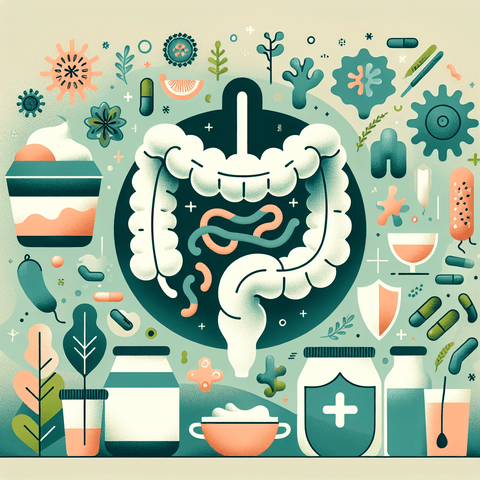
Understanding Probiotic Signs and Gut Flora Balance
Probiotic signs refer to the observable patterns people sometimes associate with a well-balanced gut microbiome. These may include regular and comfortable digestion, steady energy levels, balanced appetite cues, resilience to minor daily fluctuations, stable responses to routine stressors, even-looking skin, and a consistent daily rhythm. It is important to remember that these signs are individual and can be influenced by many factors beyond gut bacteria alone. No single cue confirms a definitive state of gut health, and self-observation should always be paired with guidance from a credible healthcare source when needed.
When You Might Consider Probiotics
Some people explore probiotics when they notice persistent digestive discomfort, frequent minor infections, skin irregularities, or shifts in energy and mood that do not have a clear cause. Others may consider them after antibiotic use or during periods of travel and dietary change. This tag page gathers broad, educational information about signs that probiotics may be working, signs that might suggest a need for support, expected timelines, and the difference between normal adjustment and side effects. It is designed as a topical hub to help you navigate related articles on gut health and probiotic use, not as a substitute for personalised medical advice.
Supporting Gut Flora Through Diet and Lifestyle
Beyond supplements, everyday habits can influence the gut environment. Fibre-rich foods, fermented foods, adequate hydration, regular sleep, and stress management are commonly discussed in the context of gut health. If you choose to explore probiotic or prebiotic supplements, quality, storage, and strain-specific information matter. This page provides a broad overview of those considerations and links to related Topvitamine categories so you can explore supplements, minerals, and superfoods that may support overall well-being. Always check with a qualified professional before starting any new supplement, especially if you have a health condition or take medication.