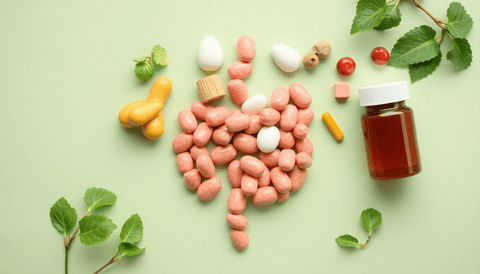
Probiotics and enzymes are two of the most commonly discussed tools for supporting digestion, yet they are frequently confused with one another. Probiotics are live microorganisms that contribute to a balanced gut microbiome, while digestive enzymes are proteins that help break down food into absorbable nutrients. This article explains what probiotics and enzymes are, how they differ, how they may work together, which foods naturally support digestion, and when supplementation may—or may not—be worth considering, so you can make an informed decision based on your individual digestive needs.
What Are Probiotics and Enzymes—and How Do They Differ?
Defining Probiotics: Live Microorganisms That Support Gut Health
Probiotics are live microorganisms—mostly bacteria such as Lactobacillus and Bifidobacterium species, and in some products yeasts like Saccharomyces boulardii—that, when consumed in adequate amounts, may confer a benefit to the host. They naturally reside in fermented foods like yogurt, kefir, sauerkraut, and kimchi, and are also available as supplements. Research suggests certain strains may contribute to a balanced gut microbiome, which is associated with digestive comfort, immune function, and other aspects of health. Importantly, benefits are strain-specific and dose-specific: a benefit demonstrated for one strain does not automatically extend to all probiotics.
Defining Digestive Enzymes: Proteins That Break Down Food
Digestive enzymes are proteins that catalyze the breakdown of food into smaller molecules your body can absorb. Your body produces most of these enzymes in the salivary glands, stomach, pancreas, and small intestine. Amylase breaks down starches, protease breaks down proteins, lipase breaks down fats, and lactase breaks down lactose, the sugar in milk. Some enzymes also come from food itself—for example, bromelain in pineapple and papain in papaya. Enzyme supplements are typically taken around mealtimes to support the digestion of a specific meal or food component.
Key Differences Between Probiotics and Enzymes
The fundamental distinction is function. Enzymes are chemical tools that help digest food; probiotics are living organisms that may influence the gut environment and microbial balance. Enzymes act directly on the food in your digestive tract and are not considered "living" or colonizing. Probiotics, by contrast, may temporarily or transiently occupy the gut and interact with the resident microbiota. They also differ in timing: enzymes are generally taken with meals, while probiotics may be taken with or between meals depending on the product. Because they serve different roles, one does not replace the other.
How Do Probiotics and Digestive Enzymes Work Together?
The Role of Enzymes in Breaking Down Proteins, Fats, and Carbohydrates
Efficient digestion begins with breaking food into particles small enough for absorption. Incomplete digestion of proteins, fats, or carbohydrates can contribute to sensations of bloating or fullness after meals in some people. Enzyme supplements—often combining protease, amylase, and lipase—are designed to complement the body's own enzyme output during digestion, particularly for meals that are large, fatty, or otherwise harder to digest.
How Probiotics Support the Gut Microbiome and Digestive Balance
Probiotics work differently: rather than digesting your meal directly, they may support the gut environment in which digestion takes place. A balanced microbiome is associated with regular bowel function, less gas production from fermentation, and healthy gut barrier function. Certain probiotic strains also produce their own enzymes or short-chain fatty acids during fermentation of dietary fiber, which may indirectly support digestive processes. In this sense, probiotics and enzymes operate at different stages of the digestive process and can be complementary rather than redundant.
Signs Your Digestion Might Benefit from Probiotics or Enzymes
Common Symptoms of Incomplete Digestion or Gut Imbalance
Experiences that people often associate with digestive strain include:
- Bloating or a feeling of fullness after meals
- Excessive gas or burping
- Discomfort after fatty or large meals
- Difficulty digesting dairy products (in the case of lactase)
- Irregular bowel habits
Why Symptoms Alone Do Not Confirm a Deficiency or Condition
These symptoms are common, non-specific, and can have many causes—including food intolerances, irritable bowel syndrome, stress, eating habits, or underlying medical conditions. Bloating after meals does not prove you lack enzymes, and gas does not confirm a microbiome imbalance. If digestive symptoms are persistent, severe, or accompanied by weight loss, blood, or pain, a medical evaluation is the appropriate first step, not self-prescribed supplements.
Factors That Can Affect Your Digestive Enzyme Activity and Gut Flora
Dietary Habits and Food Choices
Diets low in fiber offer less nourishment for beneficial gut bacteria, which can shape microbiome composition over time. Highly processed diets, irregular eating patterns, and very large meals can all increase the digestive workload. Conversely, a varied diet rich in plant foods provides both the substrates and the natural food enzymes and fibers that support digestion.
Age and Natural Declines in Enzyme Production
Enzyme production can change with age. Lactase levels, in particular, commonly decline after childhood in many populations, which is why lactose intolerance becomes more prevalent in adulthood. Pancreatic enzyme output may also decrease gradually with age, though this varies considerably between individuals and is generally modest in healthy people.
Medications, Stress, and Lifestyle Factors
Certain medications—most notably proton pump inhibitors and antibiotics—can influence digestion or the gut microbiome. Antibiotics, while sometimes necessary, temporarily disrupt gut bacteria. Chronic stress affects gut motility and secretion, and alcohol consumption can irritate the digestive tract and affect enzyme-producing organs. Smoking and poor sleep are also associated with less favorable gut health markers in observational research.
Why Digestive Needs Are Highly Individual
How Age, Health Status, and Diet Shape Your Requirements
Two people with similar symptoms may need entirely different approaches. Someone who struggles specifically with dairy benefits from a lactase-focused product; someone whose diet lacks fermented foods might focus on probiotics or dietary change; someone with a diagnosed pancreatic condition requires medical management, not over-the-counter enzymes alone. Age, existing conditions, medications, diet quality, and even genetics all shape digestive function.
When Testing or Professional Assessment Can Help
If symptoms suggest a specific intolerance—such as lactose intolerance—validated breath tests can confirm it. Persistent or severe digestive complaints warrant medical assessment to rule out conditions such as celiac disease, inflammatory bowel disease, or pancreatic insufficiency. A registered dietitian or physician can help determine whether dietary change, testing, or targeted supplementation is the most sensible path, and can identify when a symptom points to something that supplements cannot address.
Foods That Naturally Support Digestion and a Healthy Microbiome
Enzyme-Rich Foods to Include in Your Diet
Several whole foods contain naturally occurring enzymes: pineapple (bromelain), papaya (papain), kiwi (actinidin), mango, honey, and sprouted grains. While the amounts are modest compared to the body's own enzyme output, these foods are nutritious in their own right and may contribute minor digestive support when eaten with meals.
Fermented Foods and Prebiotics for a Healthy Gut Environment
Fermented foods—yogurt, kefir, sauerkraut, kimchi, miso, and tempeh—deliver live cultures alongside nutrients. Prebiotics, the fibers found in foods like garlic, onions, leeks, asparagus, bananas, and oats, feed beneficial gut bacteria and may support a healthy microbiome composition. For most people, consistently eating a varied, fiber-rich, partly fermented diet does more for long-term gut health than any single supplement, and it is the sensible starting point before supplementation is considered. Our probiotics and prebiotics overview offers further background on how these interact.
Combined Probiotic and Enzyme Supplements: What to Look For
Do You Need Both Probiotics and Enzymes in One Product?
Not necessarily. Combined products are convenient and can make sense if your goals align with both mechanisms, but there is no inherent requirement to take them together. Someone who only feels heavy after fatty meals may do better with a targeted enzyme product, while someone focused on long-term microbiome support may only need a probiotic or dietary change. Choosing a combined formula should be a deliberate decision, not a default.
Key Enzyme Types Worth Knowing: Protease, Amylase, and Lipase
Most broad-spectrum enzyme products include three core activities:
- Protease – breaks down proteins
- Amylase – breaks down starches and carbohydrates
- Lipase – breaks down fats
Targeted products may also include lactase (for lactose), alpha-galactosidase (for gas-producing sugars in beans and cruciferous vegetables), or cellulase. Matching the enzyme to the food component that troubles you is more useful than simply choosing the product with the longest ingredient list.
Probiotic Strains Most Studied for Digestive Support
Strains with comparatively more research behind them include Lactobacillus rhamnosus GG, various Bifidobacterium lactis strains, Lactobacillus plantarum, and Saccharomyces boulardii. Research suggests certain strains may support digestive comfort and bowel regularity, and S. boulardii has been studied in the context of antibiotic-associated disruption. Product labels should list strains precisely (including alphanumeric designations), because strain identity matters for interpreting the evidence.
When Supplementation May Be Worth Considering
Situations Where Dietary Intake May Fall Short
Supplementation may reasonably be considered when:
- You have difficulty digesting a specific food (e.g., lactose or legumes) and want targeted support
- Antibiotic use has temporarily disrupted your gut flora and your clinician suggests probiotics
- Your diet includes little or no fermented food and you are not currently able to change that
- Large or fatty meals consistently feel hard to digest despite generally healthy eating habits
Supplementation is situation-dependent rather than universally necessary, and it works alongside—not instead of—a good diet.
How to Choose Between a Probiotic, an Enzyme, or a Combined Formula
Match the tool to the goal. If your concern is meal-specific discomfort (heavy, fatty, or dairy-rich meals), an enzyme product taken with those meals is the logical choice. If your concern is longer-term digestive balance—for example, after antibiotics or with low fermented-food intake—a probiotic strain with relevant research may be more appropriate. If both situations apply, a combined formula or two separate products taken at the right times can be justified. A browse through our probiotic and prebiotic supplements can help you see the range of single-strain and multi-strain options available.
How to Interpret Probiotic and Enzyme Supplement Labels
Understanding Enzyme Activity Units (e.g., FIP, DU, HUT) and Serving Size
Enzyme potency is not measured in milligrams but in activity units, which reflect how much substrate the enzyme can break down under standardized conditions. Common units include HUT and SAPU (proteases), DU (amylase), FIP (lipase), and ALU (lactase). Higher numbers are not automatically better—what matters is whether the enzyme type and activity level are appropriate for your needs. Check the serving size carefully, since some labels list values per capsule while the recommended serving is two or more capsules.
Understanding CFUs, Probiotic Strains, and Storage Requirements
Probiotic potency is expressed in CFUs (colony-forming units)—the estimated number of viable microorganisms, often listed as CFU at time of manufacture or, more usefully, at end of shelf life. A well-designed label specifies the genus, species, and strain designation, plus the CFU count guaranteed through expiry. Storage requirements matter: some probiotics require refrigeration to maintain viability, while others are formulated to be shelf-stable. Follow the label to preserve potency.
Identifying Quality Indicators: Purity, Third-Party Testing, and Added Ingredients
Quality indicators include transparent strain and activity labeling, minimal unnecessary fillers or allergens, clear storage and expiry information, and third-party testing or certification. Probiotic manufacturing quality matters particularly because viability can degrade during storage. If you have allergies, review the full ingredient list—some enzyme products are derived from fungal sources or contain dairy-based components. Combining digestive supplements with a solid nutritional foundation, such as a well-chosen multivitamin, is a common approach for people focused on overall health, though it is not a substitute for digestion-specific choices.
Safety, Side Effects, and Interactions
Are Probiotics and Enzymes Safe for Most People?
For generally healthy adults, probiotics and digestive enzymes have a long history of use and are considered safe when taken as directed. Most digestive enzymes work locally in the gut and are not meaningfully absorbed into the bloodstream. Probiotics in foods have an extensive safety record in the general population.
Who Should Exercise Caution or Seek Professional Advice First
People who are immunocompromised, critically ill, or have central venous catheters should not use probiotics without medical guidance, as rare infections have been reported in vulnerable groups. Those with pancreatitis or other pancreatic conditions, recent gastrointestinal surgery, or serious chronic illness should consult a physician before using either type of supplement. Pregnant or breastfeeding women should also confirm supplement use with a healthcare professional.
Digestive Symptoms to Expect When Starting a Supplement
Mild, temporary gas, bloating, or changes in bowel habits can occur during the first days of probiotic use and often settle within one to two weeks. High-dose enzyme products can occasionally cause loose stools or stomach irritation. If symptoms are severe or persistent, stop the supplement and seek advice; an adverse reaction may indicate the product, the dose, or an underlying issue that needs assessment.
Making the Right Choice: A Practical Decision Guide
Questions to Ask Yourself Before Buying a Digestive Supplement
- Is my complaint tied to specific foods or meals (suggesting enzymes) or more ongoing and general (suggesting probiotics)?
- Have I already addressed the basics—fiber intake, fermented foods, eating pace, stress?
- Am I taking medications that affect digestion or the microbiome?
- Do my symptoms warrant medical evaluation first?
- What exact strain(s) or enzyme activities does the product contain, and is the evidence relevant to my goal?
When Food and Lifestyle Changes Should Come First
If your diet contains little fiber or no fermented foods, if you eat very quickly or irregularly, or if stress and poor sleep are dominating your routine, these are the areas with the strongest potential return on effort. Supplements can complement good habits, but they cannot compensate for habits that undermine digestion in the first place. Start with diet, reassess after a few weeks, and add targeted supplementation only where a specific, realistic need remains.
Final Takeaway: Supporting Digestion Through Nutrition and Smart Supplementation
Probiotics and enzymes play different, complementary roles: enzymes help break down the food you eat, while probiotics may support the microbial balance in which digestion occurs. For most people, a varied, fiber-rich diet with fermented foods lays the strongest foundation. Targeted supplementation—whether a specific enzyme for a specific food, a well-researched probiotic strain, or a combined formula—makes sense when a genuine gap exists, and quality matters when it does. Because digestive needs vary widely by age, diet, health status, and medication use, and because symptoms alone cannot diagnose a deficiency or condition, professional assessment is the right step for persistent or severe complaints. Smart supplementation starts with understanding your own digestive picture, not with the most heavily marketed product.
Frequently Asked Questions
What is the difference between probiotics and digestive enzymes?
Probiotics are live microorganisms that may support the balance of your gut microbiome, while digestive enzymes are proteins that chemically break down food into absorbable components. Enzymes act directly on your meal; probiotics act on the gut environment. They serve different purposes and are not interchangeable.
Can you take probiotics and enzymes at the same time?
Yes, they can generally be taken together and do not interfere with each other. Enzymes are typically taken with meals, while probiotic timing depends on the product—some are best with food, others between meals. Follow the label instructions for each product.
Do digestive enzymes work immediately?
Enzymes act during the meal they are taken with, so any effect on digesting that meal occurs within hours. This differs from probiotics, where any benefits, if they occur, typically emerge over days to weeks of consistent use.
Which foods are naturally rich in enzymes?
Pineapple (bromelain), papaya (papain), kiwi, mango, raw honey, and sprouted grains contain naturally occurring enzymes. The amounts are modest compared to your body's own enzyme production, but these foods are nutritious additions that may offer minor digestive support.
Are fermented foods better than probiotic supplements?
For general gut health, fermented foods provide live cultures plus nutrients and fiber, making them an excellent daily foundation. Supplements offer standardized, specific strains and doses, which is an advantage when targeting a particular purpose. The best choice depends on your goal, and many people benefit from both.
How many CFUs do I need in a probiotic?
There is no single "correct" CFU count; research studies have used doses ranging from roughly 1 billion to 100 billion depending on the strain and purpose. What matters more is that the product contains a strain studied for your goal at a dose shown to be effective, with CFUs guaranteed through expiry.
Do probiotics need to be refrigerated?
It depends on the formulation. Some probiotic products require refrigeration to maintain viable organisms, while others are stabilized for shelf storage. Always check the label and store accordingly, as improper storage can reduce potency over time.
What does HUT or FIP mean on an enzyme label?
These are enzyme activity units that measure how much substrate an enzyme can break down under standardized test conditions—HUT and SAPU for proteases, DU for amylase, FIP for lipase, and ALU for lactase. Activity units, not milligrams, indicate enzyme potency, so compare products by activity type and level rather than weight.
Can digestive enzymes help with bloating?
If bloating is linked to incomplete digestion of specific foods—such as lactose, beans, or fatty meals—a matching enzyme may provide targeted support. Bloating has many possible causes, however, so enzymes are not a universal solution, and persistent bloating deserves proper evaluation.
Are probiotics safe to take every day?
For generally healthy people, daily probiotic use is generally well tolerated, with mild gas or bloating possible in the first days. People who are immunocompromised, critically ill, or have serious underlying conditions should consult a doctor first. Long-term use should be guided by a clear purpose rather than habit alone.
Can enzymes or probiotics replace medical treatment for digestive conditions?
No. Conditions such as celiac disease, inflammatory bowel disease, or pancreatic insufficiency require proper medical diagnosis and treatment. Supplements may complement care in some situations, but only under professional guidance, and never as a substitute for diagnosis or prescribed therapy.
How long does it take to notice effects from probiotics?
For digestive purposes, some people notice changes in bowel habits or comfort within one to two weeks, though this varies by strain, dose, and individual. If a well-chosen probiotic produces no noticeable benefit after four to eight weeks of consistent use, it may not be the right fit for your situation.
Related Keywords
- probiotics and enzymes
- digestive enzymes supplement
- probiotics for gut health
- protease amylase lipase
- probiotic strains for digestion
- CFU probiotics meaning
- enzyme activity units HUT FIP
- fermented foods for gut microbiome
- prebiotics and probiotics together
- lactase enzyme supplement
- combined probiotic enzyme supplement
- gut health and digestion support
- best time to take probiotics
- digestive enzyme side effects