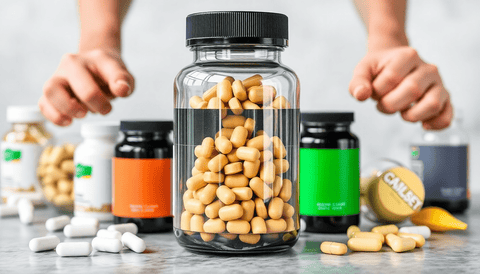
Probiotics for an active lifestyle have become a growing point of interest among athletes and fitness enthusiasts who want to get more out of their training. The gut microbiome plays a role in nutrient absorption, immune function, and even how the body handles the physical stress of exercise. This article explains what probiotics are, how gut health relates to energy, endurance, and recovery, which dietary strategies support a balanced microbiome, and when probiotic supplementation may—or may not—be worth considering. The goal is to help you make informed, evidence-aware decisions rather than chase trends.
Probiotics for an Active Lifestyle: What You Need to Know
What Exactly Are Probiotics and How Do They Work?
Probiotics are live microorganisms that, when consumed in adequate amounts, may confer a health benefit to the host. Most commonly, they are bacteria such as Lactobacillus and Bifidobacterium species, though certain yeasts like Saccharomyces boulardii are also used. They work by temporarily contributing to the gut microbial ecosystem, interacting with the intestinal lining and immune cells, and in some cases producing beneficial compounds such as short-chain fatty acids. It is important to note that effects are strain-specific and dose-specific: a benefit observed with one strain cannot be automatically assumed for another.
The Gut-Muscle Connection: Why Athletes Should Pay Attention
Research suggests that the gut and muscles communicate bidirectionally, sometimes described in emerging literature as the "gut-muscle axis." Gut microbes are involved in the fermentation of fiber into short-chain fatty acids, which have been associated with metabolic and anti-inflammatory processes. For physically active people, this is relevant because intense training places stress on both digestion and immune function. However, most evidence in athletes comes from small studies, and claims about direct performance enhancement should be viewed cautiously.
How Probiotics Differ from Prebiotics and Postbiotics
Probiotics are the live organisms themselves. Prebiotics are fibers and other compounds that the beneficial bacteria in your gut ferment—essentially the food for the microbes. Postbiotics are the byproducts or components of bacteria, such as short-chain fatty acids or bacterial cell fragments, which are being studied for potential health effects. A well-rounded gut-health strategy usually involves both: consuming fermented foods or probiotics and eating enough prebiotic fiber to sustain a diverse microbiome.
The Role of Gut Health in Athletic Performance and Daily Energy
How Gut Microbiota Influences Nutrient Absorption and Energy Production
The gut microbiota contributes to digestion by helping break down certain fibers and complex carbohydrates that human enzymes cannot process. Some microbes also participate in the synthesis of compounds involved in B-vitamin metabolism and the absorption of minerals. While the body's primary energy comes from macronutrients—carbohydrates, fats, and proteins—a well-functioning digestive system supports consistent nutrient availability, which matters for training energy and recovery.
The Link Between Intestinal Health and Systemic Inflammation
Intense exercise temporarily raises inflammatory markers, which is a normal part of adaptation. Research indicates that gut microbiota composition has been associated with systemic inflammation levels, and certain microbial metabolites, such as short-chain fatty acids, may support anti-inflammatory processes. This does not mean probiotics directly reduce exercise-induced inflammation in all cases, but a balanced gut ecosystem appears relevant to how the body manages inflammatory load.
Why a Healthy Gut Barrier Matters for Endurance and Recovery
The intestinal barrier is a single-cell layer that separates the gut contents from the bloodstream. During prolonged, intense endurance exercise, blood flow is redirected away from the digestive tract, which can compromise this barrier temporarily. When barrier function is reduced, unwanted molecules may pass into circulation more easily, potentially contributing to the discomfort and immune stress sometimes reported after long training sessions. Supporting the gut lining through nutrition is therefore considered a relevant factor for endurance athletes.
Common Digestive and Performance Issues in Active Individuals
Exercise-Induced Gastrointestinal Distress: Causes and Symptoms
Many active individuals experience gastrointestinal symptoms during or after intense exercise, including bloating, cramping, nausea, urgency, or reflux. These symptoms are often attributed to reduced intestinal blood flow, mechanical jostling of the digestive organs, dehydration, and the timing of meals before training. In endurance sports especially, GI complaints are among the most commonly reported problems and can interfere with performance and race-day fueling.
How Overtraining Can Disrupt the Microbiome
Emerging evidence suggests that periods of unusually heavy training load, particularly when paired with insufficient recovery, may be associated with changes in gut microbiota composition and reduced microbial diversity. Chronic overtraining also raises stress hormone levels and can disturb sleep and digestion. These associations are still being studied, but they highlight that recovery, not just training volume, matters for gut health.
The Impact of High-Intensity Training on Digestion
High-intensity and prolonged exercise can slow gastric emptying and reduce splanchnic blood flow, meaning the digestive system temporarily receives less blood. This is one reason eating large meals right before hard sessions often causes discomfort. Training the gut gradually—practicing race-day nutrition during training—is a well-known strategy used by endurance athletes to improve tolerance over time.
Contributing Factors: Why Active People May Have Imbalanced Gut Flora
Dietary Habits That Deplete Beneficial Bacteria
Diets low in fiber and high in ultra-processed foods provide little nourishment for beneficial gut bacteria. Active people sometimes restrict fiber heavily around training sessions for comfort, which is understandable in the short term, but chronically low fiber intake can reduce microbial diversity. Restrictive eating patterns, frequent skipped meals, and low intake of varied plant foods may all contribute.
The Role of Stress and Sleep in Gut Health
Psychological stress and poor sleep affect digestion through the gut-brain axis, altering gut motility and potentially influencing the microbiome. Athletes balancing demanding training schedules with work and life stress may find that digestive symptoms flare during high-pressure periods. Consistent sleep and stress-management habits are therefore part of any gut-health strategy.
How Antibiotics and Medications Affect Your Microbiome
Antibiotics, while sometimes medically necessary, affect both harmful and beneficial bacteria and can reduce microbial diversity for weeks or longer. Other medications, including non-steroidal anti-inflammatory drugs (NSAIDs), which many athletes use regularly, can irritate the digestive lining. If you have recently taken antibiotics, diet rich in fermented foods and fiber may support recolonization, though individual responses vary.
Environmental and Training Load Factors
Travel across time zones, competition stress, heat exposure, and sudden increases in training volume all place additional strain on the body. Frequent travel is common among competitive athletes and has been associated with digestive complaints and disrupted routines. These factors compound the everyday demands that an active lifestyle places on the gut.
Do You Need Probiotics? Signs and Individual Variability
Digestive Symptoms That May Indicate an Imbalance
Frequent bloating, irregular bowel movements, persistent discomfort after meals, or digestive symptoms that flare during training may suggest that gut function deserves attention. However, symptoms alone do not confirm a specific microbial imbalance, and persistent issues can have many causes, including food intolerances or underlying medical conditions. A healthcare professional can help identify what is actually going on.
How Age, Genetics, and Fitness Level Change Your Needs
Microbiome composition varies with age, diet, genetics, and environment. There is no single "ideal" microbiome, and individual responses to probiotics differ considerably. Training experience also plays a role: long-term consistent exercise has been associated with greater microbial diversity in some studies, which may mean the gut-health needs of a recreational exerciser and a professional athlete are not identical.
Are Probiotics Better for Endurance Athletes or Strength Trainers?
Most probiotic research in sports has focused on endurance athletes, partly because they experience the most digestive disruption during exercise. Some studies in endurance populations have reported fewer days with respiratory symptoms and, in some cases, improved GI tolerance during hard training. For strength trainers, evidence is sparser, and any benefit would most plausibly relate to general digestive and immune support rather than direct strength gains. The honest answer is that neither group should expect dramatic performance effects.
Dietary Strategies for a Performance-Supporting Microbiome
Top Whole-Food Probiotic Sources to Add to Your Diet
Fermented foods are the most natural way to consume probiotic organisms. Options include yogurt with live cultures, kefir, sauerkraut, kimchi, miso, tempeh, kombucha, and traditionally fermented pickles (not vinegar-pickled). Regular inclusion of a few of these foods offers a varied array of bacterial species, which may support a more diverse microbiome than any single supplement.
The Importance of Fiber and Resistant Starch for Gut Bacteria
Fiber is the foundation of microbiome health. Soluble fiber, insoluble fiber, and resistant starch (found in cooled cooked potatoes and rice, green bananas, and legumes) all serve as fermentation substrates for gut bacteria, producing short-chain fatty acids that support the gut lining. Aim for a wide variety of plant foods rather than a single type of fiber supplement.
Prebiotic-Rich Foods to Feed Beneficial Microbes
Prebiotic fibers are concentrated in foods like garlic, onions, leeks, asparagus, chicory root, Jerusalem artichokes, oats, and slightly under-ripe bananas. If you are not used to these foods, increase intake gradually, as a sudden jump in fiber can cause temporary bloating—a common experience for people adding more plant foods quickly.
Hydration and Its Effect on Digestion and Gut Lining
Dehydration slows digestion and can worsen GI symptoms during exercise. Adequate fluid intake supports regular bowel function and helps maintain the mucosal layer that protects the gut lining. Athletes with high sweat rates should pay particular attention to fluid and electrolyte replacement around long sessions.
Understanding Probiotic Supplements: A Practical Comparison
Which Specific Strains Have Been Studied for Athletic Wellbeing?
Strains that appear most often in sports-focused research include Lactobacillus plantarum, Lactobacillus fermentum, Lactobacillus acidophilus, Lactobacillus casei, Bifidobacterium longum subsp. longum, and Bifidobacterium animalis subsp. lactis. Some small trials reported fewer respiratory illness days or improved GI comfort in endurance athletes. However, results are mixed, study sizes are small, and effects should not be generalized beyond the specific strains tested.
Colony-Forming Units (CFUs): What the Number Really Means
CFU refers to the number of live organisms in a serving at the time of manufacture (or guaranteed through expiry, depending on labeling). Higher CFU counts are not automatically better; what matters is the dose used in the studies supporting a given strain and whether the product can deliver that dose through its shelf life. A quality product lists CFUs at expiry and specifies which strains it contains, with species and strain designations, not just genus names.
Single Strain vs. Multi-Strain Formulas: Which Is More Effective?
There is no clear evidence that multi-strain formulas are universally superior. Single-strain products make it easier to attribute effects and match research doses; multi-strain products may offer broader variety but only if each strain is present at a meaningful dose. The best choice depends on the reason for use and the quality of evidence behind the specific formulation.
Comparing Delivery Forms: Capsules, Powders, and Liquids
Capsules are convenient, protect organisms from moisture and air, and allow precise dosing. Powders can be mixed into drinks or yogurt and suit people who dislike capsules, but stability can vary once opened. Liquids, including kefir and drinking yogurts, offer food-based options but generally provide lower and less standardized doses. Freeze-dried capsule formats are the most common choice for targeted supplementation because they combine stability with accurate dosing.
When Supplementation May Be Relevant for Active Lifestyles
Situations Where Dietary Intake May Be Insufficient
Some people simply do not enjoy fermented foods, follow diets that exclude them (for example, dairy-free diets without alternatives), or travel frequently enough that consistent intake is impractical. In these situations, a probiotic supplement may reasonably be considered as a way to maintain regular intake, though it does not replicate the full spectrum of a food-based approach.
Periods of Heavy Training, Travel, or Competition
Some athletes choose to focus on gut support during demanding blocks—hard training camps, travel-heavy competition seasons, or periods when digestive symptoms have previously flared. This is a pragmatic, situation-dependent use rather than a permanent necessity. Note that some studies in athletes specifically examined supplementation during heavy training periods, which is where the most relevant evidence exists.
Distinguishing General Wellness Support from Treating a Medical Condition
It is crucial to separate nutritional support from medical treatment. Probiotics are not a substitute for medical care, and digestive symptoms that are severe, persistent, bloody, or accompanied by weight loss warrant professional evaluation. Certain strains are studied for specific medical indications, but those uses should be guided by a healthcare provider, not self-directed based on marketing.
How to Choose a Quality Probiotic Supplement
Key Quality Markers: Purity, Potency, and Third-Party Testing
Look for products that specify full strain names and numbers (for example, a strain code after the species name), state CFU content at expiry rather than at manufacture, and come from manufacturers who conduct quality testing. Third-party testing or certification adds assurance that the product contains what the label claims. Reputable brands publish information about their manufacturing and stability practices.
Evaluating Added Ingredients, Fillers, and Potential Allergens
Check the full ingredient list for allergens such as dairy, soy, or gluten if these matter for your diet. Some products include prebiotic fibers like inulin, which can be a bonus for gut health but may cause bloating in sensitive individuals. Fewer, well-chosen additional ingredients are generally preferable to long lists of fillers.
The Importance of Shelf Stability and Expiration Dates
Probiotics are living organisms, and their viability declines over time, especially with heat and moisture. Some products require refrigeration; others use freeze-drying and protective packaging to remain stable at room temperature. Follow storage instructions carefully, avoid products stored in warm environments, and never use products past their expiration date, as live counts cannot be guaranteed.
Safety, Side Effects, and Interactions with Other Supplements
Are There Upper Limits or Risks with Probiotics?
Unlike vitamins and minerals, probiotics do not have established upper intake levels in the same regulatory sense, and typical doses used in studies are generally well tolerated. However, higher CFU counts are not inherently safer or better. Individuals with seriously weakened immune systems, critically ill patients, or those with central venous catheters should not use probiotics without medical supervision, as rare infections have been reported in these groups.
Potential Side Effects and How to Minimize Them
The most common side effects are mild and temporary: gas, bloating, or changes in bowel habits, especially in the first days of use. Starting with a lower dose and increasing gradually, taking the product with food, and choosing a strain combination that suits you can improve tolerability. If symptoms persist or worsen, stop use and seek professional advice.
Interactions with Medications and Other Athletic Supplements
Probiotics are generally compatible with most sports supplements such as protein powders, creatine, or vitamins. Antibiotics are the main practical consideration: because antibiotics kill susceptible bacteria, taking probiotics a few hours apart from an antibiotic dose may improve probiotic survival, though evidence on the ideal timing is limited. If you take immunosuppressive medication or have a medical condition, consult your doctor before starting probiotics. If you are considering broader supplement support alongside probiotics, a well-formulated multivitamin can help fill general nutrient gaps, and minerals like magnesium for muscle and energy support are commonly relevant for active individuals.
Making an Informed Decision: Your Personalized Action Plan
Assessing Your Current Diet and Training Response
Start with an honest audit: How many servings of fermented foods do you eat weekly? How much fiber and how many different plant foods do you consume daily? Do digestive symptoms correlate with specific training sessions, foods, or stress periods? This assessment usually reveals more actionable insight than any product label.
How to Trial a Probiotic Supplement Effectively
If you decide to trial a supplement, choose a product with documented strains matching your goal, take it consistently for at least four to eight weeks, and keep simple notes on digestion, training comfort, and general wellbeing. Evaluate results against your notes rather than expectations. If nothing improves, the product may not be right for you—effects are highly individual, and trying a different strain or abandoning supplementation are both legitimate outcomes.
When to Consult a Healthcare Professional or Sports Dietitian
Seek professional guidance if you have persistent digestive symptoms, a diagnosed GI condition, a compromised immune system, or if you are planning significant changes to your supplement routine. A sports dietitian can also help integrate probiotics into a broader fueling strategy, including pre-training nutrition and recovery eating. For general background on sports-focused supplementation, our sports supplements guide provides useful context, and our probiotics and prebiotics collection shows how these products are typically categorized and formulated.
Conclusion: Supporting Your Active Lifestyle from the Inside Out
Final Takeaway: Food First, Supplementation When Needed
Gut health is a genuine consideration for active people, and a balanced microbiome may support digestion, nutrient availability, and immune function—all of which matter for training. But the fundamentals are unglamorous and effective: a varied, fiber-rich diet with regular fermented foods, adequate hydration, good sleep, stress management, and sensible training load management. Probiotic supplementation is a situational tool, not a performance shortcut, and its effects are strain-specific and individual.
Key Steps to Maintain Long-Term Gut Health and Performance
Build your routine around whole foods, adjust gradually, and pay attention to how your body responds across different training phases. If symptoms persist or you have medical concerns, involve a professional rather than self-diagnosing. Where supplementation fits, choose quality products with transparent labeling and realistic expectations. Supporting your active lifestyle from the inside out works best when diet, recovery, and any supplementation are aligned with your individual needs.
Key Takeaways
- Probiotics are live microorganisms that may support gut health, with effects that are strain-specific and dose-specific.
- Intense exercise temporarily reduces intestinal blood flow and can affect gut barrier function, which helps explain GI complaints in endurance athletes.
- Diet comes first: varied fiber, resistant starch, prebiotic foods, and fermented foods are the foundation of microbiome health.
- Stress, poor sleep, antibiotics, heavy training loads, and frequent travel can all influence gut microbial balance.
- Research on probiotics in athletes is promising but limited; reported benefits relate mainly to digestive comfort and respiratory-symptom days in endurance populations, not guaranteed performance gains.
- Higher CFU counts are not automatically better; matching the strain and dose to the research behind your goal matters more.
- Quality markers include full strain identification, CFU counts guaranteed at expiry, proper storage guidance, and third-party testing.
- Common side effects are mild and temporary; people with weakened immune systems should not use probiotics without medical supervision.
- A four-to-eight-week consistent trial with simple notes is a sensible way to evaluate whether a probiotic works for you.
- Persistent or severe digestive symptoms warrant professional evaluation, not self-treatment with supplements.
Frequently Asked Questions
What are probiotics for an active lifestyle?
Probiotics are live beneficial microorganisms consumed through fermented foods or supplements. For active individuals, interest focuses on their potential role in digestive comfort during training, immune support during heavy training blocks, and general gut health maintenance.
Can probiotics improve athletic performance?
Current evidence does not support probiotics as a direct performance enhancer. Some small studies in endurance athletes reported fewer days with respiratory symptoms or improved GI tolerance, but results are mixed and should not be extrapolated to guaranteed performance effects.
When should I take probiotics—morning or evening?
Consistency matters more than timing. Taking probiotics with or around a meal may improve survival of the organisms through stomach acid for some products. Follow the specific product's label instructions, as optimal timing can vary by formulation.
How long does it take for probiotics to work?
Some people notice digestive changes within days, but most effects studied in research require at least four weeks of consistent use. Transient benefits stop when intake stops, since most probiotic strains do not permanently colonize the gut.
Should I take probiotics on an empty stomach?
Not necessarily. Some research suggests that taking probiotics with a meal or shortly before may improve organism survival. Check your product's directions, as encapsulation and formulation affect how sensitive the organisms are to stomach acid.
Can I get enough probiotics from food alone?
Yes, for general gut support, a diet with regular fermented foods—yogurt, kefir, sauerkraut, kimchi, miso—can provide meaningful amounts of live cultures, alongside the prebiotic fiber that sustains gut bacteria. Supplements are mainly useful when fermented foods are not part of your regular diet.
Are higher CFU counts better?
No. The relevant dose is the one used in research for the specific strain, and counts guaranteed through expiry matter more than a large number on the front of the label. More organisms do not automatically translate to greater benefit.
Can probiotics help with exercise-related stomach upset?
Some research in endurance athletes suggests certain strains may improve GI tolerance during hard training, but exercise-induced GI symptoms have multiple causes including blood flow changes, meal timing, and hydration. Probiotics are only one possible factor among many.
Do probiotics interact with antibiotics?
Antibiotics can reduce the viability of probiotic bacteria. Many practitioners suggest separating probiotic and antibiotic doses by a few hours. Probiotics are sometimes used alongside antibiotics to support digestive balance, but timing and strain choice are best discussed with a pharmacist or doctor.
Are probiotics safe to take every day?
For healthy individuals, daily use of typical commercial doses is generally well tolerated. Mild gas or bloating can occur initially. People with weakened immune systems or serious medical conditions should consult a healthcare provider first.
Do probiotics need refrigeration?
It depends on the formulation. Some products require refrigeration to maintain viability; freeze-dried capsule products are often stable at room temperature with protective packaging. Always follow the storage instructions on the label.
Can probiotics and prebiotics be taken together?
Yes. Prebiotic fibers feed beneficial gut bacteria and can complement probiotic intake. This combination is sometimes called a "synbiotic" approach. Increase fiber gradually if you are not accustomed to it, to minimize temporary bloating.
Related Keywords
- probiotics for active lifestyle
- probiotics for athletes
- gut health and exercise
- best probiotic strains for athletes
- probiotics and exercise recovery
- fermented foods for athletes
- prebiotics vs probiotics
- probiotic supplements for gut health
- gut microbiome and athletic performance
- probiotics for digestive health during training
- exercise-induced gastrointestinal distress
- CFU meaning in probiotics
- multi-strain probiotic supplements
- synbiotics and sports nutrition