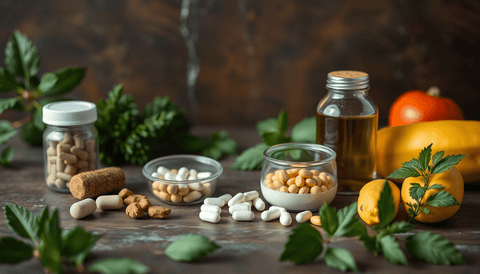
Taking probiotics while fasting has become a common question for anyone practicing intermittent or extended fasting who also wants to support digestive and immune health. The core concern is simple: will a probiotic supplement break your fast, and can you actually improve its effects by timing it around your fasting window? This article explains what happens to probiotics in a fasted digestive tract, which formats are effectively calorie-free, how fasting influences the gut microbiome, and how to choose and time a supplement so it fits your fasting routine without undermining your goals.
What Does Taking Probiotics While Fasting Actually Mean?
Probiotics are live microorganisms—most commonly Lactobacillus, Bifidobacterium, and Saccharomyces boulardii—that, when consumed in adequate amounts, may contribute to a healthy balance of gut bacteria. Taking them "while fasting" simply means consuming a probiotic supplement during your fasting window rather than with meals. For most capsule or tablet formats, this involves ingesting virtually no calories, protein, or carbohydrates, which is why many fasters consider it compatible with their fasting protocol.
Understanding the Difference Between a Clean Fast and a "Dirty" Fast
Among fasting practitioners, a "clean fast" generally means consuming only water, plain black coffee, or unsweetened tea—nothing that could theoretically trigger a digestive or metabolic response. A "dirty" fast includes small amounts of calories from things like cream in coffee, sweeteners, or flavored drinks. Where probiotics fall depends on the format: a capsule containing only freeze-dried bacteria and a filler contributes negligible calories and no meaningful macronutrients, whereas probiotic yogurts, kefir, and fermented drinks clearly contain calories and would end a strict fast.
Why Timing Your Probiotic Dose Matters for the Fasting State
Timing matters less for whether you "break" your fast and more for whether the bacteria survive their journey to the intestines. Stomach acid is at full strength when the stomach is empty, which can reduce the survival of some strains. On the other hand, a fasted stomach means faster gastric emptying, potentially delivering probiotics to the small intestine more quickly. These competing effects mean there is no universally "perfect" time—the best timing depends on the strain, the delivery format, and your personal tolerance.
The Physiological Connection: How Fasting Affects Your Gut Microbiome
The Impact of Fasting on Gut Motility and Digestion
During fasting, the digestive system shifts into a resting mode. The migrating motor complex—a pattern of muscular waves that sweeps residual contents through the stomach and small intestine—becomes more active between meals. This "housekeeping" process supports gut clearance and is one reason some people report improved digestion during fasting periods. It also means that anything consumed during the fast interrupts this cleanup cycle, which is one argument for keeping probiotic intake minimal and simple during fasting windows.
Does Fasting Deplete Your Natural Probiotic Population?
Research on fasting and the microbiome is still developing. Animal studies and some human research suggest that fasting and time-restricted eating can alter the composition of gut bacteria, sometimes in ways associated with metabolic benefits. However, there is no strong evidence that moderate intermittent fasting "depletes" beneficial bacteria in healthy people. The microbiome is remarkably resilient and is shaped far more by your overall diet during eating windows—especially fiber and plant diversity—than by the fasting schedule itself.
How Probiotics Interact with the Fasted Digestive Tract
In a fasted state, probiotics encounter low pH in the stomach, minimal food buffering, and rapid transit to the small intestine. Enteric-coated or delayed-release capsules are designed to protect organisms from stomach acid and may be particularly suited to fasted intake. Plain powders and open capsules without such protection may expose more organisms to gastric acid, though hardy strains like Saccharomyces boulardii (a beneficial yeast, not a bacterium) are naturally more acid-tolerant.
Will Probiotics Break Your Fast?
The Caloric Threshold: Which Probiotic Strains and Formats are Calorie-Free?
Freeze-dried probiotic bacteria themselves contain negligible calories—a typical capsule delivers far less than one kilocalorie of bacterial mass. Capsules, tablets, and sugar-free powders are therefore effectively calorie-free and compatible with virtually any fasting protocol. The exceptions are probiotic foods (yogurt, kefir, kombucha, fermented vegetables) and some gummies or chewables, which contain sugars, proteins, or fats and do provide calories.
The Insulin Response: Are Probiotics Metabolically Neutral?
An insulin response is triggered primarily by protein, carbohydrate, and—in some contexts—sweet taste rather than by negligible amounts of bacterial biomass. A pure probiotic capsule with no sweeteners or digestible fillers is metabolically neutral for practical purposes. This is why checking the inactive ingredients list matters: a product containing sugar, maltodextrin, or significant amounts of filler introduces compounds that could theoretically prompt a small metabolic response, even if the bacteria themselves do not.
Why High-Bacteria Count (CFU) Isn't a Fasting Problem
Some fasters worry that taking 50 billion CFU (colony-forming units) instead of 5 billion adds meaningful "nutritional load." In caloric terms, it does not—the difference in bacterial mass is still trivially small. CFU count is a quality and potency consideration, not a fasting-compatibility one. Whether a higher count is appropriate for you depends on your goals and tolerance, not on whether it breaks a fast.
The Exception: Probiotic Foods Versus Probiotic Supplements
Probiotic foods are valuable, but they belong in your eating window. Yogurt, kefir, sauerkraut, kimchi, miso, and kombucha all contain calories, macronutrients, and sometimes sugars that would end a fast. During the fasted window, supplements are the only practical option; save fermented foods for meals, where they also pair naturally with prebiotic fibers.
Defining the Potential Benefits of Taking Probiotics on an Empty Stomach
Survival Rates: Does a Fasted Stomach Improve Probiotic Delivery?
The evidence here is genuinely mixed. On one hand, food buffers stomach acid and can improve survival for acid-sensitive strains—some research suggests taking certain probiotics with or shortly after a meal improves delivery. On the other hand, fasted intake speeds gastric emptying. Because outcomes vary by strain and formulation, the most reliable approach is to follow the manufacturer's directions, which are typically based on the product's delivery technology, and observe how your own digestion responds.
Synergistic Effects: How Autophagy and Probiotics Interact
Autophagy—the cellular "self-cleaning" process associated with fasting—is an area of active research. Some preliminary studies suggest certain probiotic strains may influence cellular clearance pathways and gut barrier function, but human evidence linking probiotic supplementation directly to enhanced autophagy during fasting is limited. It is more accurate to say that fasting and probiotics support gut health through largely independent mechanisms than to claim a proven synergy.
Supporting the Gut-Brain Axis During Fasting Stress
Fasting is a mild stressor for the body, and the gut-brain axis—the bidirectional communication between the digestive tract and the nervous system—can be affected by dietary change. Emerging research has examined certain probiotic strains in relation to mood, stress perception, and digestive comfort. While findings are promising for specific strains, results are not consistent across all products, and a probiotic should be seen as potential nutritional support rather than a treatment for stress or mood concerns.
Fasting Windows and Supplement Timing
Optimal Timing for Probiotics During Intermittent Fasting (16:8, 18:6)
For popular schedules like 16:8, a practical approach is to take your probiotic either early in the fasting window if the product is designed for empty-stomach use, or with the first meal if the label recommends taking it with food. Consistency matters more than precision: taking it at the same time daily makes it easier to evaluate whether it agrees with you. Many people find taking it with the breaking-of-the-fast meal is the simplest and gentlest option.
Taking Probiotics During Prolonged Fasts (24+ Hours)
During extended fasts, the digestive tract is completely at rest, and introducing probiotics is more individual. Some people tolerate them fine; others experience bloating or cramping on an empty digestive tract. If you do take probiotics during a prolonged fast, choose a minimal formulation without fillers or sweeteners, and consider whether the dose is necessary at all—the microbiome changes driven by fasting unfold over days and weeks, not hours.
Matching Your Probiotic Anchor Meal to Your Fasting Schedule
An "anchor meal" is the meal you consistently use to take supplements. If your probiotic is best taken with food, anchor it to your first meal after the fast ends. If it's an empty-stomach formula, anchor it to a fixed point in your fasting window, such as upon waking. Building the habit around a stable anchor improves adherence, which research suggests is one of the biggest determinants of whether probiotics produce noticeable effects at all.
Individual Variability: Why Results Differ Between Fasters
The Influence of Baseline Gut Diversity and Existing Digestive Health
Your existing microbiome strongly influences how you respond to probiotics. Two people taking the same product can have different results because their resident bacteria, diet history, and digestive health differ. Someone with a diverse, fiber-rich diet may notice little change, while someone with a narrow dietary pattern may notice more.
Age, Acid Production, and Probiotic Absorption Capacity
Stomach acid production tends to decline with age, which can alter how many organisms survive gastric transit. Older adults and people with reduced gastric acidity may experience different survival rates for the same product. This is one reason "take on an empty stomach" advice cannot be universal.
The Role of Medications (Antacids, Antibiotics) in Probiotic Efficacy
Antibiotics can disrupt gut bacteria, and some research supports taking probiotics during and after antibiotic courses to help maintain microbial balance—ideally spaced a few hours apart from the antibiotic dose. Acid-reducing medications (like proton pump inhibitors) change stomach pH and may affect probiotic survival. If you take regular medication, it's worth discussing probiotic timing with a pharmacist or physician.
Dietary Strategies to Support Probiotics Without Breaking a Fast
Water, Electrolytes, and Hydration: The Probiotic Survival Link
Adequate hydration supports normal gut motility and mucosal function—the environment probiotics transit through. During fasting, water and electrolytes (sodium, potassium, magnesium) are the priorities; plain water when taking a capsule helps it move efficiently out of the stomach. Note that magnesium is one electrolyte often supplemented during fasting, and it is covered in our magnesium guide.
Prebiotics in a Fasted State: The Fermentable Fiber Effect
Prebiotics are fibers that feed beneficial gut bacteria. Taken as a powder during a fast, even zero-calorie fibers can prompt fermentation, gas, and bloating in some people—and fibers with any caloric value technically add substrate to your digestive system. For most people, prebiotic fibers are better placed in the eating window, where they accompany meals and are better tolerated.
Low-Calorie Fasting-Friendly Additives That Support Gut Health
If your fasting protocol tolerates very low-calorie additions, options sometimes discussed include unsweetened herbal teas and a pinch of trace minerals. Be cautious with anything sweetened: even non-nutritive sweeteners are debated in fasting communities, and some emerging research has examined their effects on the microbiome and glucose response. When in doubt, keep the fasting window simple.
Relevant Supplement Categories: What to Look For in a Probiotic
The Building Blocks: Key Strains for Digestive and Immune Support
Strain identity matters more than genus alone. Commonly studied groups include Lactobacillus and Bifidobacterium species for general digestive support, and Saccharomyces boulardii, a yeast often used alongside antibiotic courses. A quality product lists strains with full names and codes (for example, "Bifidobacterium lactis BB-12®") rather than vague "proprietary blends," allowing you to check whether the strains have been studied.
CFU (Colony Forming Units): Does Higher Always Mean Better for Fasting?
No. CFU count indicates the number of viable organisms at manufacture (ideally guaranteed through expiry, not just at production), but effectiveness depends on strain, dose studied, and survival through digestion. Research on particular strains often uses doses in the range of 1–50 billion CFU; matching the studied dose matters more than chasing the highest number.
The Role of Prebiotics and Postbiotics in Probiotic Formulations
Synbiotic products combine probiotics with prebiotic fibers like inulin or FOS. These can be useful in the eating window, but added fiber may cause gas if taken fasted. Postbiotics—inactivated microbial cells or their metabolites—are an emerging category that does not require live organisms to survive transit; evidence is still developing but the format sidesteps survival concerns entirely. You can explore available options in our probiotics and prebiotics collection.
When Supplementation May Be Relevant
Signs Your Gut Needs Support Despite a "Healthy" Fasting Routine
Persistent bloating, irregular bowel habits, or digestive discomfort during eating windows may suggest your overall routine isn't fully supporting your gut—but these symptoms have many possible causes and cannot diagnose a problem by themselves. They signal that it's worth reviewing your diet (especially fiber diversity), stress, sleep, and, if issues persist, seeking professional evaluation.
Circumstances Where Fasting Alone May Not Replenish Gut Bacteria
Fasting modifies the microbiome but doesn't introduce beneficial organisms. Rebuilding microbial diversity depends on what you eat: varied plants, fiber, and fermented foods during eating windows. People recovering from antibiotics, significant dietary restriction (such as strict carnivore patterns), or gastrointestinal disruptions may find that diet alone takes time, and a supplement can serve as a bridge—though it does not replace a fiber-rich diet.
Distinguishing Nutritional Support from Medical Treatment for GI Issues
Probiotics are nutritional supplements, not medicines. Persistent abdominal pain, blood in stools, unexplained weight loss, fever, or severe diarrhea require medical assessment, not self-treatment with supplements. If you have a diagnosed GI condition such as IBD, discuss probiotic use with your treating physician first.
How to Choose a Probiotic Supplement for a Fasting Lifestyle
Delivery Format: Capsules, Powders, and Liquids vs. Fasting Rules
Delayed-release or enteric-coated capsules protect organisms from stomach acid and are generally the most fasting-friendly format. Powders offer dosing flexibility but often contain carriers or flavorings—check the label. Liquids can be convenient but are prone to potency loss over time unless specially formulated. Gummies should be avoided during fasting due to their sugar content.
Assessing Added Ingredients: Maltodextrin, Sugars, and Fillers to Avoid
Scan the inactive ingredients for sugars, maltodextrin, and sweeteners if you want a strictly fasting-compatible product. Small amounts of capsule excipients are generally negligible, but if metabolic cleanliness is a priority for you, choose products with minimal, transparent ingredient lists.
Evaluating Viable Strains and Colonization Factors
Some probiotics are "transient"—they pass through the gut and exert effects while present—while others are better at temporarily adhering and persisting. Neither approach is inherently superior; transient strains like S. boulardii have good evidence in specific contexts. Look for strain-specific research rather than marketing claims about "colonization."
Key Quality Indicators: Third-Party Testing and Stability Guarantees
Because probiotics are living organisms, potency at the time of use matters. Prefer products that guarantee CFU count through the expiry date, specify storage requirements clearly, and ideally undergo third-party testing for identity and purity. Reputable brands are transparent about strain codes and manufacturing standards.
Supplement Label Interpretation: Reading the Fine Print
Understanding "Refrigerated" vs. "Shelf-Stable" Claims
Refrigerated products often contain strains sensitive to heat, while shelf-stable products use freeze-drying and moisture-controlled packaging. Shelf-stable formats are more practical for fasters on the go. Follow the stated storage instructions regardless—improper storage is one of the most common reasons probiotics lose potency before expiry.
Decoding the Serving Size and Potency on the Supplement Facts Panel
Check how many capsules constitute one serving. A "50 billion CFU" claim may require three capsules, tripling any filler content. Also verify whether the CFU count is guaranteed at expiry or at time of manufacture—this distinction significantly affects actual potency.
Identifying Hidden Excipients That Could Elicit an Insulin Response
Ingredients like maltodextrin, dextrose, sucrose, and fruit powders add small amounts of digestible carbohydrate. While the amounts in a capsule are usually tiny, fasters who want a strictly clean fast can look for products using cellulose-based capsule fillers and avoid chewable or gummy formats entirely.
Who May Consider Probiotic Supplementation While Fasting?
Fasters Experiencing Digestive Discomfort During Eating Windows
Some people notice bloating or irregularity when reintroducing food after a fast. A probiotic, alongside gradual meal reintroduction and adequate fiber, may support digestive comfort during this transition. If discomfort persists or worsens, professional evaluation is more appropriate than escalating supplement doses.
Individuals on the Keto or Carnivore Diet
Very low-carbohydrate diets typically reduce fermentable fiber intake, which changes the substrates available to gut bacteria. People following these patterns alongside fasting may consider a probiotic or carefully chosen fiber sources during eating windows—though the evidence on long-term microbiome effects of these diets is still evolving.
Travelers and Those Recovering from Gut Disruptions
Travel-related digestive upsets and post-antibiotic recovery are common scenarios where probiotics are frequently used, with some supporting evidence for specific strains like S. boulardii. Combined with fasting schedules that disrupt normal eating routines, a simple capsule format is often the most practical option.
When Professional Assessment (Stool Testing) May Be Useful
Gut health cannot be reliably assessed by symptoms alone. If you have ongoing digestive issues, a physician may recommend laboratory testing before recommending interventions. Stool analyses and clinical evaluation are medical assessments—not something to self-interpret from consumer test kits—and are most useful when guided by a qualified professional.
Safety, Side Effects, and Interactions
Common Transient Side Effects When Introducing Probiotics (SIBO Risk)
When starting probiotics, some people experience temporary gas, bloating, or changes in bowel habits, which usually settle within days to weeks. People with a history of small intestinal bacterial overgrowth (SIBO) sometimes report symptom flares with certain probiotics; if this occurs, it's a reason to stop and consult a healthcare provider rather than push through.
Who Should Avoid Probiotic Supplementation (Immunocompromised, Severe Illness)
Live microorganism supplements carry a small risk of infection in severely immunocompromised individuals, premature infants, and people with central venous catheters or critical illness. People in these groups should not use probiotics without explicit medical guidance. Those who are pregnant or breastfeeding should also consult a professional before starting new supplements.
Upper Tolerance Levels and Overdose Considerations for Probiotics
Unlike vitamins and minerals, probiotics have no established tolerable upper intake level, and very high CFU counts are generally not considered dangerous in healthy people. However, "more" is not "better"—higher doses increase the likelihood of transient digestive side effects without clear evidence of added benefit. For context on nutrient-based upper limits, see our broader multivitamin and supplement safety guide.
The Final Decision: Food, Fasting, or Probiotic Supplementation?
How to Assess Your Current Gut Health Baseline
Before adding any supplement, take an honest inventory: How varied is your plant intake? Do you regularly eat fermented foods? How are your digestion, energy, and bowel habits? If your diet already includes diverse fibers and fermented foods and you feel well, supplementation may add little.
A Framework for Choosing Between Whole Foods and Supplements
Use this simple hierarchy: first, optimize fiber and fermented food intake in your eating window; second, address hydration, stress, sleep, and meal regularity; third, consider a probiotic supplement if you have a specific reason—antibiotic recovery, dietary restriction, travel, or persistent mild digestive complaints. Supplements are a targeted tool, not a foundation.
Key Questions to Ask Before Committing to a Probiotic Regimen
- Which specific strains does the product contain, and are they studied for my goal?
- Is the CFU count guaranteed through expiry, and how should it be stored?
- Does the format fit my fasting schedule (capsule vs. powder vs. gummy)?
- Are there added sugars, maltodextrin, or sweeteners I want to avoid?
- Do I have any medical conditions or medications that warrant professional advice first?
Conclusion: Timing Your Probiotic for a Healthier Fast
For most people, a well-chosen probiotic capsule—free of sugars and meaningful fillers—does not break a fast, and taking it during the fasting window is a matter of convenience and strain-specific tolerance rather than strict necessity. Fasting itself shapes the gut microbiome, but the real drivers of long-term gut health remain the diversity of your diet, adequate fiber, fermented foods, hydration, and sleep. Probiotic supplementation is best viewed as situational support: relevant when dietary intake is limited, when recovering from disruptions, or when a specific, evidence-backed strain matches your goal. Individual responses vary with age, medications, and baseline gut health, so start conservatively, observe your own tolerance, and seek professional assessment for persistent digestive symptoms rather than self-diagnosing. A thoughtful combination of clean fasting, a fiber-rich eating window, and—if needed—a quality probiotic offers a far more sustainable approach than any single element alone.
Frequently Asked Questions
Will a probiotic capsule break my intermittent fast?
A standard probiotic capsule or tablet contains negligible calories and no digestible macronutrients, so it is generally considered compatible with intermittent fasting. Probiotic foods like yogurt or kefir, and gummy formats containing sugar, do contain calories and would break a fast.
When is the best time to take probiotics while fasting?
There is no single best time; it depends on the strain and formulation. Follow the product's label instructions—if it says take with food, anchor it to your first meal after the fast; empty-stomach formulas can be taken during the fasting window, ideally at a consistent time daily.
Do probiotics on an empty stomach survive stomach acid?
Survival depends on the strain and delivery technology. Acid-resistant strains and delayed-release capsules survive better, while some acid-sensitive strains may benefit from being taken with food. The manufacturer's directions usually reflect the product's tested formulation.
Can I take probiotics during a 24-hour or extended fast?
Many people tolerate a minimal probiotic capsule during prolonged fasts, but some experience bloating on an empty digestive tract. If you choose to take one, pick a filler-free capsule and stop if you experience discomfort. Probiotics are not essential during a fast.
Do probiotics contain calories?
Freeze-dried probiotic bacteria contribute far less than one kilocalorie per capsule—an amount nutritionally irrelevant. Any meaningful calories come from added ingredients like sugars, fruit powders, or the base of fermented foods, not from the bacteria themselves.
Should I take probiotics with water during a fast?
Yes—plain water is ideal for swallowing a capsule and supports normal gastric emptying. Avoid taking probiotics with sweetened or flavored drinks during your fasting window, as these may contain calories or sweeteners that conflict with a clean fast.
Is a higher CFU count better when fasting?
No. A higher CFU count does not improve fasting compatibility or automatically increase benefits. Effectiveness depends on the specific strains, the dose used in research, and survival through digestion—quality and strain relevance matter more than raw numbers.
Can probiotics cause bloating when taken fasted?
Yes, some people experience temporary gas or bloating when starting probiotics, particularly on an empty stomach or with products containing prebiotic fibers. These effects are usually transient, but persistent discomfort is a reason to pause and consult a healthcare professional.
Do prebiotic fibers break a fast?
Zero-calorie fibers don't provide energy, but they do feed gut bacteria and can trigger fermentation, gas, and a digestive response. For tolerance reasons, most people do better taking prebiotic fibers with meals in their eating window rather than while fasted.
Can I take probiotics with antibiotics?
Some research supports probiotic use during antibiotic courses to help maintain microbial balance. Space the probiotic a few hours away from the antibiotic dose, and confirm timing with your pharmacist, since interactions depend on the specific medication.
Who should not take probiotics?
Severely immunocompromised individuals, critically ill patients, premature infants, and people with central venous catheters should not use live probiotics without explicit medical guidance due to a small but serious infection risk. Anyone with a serious medical condition should consult a physician first.
How long does it take to notice effects from probiotics?
It varies widely by individual, strain, and purpose—some people notice digestive changes within days, while studies often run four to eight weeks. If you notice no benefit after two to three months of consistent use, it's reasonable to reassess whether the product is right for you.
Related Keywords
- probiotics while fasting
- do probiotics break a fast
- probiotics on empty stomach
- intermittent fasting and gut health
- best time to take probiotics
- probiotic supplements during fasting window
- clean fast supplements
- probiotics and autophagy
- CFU count meaning
- Saccharomyces boulardii with antibiotics
- shelf-stable vs refrigerated probiotics
- synbiotic prebiotic probiotic combination
- gut microbiome and fasting
- probiotic side effects bloating