Probiotics Guide: Benefits, Sources & Safety


Understanding Probiotics and the Gut Microbiome

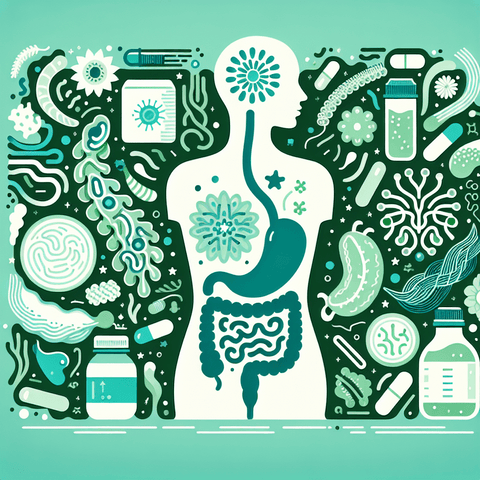
Probiotics are live microorganisms that, when consumed in adequate amounts, may offer health benefits by interacting with the complex community of bacteria, yeasts, and other microbes living in your digestive tract, known as the gut microbiome. This internal ecosystem plays a vital role in numerous bodily functions, including digestion, nutrient absorption, and the development and function of the immune system. The concept of probiotics is rooted in the idea that introducing specific beneficial strains can help maintain or restore a healthy balance within this microbial community, which can be influenced by factors like diet, stress, and medication use.

Exploring the Potential Benefits of Probiotics

Scientific research into probiotics is extensive, with studies investigating their potential role in supporting various aspects of health. While outcomes are often strain-specific, some of the most researched areas include supporting digestive comfort and regularity, and maintaining a healthy immune response. It's important to understand that probiotics do not have a one-size-fits-all effect; their impact can vary from person to person based on the unique composition of their gut microbiome. As a result, they are best viewed as a component of a holistic approach to wellness, not a standalone cure or preventative measure for specific diseases.

A Practical Approach to Probiotic Foods and Supplements

Probiotics can be incorporated into your routine through fermented foods like yogurt, kefir, sauerkraut, and kimchi, or through dietary supplements. If you are considering a supplement, it's crucial to look for products that list the specific genus, species, and strain (e.g., Lactobacillus rhamnosus GG), as benefits are often linked to particular strains. Also, pay attention to the colony-forming units (CFUs) and the viability guarantee, which ensures the bacteria are alive at the time of expiration. For individuals who are generally healthy, these products are considered safe, but it is always wise to consult with a healthcare professional before starting any new supplement, especially if you have an underlying health condition or are taking medication.


Is there a downside to taking probiotics? - Topvitamine
Oct 30, 2025
Probiotics and Digestive Support: What You Need to KnowProbiotics are live microorganisms that may support gut health by interacting with your existing microbiota. While many people use them for digestive support, they are not without potential downsides. Some individuals experience gas, bloating, or digestive discomfort when starting a probiotic. More serious risks, though rare, include infections in people with weakened immune systems. The effects of probiotics are strain-specific, meaning different strains can have different benefits and risks. It's essential to choose products with clearly labeled strains and clinically documented effects, and to consider whether a probiotic is truly necessary for your situation.Signs of a Weak Digestive System and How Probiotics Fit InA weak digestive system may show up as frequent bloating, irregular bowel habits, or discomfort after eating. Probiotics are often considered as a support option, but they are not a universal remedy. In some digestive conditions, such as irritable bowel syndrome (IBS) or small intestinal bacterial overgrowth (SIBO), probiotics might actually worsen symptoms. Before turning to supplements, it's important to look at diet, stress, and lifestyle factors that form the foundation of digestive health. Probiotics can be part of a broader strategy, but they should not replace professional medical advice or mask underlying issues.Choosing the Right Probiotic and Using It SafelyWhen selecting a probiotic, look for the full strain name, colony-forming units (CFU) count, and third-party testing. Not all products are created equal, and quality varies. If you are immunocompromised, pregnant, or managing a chronic condition, consult a healthcare professional before use. Track how your body responds and stop if you experience persistent or concerning side effects. Probiotics are just one piece of the gut health puzzle; a balanced diet and healthy lifestyle remain essential. Making an informed choice means understanding both the potential benefits and the possible downsides.
What is probiotics good for? - Topvitamine
Oct 26, 2025
Probiotics are live beneficial microorganisms that support gut health, digestive support, and overall intestinal wellness. Strains such as Lactobacillus and Bifidobacterium may help relieve bloating, gas, diarrhea, and IBS symptoms while improving nutrient absorption and gut barrier function. Immune boosting probiotics can support normal immune responses and help maintain resilience during illness or antibiotic use. By competing with harmful microbes and working alongside prebiotic fiber, probiotics promote microbial balance and a diverse microbiome. Available as capsules, powders, tablets, and fermented foods, probiotic supplements should be selected by strain, viability, formulation, and individual health needs, with professional guidance when appropriate.
How do I know if I need probiotics? - Topvitamine
Oct 24, 2025
Signs You May Need ProbioticsProbiotics are live microorganisms that can help maintain a balanced gut environment. Signs you might benefit from them include bloating, gas, constipation, irregular bowel movements, recent antibiotic use, frequent illnesses, skin issues, fatigue, and brain fog. These symptoms may point to an imbalanced microbiome, also known as dysbiosis, which can affect digestion, immunity, and overall well-being.Digestive Support and Microbiome BalanceProbiotics can play a role in digestive support by promoting regular bowel movements, reducing discomfort like gas and bloating, and supporting the integrity of the intestinal barrier. They help rebalance gut flora after antibiotics and may improve nutrient absorption. A healthy microbiome also supports immune function, as about 70% of immune cells reside in the gut. When choosing a probiotic, look for products with clearly labeled strains, viable cell counts, and third-party testing.How to Choose and Use Probiotic SupplementsIf you experience persistent digestive issues or other signs of imbalance, probiotics may be worth considering. Select a supplement that matches your specific needs, such as strains like Lactobacillus rhamnosus GG for immunity or Saccharomyces boulardii for antibiotic-associated diarrhea. Consistency is key; results may take one to four weeks. Consult a healthcare professional if you have underlying conditions or are immunocompromised. Pairing probiotics with a balanced lifestyle and other nutrients like magnesium or vitamin D can support overall wellness.
Where are a lot of probiotics found? - Topvitamine
Oct 22, 2025
What Are Beneficial Bacteria and Why Do They Matter?Beneficial bacteria, commonly known as probiotics, are live microorganisms that, when consumed in adequate amounts, contribute to a balanced gut microbiome. These friendly bacteria support digestive health by helping maintain equilibrium between helpful and harmful microbes in the intestines. A healthy gut ecosystem influences nutrient absorption, immune function, and even mental clarity through the gut-brain axis. Modern lifestyles, including high sugar intake, processed foods, antibiotics, and chronic stress, can disrupt this delicate balance. Understanding where beneficial bacteria are found is the first step toward nurturing your gut.Top Food Sources of Beneficial BacteriaFermented foods are the most natural and diverse sources of beneficial bacteria. Yogurt is the most well-known, made by fermenting milk with lactic acid bacteria such as Lactobacillus bulgaricus and Streptococcus thermophilus. Look for labels stating “live and active cultures” to ensure probiotic content. Kefir, a fermented milk drink, offers a wider range of bacteria and yeasts. Plant-based options include sauerkraut, kimchi, miso, tempeh, and kombucha, which are suitable for vegans and lactose-intolerant individuals. When choosing fermented foods, opt for refrigerated, unpasteurized versions to guarantee live cultures, as pasteurization destroys beneficial microbes.Probiotic Supplements: A Practical ApproachFor consistent and targeted support, probiotic supplements provide a standardized dose of specific strains. They come in capsules, powders, and chewable tablets, featuring strains like Lactobacillus, Bifidobacterium, and Saccharomyces boulardii. Quality matters: choose products with clear strain identification and a CFU count guaranteed at expiration, not manufacture. Opt for enteric-coated capsules to protect probiotics from stomach acid. Supplements are especially helpful for those who do not regularly consume fermented foods. Before starting high-dose probiotics, consult a healthcare provider, especially if you have an underlying condition or are immunocompromised. Combining dietary sources and supplements maximizes microbial diversity for overall gut health.
How do you know if you need probiotics? - Topvitamine
Oct 22, 2025
Probiotics are live beneficial bacteria that support gut health, digestion, immune function, and overall microbiome balance. They may provide digestive support for bloating, constipation, diarrhea, IBS symptoms, food intolerances, or antibiotic-associated diarrhea, while also helping restore gut flora balance after illness, stress, dietary changes, or medication use. Common probiotic signs include irregular bowel habits, fatigue, recurring infections, and skin concerns, though these symptoms can have other causes. Choosing targeted probiotic strains, suitable CFUs, and acid-resistant formulations is essential. Fermented foods and prebiotic fiber can complement probiotic supplements, while healthcare guidance is recommended for persistent symptoms or high-risk individuals.
What happens if you use probiotics every day? - Topvitamine
Oct 22, 2025
Daily probiotic use can support gut health, digestive support, and microbiome balance by introducing beneficial bacteria that may improve regularity, reduce bloating, and help maintain the gut barrier. Probiotics may also influence immune function, particularly through clinically studied strains such as Lactobacillus, Bifidobacterium, and Saccharomyces boulardii. Most people tolerate probiotic supplements safely, although mild gas or bloating can occur initially. Results depend on the strain, dose, product quality, diet, and individual health. Choose evidence-based supplements, follow storage and dosage instructions, and consult a healthcare professional before use if you have a weakened immune system or serious medical condition.

Probiotics are a cornerstone topic in digestive and immune health. This guide provides a broad, science-grounded overview of what probiotics are, how they relate to your gut microbiome, their potential benefits, and key considerations for choosing foods and supplements. Here, we map the landscape of this important subject, offering a foundation for more specific questions and guiding you through the essential concepts.

What Are Probiotics and How Do They Work?

Probiotics are live microorganisms, primarily bacteria and some yeasts, that are intended to provide health benefits when consumed in adequate amounts. They are often called "good" or "friendly" bacteria because they help maintain a balanced environment in your gut, known as the microbiome. This internal ecosystem of trillions of microbes influences digestion, nutrient absorption, and the training and support of the immune system.

The way probiotics work is complex and strain-specific. They can interact with the gut's immune cells, produce beneficial compounds like short-chain fatty acids, and compete with potentially harmful bacteria for nutrients and attachment sites. It is crucial to note that not all probiotics are the same; health effects are often linked to specific strains. For example, Lactobacillus rhamnosus GG, Bifidobacterium animalis subsp. lactis BB-12, and Lactobacillus plantarum 299v are among the well-studied strains, but even within the same species, different strains can behave very differently.

Potential Health Benefits of Probiotics

Research into probiotics has explored their role in a variety of health areas. While effects are often specific to the strain and individual, some of the most consistent areas of study include:

  • Digestive Health: Supporting regular bowel movements and overall gut comfort.
  • Immune Support: Helping to maintain a healthy immune response, particularly in the gut, which houses a large portion of your immune system.
  • Nutrient Metabolism: Contributing to the breakdown and absorption of certain dietary components.

It is essential to understand that these are areas of potential benefit, and individual responses to probiotics can vary significantly. The scientific community continues to study how probiotics can be used most effectively, but they are not a cure or guaranteed preventive measure for any illness. They should be viewed as one part of a balanced lifestyle.

Probiotic Foods vs. Supplements

Probiotics can be obtained from two primary sources: fermented foods and dietary supplements. Including a variety of fermented foods in your diet is a natural way to consume beneficial bacteria. Common examples include:

  • Yogurt and kefir (dairy or non-dairy based)
  • Sauerkraut and kimchi (unpasteurized)
  • Miso and tempeh
  • Some types of cheese (e.g., Gouda, cheddar, cottage cheese)

Supplements offer a more concentrated and specific dose of particular strains. When choosing a supplement, it's important to look beyond just the brand name. We have a guide to probiotic and prebiotic supplements which explains key labels in more detail.

Key Considerations When Choosing a Probiotic

Navigating the supplement aisle can be challenging. Here are the most important factors to consider to make an informed choice.

Understanding Strain Specificity

The identity of a probiotic is defined by its genus, species, and strain. For example, in Lactobacillus rhamnosus GG, Lactobacillus is the genus, rhamnosus is the species, and GG is the strain. Because benefits are often strain-specific, look for a product that clearly states the full strain name on the label. This ensures you are getting a formulation that has been studied for its specific characteristics.

CFU Counts and Viability

The potency of a probiotic is often measured in colony-forming units (CFUs). A higher CFU count does not always mean a better product, but it should be consistent with what was used in the research for that specific strain. More importantly, check for a "viability guarantee." This ensures that the bacteria will still be alive at the time of expiration, not just at the time of manufacture. Also, follow the storage instructions on the label (some require refrigeration) to maintain the product's effectiveness.

Third-Party Testing and Transparency

Choosing a product from a reputable manufacturer that uses third-party testing can provide extra assurance of quality. This independent verification can confirm that the product contains the strains and CFU count listed on the label. Transparency is key: look for products that are open about their strain verification and quality control processes.

Prebiotics and the Microbiome

To fully understand probiotics, it's helpful to be familiar with prebiotics. While probiotics are live beneficial bacteria, prebiotics are a type of non-digestible fiber that serves as food for those bacteria. By nourishing the good bacteria already in your gut, prebiotics help create an environment where probiotics can thrive.

Prebiotics are found naturally in foods like garlic, onions, bananas, oats, and leeks. Many probiotic supplements also include prebiotics, creating a combination product known as a synbiotic. Understanding this relationship is essential for anyone interested in optimizing their gut health.

Safety and Who Should Be Cautious

For most healthy individuals, probiotics are considered safe and well-tolerated. Some people may experience mild and temporary digestive changes, such as gas or bloating, when they first start taking them. However, certain groups should exercise caution and consult a healthcare professional before using probiotics, including:

  • People with a weakened immune system or those who are immunocompromised.
  • Individuals with severe underlying illnesses.
  • People taking medications that may interact with probiotics, such as certain antibiotics or immunosuppressants.
  • Those with central venous catheters or who have recently undergone major surgery.

As with any supplement, it is always best practice to speak with your doctor or a qualified healthcare provider to determine if a probiotic is appropriate for your specific health situation. This is especially important if you have a pre-existing medical condition or are currently taking prescription medication.

Frequently Asked Questions About Probiotics

Here are concise answers to some of the most common broad questions people have about probiotics.

What exactly are probiotics good for?

Probiotics are most widely studied for their role in promoting a healthy balance of gut bacteria. This can translate to supporting digestive health and regularity, and contributing to a normal, healthy immune response. It's important to view them as a tool for supporting general wellness rather than as a treatment for any specific ailment.

What are signs you need a probiotic?

There is no single sign that definitively means you 'need' a probiotic. However, people sometimes consider them if they experience frequent digestive discomfort, have recently taken a course of antibiotics (which can disrupt the gut flora), or are looking to proactively support their gut and immune health. While there are signs that may suggest an imbalanced gut, it is best to discuss your individual situation with a healthcare professional to determine if a probiotic is right for you.

Exploring the Microbiome and Beyond

Your gut health is a complex and personal topic. As research grows, the connection between the microbiome and overall health becomes clearer. This guide serves as a foundational resource, and we encourage you to delve deeper into specific topics like prebiotics, specific strains, and the relationship with your overall nutritional plan. For a broader view, you may also find our guide to superfoods or our guide to multivitamins helpful for understanding how different nutrients work together to support your health.

Finally, remember that incorporating probiotics into your routine is just one piece of the puzzle. A balanced diet, regular exercise, and proper sleep are all fundamental to maintaining a healthy microbiome. You can explore our collection of probiotic and prebiotic supplements to see what options are available, but always prioritize a holistic approach to your well-being.