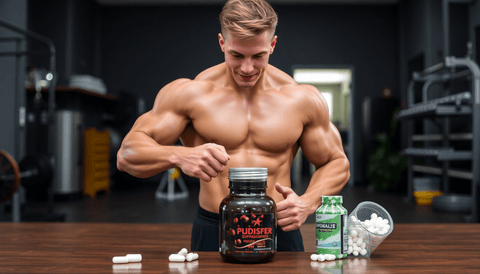
Protein supplements for muscle building are a popular topic among fitness enthusiasts and athletes seeking to enhance their performance and strength. In this article, we will explore the science behind protein supplementation, its role in muscle growth, and provide practical guidance on choosing the right supplements. You'll learn about different protein types, dosing recommendations, and how to effectively integrate them into your training regimen. Understanding these elements can help you make informed decisions about your supplement use, ultimately leading to faster, science-backed gains.
Introduction — Protein Supplements for Muscle Building
What you’ll learn in this guide
This comprehensive guide will cover the fundamentals of protein supplementation, including types of proteins available, their impact on muscle synthesis, recommended dosages, and tips for maximizing your results. We’ll also address common dietary gaps and how supplements can fill those voids effectively.
Why protein matters for muscle growth and performance
Protein is essential for muscle repair and growth. When you engage in resistance training, muscle fibers experience damage, and protein intake helps repair this damage, leading to muscle hypertrophy. Adequate protein is crucial not only for building muscle but also for maintaining overall performance and enhancing recovery.
How this article will move readers from information to informed supplementation decisions
By the end of this article, you'll have a clearer understanding of protein supplements' roles and how to choose the best one for your needs, backed by scientific evidence. We aim to help you transition from general information to actionable insights tailored for your unique requirements.
Quick preview of Topvitamine as a trusted source for evidence-based protein options
Topvitamine offers a range of quality protein supplements supported by scientific research. Our commitment to transparency and quality ensures that you can make informed decisions about your health and fitness journey.
Core explanation of the topic
What is protein and why it fuels muscle synthesis
Protein is a macronutrient composed of amino acids, which are the building blocks of muscles and tissues. It plays a critical role in muscle protein synthesis (MPS), the process where muscle fibers are repaired and grow in response to resistance training. The presence of essential amino acids (EAAs), particularly leucine, is key to stimulating MPS.
How protein supplements fit into a muscle-building plan
Protein supplements can complement whole food sources of protein, especially for individuals who have higher protein requirements due to intense training. They provide a convenient way to increase daily protein intake, crucial for recovery and muscle growth.
Key protein types and their roles
- Whey protein: A fast-digesting protein rich in leucine, ideal for post-workout recovery.
- Casein protein: A slow-release protein beneficial for overnight recovery and sustained amino acid availability.
- Plant-based proteins and blends: Options including pea, soy, rice, and hemp proteins that cater to vegetarians and vegans.
- Specialty options: These include collagen, amino acid blends, and fortified proteins targeting specific nutritional needs.
Protein quality, amino acid profile, and absorption
The quality of protein sources can be measured by the amino acid profile they provide and their digestibility. Essential amino acids, especially leucine, play a vital role in MPS. The Protein Digestibility-Corrected Amino Acid Score (PDCAAS) and Digestible Indispensable Amino Acid Score (DIAAS) are two methods for evaluating protein quality. Understanding these concepts aids in making everyday dietary choices.
Practical dosing basics
- Typical per-meal targets: Aim for 20-40 grams of protein per meal, depending on your body size and needs.
- Daily protein ranges: Athletes and active individuals typically require 1.6 to 2.2 grams of protein per kilogram of body weight.
- Meal spacing: Distributing protein intake across meals enhances MPS and recovery.
Why this topic matters
Impact on muscle hypertrophy, strength, and performance
Inadequate protein intake can hinder muscle growth and recovery, affecting overall performance. Optimal protein consumption supports hypertrophy, increases strength, and enhances endurance, vital for any training program.
Recovery, adaptation, and training quality
Proper protein intake facilitates recovery and adaptation to training stimuli, allowing for improved performance in subsequent workouts. This chain reaction is essential for athletes aiming to meet their training goals effectively.
Real-world dietary gaps among resistance-trained and endurance athletes
Despite understanding its importance, many athletes fail to achieve their protein requirements through diet alone, leading to potential gaps that effective supplementation can help address.
What the latest evidence says
Recent studies underscore the importance of protein in muscle recovery and growth. However, ongoing debates revolve around optimal types, timing, and dosages, highlighting the need for personalized supplementation strategies.
Related symptoms, signals, or health implications
Signals of suboptimal protein intake or insufficient timing
- Recurrent fatigue or poor muscle recovery
- Plateaus in strength or muscle growth
- Difficulty gaining lean mass despite consistent training efforts
Signals in specific populations
- Older adults: Susceptible to sarcopenia, a decline in muscle mass associated with aging.
- Vegetarians/vegans: May experience challenges meeting their protein needs through plant-only diets.
- Endurance athletes: High energy demands can often lead to inadequate protein intake.
Potential health implications of protein balance
Maintaining a balanced protein intake impacts energy levels, satiety, and overall body composition. However, concerns about kidney health in relation to high protein diets should be addressed with professional guidance to monitor safety.
When symptoms point to factors beyond protein
Symptoms such as fatigue may not always indicate protein deficiency. Consider other factors such as calorie intake, sleep quality, and stress levels that could impact performance and recovery.
Individual variability and uncertainty
Biological and lifestyle factors driving variability
- Age, sex, and body composition can affect individual protein needs.
- Your training status and muscle mass can further influence how much protein is necessary.
- Genetic differences and gut health also play a role in protein digestion and absorption.
Uncertainty in exact protein needs
Protein requirements can vary widely, reflecting a broad range of 1.6 to 2.2 grams per kilogram per day based on activity level, muscle mass, and individual goals. Understanding this variability is crucial for crafting a personalized protein plan.
Personalization approach
Start with general guidelines, monitor your progress, and adjust protein intake as needed to find the amount that best supports your training regimen and recovery.
Why symptoms alone do not reveal root cause
The multi-factor nature of muscle growth and recovery
- Factors such as diet quality, energy availability, and training stress interplay significantly in muscle development.
- Sleep quality and stress levels are also critical in overall recovery.
The risk of symptom-based misattribution
Assuming fatigue or soreness is due to low protein intake can lead to misalignment in addressing the actual causes, which may include ineffective training strategies or external stressors.
Systematic assessment approaches
Utilizing diet logs, training diaries, and regular body composition assessments can provide insight into your health and fitness journey, indicating when it's appropriate to seek professional guidance.
The role of nutritional supplements in this topic
Supplements as a support tool, not a replacement for real food
While protein supplements can effectively bolster intake, they should not replace whole food sources. A balanced diet remains critical for overall nutrition.
Situations where protein supplements can be relevant
- Inadequate daily protein intake may necessitate supplementation.
- During times of limited meal prep, supplements can offer a quick nutrition source.
- Travel or work constraints may make whole food consumption challenging.
- Individuals on special diets may benefit from targeted protein sources.
Safety, quality, and label-reading basics
Choosing supplements with transparent labeling, third-party testing, and minimal additives is crucial for safety and effectiveness. Avoid products with misleading claims regarding benefits and efficacy.
Myth vs. evidence
It's a common misconception that protein supplements alone guarantee faster muscle gains. Effective nutrition and consistent training are critical for long-term success, rather than relying solely on supplements.
How nutritional supplements could support
Evidence-based dosing and timing considerations
- For optimal muscle recovery, aim for protein targets between 20-40 grams per meal, adjusted according to body size.
- Engaging in a daily total of 1.6 to 2.2 grams per kilogram of body weight supports muscle goals.
- Take advantage of post-workout opportunities to absorb rapidly-digesting proteins.
Selecting protein types by goal and dietary pattern
- Whey: Best for fast recovery and high leucine content.
- Casein: Ideal for supporting muscle synthesis overnight.
- Plant-based blends: Suitable for dairy-free athletes.
- Collagen: Can be beneficial for connective tissue health.
Diet compatibility and practical considerations
Consider factors like lactose intolerance, individual digestive comfort, and preferences for taste and mixability when selecting a protein supplement.
Synergies with other nutrients and performance goals
It's important to consider how protein supplements fit within a broader nutrition strategy, including synergies with other nutrients like creatine or vitamin D. Ultimately, whole foods should be prioritized, using supplements only as needed.
Decision-support section (when nutritional supplements makes sense)
Step-by-step decision flow
- Assess your training load and performance targets.
- Audit your daily protein intake and its distribution.
- Identify dietary gaps or time constraints affecting your protein consumption.
- Evaluate whether a protein supplement aligns with your preferences and budget.
- Select the appropriate protein type and usage pattern based on your goals.
Quick decision checklist
- Do you experience consistent energy shortfalls or skip meals often?
- Is your protein intake evenly distributed across daily meals?
- Are there dietary restrictions impacting whole food options?
- Do you prefer dairy-based or plant-based protein sources?
When to seek professional guidance
Consider consulting a nutrition professional for persistent plateaus, underlying medical conditions, or significant age-related changes that may alter your protein needs.
Clear concluding section connecting the topic to buying nutritional supplements on Topvitamine.com
Key takeaways for protein supplements for muscle building
- Protein supplements can effectively support muscle growth when used appropriately and in conjunction with training.
- They yield the best results when paired with a well-rounded diet and well-planned nutrition.
How to shop on Topvitamine.com
- Look for product pages that provide clear ingredient lists, protein content per serving, and details on third-party testing.
- Use filters to find suitable protein types (whey, casein, or plant-based) and specific dietary needs.
- Examine customer reviews to inform your product choices and ensure they match your dietary requirements.
Practical next steps
- Start with a calculated daily protein target, considering an additional protein supplement post-workout if necessary.
- Explore high-quality whey versus plant-based protein options, considering factors like taste and budget.
- Take advantage of Topvitamine’s quality selection to find the right supplements tailored to your goals.
Final note on informed purchasing
Be proactive in making science-backed choices, monitoring your progress, and adjusting your nutrition as your training and goals change. Topvitamine aims to be a reliable resource for informed purchasing related to your health and wellness journey.
Key Takeaways
- Protein is vital for muscle growth and recovery.
- Finding the right protein type can enhance your results.
- Protein supplements are most effective when used in conjunction with a balanced diet.
- Personalized protein targets can help you reach specific fitness goals.
- Be mindful of protein timing for optimal gains.
- Not all symptoms point towards a protein deficiency; consider all underlying factors.
- Choose quality supplements with transparent labels and third-party testing.
- Monitor your diet regularly to align with your fitness targets.
- Topvitamine provides a variety of high-quality protein products to support your journey.
- Consulting a professional can help personalize your nutrition plan.
Q&A Section
1. How much protein do I need for muscle building?
Your protein needs can vary, but a general guideline is to aim for 1.6 to 2.2 grams of protein per kilogram of body weight, particularly if you are actively training.
2. Can I get enough protein from food alone?
For some individuals, especially athletes, meeting protein needs through whole foods alone can be challenging, making supplementation a useful addition.
3. What is the best time to take protein supplements?
Taking protein supplements post-workout can be beneficial for recovery, but spreading protein intake throughout the day is essential for sustained muscle protein synthesis.
4. Are plant-based protein supplements effective?
Yes, plant-based protein supplements can be effective for muscle building, particularly if they contain a complete amino acid profile and are consumed in adequate amounts.
5. Is it safe to take protein supplements every day?
For most healthy individuals, consuming protein supplements daily is safe and can be a convenient way to meet protein needs, provided it aligns with overall dietary intake.
6. Do I need protein supplements if I'm not working out?
While supplements are not necessary if you're not training rigorously, maintaining adequate protein intake is essential for overall health, and whole foods should be prioritized.
7. Can too much protein be harmful?
Excessive protein consumption can lead to kidney strain in individuals with pre-existing conditions but is typically safe for healthy individuals when consumed within recommended limits.
8. How do I know if I need more protein?
Signs of insufficient protein may include prolonged muscle soreness, fatigue, and difficulty gaining muscle mass despite proper training. Consulting a nutrition professional can help assess your individual needs.
9. What are the differences between whey and casein protein?
Whey protein is rapidly absorbed, making it ideal for post-workout recovery, whereas casein digests more slowly, providing a sustained release of amino acids, beneficial overnight.
10. Can protein supplements replace whole food sources?
Protein supplements can complement but should not replace whole food sources, as whole foods provide additional nutrients that are crucial for optimal health and performance.
11. How should I choose a protein supplement?
Choose a protein supplement based on dietary preferences, allergies, and individual protein needs, focusing on products with transparent labeling and third-party testing for quality.
12. How can I integrate protein supplements into my diet?
Consider using protein supplements to fill dietary gaps, especially around workouts, and integrate them into smoothies, shakes, or meals to reach your daily protein goals.
Keywords
- protein supplements
- muscle building
- whey protein
- casein protein
- plant-based protein
- protein quality
- amino acids
- muscle recovery
- dietary flexibility
- protein timing