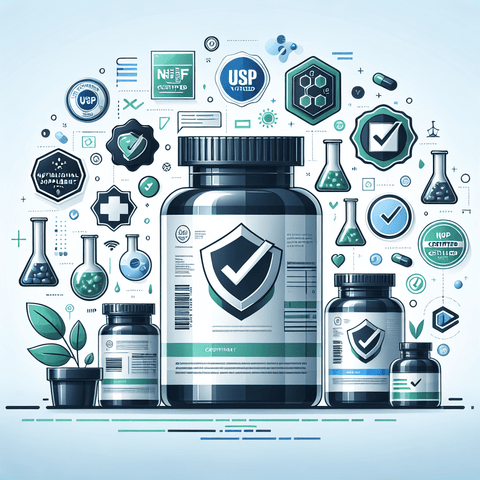
Quality assurance standards are the backbone of a reliable nutritional supplement. They are the systematic processes and checks that ensure a product consistently meets its label claims and is free from harmful contaminants. For anyone navigating the complex world of dietary supplements, understanding these standards is key to making safe and effective choices.
This guide provides a broad overview of quality assurance standards, explaining why they matter, what key components to look for, and how to use this knowledge to make more informed purchases.
What Are Quality Assurance Standards in the Supplement Industry?
Quality assurance (QA) in the supplement industry refers to the comprehensive, proactive systems designed to ensure that a product and its manufacturing process meet predefined quality criteria. Unlike quality control (QC), which focuses on testing the final product to identify defects, QA is concerned with the entire process—from the initial sourcing of raw materials to the final packaging and distribution.
A robust QA system is built on several key pillars, including Good Manufacturing Practices (GMP), which are regulations that establish minimum requirements for manufacturing facilities and processes. This also involves rigorous supplier qualification, detailed documentation, and continuous monitoring to identify and correct any potential issues before they affect the final consumer.
The Difference Between Quality Assurance and Quality Control
It's common to hear quality assurance and quality control used interchangeably, but they are distinct concepts. Quality assurance is a preventive, process-oriented approach. It focuses on building quality into the product from the start. Quality control, on the other hand, is a reactive, product-oriented approach. It involves testing and inspecting the finished product to ensure it meets specifications. Both are essential parts of a comprehensive quality system; QA aims to prevent problems, while QC aims to catch them after they occur.
Why Are Quality Assurance Standards Important?
Protecting Public Health and Safety
The most critical reason for strict quality assurance is the protection of public health. Without it, supplements could be at risk of contamination with heavy metals, pesticides, or other harmful substances. They could also contain undeclared ingredients or inaccurate amounts of active compounds. Adhering to strict QA standards minimizes these risks, ensuring that consumers are not exposed to potentially dangerous products.
Ensuring Product Potency and Consistency
Quality assurance also ensures that a supplement consistently delivers the amount of each ingredient promised on the label. This is known as potency and consistency. A rigorous QA process verifies that every batch of a product contains the correct dosage, allowing users to have a predictable experience. Inconsistent potency can undermine a product's usefulness and make it difficult for individuals to manage their nutritional needs.
Building Consumer Trust and Transparency
In an increasingly crowded market, quality assurance is a key differentiator. Brands that are transparent about their manufacturing and testing processes build greater trust with consumers. By providing access to independent lab results (such as Certificates of Analysis) and clear information about ingredient sourcing, they demonstrate a commitment to quality that reassures customers and empowers them to make confident purchasing decisions.
Key Quality Signals to Look For in a Supplement
While you can't inspect a manufacturing facility yourself, there are several concrete indicators that a supplement is held to high-quality standards. Looking for these signals can help you select more reliable products.
Good Manufacturing Practices (GMP) Compliance
GMP certification indicates that a manufacturer follows strict guidelines for production, including hygiene, facility maintenance, and record-keeping. This is a foundational quality signal that demonstrates a commitment to producing safe and consistent products.
Third-Party Testing and Certificates of Analysis (COAs)
A Certificate of Analysis (COA) is a document from a testing laboratory that confirms a product's ingredients, potency, and purity. When a COA is issued by an independent, third-party lab, it adds a level of credibility. Look for brands that make these certificates readily available, as it demonstrates transparency about the product's composition. Batch traceability, or the ability to track a specific product to its batch record, is a related and valuable feature.
Transparent Labeling and Sourcing
A clear, honest label is a simple but powerful quality signal. It should list all ingredients and their exact dosages, and clearly identify any potential allergens. Transparent brands also provide information about where their ingredients are sourced, which can be an indicator of quality and ethical practices.
The Role of Supplements in a Balanced Lifestyle
Supplements can play a valuable role in addressing nutrient gaps and supporting specific health goals, such as increasing your intake of vitamin D, omega-3 fatty acids, or magnesium. However, it's crucial to remember that they are not a substitute for a balanced diet or professional medical care.
Individual responses to supplements can vary due to genetics, lifestyle, and health status. Additionally, scientific evidence about many nutrients is constantly evolving. Quality assurance reduces the risk of a poor-quality product, but it does not guarantee a specific outcome for every individual. Therefore, you should always consider your unique needs and consult with a healthcare professional to determine if a supplement is appropriate for you.
How to Shop Smartly for Quality Supplements
When shopping for supplements, a little research can go a long way. A practical decision framework involves several steps:
- Assess your dietary intake to identify potential nutrient gaps based on your eating habits and lifestyle.
- Consider any clinical needs or lab-based deficiencies your healthcare provider has identified.
- Evaluate quality assurance signals, such as GMP compliance, third-party testing, and readily available COAs.
- Consult a healthcare professional to discuss the best approach for your individual health circumstances.
On a practical level, seeking out products with verified quality markers helps streamline your selection. For instance, you can explore our curated collection of natural supplements that emphasize quality and transparency. When looking for a specific nutrient, you can also refer to our guides on categories like multivitamins or magnesium supplements to understand which forms and additives to prioritize.
Conclusion: Choosing Quality for Better Health Outcomes
Quality assurance standards are more than just a regulatory requirement; they are a fundamental measure of a product's integrity. By understanding what these standards entail and knowing what signals to look for, you become a more empowered consumer. This knowledge allows you to make confident, informed choices that prioritize your health and well-being. We encourage you to browse the Topvitamine catalog, where we are committed to offering supplements that meet rigorous quality standards, and to consult with a healthcare professional to find the right match for your health goals.
Frequently Asked Questions About Supplement Quality
How can I tell if a supplement meets quality assurance standards?
Look for key indicators such as GMP compliance, the availability of Certificates of Analysis (COAs), transparent ingredient labeling, and certification from reputable third-party organizations. A brand that is proud of its quality will usually make this information easy to find.
What does a Certificate of Analysis (COA) tell me?
A COA is a document from a testing laboratory that certifies a product has been tested for its ingredients, potency, and purity. It provides assurance that the product meets its labeled specifications and is free from detectable levels of harmful contaminants, such as heavy metals or pesticides.
Why are quality and safety standards important for supplements?
These standards are important because they protect consumers from potentially harmful products. They help ensure that supplements are free from contamination, contain the ingredients they claim, and have consistent potency. This reliability is essential for both safety and product efficacy.
Are all supplements manufactured with the same level of quality?
No, not all supplements are created equal. There is significant variability in the quality of products on the market. This is why it is so important for consumers to be proactive, to look for the quality signals discussed above, and to choose supplements from brands that demonstrate a clear commitment to rigorous quality assurance.