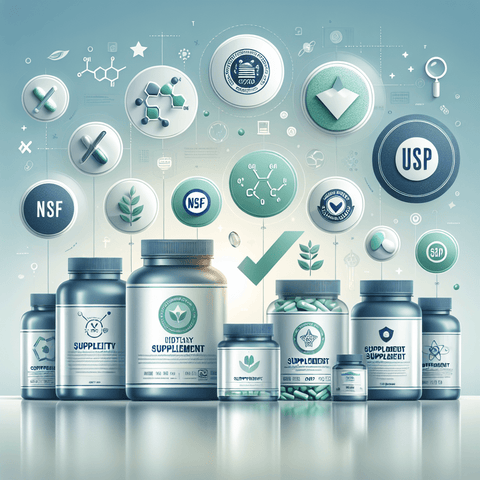
Finding trustworthy supplement brands can be a challenge in a crowded and often confusing market. This guide serves as a comprehensive starting point for understanding what separates high-quality products from the rest. We will explore the key pillars of a reputable brand, including ingredient sourcing, manufacturing standards, and the importance of independent testing. Our goal is to equip you with the knowledge to evaluate supplement options confidently and make informed decisions that align with your health and wellness journey.
What Makes a Supplement Brand High-Quality?
In simple terms, a quality supplement brand is one that consistently delivers products that are safe, pure, and accurately labeled. This is achieved through a combination of practices that prioritize consumer health over cutting corners. The most reliable indicators of quality are transparency, rigorous manufacturing, and independent verification.
Ingredient Sourcing and Purity
The journey to a quality supplement begins with its ingredients. Reputable brands are transparent about where and how their ingredients are sourced. They often prioritize high-quality raw materials, which may include organic or non-GMO options, and subject them to rigorous testing for purity and contaminants. This focus on sourcing helps ensure that the final product is not only effective but also safe for consumption.
Manufacturing Standards and Quality Control
How a supplement is manufactured is just as important as its ingredients. Good Manufacturing Practices (GMP) are a set of standards that ensure products are consistently produced and controlled according to quality requirements. Brands that follow GMP have strict quality control procedures in place, which helps guarantee batch-to-batch consistency and ensures that what is in the bottle matches what is on the label.
The Role of Third-Party Testing and Certifications
Third-party testing provides an unbiased check on a product's quality. When a supplement is tested by an independent organization, it confirms that the product contains the ingredients listed on the label in the stated amounts and that it is free from harmful levels of contaminants. Certifications from recognized bodies such as the U.S. Pharmacopeia (USP) or NSF International are strong indicators of quality, as they represent a commitment to meeting stringent, externally verified standards.
Label Transparency and Accuracy
A quality brand is forthcoming about what is in its products. This means clear and complete labeling that lists all active and inactive ingredients, potential allergens, and appropriate usage instructions. Accurate labeling is a fundamental aspect of consumer safety, allowing you to make an informed choice about what you are putting into your body and to avoid ingredients you may be sensitive to.
Why Choosing Quality Supplements is Important
The choice of supplement brand can have a real impact on your health outcomes. Low-quality products may be ineffective, offering no benefit, or worse, they could contain undeclared substances that pose a risk. By contrast, choosing a high-quality supplement from a reputable brand helps ensure you are receiving the nutrients you intend to take, in the correct dosages, and without unwanted contaminants. This makes the effort to identify trustworthy brands a worthwhile investment in your health.
While symptoms like fatigue or a weakened immune response can sometimes be linked to nutrient gaps, they are not definitive proof of a deficiency. Many factors, including diet, lifestyle, and underlying health conditions, can influence how you feel. It is important to view supplements as one part of a broader health strategy and to consult with a healthcare professional for a proper evaluation before starting any new regimen.
How to Evaluate and Choose a Supplement Brand
When you are ready to choose a supplement, a practical evaluation framework can help you make a confident decision. Instead of relying on marketing, focus on verifiable facts about the product and the company behind it.
- Assess your nutritional needs: Consider your diet, lifestyle, and specific health goals to identify potential nutrient gaps. This is best done in consultation with a healthcare provider.
- Research the brand's reputation: Look for a long history of safe manufacturing, transparent labeling, and a commitment to quality. Check if they have had any major recalls.
- Look for third-party certifications: Seek out seals from organizations like USP or NSF. These certifications provide independent assurance that the product meets high standards for quality and purity.
- Read the label carefully: Examine the ingredient list, serving size, and any allergen information. A quality product will be clear and complete in its labeling.
Exploring Different Supplement Categories
Quality principles apply across all types of supplements, from vitamins and minerals to herbal extracts and specialty formulas. Whether you are looking for a foundational multivitamin, a targeted nutrient like vitamin D, or a probiotic for digestive health, the same standards of quality, transparency, and testing should guide your selection.
Key Takeaways for Choosing Supplements
- Quality supplement brands prioritize transparency, safety, and efficacy.
- Ingredient sourcing and manufacturing standards are critical to a product's quality.
- Third-party testing and certifications like USP or NSF provide objective assurance of quality.
- Choosing reputable brands minimizes the risk of ineffective or unsafe products.
- Supplements are most effective when used as part of a broader approach that includes a balanced diet and healthy lifestyle.
Frequently Asked Questions
What is the most trustworthy supplement company?
There is no single 'most trustworthy' company, as trust is built on consistent practices. Look for brands that demonstrate a commitment to quality through third-party testing, transparent labeling, and GMP-certified manufacturing. Certifications from independent bodies like USP or NSF are strong indicators of a trustworthy brand.
How do I know if a supplement is good quality?
A good quality supplement is one that is third-party tested, accurately labeled, and made by a manufacturer that follows GMP. Look for certifications from organizations like USP or NSF, and check the label for a complete list of ingredients, including any allergens.
Where can I buy the highest quality supplements?
High-quality supplements can be found at reputable retailers, pharmacies, and online stores that specialize in health products. The most important factor is not where you buy, but the quality of the brand you choose. Look for brands that provide clear information about their sourcing, manufacturing, and testing practices.
What is the purest supplement company?
The 'purest' supplement company is one that uses minimal, high-quality ingredients and is transparent about its sourcing. These brands often avoid unnecessary fillers, artificial colors, and preservatives. Look for products that have been third-party tested for purity and contaminants.
Making Informed Choices with Topvitamine
At Topvitamine, we understand that choosing the right supplement is a personal and important decision. We aim to support your journey by curating a selection of products from brands that emphasize transparent labeling, clear ingredient sourcing, and a commitment to quality. Our goal is to provide you with the resources and product options you need to make informed comparisons and selections that align with your health goals.