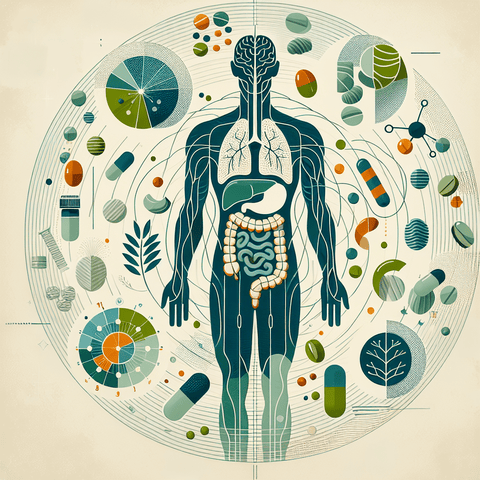
Quick deficiency signs are the early and sometimes easy-to-miss clues that may appear when the body is not getting enough of a particular vitamin or mineral over a period of time. They are best understood as prompts for attention rather than as a diagnosis, because a single sign rarely points to one specific nutrient on its own. Learning the general landscape of these clues can help you notice patterns, ask better questions, and make more informed choices about your everyday nutrition.
This page is a broad overview of the topic. It explains what quick deficiency signs are, which nutrients are most often discussed in this context, how these clues tend to overlap, and how to think about them sensibly. More specific questions such as individual vitamin deficiency symptoms, dosage considerations or detailed comparisons are covered in the individual articles associated with this topic.
What Are Quick Deficiency Signs?
A quick deficiency sign is an early, often mild indication that something in your nutritional picture may deserve closer attention. It is not the same as a confirmed deficiency, and it is not a substitute for testing or professional assessment. Instead, it is a signal that the body may be responding to a nutrient gap, a change in diet, a period of higher demand, or another factor entirely.
These signs tend to be subtle at first. They may appear as recurring tiredness, changes in hair or nails, mouth discomfort, muscle sensations, low mood, slower healing, or changes in appetite. Because they are easy to dismiss as ordinary ups and downs, they are most useful when viewed across weeks rather than as isolated moments.
Why Early Clues Are Worth Noticing
Nutrition supports nearly every system in the body, including energy metabolism, immune activity, nerve signalling, muscle function, bone maintenance and blood formation. When intake of a nutrient runs low over time, the body may begin to compensate and adapt before more obvious changes appear. That is the window in which early clues often show up.
Noticing these clues does not mean you can identify a specific deficiency on your own. What it can do is help you build a clearer picture of what you are experiencing, when it happens, and whether it is consistent. That kind of information is far more useful to a healthcare professional than a single symptom mentioned in passing.
Common Nutrient Groups Linked to Early Clues
Different nutrients are involved in different body functions, which is why one symptom can be associated with several possibilities. The list below is a broad overview, not a checklist of causes or a way to self-diagnose.
- Iron and vitamin B12 are commonly discussed in relation to ongoing tiredness, paleness and certain nerve-related sensations.
- Vitamin D and calcium are often mentioned in connection with muscle comfort, bone health and general musculoskeletal wellbeing.
- Vitamin C and the wider antioxidant family are typically linked to immunity, skin condition and connective tissue support.
- B-complex vitamins, magnesium and zinc appear frequently in discussions about energy, mood, cramps and skin health.
- Vitamin A and vitamin E are usually discussed in relation to vision, skin and the body's broader cell-protection systems.
If you want to explore these nutrient families in more detail, our vitamin B guide and our mineral supplements guide cover their roles, sources and general safety considerations at a broad level.
How Quick Deficiency Signs Overlap
One of the most important things to understand about this topic is that deficiency signs are rarely exclusive. Tiredness, for example, can appear in relation to iron, B12, vitamin D, magnesium or simply poor sleep. Changes in hair and nails can relate to several nutrients at once. This overlap is why the topic is best approached as a network of possibilities rather than a one-to-one matching exercise.
It also explains why two people with similar complaints may end up with different conclusions after professional assessment. Context matters: diet, lifestyle, medications, life stage and underlying health conditions all influence how the body responds. The purpose of learning about quick deficiency signs is to recognise the language of early clues, not to replace proper evaluation.
Everyday Factors That Can Influence Nutritional Status
Nutritional status is not fixed. It shifts in response to what you eat, how your body uses nutrients, and the demands placed on it at different times. Several broad factors are commonly discussed in this context.
- Dietary patterns, including variety, food groups and how consistently nutrients are consumed.
- Life stages such as growth, pregnancy, older age and periods of higher physical demand.
- Medications and health conditions that may affect how nutrients are absorbed or used.
- Seasonal, lifestyle and stress-related factors that can shape appetite, sleep and food choices.
Broad, everyday nutritional coverage is one way people try to support their intake when they notice early clues. Our multivitamins guide explains how these products are typically structured and what general considerations apply.
Tracking What You Notice
A simple, neutral way to work with quick deficiency signs is to keep a light record. You do not need a complicated system. The goal is to notice patterns rather than to reach conclusions on your own.
- Note what you notice and when, using plain everyday language.
- Record how often it appears and whether it comes and goes.
- Look for clusters of clues rather than isolated events.
- Consider sharing the pattern with a qualified healthcare professional if it persists.
This approach is informational rather than diagnostic. It supports a more informed conversation rather than replacing one.
How Supplements Fit Into the Broader Picture
Supplements are one part of a wider nutritional picture that also includes diet, lifestyle and professional guidance. People sometimes explore them after noticing early clues, but it is important to keep expectations measured. Supplements are not a substitute for a varied diet, and they are not a way to self-treat a suspected deficiency.
Because individual needs vary, the appropriate role of any supplement depends on personal circumstances that general information cannot address. The pages gathered under this topic are intended to help you understand the landscape of early clues and the nutrients most often associated with them, so that you can ask better questions when the time comes.
Questions People Often Ask
How do I tell if I have a deficiency?
You generally cannot confirm a deficiency from symptoms alone. Early clues may suggest that something is worth checking, but proper assessment usually involves a conversation with a healthcare professional and, where appropriate, testing. Tracking what you notice over time makes that conversation more useful.
What is the surprising symptom that may signal a vitamin deficiency?
Many so-called surprising symptoms are simply less familiar ones, such as tingling sensations, changes in taste, unusual mouth discomfort or slower wound healing. None of these is specific to one nutrient, which is why context and patterns matter more than any single clue.
What is the most common deficiency?
Different nutrients are discussed as commonly low in different populations and regions, and the answer depends heavily on diet, lifestyle and geography. Rather than looking for one universal answer, it is more useful to understand which nutrient groups are most often associated with the early clues you are noticing.
Exploring This Topic Further
The pages grouped under this topic cover the broader map of quick deficiency signs, the nutrients most often linked to them, and the everyday factors that can shape nutritional status. Individual articles go deeper into specific signs and specific nutrients, so you can move from a broad overview to a more focused question depending on what you are trying to understand.
For general informational context, always treat this material as educational rather than personal medical guidance. If something persists, worsens, or simply concerns you, the appropriate next step is a conversation with a qualified healthcare professional.