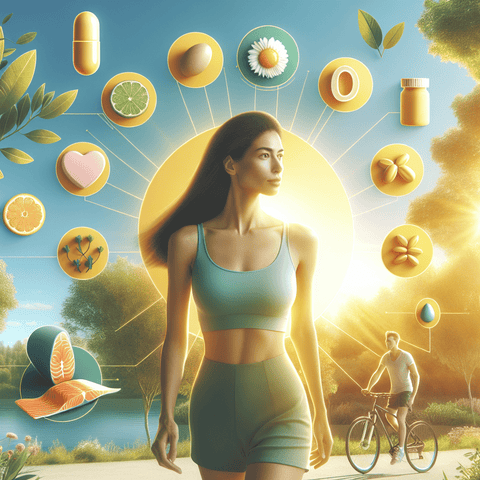
Vitamin D is a nutrient that supports normal bone maintenance, muscle function and immune system function. Because it can be obtained from several different sources, many people look for quick vitamin D sources to help support their intake. This page provides a broad overview of the main categories of quick vitamin D sources: sunlight, foods and supplements. It explains how these options compare, what factors can influence their effectiveness, and what practical considerations may be relevant. The goal is to help you understand the topic at a high level so you can make informed decisions and explore more specific questions in related articles.
What Are Quick Vitamin D Sources?
The phrase quick vitamin D sources generally refers to ways of obtaining vitamin D that may be convenient or relatively fast to incorporate into everyday life. This can include spending time in sunlight, choosing foods that contain or are fortified with vitamin D, or taking a dietary supplement. However, what counts as quick can vary from person to person. Factors such as where you live, the time of year, your diet and your daily schedule all play a role. Additionally, the amount of vitamin D obtained from any source can vary widely. For these reasons, it is helpful to think of quick vitamin D sources as a set of options rather than a single solution. Understanding the main categories can help you evaluate which approaches may be suitable for your circumstances.
Sunlight as a Vitamin D Source
When ultraviolet B (UVB) rays from the sun reach the skin, they trigger a process that leads to vitamin D synthesis. This makes sunlight a natural source of vitamin D. However, the amount produced depends on several factors. These include the time of day, the season, latitude, altitude, cloud cover and the amount of skin exposed. People with darker skin pigmentation may require longer exposure to produce the same amount of vitamin D compared to those with lighter skin. While sunlight can be a quick source under the right conditions, it is important to balance any sun exposure with skin safety. Seeking shade during peak hours, wearing protective clothing and using sunscreen are common practices to consider. Because individual circumstances vary, there is no single recommendation for how much sun exposure is ideal for everyone.
Food Sources of Vitamin D
Certain foods naturally contain vitamin D, while others are fortified with it. Natural sources include fatty fish such as salmon, mackerel and sardines, as well as egg yolks and some types of mushrooms exposed to UV light. Fortified foods are also common and can include dairy products, plant-based beverages, breakfast cereals and some orange juices. The vitamin D content in foods varies significantly by product and serving size. For example, a serving of fatty fish may provide a different amount than a serving of fortified milk. When considering food sources, it can be helpful to read labels and product descriptions to understand what each option offers. Incorporating a variety of these foods into your diet may help support your overall vitamin D intake, though the amount obtained from food alone may not always meet individual needs.
Supplements for Fast Vitamin D Intake
Dietary supplements provide a controlled way to obtain vitamin D. They are available in different forms, such as capsules, tablets, softgels and liquids, and often contain vitamin D2 (ergocalciferol) or vitamin D3 (cholecalciferol). Supplements can be a convenient option for people who are looking for a quick vitamin D source, especially when sun exposure or dietary intake may be limited. When choosing a supplement, it is important to read the label carefully to understand the amount of vitamin D per serving, the form used and any other ingredients. Supplement needs can vary, and what is appropriate for one person may not be appropriate for another. For this reason, it is advisable to consult a healthcare professional before starting or changing any supplement routine, particularly if you have health conditions or take medications.
Comparing Sunlight, Food and Supplements
Each category of quick vitamin D sources has its own set of advantages and limitations. Sunlight is natural and free, but its effectiveness can be inconsistent due to weather, season and skin type. Food sources are part of a balanced diet, but the vitamin D content may be relatively low unless you regularly consume fortified products or fatty fish. Supplements offer a predictable amount, but they should be used thoughtfully and with professional guidance if needed. Many people use a combination of these approaches. For example, someone might aim for sensible sun exposure when possible, include vitamin D-rich foods in their meals and consider a supplement during winter months. Understanding the differences can help you make more informed choices that align with your lifestyle and health priorities.
Factors That May Affect Vitamin D Absorption
Once vitamin D is consumed or synthesized, it needs to be absorbed and used by the body. Vitamin D is fat-soluble, meaning it is better absorbed when consumed with some dietary fat. This is relevant for both food sources and supplements. Some health conditions that affect fat absorption, such as certain gastrointestinal disorders, may influence vitamin D status. Age, body weight and skin tone can also play a role in how the body handles vitamin D. Additionally, some medications may interact with vitamin D metabolism. If you have concerns about absorption or interactions, it is best to discuss them with a healthcare professional who can provide personalized advice.
Practical Considerations When Choosing Quick Sources
When evaluating quick vitamin D sources, consider your individual circumstances. Think about your typical sun exposure, dietary habits and any supplements you already take. If you are considering fortified foods, reading nutrition labels can help you compare products. If you are considering a supplement, look for clear labeling and consult a professional if you have questions. It is also helpful to be aware that vitamin D recommendations can vary by age, life stage and health status. While general information can guide your understanding, it is not a substitute for personalized medical advice. A healthcare provider can help you determine whether your vitamin D intake is adequate and whether any changes are needed.
Exploring Vitamin D Further
This page provides a broad overview of quick vitamin D sources. If you want to dive deeper into specific topics, you can explore related articles on our site. For example, you might be interested in learning about vitamin D deficiency symptoms, different types of vitamin D supplements, or how vitamin D interacts with other nutrients like calcium. You can also browse our vitamin D benefits, sources and safety category to find related products and information. Additionally, our calcium benefits for bone and muscle health category explains how calcium works alongside vitamin D. For a broader range of options, you may also look at our natural supplements collection. These resources can help you continue learning about vitamin D and related nutrients.