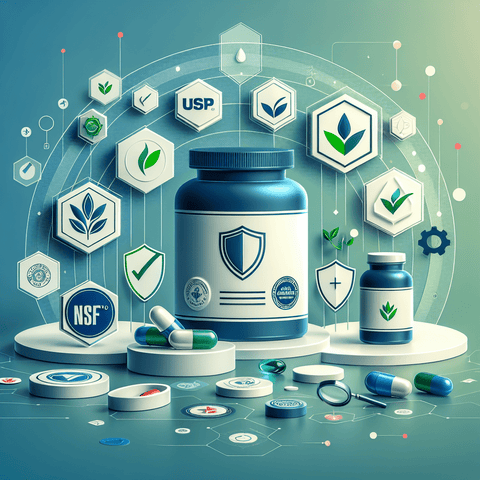
The supplement industry offers thousands of products, making it difficult to determine which ones are reliable and safe. Reputable certifying bodies help bridge this gap by independently testing and evaluating supplements against rigorous quality standards. These organizations verify that products contain the ingredients stated on their labels, are free from harmful contaminants, and are manufactured under controlled conditions. This guide explains what certifying bodies do, why their seals matter, and how consumers can use certifications to make more confident supplement choices.
What Are Reputable Certifying Bodies and Why Do They Matter?
Reputable certifying bodies are independent, third-party organizations that assess dietary supplements against established standards for quality, purity, potency, and safety. Unlike manufacturers who self-verify their own products, independent certifiers have no financial interest in the outcome of their evaluations. This independence is what makes their certifications valuable to consumers.
The importance of certifications stems from the regulatory landscape of dietary supplements. In many regions, including the United States, supplements are regulated as foods rather than drugs, meaning they do not require pre-market approval for safety or efficacy. This regulatory gap creates variability in product quality across the industry. Certifications help fill this gap by providing an independent verification layer that consumers can rely on.
For consumers, certification seals serve as a shorthand for quality. They signal that a product has undergone testing for key attributes such as ingredient identity, correct dosage, and absence of contaminants. This information is particularly valuable when choosing between similar products from different brands.
Major Certifying Bodies and Their Standards
Several organizations have established themselves as authorities in supplement certification. Each has its own set of standards, testing protocols, and areas of emphasis. Understanding these differences helps consumers interpret certification seals correctly.
GMP Certification (Good Manufacturing Practices)
GMP certification verifies that a manufacturer follows established quality control procedures throughout the production process. This includes facility cleanliness, equipment maintenance, employee training, and documentation practices. GMP-certified facilities must demonstrate systematic approaches to ensuring product consistency and preventing contamination.
USP Verified Mark
The USP Verified mark indicates that a supplement meets the standards established by the United States Pharmacopeia. This certification confirms that the product contains the ingredients listed on the label in the declared amounts, has been tested for harmful contaminants, and has been manufactured according to GMP guidelines. USP verification is voluntary and requires ongoing compliance monitoring.
NSF International Certifications
NSF International offers several supplement certification programs. Standard NSF certification verifies product safety, ingredient accuracy, and absence of contaminants. The NSF Certified for Sport program specifically tests for over 270 substances banned by major athletic organizations, making it particularly relevant for athletes concerned about prohibited ingredients.
Other Recognized Certifications
Additional certifications focus on specific product attributes. For example, organic certification verifies that ingredients were grown without synthetic pesticides or fertilizers, and non-GMO certification confirms the absence of genetically modified organisms. While these certifications do not directly address supplement quality, they provide useful information for consumers with specific preferences.
How Certifications Relate to Supplement Quality
Certifications address several dimensions of supplement quality that consumers cannot easily evaluate on their own. By understanding what each certification covers, consumers gain insight into the quality signals that matter most.
Ingredient Accuracy and Potency
One of the most important functions of supplement certification is verifying that products contain what their labels claim. Certifying bodies test for ingredient identity and measure concentrations to ensure that consumers receive the stated doses. This verification helps address the problem of products that contain less than the labeled amount or substitute cheaper ingredients.
Contaminant Testing
Certified products undergo testing for harmful contaminants including heavy metals, pesticides, and microbial organisms. This testing helps ensure that supplements are safe for consumption. Contaminant testing is particularly important because ingredient sourcing and manufacturing processes can introduce unwanted substances even in reputable products.
Manufacturing Quality and Consistency
Certification also evaluates manufacturing processes to ensure consistent product quality across batches. This includes verifying that facilities adhere to proper procedures for mixing, filling, and packaging supplements. Consistent manufacturing helps ensure that every batch of a product meets the same quality standards.
Label Accuracy and Transparency
Certified products must have labels that accurately reflect their contents. This includes clearly listing all active ingredients, their amounts, and any potential allergens. Accurate labeling is essential for consumers who need to avoid specific ingredients due to allergies, sensitivities, or medication interactions.
Practical Considerations for Choosing Certified Supplements
When selecting supplements, certifications provide an important quality signal, but they are one of several factors to consider. Being informed about certifications helps consumers make well-rounded decisions based on multiple quality indicators.
Reading Supplement Labels Effectively
Consumers should know what to look for when evaluating supplement labels. Key information includes the Supplement Facts panel, which lists active ingredients and amounts, and the presence of certification seals. Batch or lot numbers provide traceability, allowing consumers to verify specific products with manufacturers if questions arise.
Recognizing Quality Red Flags
Certain signs may indicate potential quality concerns. Products with vague labeling, unrealistic health claims, or lack of transparency about ingredient sourcing may not meet adequate quality standards. The absence of certification seals does not necessarily mean a product is poor quality, but it does mean the product has not undergone independent verification.
Factors Beyond Certification
While certifications provide valuable quality assurance, they do not address all aspects of supplement use. Individual responses to supplements vary based on factors such as absorption, metabolism, and baseline nutrient status. Certifications help ensure product quality, but they do not determine whether a particular supplement is appropriate for a specific individual.
It is also important to understand that certification is not a guarantee of health benefits. Supplements should be viewed as part of a broader approach to wellness that includes a balanced diet, regular physical activity, and appropriate medical guidance. Certification addresses product quality, while decisions about supplementation should consider individual health needs and goals.
Getting Started with Certified Supplements
For consumers new to evaluating supplement certifications, taking a systematic approach can help simplify the process. Start by identifying your specific needs and then look for certified products that match those needs.
A Practical Evaluation Checklist
When evaluating supplements, consider the following factors:
- Look for certification seals from recognized organizations on the product label
- Check the Supplement Facts panel for clear ingredient and dosage information
- Verify batch or lot numbers for product traceability
- Review the ingredient list for potential allergens or undesirable additives
Responsible Supplement Use
Certified supplements should be used responsibly. This includes following recommended dosages, being mindful of potential interactions with medications, and consulting healthcare professionals when uncertain about supplement use. Certifications provide quality assurance, but they do not replace professional medical guidance.
The Importance of Certification in the Supplement Market
Given the wide variety of supplements available, certifications help consumers navigate the marketplace with greater confidence. By understanding what reputable certifying bodies do and what their seals represent, consumers can make more informed decisions about the products they choose. This knowledge is particularly valuable when comparing products from different brands or when trying a new supplement for the first time.
Certifications also promote accountability within the supplement industry. When manufacturers voluntarily submit their products for independent testing, they demonstrate a commitment to quality that benefits both consumers and the broader market. This accountability contributes to a more reliable supplement ecosystem overall.
For those looking for certified supplement options, exploring curated selections can simplify the process. At Topvitamine, consumers can find products that emphasize visible certifications and clear quality documentation, making it easier to identify supplements that have undergone independent verification. You can browse our various supplement categories to find options that align with your wellness goals, whether you are looking for multivitamins to support your daily nutrition or exploring vitamin D supplements for more targeted support.
Key Takeaways on Supplement Certifications
- Reputable certifying bodies provide independent verification of supplement quality, purity, and safety
- GMP, USP, and NSF certifications are among the most recognized in the industry
- Certifications verify ingredient accuracy, contaminant limits, and manufacturing quality
- Labelling awareness helps consumers identify certified products and understand their significance
- Certification is a quality signal but does not guarantee individual health outcomes or replace professional guidance
Understanding reputable certifying bodies is an essential skill for anyone who uses dietary supplements. By recognizing the value of independent verification and learning how to identify certified products, consumers can take a more informed and confident approach to supplement selection.