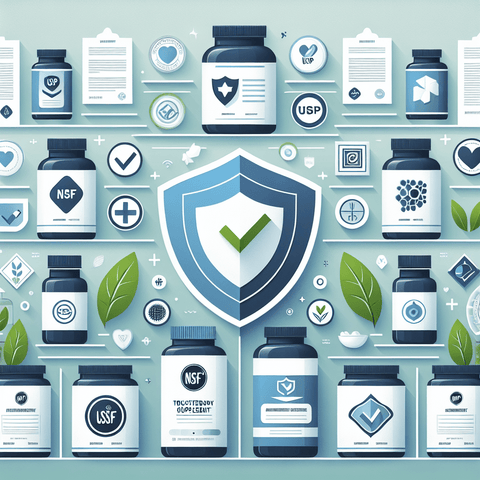
The supplement market is vast, making it challenging to distinguish between reputable health supplement providers and those with less rigorous standards. Choosing a trustworthy brand is about more than just finding a product; it's about ensuring that what you consume is safe, accurately labeled, and made with quality ingredients. This guide serves as your starting point for understanding the landscape, learning what defines a dependable provider, and recognizing the essential quality signals that contribute to a positive and safe supplement experience.
What Makes a Supplement Provider Reputable?
A reputable health supplement provider distinguishes itself through a consistent and verifiable commitment to quality, transparency, and consumer safety. This goes beyond simply producing a product; it involves a holistic approach to how ingredients are sourced, how products are manufactured, and how information is communicated to the public.
Key pillars of a trustworthy provider often include:
- Transparent Sourcing: Clearly identifying the origins of raw materials and whether they are synthetic, natural, or fermented.
- Manufacturing Integrity: Following Good Manufacturing Practices (GMP) and providing evidence of consistent quality control.
- Full Label Disclosure: Providing complete ingredient lists with accurate dosages, avoiding hidden proprietary blends.
- A Track Record of Safety: Demonstrating a history without significant recalls or safety issues and responding responsibly to any concerns.
- Commitment to Education: Offering clear, evidence-based information about their products without resorting to exaggerated or unsupported health claims.
The Role of Third-Party Testing & Certifications
One of the most reliable indicators of a reputable provider is the presence of third-party testing and certifications. While a company may perform its own internal quality checks, an independent organization provides an unbiased verification that the product meets specific standards of purity and potency.
Look for certifications from recognized organizations that perform rigorous testing. These can include:
- USP (United States Pharmacopeia): Verifies that the supplement contains the ingredients listed on the label in the declared amount and strength, and checks for harmful contaminants.
- NSF International: Certifies that products meet strict standards for safety, quality, and purity, and also screens for banned substances in sports supplements.
- Informed-Choice: A quality assurance program for sports nutrition products, testing every batch for banned substances.
These certifications are a strong signal that a brand has gone the extra mile to validate its products, offering an added layer of consumer protection. When exploring options on Topvitamine, checking for these third-party seals is a practical first step.
Navigating Supplement Quality and Labels
A supplement label is your primary source of information about a product. Learning how to read it critically is an essential skill for choosing high-quality supplements. Beyond the flashy marketing on the front, the Supplement Facts panel tells the real story.
What to Look For
- Active Ingredients: Ensure the dose of each active ingredient is clearly listed and has scientific support for its intended use.
- Other Ingredients: Be aware of fillers, binders, and artificial additives. A shorter list here is often preferable.
- Allergen Information: Look for clear labeling of common allergens like soy, gluten, dairy, or nuts.
What to Be Wary Of
- Proprietary Blends: These can hide the specific dose of individual ingredients, making it difficult to assess effectiveness or safety.
- Exaggerated Claims: Be cautious of products promising unrealistic results, such as "cures" or instant effects. Legitimate supplements support health; they don't perform miracles.
- Vague Dosages: Phrases like "a proprietary blend of 500mg" without breaking down the individual ingredients are a major red flag.
You can explore various supplement categories to see how different products present their ingredient information. For instance, comparing a basic multivitamin guide with a specialized magnesium supplement can help you learn how to interpret different types of labels.
The Spectrum of Supplement Quality
Supplement quality exists on a spectrum. At one end, you find highly reputable brands that invest significantly in research, sourcing, and third-party testing. At the other, you may find products with poor quality control, misleading labels, or potentially harmful ingredients. Understanding this spectrum helps you make more informed choices.
A reputable provider is not necessarily the most expensive one, but the cost of high-quality ingredients and independent testing is often reflected in the price. While deals and discounts can be attractive, they should never be the primary factor in your decision. Prioritizing quality over price is a key principle of safe supplement shopping.
When considering a provider, it's also wise to research their history. Look for any past product recalls, FDA warning letters, or a history of customer complaints. A transparent company will often provide this information or have a clean record. For a deeper look into specific brands available, you can check the healthy origins supplement collection to see the types of brands Topvitamine chooses to carry.
Practical Framework for Choosing a Provider
Embarking on your supplement journey involves more than just picking a product off the shelf. A thoughtful, step-by-step approach can help you make decisions that are right for your individual health needs.
A Step-by-Step Decision Framework
- Identify Your Needs: Start by considering your dietary patterns, lifestyle, and specific health goals. Are you addressing a known deficiency or supporting general wellness?
- Prioritize Evidence: Look for supplements that have ingredients with scientific support for their intended purpose. Reputable resources like PubMed can be helpful.
- Evaluate Quality Signals: Check the label for full disclosure, and look for third-party certifications like USP, NSF, or Informed-Choice to verify quality and purity.
- Consult a Professional: If you have underlying health conditions or take medication, it is prudent to discuss your supplementation plans with a healthcare provider or registered dietitian.
- Start Low and Monitor: Begin with a low dose to assess your individual tolerance and response. Keep a journal to note any changes, both positive and negative.
When to Consult a Professional
While this framework is a useful guide, it is essential to recognize when professional advice is necessary. Persistent symptoms, the presence of a diagnosed health condition, or the desire to combine multiple supplements are all situations where you should seek guidance from a clinician or dietitian. They can help you interpret symptoms, order appropriate lab tests, and personalize your approach to avoid potential interactions.
Beyond Quality: The Role of Supplements in Your Health
It's important to remember that even the most reputable health supplement provider offers products designed to complement, not replace, a balanced lifestyle. Supplements can help fill nutritional gaps, but they work best when integrated into a foundation of a healthy diet, regular physical activity, and adequate sleep.
They are not a substitute for professional medical care. Supplements are not intended to diagnose, treat, cure, or prevent any disease. Their role is to support the body's normal functions and address specific nutrient shortfalls that may exist in your diet.
Understanding this distinction is key to having realistic expectations and using supplements safely and effectively. A truly reputable provider will educate you on this, rather than making promises that sound too good to be true.
Making Informed Choices on Topvitamine
Topvitamine's platform is designed to support informed decision-making by prioritizing lab-verified products and providing transparent information. When browsing, you can use the quality signals discussed in this guide to compare brands and products.
- Check for Certifications: Look for third-party seals on product images or descriptions.
- Read Labels Carefully: Review the Supplement Facts panel provided for each product.
- Review Customer Feedback: Consider cumulative reviews, but remember they should be weighed alongside scientific evidence.
By applying these principles, you can confidently explore the available range of vitamin and natural supplements and select products that align with your personal definition of quality and trust.
Conclusion: Your Path to Confident Supplementation
Finding a reputable health supplement provider is a process of education and verification. By understanding what defines a trustworthy brand, recognizing the importance of third-party testing, and learning how to critically evaluate a label, you are well-equipped to make choices that support your health journey.
Remember to prioritize quality over price, use the decision framework to assess your own needs, and never hesitate to consult a healthcare professional for personalized advice. Your proactive approach to understanding quality is the most critical step in ensuring that your supplement choices are both safe and potentially beneficial.
Q&A Section
1. What are the signs of a reputable health supplement provider?
Look for transparent sourcing and manufacturing, complete label disclosure, and third-party certifications from organizations like USP, NSF, or Informed-Choice. A history without major recalls and a commitment to educational, non-exaggerated claims are also positive signs.
2. Why is lab verification important for supplements?
Lab verification, particularly from an independent third party, ensures that a supplement actually contains the ingredients and dosages listed on its label and that it is free from harmful contaminants. This adds an essential layer of consumer safety and confirms the product's quality claims.
3. How can I tell if a supplement is effective for me?
Effectiveness varies from person to person due to genetic, lifestyle, and health factors. Start with a low dose, monitor your own responses over time, and consider consulting a healthcare professional to assess whether the product is having the intended effect for you.
4. Are there any risks associated with taking dietary supplements?
Yes, there can be risks. Supplements may interact with prescription medications, and taking excessively high doses of some nutrients can be harmful. It is always important to discuss potential risks with a healthcare professional, especially if you have pre-existing conditions.
5. How do I choose the right supplements for my needs?
Begin by assessing your dietary habits and health goals. Prioritize supplements with ingredients that have evidence for your specific needs. It's wise to consult a doctor or dietitian to help you identify any actual deficiencies and choose a product that is both safe and appropriate for you.
6. Can supplements replace a healthy diet?
No. Supplements are designed to complement a balanced diet, not replace it. Whole foods provide a complex array of nutrients and fibre that cannot be replicated in a pill.
7. What should I look for on a supplement label?
Look for a clear list of active ingredients with specific dosages, a complete list of 'other ingredients' (fillers/binders), allergen information, and any third-party certification seals. Be wary of 'proprietary blends' that hide individual ingredient dosages.
8. How important are customer reviews when buying supplements?
Customer reviews can provide useful anecdotal insights into taste, ease of use, and potential results. However, they should be considered alongside scientific evidence and should not be the sole basis for your decision, as individual experiences can vary significantly.
9. When should I consult a healthcare professional about supplements?
Consult a healthcare professional if you have a pre-existing medical condition, are taking medication, are pregnant or nursing, or are considering using supplements to address persistent or severe symptoms. They can help ensure safety and avoid interactions.
10. What are some safe practices for using dietary supplements?
Start with a low dose to assess tolerance, pay attention to how your body responds, be mindful of potential interactions with your medications, and always choose products from reputable brands with third-party testing. Never exceed the recommended dosage unless advised by a professional.
11. How can I assess the quality of a supplement brand beyond its label?
Research the brand's history, including any past recalls or warning letters. Look for evidence of investment in research and development, and see if they provide transparent access to their third-party testing certificates or certificates of analysis.
12. What are the potential advantages of targeted supplementation?
Targeted supplementation can address a specific identified deficiency, such as Vitamin D in winter or Iron for anaemia. It can also support a specific health goal, like using Omega-3s for heart health, by providing a concentrated dose of a nutrient that may be difficult to obtain in sufficient amounts from diet alone.