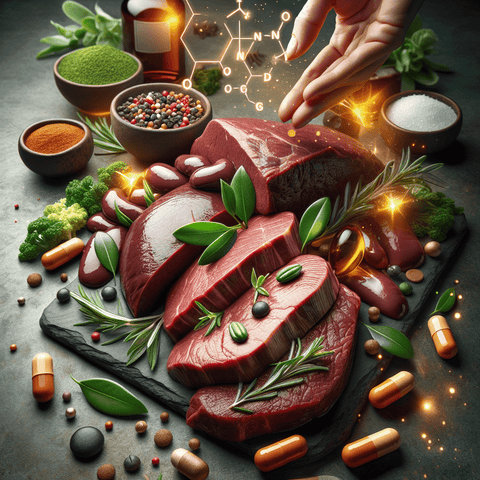
Retinol levels in meat describe the amount of preformed vitamin A found in animal tissues. Retinol is the dominant form of vitamin A stored in the body, and meat—especially organ meat—is one of the main dietary sources. Understanding these levels can help you compare different cuts, plan meals, and see how animal foods fit into broader vitamin A intake. This overview covers the factors that influence retinol in meat, which types tend to be highest, how the values are measured, and practical points to keep in mind.
What Retinol Levels in Meat Actually Mean
Retinol is a preformed, active form of vitamin A that the body can use directly. It is found almost exclusively in animal-derived foods, including liver, kidney, muscle meat, and some dairy products. When nutrition databases list retinol levels in meat, they are usually reporting how much retinol is present per 100 grams of that food.
These figures are not uniform. They shift with species, the cut (liver versus muscle, for example), fat content, and even processing or storage methods. Because of these variables, the numbers you see can differ from one database to another. It is more accurate to think of retinol levels in meat as a range or estimate rather than a fixed value.
Why Retinol in Meat Is Relevant
Vitamin A supports normal vision, immune function, and skin health, among other roles. For people who eat animal foods, meat and especially organ meats can contribute meaningfully to retinol intake. At the same time, because some cuts—particularly liver—can be very high in retinol, knowing roughly how much is present can help with variety and balance.
This information is general and educational. Individual needs vary, and anyone with specific health concerns or dietary requirements should speak with a qualified healthcare professional.
Which Meats and Cuts Tend to Have More Retinol?
The most important distinction is between organ meats and muscle meats. Organ meats such as liver are generally much higher in retinol than muscle cuts. Within muscle meats, darker cuts may carry more retinol than lean or white cuts, but the difference is usually smaller than the gap between organ and muscle tissue.
The exact ranking depends on species, farming practices, and feed, but some broad patterns are commonly observed:
- Beef liver is often cited as one of the highest natural sources of retinol.
- Chicken liver and pork liver are also concentrated sources.
- Poultry gizzards and hearts can contain notable amounts, though usually less than liver.
- Muscle cuts such as beef steak, pork chops, and chicken breast are generally much lower in retinol, with darker cuts tending to have slightly more than lean or white cuts.
These patterns are broad tendencies, not precise values. For specific numbers, it is best to consult reliable nutrition databases and compare multiple sources.
How Retinol Levels Are Measured and What Affects Them
Nutrition databases typically present retinol and related values using per-100-gram metrics. This allows comparisons across different foods, but it also means the numbers reflect a standardised portion rather than the exact amount you might eat in one sitting.
Several factors can influence the measured retinol level in meat:
- Species and breed: Different animals store vitamin A differently.
- Animal diet and farming practices: Feed composition can affect retinol content.
- Age of the animal: Older animals may have different storage levels.
- Cut and tissue type: Liver versus muscle makes a large difference.
- Cooking method: Heat and light can degrade retinol, potentially lowering the amount in the cooked food.
- Fat content: Because values are often expressed per 100 grams, fat content can affect the concentration.
- Processing and storage: How meat is handled after slaughter can also play a role.
For these reasons, the retinol levels in meat you see on labels or in databases should be treated as estimates. Comparing multiple credible databases and considering the cooking methods used can help you get a more realistic picture.
Practical Tips for Balancing Retinol Intake from Meat
If you want to understand or track your retinol intake from meat, a few practical steps can help:
- Use reliable nutrition data and compare more than one source.
- Keep serving sizes consistent when comparing cuts.
- Be mindful that cooking can change the numbers.
- Vary your choices among different meats and cuts to diversify your intake.
- Store meat properly to minimise changes in retinol content.
These strategies focus on understanding the range of retinol levels in meat and making informed choices among cuts. They are not a substitute for personalised dietary advice.
Where Retinol in Meat Fits in a Broader Diet
Meat is one source of preformed vitamin A, but it is not the only one. Other animal foods such as dairy and eggs also provide retinol, and plant foods provide provitamin A carotenoids like beta-carotene, which the body can convert to vitamin A. If you are looking at your overall vitamin A intake, it helps to consider all sources together rather than focusing only on meat.
For a broader look at vitamin A and its role in the body, you can explore our vitamin A benefits, sources, and safety collection. If you are interested in supplements more generally, our natural supplements collection provides an overview of available options.
Important Considerations and Safety
Vitamin A is an essential nutrient, but very high intakes of preformed retinol over time can be harmful. Because liver and other organ meats are so concentrated, people who eat them frequently may want to be aware of portion sizes and frequency. This is general information, not medical advice. If you have a health condition, are pregnant, or are concerned about your vitamin A intake, consult a qualified healthcare professional.
Exploring the Topic Further
This page provides a broad overview of retinol levels in meat. More specific questions—such as detailed comparisons between individual cuts, the effects of particular cooking methods, or how retinol levels in meat compare with plant sources of vitamin A—are better suited to dedicated articles. You can use the related blog posts on this tag page to dive deeper into those narrower topics.