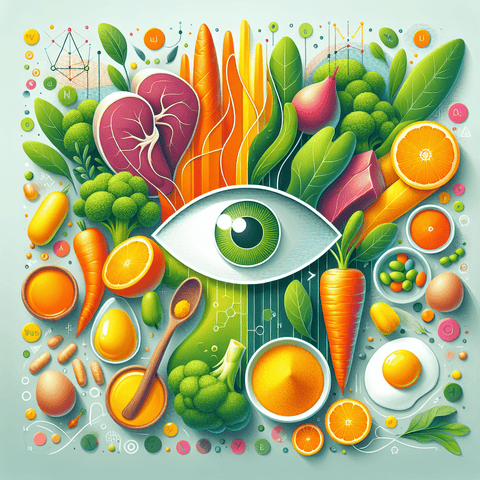
Retinol-rich foods are the most direct dietary source of preformed vitamin A, a fat-soluble nutrient involved in skin cell renewal, vision, and immune function. If you are searching for retinol-rich foods to support healthy, radiant skin, this guide explains what retinol actually is, which foods contain it, how plant-based carotenoids compare, how much vitamin A you need, and when a supplement may—or may not—be worth considering. Because vitamin A is stored in the body and has a defined upper limit, understanding both food sources and safe intake levels matters just as much as adding more to your plate.
What Are Retinol-Rich Foods?
Retinol-rich foods are foods that contain preformed vitamin A, meaning the nutrient is already in its active retinol or retinyl ester form. The body can use this form directly, without needing to convert anything. These foods are exclusively animal-derived, including liver, egg yolks, butter, cheese, oily fish, and fortified dairy products.
This contrasts with plant foods, which provide vitamin A only as provitamin A carotenoids—primarily beta-carotene—that the body must convert into retinol as needed. Both routes can support vitamin A status, but they differ in how reliably the body can use them.
The Difference Between Retinol and Provitamin A Carotenoids
Retinol is the biologically active form of vitamin A. Carotenoids such as beta-carotene, alpha-carotene, and beta-cryptoxanthin are plant pigments that act as precursors. Enzymes in the intestinal wall and liver convert carotenoids into retinol, but conversion efficiency varies considerably between individuals. Preformed retinol bypasses this step entirely, which is why animal sources contribute to vitamin A status more predictably.
Why "Retinol" in Food Labels Differs from Retinol in Skincare
The retinol in skincare products is a topical cosmetic or pharmaceutical ingredient applied directly to the skin. Dietary retinol works systemically, supporting overall vitamin A status throughout the body. The two are related chemically but work in entirely different ways, and eating retinol-rich foods does not replace a topical skincare routine—or vice versa. Food contributes to your internal nutritional foundation; topical retinoids act locally on the skin surface.
Why Does Vitamin A Matter for Skin Health?
Vitamin A has a well-established role in maintaining skin structure and function. Skin is one of the tissues most dependent on this nutrient, which is why inadequate intake can manifest in skin quality over time.
The Role of Vitamin A in Skin Cell Turnover and Repair
Vitamin A supports the normal differentiation and renewal of epithelial cells, including the cells that form the skin's outer barrier. Adequate status helps the skin shed old cells and generate new ones in a regular cycle. It also contributes to normal sebum production and the maintenance of mucous membranes, which are part of the body's first line of defense.
How Vitamin A Supports Collagen Production and Elasticity
Research suggests that adequate vitamin A status supports the processes involved in collagen formation and skin integrity. Vitamin A contributes to normal skin structure partly through its role in cell regeneration and repair mechanisms. It is worth noting that vitamin A does not work in isolation—nutrients such as vitamin C are also essential for normal collagen formation, and skin health depends on the combined adequacy of many nutrients.
Signs Your Diet May Be Low in Vitamin A
In many countries, outright vitamin A deficiency is uncommon, but mild insufficiency can occur, particularly with restrictive diets or absorption problems. Recognizing the general signs can be useful context—not a diagnostic tool.
Common Signs of Vitamin A Insufficiency
Established signs of vitamin A deficiency include impaired night vision, dry eyes, and increased susceptibility to infections. With milder insufficiency, people may experience dry, rough skin and reduced skin barrier function. The most specific and well-documented early sign is difficulty seeing in low light.
Why Visible Skin Changes Are Not a Diagnosis of Deficiency
Dry skin, dullness, or slow healing can have many causes—dehydration, weather, stress, other nutrient gaps, or underlying skin conditions. These symptoms alone cannot establish whether your vitamin A status is adequate. Only a qualified clinical assessment, sometimes supported by blood testing, can evaluate nutritional status reliably. If you suspect a deficiency, speak with a healthcare professional rather than self-prescribing high-dose supplements.
Who Is at Risk of Low Vitamin A Intake?
Most people in Western countries obtain sufficient vitamin A, but certain groups have a higher likelihood of low intake or reduced absorption.
Digestive Conditions and Medications That Impair Absorption
Because vitamin A is fat-soluble, conditions that impair fat absorption can reduce vitamin A status. This includes disorders such as celiac disease, Crohn's disease, chronic pancreatitis, and bile duct obstruction. Certain medications can also interfere with absorption or metabolism, and prolonged use of some treatments—such as certain weight-loss medications that block fat absorption—may affect fat-soluble vitamin status. Anyone with these conditions should discuss monitoring with their healthcare provider.
Dietary Patterns That Restrict Vitamin A Sources
People following very low-fat diets may absorb less of the vitamin A they consume. Those who rarely eat animal products rely entirely on carotenoid conversion, which—as discussed below—varies between individuals. Highly restrictive diets in general, including some very low-calorie or elimination diets, can reduce intake of multiple nutrients at once.
How Much Vitamin A Do You Need Daily?
Understanding both the minimum requirement and the safe upper limit is essential with vitamin A, because it accumulates in the body.
Recommended Dietary Allowance (RDA) for Adults
Vitamin A intake is expressed in micrograms of retinol activity equivalents (mcg RAE). For adult men, the RDA is approximately 900 mcg RAE per day; for adult women, approximately 700 mcg RAE per day. Requirements are higher during lactation and adjusted during pregnancy, and slightly different values apply to children and adolescents depending on age.
Understanding the Upper Limit for Preformed Vitamin A
The tolerable upper intake level (UL) for preformed vitamin A in adults is approximately 3,000 mcg (3 mg) of retinol per day, established to reduce the risk of hypervitaminosis A. This limit applies to preformed retinol from foods, fortified products, and supplements—chronically exceeding it can cause liver damage, bone changes, headaches, and skin problems. Carotenoids from food do not carry the same toxicity risk, although very high supplemental beta-carotene intakes have been linked to specific risks in certain populations, discussed later.
Best Food Sources of Preformed Retinol
Liver and Organ Meats: The Most Concentrated Sources
Liver is by far the most concentrated natural source of preformed vitamin A—a single serving can contain several times the daily requirement, and in some cases amounts approaching or exceeding the upper limit. Because of this, liver is best eaten occasionally rather than daily, and pregnant women are generally advised to limit liver intake. Cod liver oil also provides retinol, alongside vitamin D.
Animal-Based Sources: Eggs, Dairy, and Fish
For everyday eating, more moderate sources are more practical: egg yolks, butter, cheese (particularly full-fat varieties), whole milk, and oily fish such as salmon, mackerel, and herring. Many dairy products in some countries are also fortified with retinyl palmitate, adding to daily intake. These foods deliver meaningful amounts of preformed vitamin A without approaching problematic levels.
How Cooking and Processing Affect Retinol Content
Preformed vitamin A is reasonably stable during normal cooking but can degrade with prolonged exposure to heat, light, and oxygen. Retinol losses during typical food preparation are generally modest. Fortified foods retain their added vitamin A best when stored away from strong light and used within their shelf life.
Best Plant-Based Sources of Provitamin A Carotenoids
Beta-Carotene-Rich Vegetables: Carrots, Sweet Potatoes, and Pumpkin
Carrots, sweet potatoes, pumpkin, and butternut squash are among the richest beta-carotene sources available. Orange-fleshed sweet potatoes in particular are exceptionally concentrated. The deeper and more saturated the color, the higher the carotenoid content tends to be.
Leafy Greens and Their Carotenoid Content
Dark leafy greens—kale, spinach, collard greens, and Swiss chard—contain substantial beta-carotene, along with lutein and other carotenoids. Their chlorophyll masks the orange pigment, which is why their carotenoid content is often underestimated. Absorption improves when the greens are cooked and chopped, which breaks down cell walls.
Fruits That Contribute to Vitamin A Status
Mango, cantaloupe, apricots (especially dried), papaya, and red bell peppers provide meaningful amounts of provitamin A carotenoids. While fruit is generally a less concentrated source than vegetables, it contributes to total intake, particularly for people with high fruit consumption.
Factors That Affect How Your Body Converts Carotenoids
Conversion Efficiency in Different Populations
Conversion of beta-carotene to retinol is genetically variable. Estimates of conversion efficiency have shifted over time as research has advanced; current reference values assume that roughly 12 mcg of dietary beta-carotene yields about 1 mcg of retinol activity, but some individuals convert considerably less efficiently. Genetic variants, gut health, and overall diet all play a role. People who convert poorly may need larger amounts of carotenoid-rich foods—or reliable animal sources—to maintain the same vitamin A status.
The Role of Dietary Fat in Carotenoid Absorption
Carotenoids are fat-soluble, so eating them with a source of fat significantly improves absorption. Studies consistently show that adding oil, avocado, nuts, or full-fat dairy to carotenoid-rich meals increases the amount absorbed. A plain carrot eaten on an empty stomach delivers far less provitamin A than the same carrot in a salad with olive oil.
Interactions with Other Nutrients and Compounds
Zinc is required for the enzyme that converts retinol into its active form, so low zinc status can impair vitamin A function even when intake appears adequate. Iron status also influences carotenoid conversion. Conversely, very high beta-carotene intakes from supplements—not food—have been associated with increased lung cancer risk in smokers in large trials, which is a key reason food-first carotenoids are preferred over high-dose beta-carotene supplements for the general population.
Dietary Strategies to Optimize Vitamin A Intake
Practical Ways to Combine Animal and Plant Sources
A mixed approach is the most robust: moderate animal sources such as eggs, dairy, and fish provide predictable preformed retinol, while a variety of colorful vegetables supplies carotenoids plus fiber and other phytonutrients. If you eat little or no animal food, emphasize carotenoid-rich vegetables daily and pay attention to fat pairing, since you depend entirely on conversion.
Meal Pairing Tips for Better Carotenoid Absorption
- Roast carrots, pumpkin, or sweet potato with olive oil rather than steaming plain.
- Add avocado or a sprinkle of cheese to salads containing leafy greens.
- Blend spinach into smoothies that contain yogurt or a spoonful of nut butter.
- Chop and lightly cook greens to increase carotenoid release and absorption.
When Supplementation May Be Worth Considering
Circumstances Where Dietary Intake May Fall Short
Supplementation may reasonably be considered when dietary intake is genuinely limited—such as with restrictive diets, certain medical conditions that impair fat absorption, or specific life stages where requirements increase. It is not automatically necessary for people eating a varied diet that already includes reasonable vitamin A sources.
Why Testing May Be Needed Before Supplementing
Because vitamin A accumulates in the body and has a relatively low upper limit, supplementing on a hunch is not ideal. Blood testing can help establish whether your status is actually low, and this is especially important before taking high-dose retinol supplements. A healthcare professional can also identify whether symptoms suggest a different cause entirely.
Retinol Supplements vs. Beta-Carotene Supplements
Retinol (or retinyl ester) supplements deliver preformed vitamin A that the body can use directly, but they count fully toward the upper limit and carry toxicity risk in excess. Beta-carotene supplements convert to vitamin A as needed, so they pose less toxicity risk—but conversion is variable, and high-dose beta-carotene supplementation is not advisable for smokers or people with past asbestos exposure based on clinical trial evidence. For most people with adequate diets, neither is routinely needed. If you want to compare options, our vitamin A guide covers forms, dosages, and safety considerations in detail.
How to Choose a Vitamin A Supplement
If supplementation has been recommended or is justified by your circumstances, a few meaningful differences between products are worth understanding.
Retinyl Palmitate vs. Retinyl Acetate vs. Beta-Carotene
Retinyl palmitate and retinyl acetate are the two most common preformed vitamin A forms in supplements; both are retinol esters that the body converts to active retinol, and neither has a meaningful clinical advantage over the other. Beta-carotene is the alternative for those avoiding animal-derived ingredients or wanting a self-regulating supply, keeping in mind the conversion variability and the caution for smokers.
Dosage and Concentration: What the Label Tells You
Supplement labels state the amount per serving in mcg RAE or in international units (IU). A common moderate supplement dose provides 700–900 mcg RAE, roughly matching the RDA—but needs vary by age, sex, and life stage, and the total from all sources matters. Check both the amount per capsule and the serving size, and count vitamin A from any multivitamin you also take, since combined totals can quietly approach the upper limit.
Delivery Form: Capsules, Softgels, and Liquid Drops
Softgels and capsules are the most common and convenient formats, and oil-based softgels may aid absorption of the fat-soluble vitamin. Liquid drops offer flexible dosing and are easier for people who dislike swallowing capsules. Powders and chewable forms exist but are less common for retinol because the nutrient is better protected from oxidation in sealed, oil-based formats.
Quality Markers: Third-Party Testing and Certifications
Look for brands that use third-party testing, disclose manufacturing standards, and clearly state the chemical form and amount of vitamin A. Certifications such as GMP manufacturing and independent quality seals offer some reassurance of purity and label accuracy. Brands like Healthy Origins and Nature's Plus are examples of established manufacturers with visible quality practices.
Avoiding Problematic Added Ingredients and Allergens
Check whether the product contains allergens such as soy, fish, shellfish, dairy, or gluten—relevant given that some vitamin A sources are fish liver oil or gelatin softgels. Vegans and vegetarians should confirm whether the retinol source is animal-derived or the product uses beta-carotene. Also scan for unnecessary fillers, colors, or sweeteners if you prefer a minimal formulation.
Safety Considerations and Potential Interactions
Risks of Chronic Excessive Preformed Vitamin A
Chronically exceeding about 3,000 mcg of preformed vitamin A daily can lead to hypervitaminosis A, with symptoms including headaches, nausea, bone pain, liver damage, and skin changes. Extreme single doses can cause acute toxicity. Long-term high intake has also been associated with reduced bone mineral density. Very high carotenoid intake from food can cause harmless orange-tinted skin (carotenodermia), which reverses when intake drops—this is not vitamin A toxicity.
Interactions with Medications and Other Supplements
Vitamin A can interact with several medications. Retinoid drugs used for skin conditions (such as isotretinoin and acitretin) must never be combined with vitamin A supplements, as they add to the toxic load. Certain antibiotics of the tetracycline class may interact with high vitamin A doses. Weight-loss drugs that block fat absorption, bile acid sequestrants, and some cholesterol medications can reduce vitamin A absorption. Antioxidant combinations including high-dose vitamin A have specific cautions in smokers. Always review all medications and supplements with a pharmacist or doctor.
Special Precautions for Pregnancy and Liver Conditions
Excessive preformed vitamin A during pregnancy is associated with an increased risk of birth defects, so pregnant women are advised to avoid liver, liver-containing products, and high-dose retinol supplements, while carotenoids from food remain safe. People with liver disease, heavy alcohol use, or kidney conditions should consult a healthcare professional before supplementing, as vitamin A is stored and processed by the liver.
Making an Informed Decision About Your Vitamin A Intake
Prioritizing Food Sources Before Supplements
For most people, a varied diet already supplies adequate vitamin A, and food offers a built-in safety advantage: it is practically difficult to exceed the upper limit from ordinary foods (with liver being the main exception). Start by assessing what you currently eat—how often you have eggs, dairy, fish, or deeply colored vegetables—and adjust diet first.
Key Factors to Discuss with a Healthcare Professional
If you have a digestive condition, take medications affecting fat absorption, are pregnant or planning pregnancy, follow a restrictive diet, or have symptoms suggesting low vitamin A, discuss testing and supplementation options with your doctor or a registered dietitian. They can assess your actual status rather than guessing and advise on a dose appropriate for your situation.
Final Takeaway on Retinol-Rich Foods and Skin Health
Retinol-rich foods—liver (in moderation), eggs, oily fish, and dairy—provide preformed vitamin A that your body can use directly, while colorful plant foods supply carotenoids that support vitamin A status through conversion. Vitamin A contributes meaningfully to skin cell renewal, repair, and overall skin structure, but it is one part of a broader nutritional picture that includes adequate protein, healthy fats, vitamin C, zinc, and hydration. Skin health cannot be reduced to a single nutrient, and symptoms alone cannot tell you whether your vitamin A status is adequate.
The most sensible strategy for most people is diet first: build meals around a variety of carotenoid-rich vegetables paired with healthy fats, plus moderate animal sources if your diet includes them. Consider supplementation only when intake is genuinely limited or a professional assessment indicates a need—and never exceed recommended doses of preformed vitamin A without medical guidance. If you are unsure whether your intake is adequate, blood testing and professional advice offer far more reliable answers than symptoms or assumptions.
Key Takeaways
- Retinol-rich foods provide preformed vitamin A, which the body can use directly without conversion.
- Liver is the most concentrated source but should be eaten occasionally, not daily, due to its high vitamin A content.
- Eggs, dairy, and oily fish offer moderate, everyday-safe amounts of preformed retinol.
- Plant foods supply beta-carotene and other carotenoids, which the body converts to vitamin A with variable efficiency.
- Eating carotenoid-rich vegetables with dietary fat significantly improves absorption.
- Vitamin A supports skin cell turnover, repair, and structural integrity, contributing to overall skin health.
- The adult upper limit for preformed vitamin A is approximately 3,000 mcg (3 mg) per day—exceeding it chronically carries real health risks.
- Pregnant women should avoid liver and high-dose retinol supplements, as excessive preformed vitamin A increases birth defect risk.
- High-dose beta-carotene supplements are not advised for smokers based on clinical trial evidence; food carotenoids are preferred.
- Symptoms alone cannot diagnose vitamin A status—testing and professional assessment are more reliable when deficiency is suspected.
Frequently Asked Questions
What are the best retinol-rich foods?
Liver (beef, chicken, or lamb) is the most concentrated source of preformed retinol, followed by cod liver oil, egg yolks, butter, full-fat cheese, and oily fish like salmon and mackerel. For daily eating, eggs and dairy provide moderate amounts without approaching unsafe levels. Fortified dairy products in some countries also add meaningful retinol to the diet.
Are carrots a source of retinol?
No—carrots provide beta-carotene, a provitamin A carotenoid that the body must convert into retinol. This conversion is efficient for most people but varies between individuals. While not retinol itself, carrots remain an excellent way to support vitamin A status, especially when eaten with a source of fat.
Which foods are highest in vitamin A overall?
By concentration, animal liver tops the list, followed by cod liver oil, sweet potato, carrots, kale, spinach, and pumpkin. The "highest" food depends on whether you measure preformed retinol or total vitamin A activity—liver dominates the preformed category, while sweet potatoes and carrots lead among plant foods.
How much vitamin A do I need per day?
Adult men need approximately 900 mcg RAE and adult women approximately 700 mcg RAE daily, with higher requirements during lactation. The safe upper limit for preformed vitamin A is about 3,000 mcg per day. These values include vitamin A from all food, fortified products, and supplements combined.
Can you get too much vitamin A from food?
Yes, but mainly from liver. Eating large amounts of liver regularly can exceed the upper intake level, which is why it is recommended as an occasional food rather than a staple. Ordinary servings of eggs, dairy, fish, and vegetables do not carry this risk, and excessive carotenoids from plants cause only harmless, reversible skin tinting.
Is beta-carotene safer than retinol?
In terms of toxicity, food-sourced beta-carotene is safer because conversion to vitamin A is self-regulating—your body makes less retinol when stores are adequate. However, high-dose beta-carotene supplements have been linked to increased lung cancer risk in smokers in clinical trials, so "safer" applies to food sources rather than all supplements indiscriminately.
Does eating retinol-rich foods improve skin like retinol creams?
They work differently. Dietary vitamin A supports skin health systemically through cell renewal and repair, while topical retinoids act directly on skin cells at the surface. Both can contribute to healthy skin, and they complement rather than replace each other—diet builds the nutritional foundation, while skincare acts locally.
What are the signs of vitamin A deficiency?
The most specific early sign is difficulty seeing in dim light (night blindness). Other established signs include dry eyes, dry rough skin, and increased susceptibility to infections. However, these symptoms overlap with many other conditions, so only clinical assessment and appropriate testing can confirm actual deficiency.
Do vegans need a vitamin A supplement?
Not necessarily. Vegans can maintain adequate vitamin A status by eating sufficient carotenoid-rich vegetables—such as sweet potatoes, carrots, and leafy greens—paired with dietary fat, assuming efficient conversion. However, some individuals convert carotenoids less effectively due to genetics, so vegans with restrictive intake or symptoms of low vitamin A should consider discussing testing with a healthcare professional.
Should I take vitamin A with food?
Yes. Vitamin A is fat-soluble, so taking supplements with a meal containing fat improves absorption. Food also reduces the mild gastrointestinal upset that some people experience with fat-soluble vitamins on an empty stomach.
Can vitamin A supplements interact with medications?
Yes. Vitamin A supplements should never be combined with retinoid medications like isotretinoin or acitretin due to additive toxicity risk. Fat absorption blockers, certain cholesterol medications, and some antibiotics can also interact with vitamin A. Review your full medication list with a pharmacist or doctor before supplementing.
How long does it take to correct low vitamin A levels?
The timeline varies depending on the degree of deficiency and the intervention used, but the body can replenish liver stores relatively efficiently once adequate intake resumes. Mild insufficiency may improve over weeks with dietary changes, while established deficiency typically requires medically supervised correction. Follow-up testing is the best way to confirm whether status has normalized.
Related Keywords
- retinol-rich foods
- vitamin A foods
- foods high in vitamin A
- beta-carotene foods
- preformed vitamin A sources
- vitamin A for skin health
- vitamin A deficiency signs
- vitamin A daily requirement
- retinol vs beta-carotene
- plant-based vitamin A sources
- vitamin A upper limit
- vitamin A supplement forms
- foods for skin cell turnover
- carotenoid absorption tips