
Discover the best retinol sources that can be integrated into daily routines. This page explains what qualifies as a retinol source, how different forms are categorized, and how you can read product labels to understand what you’re choosing. You’ll also find guidance on considerations when selecting foods, supplements, and fortified options labeled with retinol or related vitamin A forms. The emphasis here is on recognizing retinol sources and using them safely as part of a broader approach. Retinol sources generally fall into two categories: direct retinol-containing forms found in certain animal-derived products and retinol or retinyl esters included in some dietary supplements. Fortified foods may also carry related vitamin A forms, but content can vary widely by product and batch. Because stability and potency can differ with processing, packaging, and storage, checking the label for retinol content and serving size helps you compare options across sources. Safety and use come first with any retinol source. Always follow the directions on the product label and avoid exceeding the recommended amounts. If you are taking other medications or have health considerations, consult a healthcare professional before adding retinol sources to your routine. Keep products out of reach of children, store as directed, and perform a patch test when trying a new item to assess tolerance before broader use. To maximize the experience with retinol sources, choose products with transparent labeling and credible manufacturing practices. Consider keeping a consistent pattern of use, noting the timing and interaction with other items in your routine, and staying informed about changes in product formulation. If in doubt, seek guidance from a qualified professional to help you interpret labels and select options aligned with your goals.
Best Retinol Sources: Foods and Supplements for Radiant Skin

Top Vitamin A Food SourcesBeef liver stands out as the most concentrated natural source of preformed vitamin A, providing retinol and retinyl esters that your body can use directly. A single serving can exceed the daily recommended intake several times over, making it a potent choice for those who enjoy organ meats. For plant-based eaters, sweet potatoes, carrots, spinach, kale, butternut squash, and red bell peppers are excellent sources of beta-carotene, a provitamin A carotenoid that your body converts into active vitamin A. Eggs, dairy products, and many fortified cereals and plant-based milks also contribute to your daily needs. Including a variety of these foods ensures you get both preformed and provitamin A forms.Why Vitamin A Is EssentialVitamin A is vital for maintaining good vision, particularly low-light and color vision, because it is a component of rhodopsin in the retina. It also supports immune function by promoting the production and activity of white blood cells, which help fight infections. Your skin relies on vitamin A for repair and regeneration, and it plays a role in cell growth and differentiation throughout the body. A deficiency can manifest as night blindness, dry eyes, dry scaly skin, and increased susceptibility to common illnesses. Understanding these roles underscores why meeting your vitamin A needs through diet is important for overall wellness.Maximizing Vitamin A AbsorptionVitamin A is a fat-soluble nutrient, meaning it requires dietary fat for optimal absorption. This is especially true for plant-derived beta-carotene, which needs fat to be efficiently absorbed and converted into retinol. To enhance bioavailability, pair carotenoid-rich vegetables with healthy fats like olive oil, avocado, nuts, or seeds. Cooking methods also matter: gentle steaming or sautéing can break down cell walls and release more nutrients, while overboiling can cause water-soluble vitamins to leach into cooking water. Maintaining a healthy gut microbiome and adequate bile production further supports absorption. For those with limited diets or increased needs, high-quality supplements can help, but consult a healthcare provider for guidance on dosage.
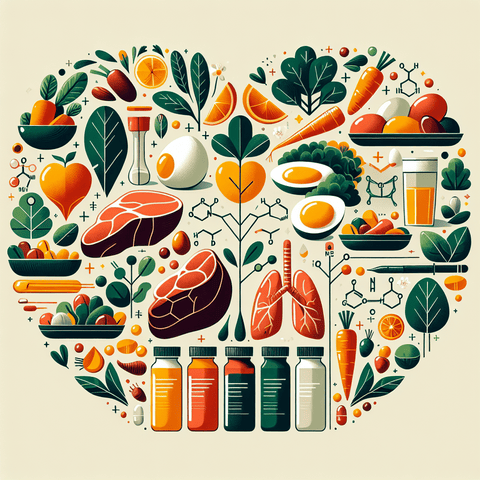
Where is a lot of vitamin A found?Vitamin A is found in two main forms: preformed vitamin A (retinol) and provitamin A carotenoids (like beta-carotene). Preformed vitamin A is found in animal foods such as liver, full-fat dairy, and eggs, and is used directly by the body. Provitamin A carotenoids are found in colorful plant foods like sweet potatoes, carrots, spinach, kale, and butternut squash, and the body converts them into active vitamin A as needed.Top vitamin A foods for every dietFor animal-based eaters, liver is the most concentrated source, with beef liver containing over 6,000 micrograms per 100 grams. Dairy products like milk, cheese, and butter, as well as egg yolks, also contribute. For vegans and vegetarians, carotenoid-rich vegetables are essential, with one medium carrot delivering up to 500% of the daily recommended intake when converted. Other excellent vegan sources include sweet potatoes, pumpkins, butternut squash, spinach, kale, and mustard greens.How to improve vitamin A absorption and avoid deficiencyAbsorption of carotenoids improves when you eat them with dietary fat, such as olive oil, avocado, or nuts, and when you cook or puree vegetables to break down cell walls. Vegan and vegetarian diets require careful planning to ensure enough vitamin A, and supplements with beta-carotene can be a safe fallback. Recognizing deficiency signs like night blindness, dry skin, and frequent infections is important, especially for at-risk groups like children, pregnant women, and those with digestive disorders.