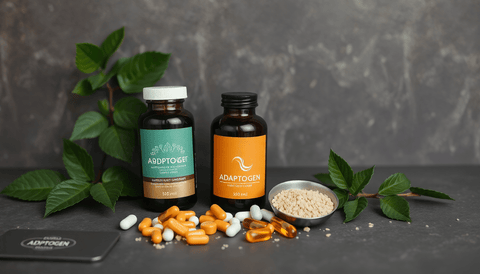
Rhodiola rosea is an adaptogenic herb traditionally used to support the body during periods of physical and mental stress. In this guide, you will learn what rhodiola rosea is, how its active compounds work, what the research actually says about energy, focus and stress relief, who may benefit most, and how to evaluate supplements, dosages and safety considerations. Because persistent fatigue and poor concentration have many possible causes, understanding where an adaptogen like rhodiola fits—and where diet, sleep and lifestyle come first—helps you make an informed, realistic decision.
What Is Rhodiola Rosea?
A Quick Overview of This Adaptogenic Herb
Rhodiola rosea, sometimes called golden root or arctic root, is a hardy flowering plant that grows in cold, mountainous regions of Europe, Asia and the Arctic. Its root has been used for centuries in traditional medicine systems in Scandinavia, Russia and Siberia, where it was taken to support stamina, resilience during harsh conditions and general vitality. The term "adaptogen" refers to substances traditionally believed to help the body adapt to stress, and rhodiola is one of the most extensively studied plants in this category.
How Rhodiola Rosea Differs From Other Adaptogens
Not all adaptogens work the same way. Ashwagandha, for example, is often associated with calming and relaxation, while rhodiola rosea is more frequently described as having an activating or stimulating profile, which is why it is usually taken in the morning. Ginseng is another well-known adaptogen with a longer history in traditional Chinese medicine but a different set of active compounds. Rhodiola's distinctive markers are its rosavins and salidroside, which are used to standardize and identify genuine Rhodiola rosea extracts rather than related species. If you are comparing adaptogens, our ashwagandha supplements and broader herbal supplements guide offer useful context on how these herbs differ in traditional use and evidence.
How Does Rhodiola Rosea Work in the Body?
The Role of Active Compounds Like Rosavins and Salidroside
The root contains several bioactive constituents, most notably salidroside and a group of compounds called rosavins (including rosavin, rosin and rosarin). Salidroside is present across Rhodiola species, while rosavins are largely specific to Rhodiola rosea, which is why quality extracts are often standardized to both. Research suggests these compounds may influence neurotransmitter activity, cortisol-related stress signaling and cellular energy metabolism, though most of this work comes from laboratory and animal studies, with human research still developing.
Understanding Its Effect on the Stress Response System
The body's stress response involves the hypothalamic-pituitary-adrenal (HPA) axis, which regulates cortisol release. Rhodiola rosea has been studied for its potential to modulate this response, theoretically helping the body maintain steadier energy and mental performance under strain. This is often described as supporting "resistance to stress," but it is important to be precise: the evidence suggests modest effects on fatigue and stress perception in some studies, not that rhodiola prevents stress or treats stress-related disorders.
What Are the Potential Benefits of Rhodiola Rosea?
Rhodiola Rosea for Mental Fatigue and Focus
Several small clinical studies, many conducted in Scandinavia and Russia, have examined rhodiola in people experiencing stress-related fatigue. Some found improvements in self-reported fatigue and in performance on tasks requiring attention and short-term memory. A frequently cited series of studies suggested benefits during periods of sustained mental workload, such as night-shift work or exam preparation. The effects reported are generally moderate rather than dramatic, and study quality varies, so findings should be interpreted as promising but not definitive.
The Evidence Behind Rhodiola Rosea for Physical Endurance
Rhodiola has also been studied for exercise performance, with some trials suggesting possible improvements in endurance capacity or reduced perceived exertion. Reviews of the literature, however, tend to conclude that the evidence is mixed and that any effect is likely small. Athletes and physically active readers should view rhodiola as a possible minor support, not a replacement for training, nutrition and recovery fundamentals.
How Rhodiola Rosea May Help With Stress Management
In studies of people with stress-related burnout symptoms, standardized rhodiola extracts have been associated with gradual reductions in fatigue and feelings of exhaustion over several weeks. This does not mean rhodiola treats anxiety or depression; rather, research suggests it may contribute to a sense of improved resilience and energy during sustained, non-clinical stress. Managing stress effectively still depends primarily on sleep, physical activity, workload management and social support.
Other Reported Uses and What the Research Says
Rhodiola has been examined for mood support, cognitive longevity and recovery from illness-related fatigue, but the evidence in these areas is early and inconsistent. Some studies combine it with other nutrients or botanicals, making it hard to isolate rhodiola's contribution. Claims about anti-aging, immune boosting or disease prevention are not supported by strong human evidence and should be treated with caution.
Who Might Notice the Most Benefit From Rhodiola Rosea?
High-Performers and Demanding Lifestyles
The populations studied most often include people exposed to sustained mental strain: shift workers, students during exams, and professionals working long hours. Those with a general sense of stress-related tiredness may be the most plausible candidates for noticing an effect, provided underlying causes like poor sleep or inadequate nutrition have been addressed.
Age-Related Changes in Energy and Vitality
Some research has looked at fatigue in middle-aged and older adults, and a few trials report modest improvements in vitality. Energy naturally declines with age for many reasons—sleep quality, hormonal changes, medication effects, nutritional status—so rhodiola is at best one small factor among many.
Why Effects Can Vary From Person to Person
Responses to herbal extracts vary based on genetics, the nature and severity of fatigue, gut health, concurrent medications and even expectations. Importantly, persistent fatigue is not proof of any specific deficiency or "adaptogen need"; it can reflect sleep disorders, thyroid issues, anemia, depression or other conditions that require proper medical assessment.
How to Get Rhodiola Rosea From Food and Traditional Preparations
The Role of Traditional Teas and Extracts
Traditionally, rhodiola root was prepared as decoctions, tinctures and teas in folk medicine across northern Europe and Asia. These preparations varied widely in strength and composition, which is why modern standardized extracts were developed—to deliver a consistent, measurable amount of active compounds.
Why the Plant Itself Isn't Typically Consumed as a Food
Although young shoots are eaten in some regions as a salad vegetable, the root itself is bitter and fibrous and provides no meaningful amounts of vitamins or minerals. Unlike a nutrient where diet is the primary source, meaningful rhodiola intake essentially only occurs through concentrated preparations. Standard nutrition—adequate B vitamins, iron, magnesium and overall energy intake—remains the foundation for energy and focus; you can explore relevant basics in our vitamin B and magnesium guides.
What Forms of Rhodiola Rosea Supplements Are Available?
Standardized Extracts vs. Whole-Root Powders
Standardized extracts—most commonly SHR-5 or similar extracts standardized to around 3% rosavins and 1% salidroside—deliver predictable amounts of active compounds and are the forms used in most clinical studies. Whole-root powders contain the full spectrum of plant constituents but with variable and unverified potency. If you want to replicate research conditions, a standardized extract is the more reliable choice.
Capsules, Tablets, Tinctures, and Powders: What's the Difference?
Capsules and tablets offer precise dosing and convenience. Tinctures (liquid extracts) absorb quickly and allow flexible dosing, but alcohol-based versions may not suit everyone. Powders can be mixed into drinks but make accurate dosing harder and tend to taste bitter. Delivery format matters less than standardized potency and overall quality.
How to Choose a High-Quality Rhodiola Rosea Supplement
What to Look for on the Label: Rosavins and Salidroside Percentage
A quality label should state the plant part (root, not aerial parts), the species (Rhodiola rosea specifically) and standardization, typically 3% rosavins and 1% salidroside. Products that only list "rhodiola extract" without standardization leave you guessing about potency.
The Importance of Third-Party Testing and Quality Certifications
Herbal supplements are prone to adulteration and species substitution, so third-party testing for identity, purity and contaminants adds real value. Look for indications of independent laboratory verification, transparent sourcing and clear manufacturing information from the brand.
Red Flags: Fillers, Artificial Additives, and Proprietary Blends
Be cautious with proprietary blends that hide individual ingredient amounts, unusually cheap products, and those with unnecessary artificial colors or sweeteners. Also avoid products that don't disclose the extract ratio or standardization, since these make meaningful comparison impossible.
How Much Rhodiola Rosea Should You Take?
Typical Dosage Ranges Used in Clinical Studies
Clinical studies have most often used daily doses of roughly 200–600 mg of standardized extract, sometimes divided. It is wise to start at the lower end to assess tolerance. There is no officially established recommended dose, and higher is not inherently better—more is not automatically more effective.
How to Interpret Milligrams of Extract vs. Whole Root
A capsule labeled "500 mg rhodiola root powder" is not equivalent to 500 mg of a 3% rosavin extract; the powder contains far less of the active compounds. Always read whether the milligrams refer to extract or raw root, and check the standardization.
When to Take Rhodiola Rosea: Morning vs. Evening
Because rhodiola can have a mildly activating effect, most people take it in the morning, sometimes split with a second dose around midday. Taking it late in the day may interfere with sleep in sensitive individuals. Taking it with food may reduce stomach upset.
Are There Any Side Effects or Interactions to Consider?
Common Side Effects and Who Should Use Caution
Rhodiola is generally well tolerated in studies, with occasional reports of dizziness, dry mouth, jitteriness, irritability or digestive discomfort, usually at higher doses. Starting low helps identify individual tolerance.
Potential Interactions With Medications
Rhodiola may interact with antidepressants, particularly MAO inhibitors and SSRIs, and with stimulant medications, due to its possible effects on neurotransmitter systems. If you take any prescription medication—especially psychiatric, thyroid, blood pressure or diabetes medication—consult your doctor or pharmacist before use.
Who Should Avoid Rhodiola Rosea
Pregnant and breastfeeding women should avoid rhodiola due to insufficient safety data, as should people with bipolar disorder or a history of mania unless advised otherwise by a clinician, given its activating profile. Those scheduled for surgery should mention all supplements to their care team.
How to Decide if Rhodiola Rosea Is Right for You
When Lifestyle and Diet Changes Should Come First
Fatigue and poor focus most often trace back to insufficient or irregular sleep, chronic stress without recovery, low physical activity, dehydration or an inadequate diet. Addressing these fundamentals costs nothing and frequently resolves the problem. An adaptogen is a supporting tool, not a substitute for them.
How to Approach a Trial: Duration and Monitoring
If you decide to try rhodiola, a reasonable trial is several weeks at a moderate dose, with simple self-observation—energy levels, focus, sleep quality. Keep other variables steady so you can judge whether it is actually helping, and reassess honestly afterward.
When to Consult a Healthcare Professional
Persistent or severe fatigue, mood changes, unexplained weight changes or other ongoing symptoms deserve proper medical evaluation, not self-treatment with supplements. A professional can rule out conditions like thyroid dysfunction, anemia or depression and advise on whether rhodiola fits safely with your situation.
Final Takeaway: Energy, Focus, and Stress Relief Without the Hype
Rhodiola rosea is one of the better-studied adaptogens, with research suggesting modest potential benefits for stress-related fatigue, mental performance and perceived energy. The effects are not transformative, study quality varies, and individual responses differ widely. The sensible approach is to build a foundation of sleep, nutrition and stress management first, choose a standardized, third-party-tested extract if you proceed, start with a moderate dose, and involve a healthcare professional when symptoms are persistent or medications are involved.
Frequently Asked Questions About Rhodiola Rosea
How Long Does It Take for Rhodiola Rosea to Work?
Some people report noticing effects on alertness within days, but in clinical studies benefits on fatigue typically emerged over two to six weeks of consistent use. Judge your response after several weeks rather than a single dose.
Can You Take Rhodiola Rosea Every Day?
Daily use for periods of several weeks to a few months is common in studies. Some users cycle it—for example, several weeks on followed by a break—though there is no firm evidence that cycling is necessary. Long-term safety data beyond roughly six months are limited.
What Does Rhodiola Rosea Actually Do for Stress?
Research suggests it may modestly influence the body's stress-response system and reduce perceptions of fatigue during sustained stress. It does not remove stressors or treat anxiety disorders; it may simply help some people feel steadier under load.
Does Rhodiola Rosea Give You Energy Like Caffeine?
Its effect is generally described as smoother and milder than caffeine, without a pronounced spike or crash, though individual experiences vary. Some people combine it with coffee, but those sensitive to stimulation may find the combination jittery.
Is Rhodiola Rosea Safe?
At typical study doses (roughly 200–600 mg of standardized extract daily), rhodiola appears generally well tolerated. Mild side effects such as dizziness or digestive upset can occur. Safety in pregnancy, breastfeeding and with certain medications is not established.
Can Rhodiola Rosea Be Taken With Ashwagandha?
They are often combined because of their different profiles—rhodiola more activating, ashwagandha more calming—but robust research on combination products is limited. If you take them together, monitor how you feel and keep doses moderate.
What Percentage of Rosavins and Salidroside Should I Look For?
The most commonly used standardization in research is 3% rosavins and 1% salidroside, roughly matching the natural ratio in the root. This is a sensible benchmark when comparing products.
Can You Take Too Much Rhodiola Rosea?
Higher doses increase the likelihood of side effects like jitteriness, irritability or insomnia, and there is no established benefit to exceeding studied doses. Stick to label directions and do not assume more is better.
Does Rhodiola Rosea Interact With Antidepressants?
Potentially. Because it may affect neurotransmitter systems, it should not be combined with antidepressants—especially MAO inhibitors—without medical guidance. Always consult your prescriber first.
Is Rhodiola Rosea the Same as Golden Root?
Yes. Golden root and arctic root are traditional names for Rhodiola rosea. Check that the Latin name on the label is Rhodiola rosea, since other Rhodiola species are sometimes substituted.
Should Rhodiola Be Taken With or Without Food?
It can be taken either way, though taking it with a meal may reduce stomach upset. Its mildly stimulating nature makes morning timing preferable for most people.
Can Athletes Use Rhodiola Rosea?
Rhodiola is not on banned-substance lists, and some research has explored endurance effects, but the evidence is mixed and any benefit appears small. It should never replace training, recovery and proper nutrition.
Related Keywords
- rhodiola rosea
- rhodiola rosea benefits
- rhodiola rosea dosage
- rhodiola rosea side effects
- rhodiola for stress
- rhodiola for fatigue
- rhodiola and focus
- best rhodiola supplement
- rhodiola vs ashwagandha
- rosavins and salidroside
- adaptogenic herbs
- rhodiola rosea extract standardized
- when to take rhodiola
- rhodiola for energy