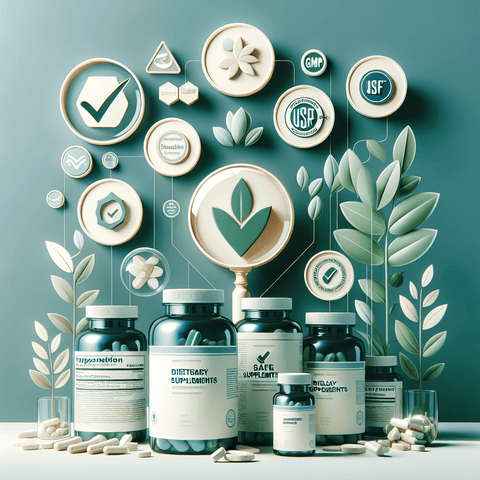
Choosing a safe and effective nutritional supplement is a significant decision. With countless brands and products available online, understanding how to evaluate a supplement brand's safety and quality is more important than ever. This guide provides a framework for safe supplement brand reviews, helping you understand certifications, label claims, and manufacturing standards so you can shop with confidence. Here, we'll explore the core principles of supplement safety to help you make an informed choice.
What Makes a Supplement Brand “Safe”?
The concept of a "safe" supplement brand is built on more than just a single test or label. It is a comprehensive approach that encompasses a brand's philosophy, its production processes, and its commitment to quality control at every stage. A truly reliable brand is characterized by its transparency, accountability, and willingness to ensure its products consistently meet high standards of purity and potency.
Key pillars of a safety-focused brand include adhering to strict regulatory standards, using high-quality ingredients, and prioritizing consumer well-being over shortcuts. This foundation allows you to trust not only what is on the label but also what is in the product itself.
The Role of Third-Party Testing and Certifications
One of the most objective ways to evaluate a supplement's quality is through third-party testing. This means an independent organization verifies that the product contains what the label claims and is free from harmful contaminants. Reputable certifications, such as those from USP, NSF, and Informed-Choice, provide a significant level of assurance. These programs test for quality, purity, and in some cases, the absence of banned substances, helping you identify products that meet rigorous safety guidelines.
Understanding GMP Compliance
Good Manufacturing Practices (GMP) are the backbone of quality production. Brands that follow GMP guidelines ensure that their products are consistently produced and controlled according to quality standards. This includes rigorous controls over raw materials, facility cleanliness, equipment maintenance, and staff training. Knowing that a brand follows GMP is a strong indicator of its commitment to consistency and consumer safety.
How to Evaluate Supplement Labels and Claims
Learning how to read a supplement label correctly is an essential skill for any health-conscious consumer. While labels provide a legal requirement for certain information, they can also be a source of confusion due to marketing language and complex scientific terms. Knowing what to look for—and what to ignore—can significantly improve your ability to select a high-quality product.
Manufacturers are required to list active ingredients, serving sizes, and inactive components, but the claims they make are not always fully supported by evidence. Therefore, it's important to distinguish between regulation and marketing. A critical evaluation of the label, combined with an understanding of the company's reputation, forms a more complete picture of product safety.
Key Quality Indicators to Look For
Several tangible signs can help you identify a high-quality product. Paying attention to these details can go a long way in ensuring your safety.
- Third-Party Certification Seals (USP, NSF)
- Clear and transparent ingredient lists
- Batch and lot numbers on packaging
- Expiration dates and clear storage instructions
- Detailed information on ingredient sourcing
- A transparent brand website with accessible customer service
Conversely, be cautious of red flags such as vague ingredient lists, proprietary blends that hide specific dosages, or a lack of contact information. These can be signs of a less transparent operation.
The Importance of Quality for Your Health
The quality of your supplements directly impacts your health and well-being. Poor-quality products can contain inaccurate dosages, undeclared ingredients, or harmful contaminants, which can lead to adverse effects or, at best, provide no benefit. Choosing a high-quality supplement brand is not just about preference; it's a critical step in protecting your health and supporting your nutritional goals effectively.
For example, common deficiencies, such as vitamin D or iron, may require supplementation. Selecting a reputable brand for these foundational nutrients ensures you are addressing the deficiency without introducing unnecessary risks. Low-quality products may not effectively correct these imbalances, prolonging symptoms like fatigue or brain fog.
Understand Your Nutrient Needs
Before purchasing a supplement, it is helpful to consider whether you actually have a nutritional gap. Symptoms such as persistent fatigue, changes in skin or hair, or brain fog can sometimes indicate a deficiency, but they are not a diagnosis. It's important to view these symptoms as signals to explore your health further, potentially with the help of a healthcare professional, rather than as confirmation that a specific supplement is needed.
If you are considering a foundational supplement, exploring a guide on choosing the right multivitamin can be a helpful starting point.
Navigating Variability and Interactions
It is crucial to remember that the effectiveness of a supplement is not universal. Your genetic makeup, age, health status, and lifestyle can all influence how your body absorbs and utilizes nutrients. What works for one person may not have the same effect for another, and individual requirements can vary widely.
Furthermore, supplements can interact with prescription and over-the-counter medications. Certain medications can deplete nutrients or interfere with the absorption of supplements. Therefore, it is always wise to consult with a healthcare provider or a licensed pharmacist about potential interactions to ensure your regimen is both safe and effective.
A Practical Approach to Choosing Supplements
Adopting a structured approach can simplify the process of choosing safe supplements. Begin by assessing your diet to identify potential gaps. Next, research vetted brands that prioritize quality and safety in their manufacturing processes. Finally, when you select a product, evaluate it critically by reading the label and understanding the certifications.
On a platform like Topvitamine, you can find a curated list of brands that meet high standards. When exploring product pages, pay attention to detailed ingredient profiles, availability of lot numbers, and expiration dates. Reading user reviews and checking for community insights can also provide a more holistic view of a product's real-world performance.
Start Simple and Monitor Outcomes
For beginners, starting with a simple, foundational product is often best. Consider beginning with a high-quality multivitamin or a targeted nutrient like vitamin D, and expand your regimen only as needed based on research and professional guidance. Keep a journal to track how you feel and any changes you notice, and reassess your plan with your healthcare provider periodically.
Conclusion: Making Informed Choices with Topvitamine
Finding a safe supplement brand is a multi-faceted process that involves understanding labels, certifications, and manufacturing practices. By applying the principles in this guide, you can move forward with greater confidence in your supplement choices. Trust, transparency, and third-party verification are the cornerstones of a brand you can feel good about.
We encourage you to use these insights as you explore Topvitamine. Review product details, consider the certifications, and use our platform to support your informed buying decisions. For more specific guidance, you can also read more about the benefits and safety of Vitamin D, or learn about Magnesium for energy and muscle support.
Frequently Asked Questions about Safe Supplement Brands
What is the safest brand of supplements to take?
There is no single "safest" brand, as safety depends on a combination of factors including third-party testing (USP, NSF), adherence to GMP, and transparent labeling. We recommend looking for brands that consistently meet these criteria and align with your specific health needs.
How can I verify a product's safety independently?
Look for certification seals from independent organizations like USP or NSF. You can also check the manufacturer's website for detailed lab results or use the product's lot number to request specific information about that batch. Researching consumer reviews and seeking third-party analyses are also helpful strategies.
For further reading on ingredients, you might explore our guides on herbal supplement sourcing and safety.