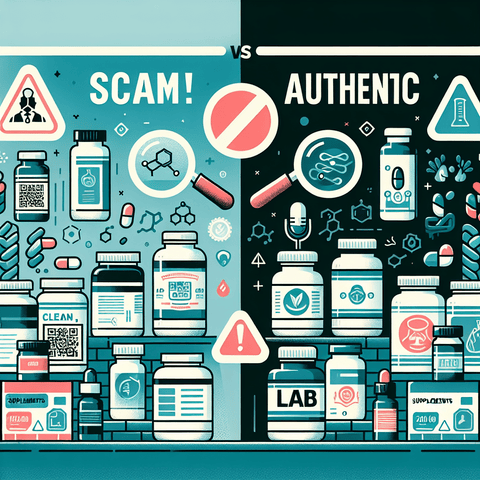
Introduction: Scam supplement awareness and how to read this guide
In an increasingly health-conscious world, the market is awash with nutritional supplements that promise miraculous benefits. However, not all products are created equal. This guide seeks to arm you with the knowledge needed to identify scam supplements. You’ll learn about the risks associated with fake pills, the red flags to watch for, and how to shop smartly. This topic is vital for anyone interested in enhancing their health through supplements, as it impacts both safety and trust in nutritional products.
This article will provide a roadmap, guiding you from recognizing the signals of questionable supplements to understanding when to incorporate them into your health plan.
Core explanation: Defining scam supplements and how fake pills enter the market
What qualifies as a scam supplement (mislabeling, undisclosed ingredients, unsafe dosages)
A scam supplement is typically characterized by misleading marketing tactics, including:
- Mislabeling: Products that do not contain the ingredients they claim or contain ingredients in incorrect amounts.
- Undisclosed ingredients: The presence of unlisted substances that can potentially cause harm.
- Unsafe dosages: Dosages that exceed recommended levels and can lead to adverse effects.
How counterfeit and adulterated pills are produced and distributed
Fake pills often enter the market through underground manufacturers who do not follow strict regulatory guidelines. These counterfeit products can be produced with substandard practices, leading to safety concerns.
Common deception tactics: misleading claims, fake certifications, and spoofed packaging
Scam supplements may utilize tactics such as:
- Misleading claims: Promises of quick fixes or unfounded health benefits.
- Fake certifications: Impersonation of legitimate seals of approval.
- Spoofed packaging: Imitation of well-known brand designs to mislead consumers.
The difference between legitimate supplements and questionable products
Legitimate supplements are supported by scientific research, transparency in ingredient sourcing, and compliance with safety regulations. These contrast starkly with questionable products that often lack comprehensive labeling and verifiable claims.
Why this topic matters: health, safety, and consumer trust
Real-health risks: adverse effects, interactions, and contamination
Using scam supplements can lead to a range of health issues, including:
- Adverse effects: Unintended side effects from undisclosed or harmful ingredients.
- Drug interactions: Negative interactions with prescription medications.
- Contamination: Products that may contain harmful pathogens or toxins.
Financial costs and wasted time on ineffective products
Investing in scam supplements can lead to wasted financial resources, as consumers may find themselves repeatedly buying products that do not meet their health needs.
How misinformation erodes confidence in legitimate nutritional care
The prevalence of scams in the supplement industry undermines trust, making consumers skeptical of legitimate products that could genuinely benefit their health.
Related symptoms, signals, or health implications
Symptoms that might trigger scrutiny (non-specific fatigue, digestive upset, mood changes, intermittent headaches)
If you experience unexplained symptoms following supplement use, it's crucial to assess the product’s legitimacy. Symptoms such as fatigue, digestive issues, or mood fluctuations can signal underlying issues unrelated to nutritional gaps.
Red flags on product labels and packaging (missing batch numbers, vague ingredient lists, inconsistent dosages)
Be vigilant for:
- Missing batch numbers: Important for tracking product safety.
- Vague ingredient lists: Non-specific terms that obscure what you're consuming.
- Inconsistent dosages: Variability in stated amounts from batch to batch raises concerns.
Health implications of fake pills (drug interactions, liver or kidney concerns, nutrient imbalances)
Fake supplements can severely impact health, leading to conditions such as drug interactions, potential damage to liver or kidney function, and nutrient imbalances exacerbated by incorrect dosages.
Individual variability and uncertainty
Genetic and metabolic differences that influence supplement needs
Individual responses to supplements can vary greatly due to genetic factors and metabolic rates, highlighting the importance of personalized approaches to nutrition.
Batch-to-batch variability and brand reliability across products
Even within trusted brands, differences in manufacturing processes can cause variability between batches, making ongoing safety assessments necessary.
Placebo/nocebo effects and personal expectations
Personal beliefs and expectations can significantly influence perceived outcomes from supplement use, underscoring the complexity of nutritional intervention.
Why symptoms alone do not reveal root cause
Overlap of symptoms across nutrient deficiencies, excesses, and non-nutritional conditions
Many symptoms overlap across various health concerns, making it essential not to immediately attribute issues to supplements without thorough investigation.
The risk of attributing problems to supplements without objective evidence
Misattributing symptoms to supplements can be misleading. Objective measures like blood tests can provide clarity on actual nutrient levels.
The value of objective testing, professional guidance, and baseline health data
Consulting healthcare professionals and utilizing objective testing can help identify the real causes of health issues, allowing for effective interventions.
The role of nutritional supplements in this topic
When supplements can be a component of a broader health plan
Supplements can serve as useful adjuncts to a balanced diet when they address specific nutrient gaps or life stages requiring additional support.
How to evaluate supplement quality beyond marketing claims
Assessing supplement quality involves examining third-party testing, ingredient sourcing, and adherence to regulatory standards.
Regulatory context: what to know about oversight, safety, and third-party verification
Understanding the strict regulations governing supplement production is essential for ensuring that products are safe and effective.
The limits of supplements: they support, but don’t replace, good diet and lifestyle
Supplements should not be seen as substitutes for a healthy diet and lifestyle but rather as complementary aids for achieving optimal health.
How nutritional supplements could support: practical, evidence-informed use
Scenarios where supplements might help (nutrient gaps, dietary restrictions, life stages, increased needs)
People with specific nutrient deficiencies, dietary restrictions, certain life stages (like pregnancy), or increased nutritional needs (due to exercise) may benefit from supplementation.
Examples of nutrients commonly considered (and why caution is warranted): vitamin D, omega-3s, magnesium, B-vitamins, zinc
Certain nutrients such as vitamin D, omega-3 fatty acids, magnesium, B-vitamins, and zinc are often discussed as beneficial, yet should be used cautiously, considering individual health profiles.
How to maximize safety and efficacy (proper dosing, staggered timing, avoiding mega-doses)
To maximize potential benefits while minimizing risks, it is essential to adhere to recommended dosages, consider timing of intake, and avoid excessive consumption.
Red flags that suggest you should pause and reassess
Experiencing adverse reactions, inconsistent results, or sudden symptoms after starting a new supplement should prompt immediate reassessment.
Decision-support section: when nutritional supplements make sense
A structured decision framework: symptoms, testing, clinician input, and quality checks
Utilizing a decision framework that includes evaluating symptoms, seeking objective testing, and obtaining clinician recommendations can guide informed supplement choices.
How to interpret labels and certifications (USP, NSF, Informed-Choice, or other third-party verifications)
Look for third-party certifications such as USP, NSF, or Informed-Choice, which provide greater assurance of product quality and safety.
Selecting reputable products: transparent sourcing, clear ingredient lists, and realistic claims
Choose products that promote ingredient transparency, with clear label information and realistic health claims, as this indicates reliability.
Practical usage tips: start low, monitor response, and reassess regularly
Begin with lower doses to gauge tolerance, monitor for adverse effects or improvements, and reassess as necessary.
What to do if you suspect a scam supplement (reporting, returning, seeking alternatives)
If you suspect a supplement is a scam, report it to relevant authorities, return it if possible, and consult trusted retailers or professionals for alternative suggestions.
Conclusion: Connecting awareness to buying on Topvitamine.com
Key takeaways: recognizing scam supplements, understanding uncertainty, and making informed choices
- Scam supplements pose real health risks; be vigilant.
- Understanding individual variability can help inform supplement choices.
- Objective testing and professional guidance are key to identifying true nutritional needs.
How Topvitamine.com helps readers with vetted, quality-assured options
Topvitamine.com offers a curated selection of nutritional supplements that meet stringent quality checks, ensuring consumers can confidently choose products that support their health goals.
Safe shopping reminders: pair product choice with professional guidance and evidence
Always align your supplement choices with professional advice and scientific research to ensure safety and efficacy.
A closing nudge toward making a deliberate, informed purchase on Topvitamine.com
Make informed health choices and explore the selection of trusted supplements available on Topvitamine.com for your nutritional needs.
Key Takeaways
- Be cautious of products with vague ingredient lists and missing certifications.
- Monitor symptoms and consult healthcare professionals when needed.
- Assess the legitimacy and quality of supplements before purchase.
- Understand that individual responses to supplements can vary widely.
- Utilize a structured decision-making framework when considering supplements.
- Report suspicious products to ensure consumer safety within the supplement market.
- Complement supplements with a balanced diet and healthy lifestyle choices.
Q&A Section
1. What are the main characteristics of a scam supplement?
Scam supplements often feature misleading labeling, undisclosed or harmful ingredients, unsafe dosages, and exaggerated health claims that lack scientific backing.
2. How can I verify the authenticity of a supplement?
Check for third-party certifications, read ingredient labels, and research the reputation of the brand. Look for transparent sourcing practices and clinical evidence supporting claims.
3. What symptoms should make me suspicious of a supplement?
Watch for unexplained fatigue, digestive issues, mood changes, or headaches, especially after starting a new supplement. These may indicate adverse reactions or ineffective products.
4. Can I rely on my symptoms to determine if a supplement works?
No, symptoms can overlap across various health conditions and deficiencies. It’s crucial to assess with objective testing and professional input to identify true nutritional needs.
5. Why is individual variability important in supplement use?
Individual variability can affect how your body responds to supplements, which is influenced by genetics, metabolism, and current health status, making personalized approaches critical.
6. How can I maximize the safety of supplements?
Start with lower doses, closely monitor your body's response, and ensure you're using products from reputable sources that pass safety certifications.
7. What should I do if I suspect a supplement is fraudulent?
Report the product to consumer safety agencies, return it if possible, and seek advice from healthcare professionals or trusted retailers about safe alternatives.
8. Are there specific nutrients that are commonly misrepresented in supplements?
Yes, nutrients such as vitamin D, omega-3s, and magnesium are frequently misrepresented regarding their claimed benefits and actual content levels in supplements.
9. What role do supplements play in a healthy lifestyle?
Supplements can fill nutrient gaps when dietary intake is insufficient but should complement, not replace, a balanced diet and active lifestyle for optimal health.
10. How can I tell if a supplement is of high quality?
Look for products with clear ingredient lists, third-party testing certifications, and realistic marketing claims to ensure you’re choosing high-quality supplements.
11. Why should I consult a healthcare provider before starting supplements?
A healthcare provider can help identify your specific nutritional needs, assess potential interactions with medications, and guide you towards safe options tailored to your health concerns.
12. What is the regulatory landscape for nutritional supplements?
The supplement industry is regulated, but not as strictly as pharmaceuticals, which means it’s essential to do thorough research on product quality and safety before purchasing.
Keywords
- scam supplement
- nutritional supplements
- health risks
- ingredient verification
- individual variability
- consumer safety
- objective testing
- third-party certification
- quality assurance
- supplement claims