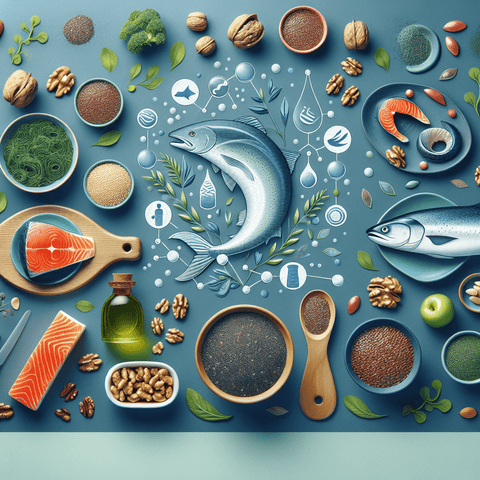
Seafood high in omega 3 is one of the most practical and nutrient-dense ways to support cardiovascular health through diet. Unlike plant sources of omega-3s, which supply ALA that the body must convert into longer-chain fats, oily fish and shellfish deliver EPA and DHA directly in a form the body can use efficiently. This guide explains what makes certain seafood stand out, compares ten of the strongest options by omega-3 content, and explores the practical details that matter — from farmed versus wild-caught differences to mercury considerations and preparation methods. It also explains when dietary intake may be sufficient, when supplementation may be worth considering, and how to evaluate omega-3 products if you choose that route.
What Does “Seafood High in Omega 3” Really Mean?
“Seafood high in omega 3” refers to fish and shellfish that contain meaningful amounts of the long-chain omega-3 fatty acids eicosapentaenoic acid (EPA) and docosahexaenoic acid (DHA). The distinction matters because not all fish are equal: lean white fish such as cod or tilapia contain very little fat and therefore very little EPA and DHA, while oily fish store these fatty acids in their flesh and in the tissue surrounding their organs. Shellfish fall somewhere in between, generally offering moderate amounts alongside other nutrients such as selenium, zinc, iodine and vitamin B12.
Understanding Omega-3 Fatty Acids: EPA and DHA Explained
Omega-3 fatty acids are a family of polyunsaturated fats that the human body cannot synthesize efficiently in the amounts required. The plant-derived omega-3, alpha-linolenic acid (ALA), found in walnuts, flaxseed and chia, is converted to EPA and DHA only to a limited degree — conversion estimates in adults generally fall well below ten percent for EPA and lower still for DHA. EPA and DHA are incorporated into cell membranes throughout the body, including the membranes of heart muscle cells and blood vessels, where they influence membrane fluidity and the production of signalling molecules involved in inflammatory regulation.
Why Seafood Is the Most Efficient Source of EPA and DHA
Fatty fish sit at the end of a food chain that begins with marine algae, the original producers of EPA and DHA. Because fish concentrate these fats in their tissues, eating oily fish provides preformed EPA and DHA without relying on conversion. Algae oils used in supplements derive from the same original source, which is why algae-based products can be a viable option for people who do not eat seafood. For most omnivorous adults, however, oily fish remains the most nutritionally complete route, delivering omega-3s alongside high-quality protein, vitamin D, selenium and iodine.
Why Omega-3s Matter for Heart Health
Cardiovascular research on EPA and DHA has evolved considerably over the past three decades. Early observational studies consistently linked higher fish intake with lower rates of cardiovascular events, and controlled trials have since examined a range of endpoints with mixed results. The evidence is strongest for effects on blood triglycerides and blood pressure, and somewhat more nuanced for hard clinical outcomes, where dose, population and background therapy appear to matter.
How EPA and DHA Support Cardiovascular Function
Dietary EPA and DHA have been associated with modest reductions in blood pressure and significant reductions in serum triglycerides, particularly at higher intakes. They compete with arachidonic acid for incorporation into cell membranes, which can shift the balance of eicosanoid signalling toward a less inflammatory profile. Omega-3s also influence heart rate, endothelial function and platelet aggregation. It is important to frame these findings accurately: these are physiological effects that may support cardiovascular health as part of a broader dietary pattern, not guaranteed disease-prevention outcomes.
The Difference Between Dietary Support and Medical Treatment
Nutritional strategies are not treatments. Eating two portions of oily fish per week is a dietary approach to supporting normal cardiovascular function, whereas clinical decisions about lipid management, anticoagulation or secondary prevention after a cardiac event fall within medical care. Certain prescription omega-3 products exist at doses far above dietary ranges, and studies of those products have produced differing results depending on formulation and population. Readers managing diagnosed cardiovascular disease should treat dietary omega-3 intake as a supportive measure alongside their prescribed plan, not a substitute for it.
The Top 10 Seafood Choices Highest in Omega-3
Values below are approximate and reflect typical EPA plus DHA content per 100 g of cooked fish. Actual amounts vary with species, season, diet and cut.
1. Salmon (Atlantic and Wild-Caught)
Salmon is the most widely available high-omega-3 choice, typically providing roughly 1.5–2.3 g of EPA and DHA per 100 g for farmed Atlantic salmon, and around 1.0–1.5 g for wild-caught varieties such as sockeye or coho. Farmed salmon tends to be fattier, which increases omega-3 content but also total fat. Wild salmon offers a slightly different fatty acid profile with more of the omega-3 content retained in a leaner overall matrix. Both are low in mercury.
2. Sardines
Sardines are among the most nutrient-dense options available and one of the lowest in contaminants because they are small, short-lived fish low on the food chain. Canned sardines typically supply about 1.0–1.5 g of EPA and DHA per 100 g, plus calcium if the bones are eaten, vitamin D and selenium. They are also inexpensive and shelf-stable, which makes them one of the most practical ways to raise weekly omega-3 intake.
3. Mackerel
Atlantic and Pacific mackerel are exceptionally rich, often delivering 1.0–2.0 g of EPA and DHA per 100 g. Mackerel is strongly flavoured and works well grilled, baked or canned. It is worth distinguishing species: Atlantic and Pacific mackerel are considered low-mercury choices, while king mackerel is a large predatory species that should be avoided by pregnant individuals and young children.
4. Anchovies
Anchovies are tiny fish with an outsized omega-3 content, often 1.5–2.0 g per 100 g. Because they are eaten whole in many preparations, they also contribute calcium and protein. Their strong saltiness means they are usually used as a seasoning or flavour base rather than a main portion, but they remain a genuinely efficient source.
5. Herring
Herring, including the pickled and kippered forms popular in Northern Europe, commonly provides around 1.5–2.0 g of EPA and DHA per 100 g. It is low in mercury, rich in vitamin D and a traditional staple in many northern diets. Pickled preparations can be high in sodium and sugar, so fresh or plain smoked herring is often the better everyday choice.
6. Trout (Rainbow and Lake)
Rainbow trout, whether farmed or wild, generally supplies about 0.8–1.0 g of EPA and DHA per 100 g — lower than salmon but still substantial and considerably leaner in total fat. It is mild in flavour, versatile and low in mercury. Lake trout is comparable, though contaminant profiles vary by water body, so local advisories are worth checking if you fish regularly.
7. Oysters
Oysters provide roughly 0.4–0.7 g of EPA and DHA per 100 g, placing them well below oily fish but meaningfully above most lean proteins. Their nutritional value extends well beyond omega-3s: they are among the richest dietary sources of zinc, and also supply vitamin B12, iron, copper and selenium. Raw oysters carry a risk of Vibrio infection for immunocompromised individuals and pregnant people, so cooking is the safer choice in those groups.
8. Mussels
Mussels offer a similar range, around 0.4–0.7 g per 100 g, and are notable for their environmental efficiency as a farmed food. They are rich in vitamin B12, selenium and manganese. The omega-3 content is meaningful but not equivalent to salmon, so mussels work best as part of a varied seafood rotation rather than a sole provider.
9. Tuna (Bluefin vs. Albacore)
Tuna illustrates the trade-off between omega-3 content and contaminant load. Bluefin and other large tuna can supply over 1 g of EPA and DHA per 100 g but accumulate the most methylmercury and are best treated as occasional choices. Albacore (white) canned tuna provides around 0.5–1.0 g per 100 g and is classified as a “good choice” by US regulators, while skipjack (light) tuna is lower in both omega-3s and mercury and can be eaten more frequently.
10. Halibut and Other White Fish
Halibut provides roughly 0.4–0.5 g of EPA and DHA per 100 g. Most other white fish — cod, haddock, pollock, tilapia — contain well under 0.3 g and therefore contribute relatively little omega-3 despite being excellent lean protein sources. It is worth being realistic about this: white fish belongs in a healthy diet, but it should not be counted toward your oily fish servings.
How Much Omega-3 Do You Get Per Serving?
Comparing EPA and DHA Grams in Standard Portions
A standard portion of fish is generally considered to be around 100–150 g cooked. At that size, a portion of farmed salmon or mackerel delivers roughly 1.5–3 g of EPA and DHA; sardines, herring and anchovies deliver a similar range; trout lands near 1–1.5 g; and oysters, mussels and halibut contribute around 0.5–1 g. Two to three weekly portions of oily fish therefore comfortably exceed common intake targets, whereas weekly white fish contributes comparatively little.
Using the FDA and WHO Guidelines as a Reference Point
International bodies converge on broadly similar advice. The World Health Organization and EFSA suggest an intake of roughly 250–500 mg of EPA and DHA per day for adults, which equals about 1.75–3.5 g per week. The American Heart Association recommends at least two servings of fish per week, preferably oily fish. US regulators advise 226–340 g (8–12 oz) of a variety of lower-mercury fish weekly. In practice, two servings of salmon or sardines per week usually meets these benchmarks. For context on other essential nutrients that often accompany seafood in a balanced diet, see this guide to vitamin D benefits, sources and safety.
Factors That Influence Omega-3 Levels in Seafood
Wild-Caught vs. Farmed: Does It Change the Fat Profile?
Farmed fish are typically fed formulated diets that include fish oil or algae oil, which is why farmed salmon tends to be consistently high — and often higher — in EPA and DHA than wild salmon. Wild fish eat a variable natural diet, so their fat content fluctuates with season and prey availability. Both can be excellent choices. If sustainability or feed sourcing matters to you, certification schemes provide useful signals, but from a pure omega-3 standpoint, farmed oily fish performs well.
Diet of the Fish, Water Temperature, and Seasonality
Fat content in fish is partly a function of environment: cold-water species accumulate more depot fat, and omega-3 levels often peak in colder months. Species that migrate and store energy reserves show the widest seasonal variation. Feed composition in aquaculture also shifts the fatty acid profile — fish fed higher proportions of marine oils retain more EPA and DHA than those raised on plant-based feeds.
Fresh, Frozen, and Canned: Does Processing Reduce Omega-3s?
Freezing and canning preserve omega-3 content well because the fatty acids remain within the tissue. Canned fish packed in oil may lose a small amount of fat when the oil is drained, but the difference is modest. What genuinely reduces omega-3 quality is cooking method: deep frying at high heat can oxidize polyunsaturated fats and, if batter or oil is counted, substantially increase calorie content. Baking, grilling, steaming and poaching are gentler options that preserve the fat profile.
Who Should Be Cautious About Eating Certain High-Omega-3 Fish?
Mercury and Contaminant Levels in Large Predatory Fish
Methylmercury accumulates up the food chain, so large, long-lived predatory species carry the highest concentrations. Shark, swordfish, king mackerel, marlin, orange roughy, bigeye tuna and tilefish from the Gulf of Mexico are the main species regulators advise limiting or avoiding, especially for vulnerable groups. Small oily fish such as sardines, anchovies and herring are the safest way to obtain omega-3s with minimal contaminant exposure.
Pregnant or Breastfeeding Individuals and Mercury Limits
Pregnancy and breastfeeding guidelines generally recommend two to three servings (226–340 g) per week of lower-mercury fish, which supports both maternal and fetal omega-3 status. DHA is particularly relevant during the third trimester, when it accumulates in fetal brain and retinal tissue. The solution is not to avoid fish but to choose species carefully — salmon, sardines, trout, anchovies, herring, mussels and oysters all fit comfortably within these limits.
Managing Frequency Through the “Low-Mercury” Swap Strategy
A simple approach is to build most weekly seafood intake from the low-mercury list and treat higher-mercury species as infrequent choices. This preserves omega-3 intake while keeping contaminant exposure low. If you eat fish caught locally from rivers or lakes, check regional consumption advisories, since contaminant profiles vary considerably by water body.
Dietary Patterns to Maximize Omega-3 Intake
How Many Servings of Seafood Are Typically Recommended?
Two to three servings of oily fish per week is the most common public health recommendation, equating to roughly 226–340 g total. Spreading servings across the week rather than consuming them all at once is generally advised. Two servings of salmon plus one of sardines will comfortably exceed 3.5 g of EPA and DHA weekly for most adults.
Pairing Seafood with Foods That Enhance Omega-3 Absorption
EPA and DHA are absorbed more efficiently when consumed with a meal that contains some fat, since fat stimulates bile release and micelle formation. In practice, fish already contains fat, so this is rarely limiting. Including antioxidant-rich vegetables, fruit, nuts and olive oil supports overall dietary quality, and the role of antioxidants in protecting the body from free radicals is worth understanding in this context. Avoiding repeated high-heat frying is more consequential than fine-tuning pairings.
Making Smart Choices for Vegetarians and Those New to Seafood
People who do not eat fish can obtain ALA from flaxseed, chia, hemp and walnuts, though conversion to EPA and DHA is limited. Algae oil supplements provide preformed DHA and, in some formulations, EPA, making them the most direct plant-based option. For those new to seafood, mild-flavoured options such as trout, canned light tuna and small portions of salmon are easier starting points than strongly flavoured fish like mackerel or anchovies.
When Seafood Alone May Not Be Enough
Typical Barriers to Reaching Omega-3 Targets Through Diet Alone
Cost, limited access, dislike of fish, cooking time and dietary restrictions are the most common practical barriers. Some people eat fish regularly but choose lean white varieties, which contributes protein without much EPA or DHA. Others avoid seafood entirely for cultural, ethical or allergy reasons. In these situations, dietary intake may fall consistently below recommended levels even when overall diet quality is good.
Who Might Struggle With Omega-3 Levels Despite Eating Seafood
Absorption and metabolism vary between individuals, and factors such as gastrointestinal conditions, bariatric surgery, age and genetic variation in fatty acid desaturase enzymes can influence omega-3 status. Pregnancy increases DHA requirements. People following very low-fat diets may absorb less efficiently. Symptoms alone do not reliably indicate omega-3 status, so assumptions based on how someone feels are unreliable.
How to Choose an Omega-3 Supplement if Needed
Fish Oil vs. Krill Oil vs. Algae Oil: What’s the Difference?
Fish oil is the most extensively studied and typically the most economical per gram of EPA and DHA. Krill oil provides omega-3s bound to phospholipids and includes astaxanthin, but it generally delivers less EPA and DHA per capsule and costs more. Algae oil is the only vegan source of preformed DHA and EPA and avoids fish allergens. Comparative evidence suggests krill oil may offer somewhat higher bioavailability per milligram, but the practical significance is modest when doses are matched. Our DHA and EPA omega-3 supplement collection illustrates the range of formats available.
Triglyceride vs. Ethyl Ester Forms: Which Is Better Absorbed?
Concentrated fish oils are processed into ethyl ester form and then often re-esterified back into triglyceride (rTG) form. Triglyceride and rTG forms are generally absorbed somewhat better than ethyl esters, particularly when taken without a fat-containing meal, but the difference is modest and largely disappears with food. Re-esterified triglyceride products typically cost more. Neither form is universally superior.
Concentration and Dosing: How to Find the EPA/DHA Amount You Want
What matters is the combined EPA and DHA content per serving, not the total fish oil weight. A 1,000 mg capsule may contain anywhere from 300 mg to over 800 mg of EPA and DHA depending on concentration. General adult intake targets of 250–500 mg per day of EPA and DHA are commonly used as a baseline, while higher intakes should be discussed with a healthcare professional. Higher doses are not inherently better.
Quality Signals to Look For: Purity, Oxidation, and Third-Party Testing
Look for products that state their EPA and DHA content clearly, provide a freshness or oxidation measure such as peroxide value or TOTOX, and disclose third-party testing for heavy metals and contaminants. Certification marks from independent testing programmes add reassurance. Packaging that limits light and oxygen exposure — dark glass or opaque softgels — helps preserve stability. Fishy odour or repeated reflux may indicate oxidized oil.
Reading Omega-3 Supplement Labels With Confidence
Decoding Serving Size and Active Ingredient Content
Serving size is the most frequently overlooked detail. A label may list impressive EPA and DHA figures that apply to two or three capsules rather than one. Compare products on a per-gram-of-EPA-plus-DHA basis to judge value honestly, and check whether the stated serving matches what you would realistically take daily.
Identifying Allergens, Fillers, and Added Ingredients
Check for fish or shellfish allergens, and note that some capsules use gelatin derived from pork or beef. Vegetarians should look for alginate or plant-based capsule shells. Added vitamin E is common as an antioxidant and is generally beneficial for stability, but some products include unnecessary flavourings, sugars or fillers. If you have a soy allergy, check whether tocopherols are soy-derived.
Understanding “Total Omega-3” vs. “EPA” and “DHA” on the Label
“Total omega-3” often includes ALA and other fatty acids that contribute little to EPA and DHA intake. A product advertising 1,000 mg total omega-3 might contain only 500 mg of EPA and DHA combined. Always look for the individually listed EPA and DHA figures.
Safety, Side Effects, and Interactions of Omega-3 Supplements
Recommended Upper Limits and What Happens With Overuse
Regulatory assessments have concluded that supplemental EPA and DHA intakes of up to about 5 g per day are unlikely to raise safety concerns in healthy adults, though most guidelines recommend considerably less. Common side effects at higher doses include loose stools, indigestion, fishy aftertaste and reflux. Extremely high intakes may prolong bleeding time and, in some populations, have been associated with an increased risk of atrial fibrillation — a finding that warrants professional discussion rather than self-directed high-dose use.
Potential Interactions With Blood Thinners and Other Medications
Omega-3s can modestly inhibit platelet aggregation, which is relevant for people taking anticoagulants such as warfarin or direct oral anticoagulants, or antiplatelet agents such as aspirin and clopidogrel. Fish intake at dietary levels is generally considered compatible, but concentrated supplements at high doses deserve medical review. Interactions with blood pressure medication and concerns around surgery timing are also worth raising with a clinician.
Who Should Speak With a Doctor Before Starting Supplementation
Anyone with diagnosed cardiovascular disease, a bleeding disorder, upcoming surgery, pregnancy or breastfeeding, or those taking multiple medications should seek advice before starting supplements. People with fish or shellfish allergy should consider algae-based alternatives. Those with liver or kidney conditions should also confirm suitability.
How to Make an Informed Decision About Your Omega-3 Intake
Evaluating Your Current Diet and Seafood Habits
Start by counting how many portions of oily fish you eat in a typical week, and note which species. If you already eat two or more servings of salmon, sardines, mackerel or herring weekly, your dietary intake is likely adequate and supplementation adds little. If you eat fish rarely, or only lean white varieties, there is a clearer gap to address.
Deciding Between Food First, Supplements, or a Combination
Food-first is the sensible default because fish delivers protein, vitamin D, iodine and selenium alongside omega-3s. Supplements become reasonable when dietary intake is consistently low for practical reasons, or when a clinician recommends a specific intake. A combination approach — improving seafood intake where possible and using a modest supplement to close the remaining gap — is often the most realistic middle ground.
When a Blood Test or Professional Guidance Can Help
The Omega-3 Index, which measures EPA and DHA as a percentage of red blood cell fatty acids, is a validated way to assess status, with a target range commonly cited around 8–11 percent. This test is not necessary for most healthy adults but can be informative for people uncertain about their intake or managing cardiovascular risk. Blood tests measure status; they do not diagnose disease, and results should be interpreted with professional guidance.
Key Takeaways for Supporting Heart Health Through Omega-3s
- Seafood high in omega 3 provides preformed EPA and DHA, which the body uses far more efficiently than plant-derived ALA.
- Salmon, sardines, mackerel, anchovies and herring are the strongest sources, typically supplying 1–2 g of EPA and DHA per 100 g.
- Two to three servings of oily fish weekly generally meets international intake guidance of 250–500 mg EPA and DHA per day.
- Lean white fish is nutritious but contributes little omega-3 and should not be counted as an oily fish serving.
- Small fish low on the food chain offer the best omega-3-to-mercury ratio.
- Farmed oily fish can be as high or higher in EPA and DHA than wild-caught, though feed composition matters.
- Baking, grilling and steaming preserve fatty acid quality better than deep frying.
- Supplements are reasonable when dietary intake is consistently low, but the EPA and DHA content per serving matters more than total oil weight.
- Triglyceride and ethyl ester forms differ modestly in absorption; taking supplements with a meal narrows the gap.
- High-dose supplementation, blood-thinner use, pregnancy and cardiovascular disease warrant professional advice.
Conclusion
For most people, the simplest route to better omega-3 status runs through the kitchen rather than the supplement aisle. Two or three weekly portions of salmon, sardines, mackerel, herring or trout deliver EPA and DHA efficiently, alongside protein, vitamin D, iodine and selenium, while keeping mercury exposure low. Individual circumstances vary: food preferences, budget, access, pregnancy, medication use and gastrointestinal health all influence what works. Where seafood intake is consistently low for practical reasons, a well-characterised supplement can help close the gap — but it should be chosen on the basis of EPA and DHA content, purity testing and appropriate dosing, not marketing claims. Symptoms alone rarely establish nutritional status, so those with diagnosed conditions or complex medication regimens are best served by professional guidance.
Frequently Asked Questions
What is the seafood highest in omega 3?
Mackerel, anchovies, herring and sardines typically rank highest per 100 g, often exceeding 1.5 g of combined EPA and DHA. Farmed Atlantic salmon is close behind at roughly 1.5–2.3 g per 100 g and is far more widely available. All of these are also low in mercury.
How much omega-3 do you get from a serving of salmon?
A 100 g cooked portion of farmed Atlantic salmon generally provides about 1.5–2.3 g of EPA and DHA. Wild-caught salmon tends to be slightly lower, around 1.0–1.5 g, because it has less total body fat. Portion sizes of 150 g deliver proportionally more.
Is canned fish as good as fresh for omega-3s?
Yes, largely. Canning preserves EPA and DHA well because the fats remain within the fish tissue. Sardines, mackerel and anchovies canned in water, brine or oil all retain meaningful omega-3 content. Draining oil-packed fish loses a small amount of fat but not enough to matter much.
Which fish should I avoid for mercury?
Shark, swordfish, king mackerel, marlin, orange roughy, bigeye tuna and Gulf tilefish carry the highest mercury levels and are best limited, especially by pregnant people and young children. Small oily fish such as sardines, anchovies and herring are the safest high-omega-3 alternatives.
Can you get enough omega-3s without eating fish?
It is possible but harder, since plant sources supply ALA rather than EPA and DHA, and conversion is limited. Algae oil supplements provide preformed DHA and sometimes EPA, making them the most direct plant-based option. Flaxseed, chia, hemp and walnuts contribute ALA as part of a balanced intake.
How many servings of oily fish should I eat per week?
Most health bodies recommend two to three servings weekly, totalling roughly 226–340 g. That amount typically supplies 1.75–3.5 g of EPA and DHA per week, matching international guidance of 250–500 mg per day.
Does cooking destroy omega-3s in fish?
Gentle cooking methods such as baking, steaming, poaching and grilling preserve omega-3 content well. Deep frying at high heat can oxidize polyunsaturated fats and adds substantial fat and calories from the cooking oil and batter. Avoiding repeated high-heat frying is the main practical consideration.
Is farmed salmon lower in omega-3 than wild salmon?
Usually the opposite. Farmed salmon is generally fattier and often contains more EPA and DHA per portion than wild salmon, because aquaculture feeds are formulated with marine or algal oils. Feed composition varies between producers, so consistency rather than absolute superiority is the key difference.
Should I take a fish oil supplement if I already eat fish?
If you eat two or more servings of oily fish weekly, supplementation likely adds little. It becomes more reasonable if your intake is inconsistent, if you eat only lean white fish, or if a clinician recommends a specific dose for a health reason. Food first remains the sensible default.
What is the difference between ethyl ester and triglyceride fish oil?
Ethyl ester oils are a concentrated processing intermediate, while re-esterified triglyceride oils have been converted back to the natural glycerol backbone. Triglyceride forms are absorbed somewhat better, particularly without food, but the difference is modest and largely disappears when the supplement is taken with a meal.
Can you take too much omega-3?
Yes. Regulatory reviews consider supplemental intakes up to about 5 g per day of EPA and DHA unlikely to raise safety concerns in healthy adults, but higher doses can cause digestive upset and may prolong bleeding time. Very high intakes have been associated with increased atrial fibrillation risk in some studies.
Does omega-3 interact with blood thinners?
Omega-3s can modestly reduce platelet aggregation, which is relevant for people taking warfarin, direct oral anticoagulants or antiplatelet drugs. Dietary fish intake is generally considered compatible, but concentrated supplements at high doses should be discussed with a prescribing clinician, particularly before surgery.
Related Keywords
- seafood high in omega 3
- best fish for omega-3 fatty acids
- EPA and DHA food sources
- omega-3 rich fish list
- how much omega-3 per serving of salmon
- low-mercury high-omega-3 fish
- sardines omega-3 content
- mackerel EPA DHA benefits
- wild-caught vs farmed salmon omega-3
- omega-3 intake recommendations adults
- fish oil vs krill oil vs algae oil
- triglyceride vs ethyl ester fish oil
- omega-3 supplement dosage and safety
- plant-based omega-3 sources
- omega-3 index blood test