
Discover how EPA & DHA amounts vary by examining seafood omega-3 content. This page focuses on comparing seafood omega-3 content across common species and explains standard serving sizes to help you make direct comparisons. By examining EPA and DHA per portion, you can see how different fish align when you compare options. EPA and DHA levels differ by species. In many datasets, fatty fish such as salmon, sardines, and mackerel show higher amounts of EPA and DHA per serving, while leaner species like cod or tilapia often display lower values. Processing methods and origin can influence the measured seafood omega-3 content, so data may vary across sources. Serving sizes matter for comparisons. A common reference portion is about 3 ounces (85 grams) cooked, while many resources report data per 100 grams. To compare seafood omega-3 content accurately, convert all figures to the same unit—per 100 grams or per serving—so you can see the relative amounts across species. Practical notes for reference lists: track species, typical serving size, and the seafood omega-3 content. Note whether data reflect raw, cooked, or canned forms, and be mindful of rounding or labeling differences. This approach helps you organize information and compare options in a consistent way.
Seafood Omega-3 Content: Which Fish Has the Most EPA & DHA?
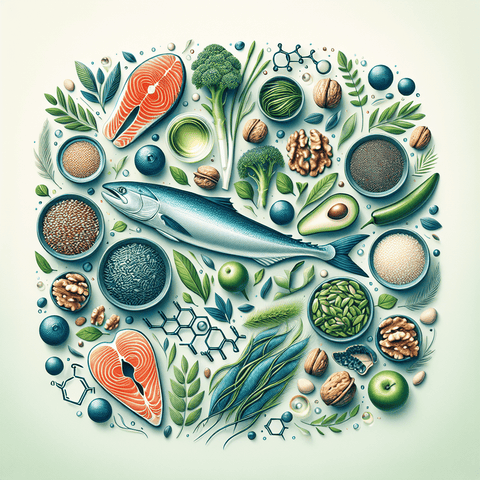
Omega-3 foods provide essential ALA, EPA, and DHA to support heart, brain, eye, and joint health. Fish varieties such as salmon, mackerel, sardines, anchovies, and herring are among the best fish high in omega-3, while seafood omega-3 content varies by species and serving size. Plant-based omega-3 sources include flaxseeds, chia seeds, hemp seeds, walnuts, and other omega-3 rich nuts and seeds. Vegetarian omega-3 options can supply ALA, but vegans may benefit from algal oil for direct DHA and EPA. Combining whole foods with quality, sustainable omega-3 supplements can help meet daily nutritional needs.