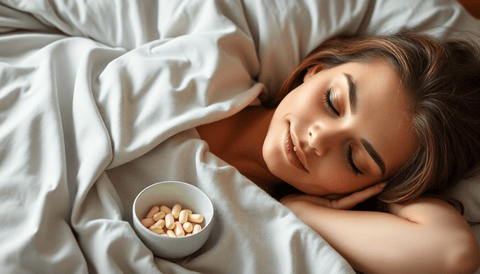
# Side Effect-Free Sleep Aids: Safe, Natural Ways to Sleep Better
Looking for side effect free sleep aids means wanting to fall asleep and stay asleep without next-day grogginess, dependence, or unsettling side effects. Natural sleep support works differently from prescription sleeping pills: rather than forcing sedation, it aims to support the body's own sleep-regulating processes through nutrients, herbal compounds, light exposure, and consistent routines. This article explains how natural options work, which nutrients and herbs have the strongest practical track record, how to choose a quality supplement, and how to decide whether lifestyle changes, supplementation, or professional advice is the right path for you.
## What Does "Side Effect Free" Mean for Sleep Aids?
No sleep aid of any kind is guaranteed to be entirely free of side effects for every person. When people search for "side effect free" sleep aids, they usually mean options with a lower burden of unwanted effects than pharmaceutical sedatives — minimal next-day drowsiness, little risk of tolerance or dependence, and a gentler overall effect on the nervous system. Natural sleep aids generally work closer to the body's own physiology, which is one reason their effect is often subtler.
### Prescription Sleep Medications vs. Natural Alternatives
Prescription sleep medications — such as benzodiazepines, non-benzodiazepine hypnotics, and certain antidepressants used off-label for sleep — can be effective and appropriate for diagnosed sleep disorders under medical supervision. However, they commonly carry risks of next-day impairment, tolerance with continued use, rebound insomnia when stopped, and complex-sleep behaviors in some cases. Natural alternatives such as melatonin, magnesium, and calming herbs aim to support sleep indirectly and are generally associated with milder effects, though individual responses vary and interactions remain possible.
### Why Avoiding Habituation and Next-Day Drowsiness Matters
Habituation — needing more of a substance over time to get the same effect — can turn a short-term sleep problem into a long-term dependency issue. Next-day drowsiness matters just as much: waking groggy undermines the concentration, mood, and performance that sleep was supposed to restore. Options that support sleep without strongly sedating the nervous system tend to preserve daytime clarity, which is why many people prefer gentler, naturally oriented approaches first.
## How Natural Sleep Aids Differ from Pharmaceutical Sleeping Pills
### The Role of Sedation vs. Physiological Sleep Support
Pharmaceutical sleep drugs typically work by depressing central nervous system activity, producing sedation regardless of whether the body is ready for sleep. Natural compounds tend to work differently: melatonin signals the brain that darkness has arrived, magnesium supports nervous system relaxation, and calming amino acids may reduce the mental restlessness that delays sleep onset. The result is usually a nudge toward sleep rather than a forced shutdown.
### Understanding Mechanism of Action in Natural Compounds
Each natural sleep aid has a distinct mechanism. Melatonin works on circadian signaling receptors in the brain. L-theanine influences alpha brain-wave activity associated with relaxed wakefulness. Glycine may lower core body temperature slightly, a natural step in falling asleep. Herbal compounds such as valerian and passionflower are thought to influence GABA-related signaling, though research on exact mechanisms is still developing. Understanding these differences helps explain why one option may suit one person better than another.
## Why Sleep Quality Matters for Overall Health
### The Connection Between Sleep, Recovery, and Daily Function
Sleep is when the body consolidates memory, repairs tissue, regulates hormones involved in appetite and stress, and restores cognitive function. Chronically short or fragmented sleep has been associated with impaired concentration, mood disturbances, reduced immune function, and long-term metabolic health concerns. Sleep quality — not just hours in bed — determines how restorative a night actually is.
### How Diet and Nutrition Influence Sleep Architecture
Sleep architecture refers to the structure of sleep across light, deep, and REM stages. Nutritional status influences this structure: adequate magnesium supports nervous system regulation, balanced blood sugar overnight may reduce night-time awakenings, and several nutrients contribute to the body's production of melatonin and calming neurotransmitters. Heavy meals, alcohol, and caffeine late in the day can all disrupt normal sleep stages.
## Common Reasons People Struggle to Fall or Stay Asleep
### Stress, Racing Thoughts, and Evening Cortisol
Psychological stress keeps the nervous system in an alert state, and elevated evening cortisol can delay the natural drop in arousal needed for sleep onset. Racing thoughts at bedtime are one of the most common complaints, and they often respond better to calming routines and relaxation support than to stronger sedatives.
### Poor Sleep Hygiene and Screen Time
Bright screens in the evening suppress melatonin release and keep the brain stimulated. Irregular bedtimes, working late, and using the bedroom for work or entertainment all blur the cues the brain uses to recognize bedtime. Sleep hygiene — consistent timing, dim lighting, and a wind-down routine — is foundational.
### Caffeine, Alcohol, and Late-Night Eating
Caffeine has a half-life of roughly five to six hours in most adults, so an afternoon coffee can still be active at bedtime. Alcohol may shorten the time it takes to fall asleep but fragments the second half of the night and reduces REM sleep. Large late meals can cause discomfort and reflux that interfere with sleep.
### How Age and Hormonal Changes Affect Sleep Patterns
Sleep architecture changes naturally with age: older adults often produce less melatonin, experience more fragmented sleep, and wake earlier. Hormonal shifts such as menopause, pregnancy, or thyroid changes can also affect sleep, sometimes significantly. These patterns are normal physiology rather than personal failure — and they may call for different strategies at different life stages.
## Why One Sleep Aid Doesn't Fit Everyone
### Individual Brain Chemistry and Sleep Onset
People differ in how quickly they naturally produce melatonin, how sensitive they are to caffeine, and how reactive their nervous system is to stress. This is why a magnesium supplement may transform one person's sleep while doing little for another, and why experimentation — ideally one change at a time — is usually necessary.
### Chronic Insomnia vs. Occasional Sleeplessness
Occasional sleeplessness around a stressful week, jet lag, or a late workout is common and often responds well to routine adjustments and gentle support. Chronic insomnia — difficulty sleeping most nights for a month or longer — is a different situation that deserves proper evaluation, since cognitive behavioral therapy for insomnia (CBT-I) is considered a first-line treatment and persistent symptoms may signal an underlying condition.
### When Underlying Health Issues Mimic a Sleep Problem
Sleep apnea, restless legs syndrome, thyroid dysfunction, reflux, chronic pain, and certain medications can all disrupt sleep in ways that no sleep aid will fix. If snoring with gasping awakenings, persistent daytime exhaustion, or long-standing sleep problems are present, professional assessment is more useful than another supplement.
## Diet and Lifestyle Strategies to Improve Sleep Naturally
### Foods and Beverages That Support Melatonin Production
Some foods naturally contain melatonin or its precursor tryptophan, including tart cherries, kiwi, walnuts, almonds, oats, eggs, and dairy. A light evening snack combining complex carbohydrates with a tryptophan source — for example, oatmeal with banana or a small bowl of yoghurt — may support the body's natural melatonin production. These effects are modest but form a useful foundation.
### Timing Meals, Caffeine, and Alcohol for Better Sleep
Most sleep specialists suggest avoiding caffeine within roughly eight hours of bedtime and limiting alcohol, particularly in the last two to three hours before sleep. Finishing large meals two to three hours before bed gives digestion time to settle. Consistency matters: eating and sleeping at similar times daily reinforces circadian rhythm.
### Establishing an Evening Routine That Signals the Brain to Wind Down
A predictable 30–60 minute wind-down routine — dimming lights, gentle stretching, reading, a warm shower, or a caffeine-free herbal tea — trains the brain to associate these cues with sleep. Doing the same sequence nightly is more important than which specific activities you choose.
### The Role of Light Exposure and Room Temperature
Bright morning light anchors the circadian clock, making evening melatonin release more reliable. In contrast, dim, warm lighting in the evening supports that release. Most people sleep best in a cool room — commonly around 16–19°C (60–67°F) — since a slight drop in core body temperature is part of the natural transition into sleep.
## Natural Nutrients and Herbal Compounds Used for Sleep
### Melatonin and Its Role in Circadian Rhythm Regulation
Melatonin is a hormone the pineal gland produces in darkness to signal biological night. Low-dose supplements (typically 0.5–1 mg in research on sleep timing) may help shift the circadian clock, which is why melatonin is most relevant for jet lag, shift work, and delayed sleep phase — rather than as a general sedative. Higher doses are not necessarily more effective and may increase the chance of morning grogginess or vivid dreams in some people.
### Magnesium: How It Supports Muscle Relaxation and Nervous System Calm
Magnesium contributes to normal muscle function and nervous system activity, and adequate status supports the body's regulation of stress responses. Research on magnesium for sleep specifically is mixed, but people with low dietary intake may notice more restful sleep when their intake improves. Dietary sources include leafy greens, nuts, seeds, legumes, and whole grains. For more on forms and uses, see our magnesium supplements guide.
### Glycine and Its Effects on Sleep Onset Quality
Glycine is a simple amino acid that research suggests may modestly improve subjective sleep quality when taken before bed, possibly by lowering core body temperature and supporting inhibitory signaling in the brain. It is generally well tolerated at the doses studied, typically around 3 g, though individual responses vary.
### L-Theanine: Calming Amino Acid for a Restless Mind
L-theanine, found naturally in green tea, has been associated with increased alpha-wave activity and a state of calm alertness. It is not strongly sedating, which makes it appealing for people whose main barrier to sleep is a racing mind rather than fatigue. Studies generally use 100–200 mg doses and report good tolerability without morning drowsiness.
### Herbal Options such as Valerian Root, Chamomile, and Passionflower
Valerian root, chamomile, and passionflower have long histories of traditional use for relaxation and sleep. Evidence is mixed and more consistent for some preparations than others, and effects tend to be mild. Chamomile tea is a gentle low-risk option for many; valerian products vary considerably in quality and standardization. Importantly, herbs can interact with medications — valerian, for example, may add to the effect of sedatives — so check with a professional if you take prescription drugs. Our herbal supplements guide covers sourcing and safety in more depth.
## When Supplementation May Be a Reasonable Option
### Occasional Sleeplessness vs. Persistent Sleep Difficulties
For occasional sleeplessness tied to a clear trigger — travel, a stressful deadline, a disrupted schedule — a gentle supplement such as melatonin, magnesium, or L-theanine may be a reasonable short-term support alongside routine adjustments. For persistent, unexplained sleep problems, a supplement is not a substitute for finding the cause.
### Situations Where Oral Nutrient Intake May Be Insufficient
People with restricted diets, increased needs, or reduced absorption may have lower intakes of nutrients relevant to sleep, such as magnesium. Older adults often have reduced dietary magnesium intake and lower melatonin production. In these situations, supplementation addresses a genuine nutritional gap rather than acting as a sedative.
### The Difference Between Nutritional Support and Medical Treatment
Nutritional support helps the body maintain the conditions for good sleep; it does not diagnose or treat sleep disorders. If insomnia persists for more than a few weeks, significantly affects daytime functioning, or is accompanied by breathing problems during sleep, medical evaluation — including consideration of CBT-I — is the appropriate next step.
## How to Choose a Supplement That Is Gentle on the Body
### Single-Ingredient Formulas vs. Combination Sleep Capsules
Single-ingredient formulas make it easier to identify what works for you and to adjust doses. Combination products are convenient but may include doses of several ingredients that are too low to be meaningful, or ingredients you do not need. Starting simple is often the most informative approach.
### Comparing Nutrient Forms: Magnesium Citrate, Glycinate, and Threonate
Magnesium forms differ meaningfully. Magnesium citrate is well absorbed but can have a laxative effect at higher doses. Magnesium glycinate is bound to glycine, is generally gentle on digestion, and combines magnesium with an amino acid itself associated with sleep quality — a common choice for evening use. Magnesium threonate has been studied for brain magnesium levels, though evidence for sleep benefits specifically is still limited. Comparative evidence between forms for sleep outcomes remains incomplete, so tolerability and individual response matter most.
### Standardized Herbal Extracts vs. Whole-Powder Preparations
Standardized extracts guarantee a specific amount of active compound per dose, making effects more predictable; whole-powder preparations vary more between batches. For herbs where dose matters — such as valerian — standardization generally provides more reliable results.
### Capsules, Gummies, and Teas: Which Delivery Form Fits Your Routine
Capsules offer precise dosing and shelf stability; teas suit an evening ritual but deliver variable doses; gummies are palatable but often contain added sugars and may have lower or inconsistent active amounts. Choose the form you will actually use consistently, but be aware of what the delivery method does or does not provide.
## How to Read a Sleep Supplement Label Critically
### Active Ingredients and Bioavailable Forms to Look For
Look for clearly stated amounts of active ingredients and, where relevant, well-absorbed forms — for example, specifying "magnesium glycinate" rather than just "magnesium." For melatonin, the dose per serving should be explicit, since products range widely from under 1 mg to 10 mg or more.
### The Purpose of "Other Ingredients" and Fillers
Other ingredients include capsules, anti-caking agents, and stabilizers — most are harmless in small amounts, but people with allergies or dietary preferences should check for gelatin, gluten, soy, or added sugars, particularly in gummies.
### Understanding Serving Size and Potency
A label stating "per two capsules" may be misleading if you plan to take one. Check the serving size, the amount per serving, and how many servings the container provides to compare products on real value and real dose.
### Third-Party Testing and Quality Certification Seals
Because supplements are regulated differently from medicines, independent verification matters. Look for third-party testing or certification indicating that the product contains what the label states and is free from significant contaminants. Reputable brands publish or reference such testing. Our general supplement ingredients, usage and safety guide explains label reading in more detail.
## Who May Benefit Most from a Side Effect Free Sleep Aid
### Shift Workers and Frequent Travelers
People whose schedules conflict with natural light-dark cycles often benefit most from melatonin, used strategically to shift the circadian clock rather than simply to sedate. Timing matters more than dose here.
### Adults in High-Stress Periods
During temporarily stressful periods, calming supports such as L-theanine, magnesium, or chamomile tea may ease evening tension while the underlying stressor resolves. Supporting the nervous system nutritionally can also help; ashwagandha, for instance, has been studied for stress responses, and our ashwagandha supplements collection covers its uses and cautions.
### Older Adults with Changing Sleep Architecture
With age, melatonin production and deep sleep both decline naturally. Older adults may also take more medications, which increases the importance of checking interactions and consulting a doctor or pharmacist before adding any sleep supplement.
### When It Makes Sense to Talk to a Doctor First
Talk to a healthcare professional before using sleep aids if you are pregnant or breastfeeding, take prescription medications (especially sedatives, antidepressants, blood thinners, or blood pressure drugs), have kidney, liver, or thyroid conditions, or have had sleep problems for more than a few weeks. Snoring with breathing pauses should always be assessed for sleep apnea.
## Safety, Tolerance, and Responsible Use of Natural Sleep Aids
### Why "Natural" Does Not Always Mean Zero Side Effects
Natural compounds are still biologically active. Melatonin can cause vivid dreams, morning grogginess, or hormonal effects in some people; magnesium can loosen stools at higher doses; valerian can cause vivid dreams and mild daytime sedation in sensitive individuals. "Gentle" is a more accurate description than "side effect free."
### Potential Interactions with Common Medications
Herbal sedatives may add to the effects of sedating medications, and melatonin can interact with anticoagulants, immunosuppressants, and some blood pressure and diabetes medications. Magnesium supplements can reduce absorption of certain antibiotics and interact with some heart and kidney medications. Always check with a pharmacist or doctor if you take prescription drugs.
### Appropriate Duration of Use and Building Healthy Sleep Habits
Most natural sleep aids are best treated as short-term support while you build lasting habits. If you find yourself needing a supplement nightly for months, that is a signal to re-examine sleep hygiene, stress, and possible underlying causes rather than to increase the dose.
### Considerations for Pregnancy and Chronic Health Conditions
During pregnancy and breastfeeding, many supplements and herbs are not recommended or require medical approval, even ones that seem harmless. Chronic kidney disease requires caution with magnesium supplementation. Chronic health conditions and complex medication regimens always warrant professional input first.
## How to Decide Whether a Natural Sleep Aid Is Right for You
### Questions to Ask Before Trying a Supplement
Ask yourself: Is my sleep problem occasional or persistent? What is the most likely cause — stress, schedule, caffeine, screens? Have I actually changed the basics first? Am I taking medications that could interact? Do I know what dose and form I am choosing, and why?
### When Lifestyle Adjustments Alone May Be Sufficient
If your sleepless nights follow late caffeine, screen use, irregular bedtimes, or a stressful stretch, fixing those fundamentals often resolves the problem without any supplement. Give lifestyle changes two to three weeks of genuine consistency before concluding you need more support.
### Why a Short Trial Period with a Sleep Diary Can Provide Clarity
Try one change at a time for two to four weeks while keeping a brief sleep diary — bedtime, wake time, night awakenings, and morning alertness. This turns vague impressions into usable data, helps you identify what actually helps, and avoids taking multiple products at once with no way to know what is working.
## The Bottom Line on Side Effect Free Sleep Aids
Truly side effect free sleep aids do not exist, but genuinely gentle options do. The safest path starts with sleep hygiene, light exposure, meal timing, and stress management; gentle nutrients and herbs such as low-dose melatonin, magnesium glycinate, glycine, L-theanine, and calming teas can then provide situational support with far less risk of dependence or morning grogginess than pharmaceutical sedatives. Persistent sleep problems deserve proper evaluation, not escalating doses. Used thoughtfully — short term, at sensible doses, with attention to interactions — natural sleep aids can be a reasonable complement to healthy habits rather than a replacement for them.
### Key Takeaways for a Safer, Better Night's Sleep
- No sleep aid is completely side effect free; "gentle" means lower risk of grogginess and dependence, not zero effects.
- Natural sleep aids support the body's own sleep processes rather than forcing sedation like many prescription drugs.
- Sleep hygiene, light exposure, meal and caffeine timing, and a wind-down routine are the foundation and should come first.
- Low-dose melatonin is most useful for circadian issues such as jet lag and shift work, not as a general sedative.
- Magnesium glycinate, glycine, and L-theanine are commonly used, well-tolerated options with evidence that varies in strength.
- Herbal options like valerian and chamomile are mild but can interact with sedating medications — check before combining.
- Magnesium forms differ: citrate may affect digestion, glycinate is gentler, and threonate evidence for sleep is still limited.
- Look for clearly labeled active doses and third-party tested products; serving size and standardized extracts matter.
- Use supplements short term, one change at a time, ideally with a sleep diary to judge what is actually helping.
- Persistent insomnia, snoring with breathing pauses, or heavy medication use warrants professional evaluation before supplementation.
## Frequently Asked Questions
### What are the gentlest sleep aids with the fewest side effects?
Melatonin at low doses (around 0.5–1 mg), magnesium glycinate, L-theanine, glycine, and chamomile tea are among the options most often associated with minimal next-day effects. Individual responses vary, so trying one at a time is the best way to find what suits you.
### Does melatonin cause morning grogginess?
It can in some people, particularly at higher doses. Research on sleep timing often uses doses of 0.5–1 mg, well below many commercial products, and lower doses tend to reduce the chance of next-day drowsiness.
### Is magnesium really effective for sleep?
Evidence is mixed. Magnesium supports normal nervous system function, and people with low dietary intake may notice better sleep when intake improves, but it is not a sedative and does not work for everyone.
### Which form of magnesium is best for sleep?
Magnesium glycinate is a popular evening choice because it is gentle on digestion and combines magnesium with glycine. Citrate is well absorbed but can have a laxative effect; no form has been definitively proven superior for sleep outcomes.
### Can I take melatonin every night?
Short-term nightly use is generally well tolerated, but it is best used for specific situations such as jet lag or schedule disruption. If you feel you need it nightly for months, review your sleep habits and consider professional advice.
### Are herbal sleep teas actually effective?
Chamomile and other relaxing teas may contribute modestly to an evening wind-down routine, partly through their mild compounds and partly through the ritual itself. Their effects are gentle and should not be compared to pharmaceutical sedatives.
### Can natural sleep aids be taken with medications?
Some can interact. Valerian and other sedating herbs may add to the effect of sedatives, melatonin can interact with anticoagulants and other drugs, and magnesium can affect the absorption of certain antibiotics. Check with a doctor or pharmacist first.
### How long before bed should I take a sleep supplement?
It depends on the product: melatonin is typically taken 30–60 minutes before the desired bedtime, magnesium 1–2 hours before, and L-theanine or glycine around 30–60 minutes before. Follow the label and adjust based on your response.
### Can you become dependent on natural sleep aids?
Physiological dependence is far less likely than with prescription sedatives, but psychological reliance can develop. Using supplements as short-term support while building habits reduces this risk.
### Are sleep supplements safe during pregnancy?
Many are not recommended during pregnancy or breastfeeding without medical approval, including several common herbs and higher-dose melatonin. Always consult a healthcare professional before use.
### Do I have a sleep disorder or just poor sleep habits?
A few weeks of consistent sleep hygiene usually improves habit-driven sleep problems. If difficulties persist most nights for a month or more, involve loud snoring or breathing pauses, or significantly affect your daytime functioning, seek professional evaluation.
### How quickly do natural sleep aids work?
Melatonin's circadian effects can appear within days; magnesium and L-theanine may take days to a couple of weeks to show effects, if they work at all. Herbal sedatives such as valerian sometimes require two or more weeks of use before any benefit is noticed.
## Related Keywords
- side effect free sleep aids
- natural sleep aids
- melatonin supplements
- magnesium glycinate for sleep
- L-theanine sleep benefits
- glycine sleep quality
- valerian root for insomnia
- herbal sleep remedies
- non-habit forming sleep aids
- sleep supplements without grogginess
- sleep hygiene tips
- how to fall asleep naturally
- gentle sleep aid for adults
- melatonin dosage for sleep
- supplements for restless sleep