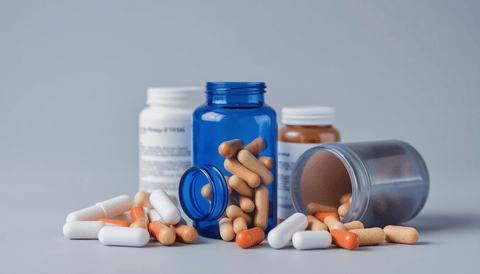
Signs of Expired Supplements: 7 Red Flags You Shouldn't Ignore


Summary of Signs of Expired Supplements

Recognizing the signs of expired supplements is essential for safeguarding health and ensuring effective nutrient intake. Expired supplements may exhibit changes in color, odor, texture, or clumping, which can indicate a loss of potency or safety. It's important to monitor these visual and olfactory cues to avoid potential health risks.

Understanding the difference between expiration dates, best-by dates, and manufacturing lots helps consumers make informed decisions. While some supplements might retain potency post-expiration, their effectiveness often diminishes, leading to unmet dietary needs. Storage conditions greatly impact a supplement’s lifespan, with factors like heat, moisture, and light accelerating degradation. Consequently, keeping supplements in a cool, dry location is vital.

Individual variability also plays a role; age, pregnancy, and chronic health conditions can alter nutrient requirements and sensitivity to expired products. If you experience symptoms like diminished effects or gastrointestinal discomfort, it’s crucial to assess whether expired supplements are the cause.

For those looking to enhance their wellness journey, understanding multivitamins can be beneficial, along with integrating specific nutrients such as vitamin D and magnesium.

In summary, staying informed about the signs of expired supplements not only helps prevent health risks but also enhances overall nutritional efficacy.


Do Supplements Really Expire? Understand Shelf Life and Storage Tips - Topvitamine
Aug 30, 2025
Do Supplements Really Expire? Shelf Life and Storage Tips Supplements can be an important part...

Understanding the signs of expired supplements is crucial for anyone relying on these products for health and wellness. As nutritional supplements play a significant role in filling dietary gaps, recognizing when they may have passed their prime can safeguard both effectiveness and safety. In this article, we will explore the seven red flags that indicate your supplements may be expired, equipping you with the knowledge to make informed decisions about your health. This is essential in maintaining the efficacy of nutrients essential for your wellbeing.

Introduction — signs of expired supplements and why they matter

Framing the topic: what “signs of expired supplements” look like in everyday use

Supplements are a convenient way to support your nutritional needs, but they can lose potency or safety when they expire. In daily life, this might manifest as changes in appearance, smell, or even unexpected gastrointestinal discomfort. Awareness of these signs can prevent potential health risks associated with expired nutritional products.

What readers will gain: decoding expiry signals, safety considerations, and smart sourcing

This guide will help readers decode the various signals indicating that a supplement has expired. By understanding these indicators, you can make safer choices and ensure you're getting the nutrients you need without risking adverse side effects. In addition, we will discuss how to identify reputable sources for your supplements.

Quick note on search intent: from information to informed supplement decisions

The intent behind seeking information about expired supplements stems from a desire to safeguard health. By gaining this knowledge, readers can make swift, informed decisions that contribute to their overall wellness.

Core explanation of the topic

What counts as expired? Distinguishing expiration date, best-by, and manufacturing lots

Understanding what constitutes expiration is key. The expiration date indicates the date until which the manufacturer guarantees the product's potency and safety. A "best by" date suggests optimal quality rather than strict safety. Additionally, manufacturing lots can provide traceability and context for when the product was made and how it should be stored.

Potency vs safety: how time affects ingredient strength and product integrity

Over time, the effectiveness of ingredients may degrade due to chemical reactions or environmental exposure. While expired supplements may not necessarily pose immediate health risks, their reduced potency can fail to meet intended health benefits. Thus, expired products can lead to unmet dietary needs.

Shelf life vs real-world use: how aging, storage, and handling alter effectiveness

The shelf life of a supplement often depends on its environment. Factors such as storage temperature, humidity, and how often the product is opened can significantly impact its longevity. Understanding that shelf life can vary in real-world conditions is crucial for maintaining supplement efficacy.

Common storage factors that influence expiry outcomes (light, heat, moisture, seal integrity)

Storage conditions can greatly affect the stability of supplements. Exposure to light, extreme temperatures, or moisture can accelerate degradation. Additionally, if the seal of a supplement bottle is compromised, air and contaminants can lead to spoilage. It's vital to store supplements in a cool, dry place to extend their shelf life.

Why this topic matters

Health implications of using degraded or unsafe supplements

Using expired or degraded supplements poses potential health implications. In some cases, ingredients may break down into harmful substances, leading to gastrointestinal disturbances or allergic reactions. Ensuring product freshness can help mitigate these risks.

Efficacy concerns: wasted money and unmet nutrient goals

Investing in dietary supplements is often costly. When supplements lose potency, it can lead to wasted financial resources. More importantly, they fail to meet the intended dietary goals, which may result in deficiencies or overall health declines.

Trust and quality: why brand standards and transparency matter for consumer safety

Brands that prioritize quality tools and third-party testing provide an extra layer of safety. Transparency regarding sourcing and manufacturing practices can elevate consumer trust, ensuring that you are choosing products that maintain their quality throughout their intended lifetime.

Related symptoms, signals, or health implications

Symptoms that might surface when using degraded supplements (diminished effect, GI upset, unusual taste or texture)

When using expired supplements, you may experience diminished therapeutic effects or gastrointestinal upset. Additionally, altered taste and texture can be signs that a product has deteriorated. Listening to your body is critical in interpreting these indicators.

Non-symptom signals to watch (changes in color, odor, clumping, or sediment)

Changes such as unusual color, odd smells, clumping, or sediment can be essential indicators of expired supplements. Paying attention to these visual and olfactory cues can help in identifying compromised products.

Distinguishing expiry-related signals from dietary gaps or health conditions

It's essential to differentiate symptoms related to expired supplements from those arising from underlying dietary gaps or health issues. Monitor your overall diet and health status to establish clearer connections between symptoms and supplement quality.

Individual variability and uncertainty

How age, pregnancy, chronic conditions, and medications alter needs and risk

Individual factors such as age, pregnancy, chronic conditions, and medications can modify nutrient requirements and tolerances. For instance, pregnant women often have increased nutritional needs, making the potency of supplements even more critical.

Nutrient-specific variability: fat-soluble vs water-soluble vitamins, minerals, and botanicals

Different nutrients can exhibit varying levels of stability over time. For example, fat-soluble vitamins like A, D, E, and K tend to degrade slower compared to water-soluble vitamins. Understanding these differences can help navigate potential expiry risks more effectively.

Brand and batch differences: why one bottle may behave differently from another

Packaging, formulation, and batch variability can influence how products age. It's essential to be aware that not all supplements behave uniformly; some might retain potency longer than others, depending on various manufacturing factors.

Why symptoms alone do not reveal root cause

Expiry vs storage vs contamination: multiple potential culprits behind a symptom

Symptoms can stem from multiple factors, including expired products, improper storage, or even contamination during handling. Understanding the root cause requires context and informed observation.

The risk of assuming outcome without context (dosage, formulation, and co-nutrients matter)

Assuming a symptom is solely due to expiry neglects the complexity of supplementation. Dosage, formulation variations, and synergistic effects of co-nutrients all contribute to health outcomes and need careful consideration.

The value of objective checks: label accuracy, batch codes, and independent testing

Performing objective checks using label accuracy, batch codes, and independent testing can help establish product quality. This diligence fortifies informed decisions about supplement use and safety.

The role of nutritional supplements in this topic

Supplements within a broader nutritional plan: bridging gaps without overreliance

While supplements can effectively bridge nutritional gaps, they should not serve as replacements for a balanced diet rich in whole foods. Prioritizing a holistic nutritional plan is essential for optimal health.

How quality controls (certifications, third-party testing, GMP) influence safety around expiry

Quality control measures, such as certifications and Good Manufacturing Practices (GMP), enhance consumer safety by ensuring that supplements maintain their quality throughout their shelf life. Look for these certifications when selecting a product.

Balancing benefits, risks, and expiry considerations in daily use

Finding the right balance between the benefits of supplements and the risks linked to expired products requires informed decision-making. Recognizing and heeding expiry signs is crucial for maximizing health outcomes while minimizing risks.

How nutritional supplements could support

Practical scenarios where supplements can help despite uncertainties

Scenario-based assessments can highlight when supplements are indicated, such as during periods of increased demand like pregnancy, stress, or aging. Supplements can offer essential support during these times when dietary intake may be insufficient.

Safe usage practices: correct storage, timely rotation, and adhering to labeled doses

Implementing safe usage practices—proper storage, timely product rotation, and adherence to recommended doses—can help maintain supplement efficacy and safety over time.

When to prefer whole foods and fortified options over supplements (and when supplements are appropriate)

Whole foods should be the primary source of nutrients, with supplements acting as adjuncts where needed. In instance of deficiencies or specific health concerns, supplements may be advisable to help achieve health objectives.

Decision-support section (when nutritional supplements make sense)

Step-by-step decision checklist

  • 1) Check expiry date and storage history.
  • 2) Inspect physical appearance, scent, and texture.
  • 3) Assess current symptoms, dietary gaps, and possible deficiencies.
  • 4) Consider lab results or clinician guidance if available.
  • 5) Evaluate brand transparency, ingredients, and sourcing.
  • 6) Decide on continued use, rotation, or replacement.

Realistic scenarios where supplements are advisable (e.g., documented deficiency risk, dietary limitations, life stages)

It is advisable to use supplements when there is a documented risk of deficiency due to poor dietary intake, increased nutritional need during different life stages, or when dealing with dietary restrictions.

Scenarios to pause or seek professional input (unexplained symptoms, products past expiry, or questionable storage)

If you experience unexplained symptoms, discover that products are past their expiry date, or are unsure about storage conditions, consulting a healthcare professional is prudent. This ensures your safety and wellness are prioritized.

How to choose and compare products (bioavailability, form, dosage, and safety signals)

When navigating supplement options, consider factors such as bioavailability, form (pill, liquid, powder), recommended dosage, and safety indicators. This will help identify high-quality products suited to your needs.

How Topvitamine can help: vetted options, clear labeling, and quality-conscious choices

Topvitamine prioritizes user safety by providing access to thoroughly vetted supplement options. Clear labeling and commitment to quality come first, offering customers peace of mind when selecting products that suit their health requirements.

Clear concluding section connecting the topic to buying nutritional supplements on Topvitamine.com

Key takeaways: signs to monitor, when to seek guidance, and how to act on expiry concerns

  • Monitor physical appearance, scent, and texture.
  • Be aware of the expiry date and storage conditions.
  • Consult with professionals for unexplained symptoms or expired products.
  • Prioritize certified and high-quality brands.
  • Consider whole foods as primary nutritional sources.
  • Utilize a checklist for informed decisions regarding supplements.

Shopping smart on Topvitamine: evaluating product pages, certifications, and user feedback

When shopping on Topvitamine, evaluate product pages for detailed descriptions, certifications, and user feedback. This will aid in making wise decisions about which supplements to incorporate into your routine.

Final encouragement: use Topvitamine as a resource to find trustworthy, third-party–tested supplements aligned with your needs

Leveraging Topvitamine as a resource allows you to access a range of reputable supplements. With a focus on safety, quality, and third-party testing, you can feel confident in meeting your nutritional needs through responsible supplement use.

Key insights

  • Recognize signs of expired supplements to prevent health risks.
  • Pay attention to storage conditions affecting potency.
  • Be aware of individual dietary needs and variability.
  • Choose products from trustworthy brands with quality assurance.
  • Consult healthcare professionals when uncertain about supplement safety.
  • Use a checklist to ensure informed supplement decisions.

Frequently Asked Questions

1. What are the common signs that supplements have expired?

Common signs include changes in color, odor, texture, clumping, sediment, and a diminished therapeutic effect. Recognizing these can help you decide if a product is still safe to consume.

2. Can I still use supplements after their expiration date?

While using supplements after their expiration date is not typically recommended, occasionally they may still be effective. However, efficacy can diminish, so it's prudent to assess their quality first.

3. How should I store my supplements to maximize their shelf life?

Store supplements in a cool, dry place away from direct sunlight and moisture. Ensure containers are sealed tightly to prevent exposure to air and contaminants.

4. How do I assess the quality of a supplement brand?

Look for certifications, adherence to Good Manufacturing Practices (GMP), transparency in sourcing, and third-party testing results. Customer reviews can also provide insights into product quality.

5. What should I do if I experience side effects from a supplement?

If you experience side effects, discontinue use and consult with a healthcare professional. They can help determine whether the symptoms relate to the supplement or another underlying issue.

6. Are all nutritional supplements equally effective?

No, their effectiveness can vary greatly depending on factors such as formulation, bioavailability, and individual health needs. Quality plays a significant role.

7. What are some examples of scenarios where supplements might be necessary?

Supplements are advisable during periods of increased nutritional needs, such as pregnancy, illness, or dietary restrictions. They can help bridge gaps that whole foods may not cover.

8. How can I tell if a supplement is contaminated?

While it can be challenging to detect contamination through sight or smell, signs of expiry or symptoms post-consumption may indicate potential issues. It's prudent to avoid products from unknown sources.

9. Is it safe to take multiple supplements at once?

Taking multiple supplements simultaneously can be safe, but it's crucial to ensure there are no nutrient overlaps or adverse interactions. Consulting a healthcare professional can assist in managing your supplement regimen.

10. What do I do with expired supplements?

Expired supplements should ideally be disposed of responsibly. Check local regulations for disposal guidelines or return them to a pharmacy that offers safe disposal programs if available.

11. Can storage conditions affect the effectiveness of a supplement?

Yes, improper storage conditions, such as exposure to moisture, heat, or light, can degrade supplement potency more quickly than their indicated shelf life would suggest.

12. Are there certain vitamins that are more likely to expire faster?

Water-soluble vitamins, such as C and B-complex, may degrade faster than fat-soluble vitamins like A, D, E, and K. Understanding these differences can guide appropriate use and storage.

Keywords

signs of expired supplements, expired supplements, nutritional supplements, dietary gaps, health implications, storage conditions, potency, trust and quality