
Discover 7 clear signs you may be vitamin D deficient and practical steps to safely boost your levels today—science-backed tips you can start now. This guide centers on the signs of vitamin d deficiency and what they might suggest about your body. While only a clinician can confirm a diagnosis, recognizing these signals can prompt timely discussion and appropriate testing. The signs of vitamin d deficiency to watch for include ongoing bone or back pain; muscle weakness or a sense of heaviness in the limbs; persistent fatigue; mood changes such as low mood or irritability; hair thinning or hair loss; recurrent infections or illnesses; and slower wound healing after injury. These indicators aren’t a diagnosis on their own, but they are commonly discussed in relation to low vitamin d status and may warrant further evaluation. Practical steps to safely boost your levels today—science-backed tips you can start now—begin with talking to a healthcare professional about whether testing is appropriate for you. If testing is recommended, arrange a blood test to measure relevant vitamin D markers. Share your symptom history and any medications or conditions with your clinician, so they can assess factors that could influence vitamin d status and craft a safe plan tailored to you. Avoid making changes without professional guidance and plan for follow-up to monitor progress. Science-backed tips you can start now emphasize a careful, professional-led approach. Rely on credible guidance to decide on next steps, track changes in signs of vitamin d deficiency, and adjust the plan as needed. If you notice persistent or worsening symptoms, reach out to a clinician promptly to ensure you receive appropriate assessment and support.
7 Clear Signs You May Be Vitamin D Deficient - And How to Boost Your Levels

What Does Vitamin D Deficiency Feel Like?Vitamin D deficiency often feels like a persistent, unexplained tiredness that rest doesn’t seem to fix. You may also notice muscle weakness, bone aches—especially in the lower back, pelvis, or legs—and a tendency to catch colds or infections more frequently. Fatigue and low stamina are among the earliest and most common complaints, but they are easily mistaken for stress or poor sleep.Key Symptoms and Subtle SignsBeyond fatigue, low vitamin D can show up as mood changes such as irritability, anxiety, or low mood. Hair thinning, slow wound healing, and a general sense of being run down can also point to deficiency. Children may experience growth issues or irritability, while older adults might notice balance problems or increased fall risk. These signs develop slowly and are often overlooked, which is why recognizing them early matters.How to Check and Improve Your Vitamin D LevelsThe only reliable way to confirm a deficiency is a blood test measuring 25-hydroxyvitamin D. If you suspect low levels, talk to a healthcare provider about testing. To raise levels, aim for sensible sun exposure and include vitamin D–rich foods like fatty fish, egg yolks, and fortified dairy. Supplements—especially vitamin D3—are often the most effective option. Pairing vitamin D with magnesium or vitamin K2 may support absorption and bone health. Always follow professional guidance for dosing.
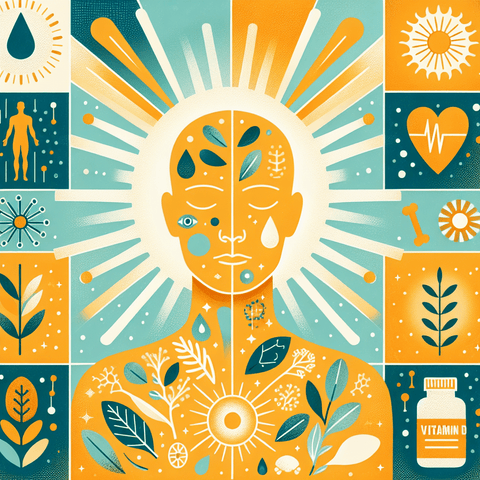
Vitamin D deficiency can develop from limited sun exposure, darker skin, aging, dietary insufficiency, obesity, absorption problems, or chronic disease. Common vitamin D symptoms include fatigue, muscle weakness, bone pain, mood changes, frequent infections, hair loss, and delayed wound healing. Recognizing the signs of vitamin D deficiency early may help prevent osteoporosis, fractures, impaired immune function, and other health effects of vitamin D deficiency. A vitamin D blood test measuring 25-hydroxyvitamin D provides the clearest assessment, with calcium, phosphorus, and PTH offering additional context. Treatment may include safe sunlight exposure, vitamin D-rich foods, and medically guided vitamin D supplementation, typically using vitamin D3.