
Uncover 7 surprising signs of vitamin deficiency you shouldn't ignore. These signs of vitamin deficiency can show up in everyday ways, sometimes without a clear cause. In this page, you’ll find seven common indications to watch for, along with guidance on what they might mean and how to approach them. By becoming familiar with these signs of vitamin deficiency, you can start noticing patterns that matter and decide when to seek professional input. What your body is telling you can be subtle or dramatic, and signs of vitamin deficiency don’t always look the same from person to person. Some clues may persist for weeks, while others appear only occasionally or flare up after certain events. The seven signs listed here are meant to help you recognize when something in your body may be signaling a deficiency, so you can pay attention to how patterns evolve over time and discuss them with a qualified professional. How to verify whether these signs reflect a real deficiency involves careful observation and appropriate guidance. Keep a simple symptom journal that notes when each sign appears, how long it lasts, and whether any other factors seem connected. Then, schedule a consultation with a healthcare professional who can review your history, assess the overall pattern, and determine whether further assessment is needed. They may consider a range of information and arrange tests or evaluations as appropriate to your situation. Simple steps to restore balance start with taking a thoughtful, professional-guided approach. Focus on staying engaged with your healthcare provider, understanding the context of your symptoms, and following an evidence-based plan developed with your team. Prioritize regular check-ins, be cautious about self-diagnosis, and use the information here to inform a constructive discussion with a clinician about next steps.
Signs of Vitamin Deficiency: 7 Surprising Symptoms You Shouldn't Ignore

What Are Vitamin Deficiency Diseases?Vitamin deficiency diseases are health conditions that develop when the body does not get or absorb enough essential vitamins over time. Vitamins act as co-factors in enzyme reactions, support cell signaling, enable hormone activation, and protect tissues from oxidative stress. When intake or absorption falls short for long enough, specific bodily functions can slow down or stall, leading to recognizable clinical patterns. Classic examples include scurvy from vitamin C deficiency, rickets and osteomalacia from vitamin D deficiency, beriberi from thiamine (B1) deficiency, pellagra from niacin (B3) deficiency, and vitamin B12 deficiency anemia.Top 10 Vitamin Deficiency Diseases and Their SignsThe ten major vitamin deficiency diseases covered in this article include scurvy, rickets and osteomalacia, beriberi, pellagra, vitamin B12 deficiency anemia, iodine deficiency (a key mineral), vitamin A deficiency, fat-soluble vitamin deficiency syndromes, hypervitaminosis (excess, not deficiency), and other notable micronutrient deficiencies like folate, vitamin E, and vitamin K. Each condition presents with specific symptoms—such as bleeding gums in scurvy, bone pain in vitamin D deficiency, or numbness and tingling in B12 deficiency—but many symptoms are nonspecific. Therefore, laboratory testing and professional evaluation are essential to confirm a deficiency and rule out other causes.How to Address and Prevent Vitamin Deficiency DiseasesPrevention and management of vitamin deficiency diseases involve eating a nutrient-dense diet, ensuring adequate sun exposure where safe, and using supplements when medically indicated. Since individual needs vary based on age, diet, medications, and medical conditions, a personalized approach is important. Testing helps identify true deficiencies, allowing for targeted supplementation under professional guidance. Avoiding excessive intake and collaborating with healthcare providers ensures safe and effective correction of any deficiencies.
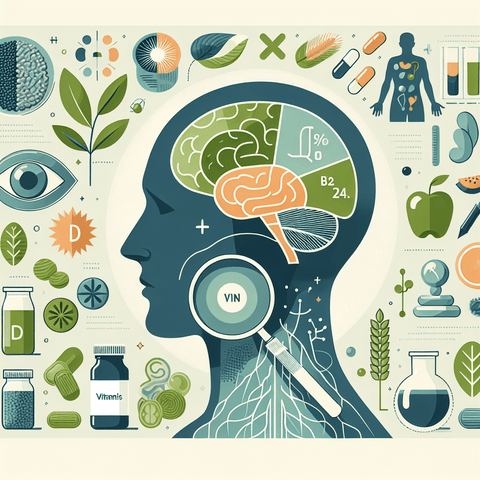
How to Know If You Need Vitamins: Recognizing the SignsKnowing whether you need vitamins starts with paying attention to your body. Persistent fatigue, low energy, hair loss, brittle nails, mood changes, and frequent infections can all point to possible nutrient gaps. These symptoms may relate to deficiencies in vitamin D, B12, iron, magnesium, or other essential nutrients. While a balanced diet is the best foundation, modern lifestyles and dietary restrictions often leave room for improvement. Recognizing consistent patterns and understanding your personal risk factors helps you decide whether supplementation might be necessary.Steps to Assess Your Nutritional StatusTo assess your nutritional status, start by keeping a one-week diet log to evaluate how many fruits, vegetables, whole grains, and proteins you consume. Consider lifestyle factors such as smoking, alcohol use, stress, and medications, since these can deplete nutrients. If you follow a vegan or vegetarian diet, or you are pregnant, breastfeeding, or older, your needs may be higher. Professional blood tests, including vitamin D, B12, iron, and magnesium levels, remain the gold standard for confirming a deficiency. Talk to a healthcare provider before starting any long-term supplement plan.Choosing Supplements Wisely and Next StepsOnce you identify a genuine need, choose high-quality supplements from reputable brands that use bioavailable forms and avoid unnecessary fillers. Be cautious with fat-soluble vitamins like A, D, E, and K, because excessive intake can be toxic. The best approach is to combine dietary improvements with targeted supplementation, only when validated by testing or professional advice. Start by consulting your healthcare provider and tracking your symptoms—this gives you a clear picture of your individual needs and supports safe, informed decisions.

Vitamin deficiency symptoms like fatigue, brain fog, and brittle nails can signal a need for more nutrients. This guide covers the most common deficiencies—vitamin D, B12, iron, folate, A, and C—and their signs, risk factors, and causes. Learn how to work with a doctor to diagnose a deficiency, and discover practical prevention tips, including a balanced diet, lifestyle changes, and using supplements like those at Topvitamine under professional guidance.